Forfeiture Clause Real Estate In Fulton
Description

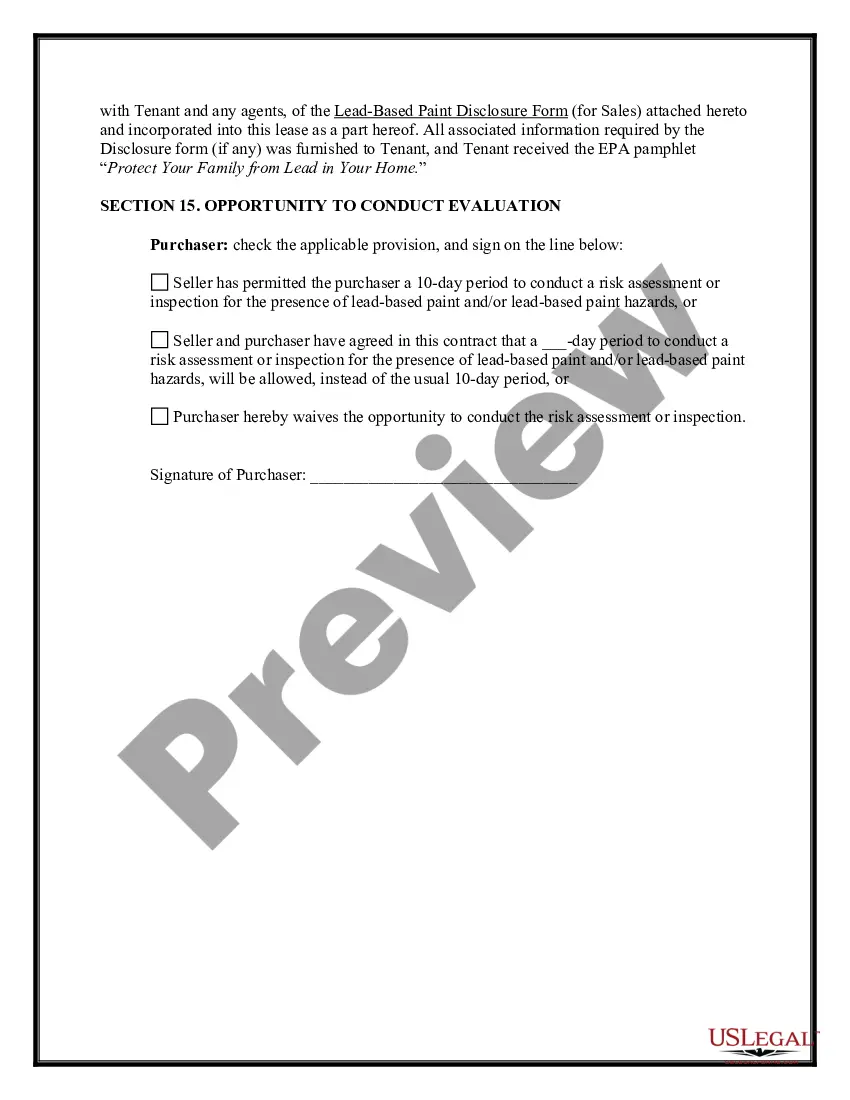
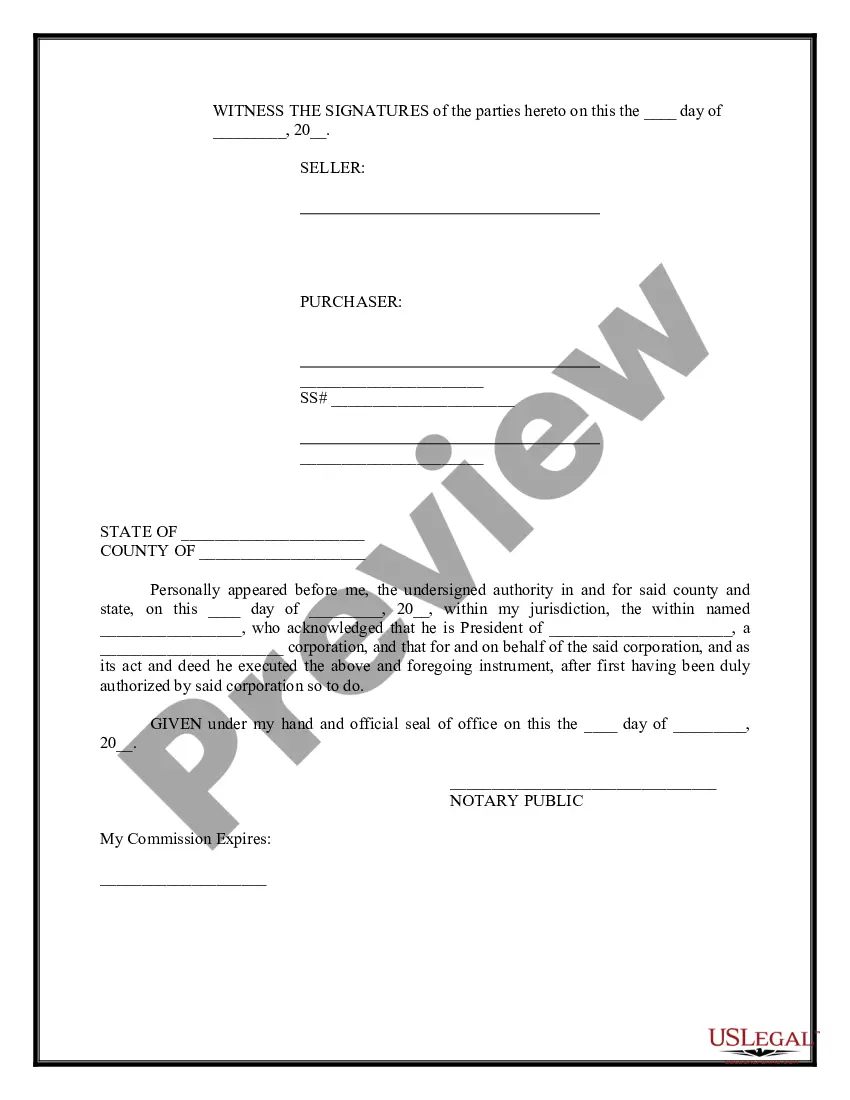
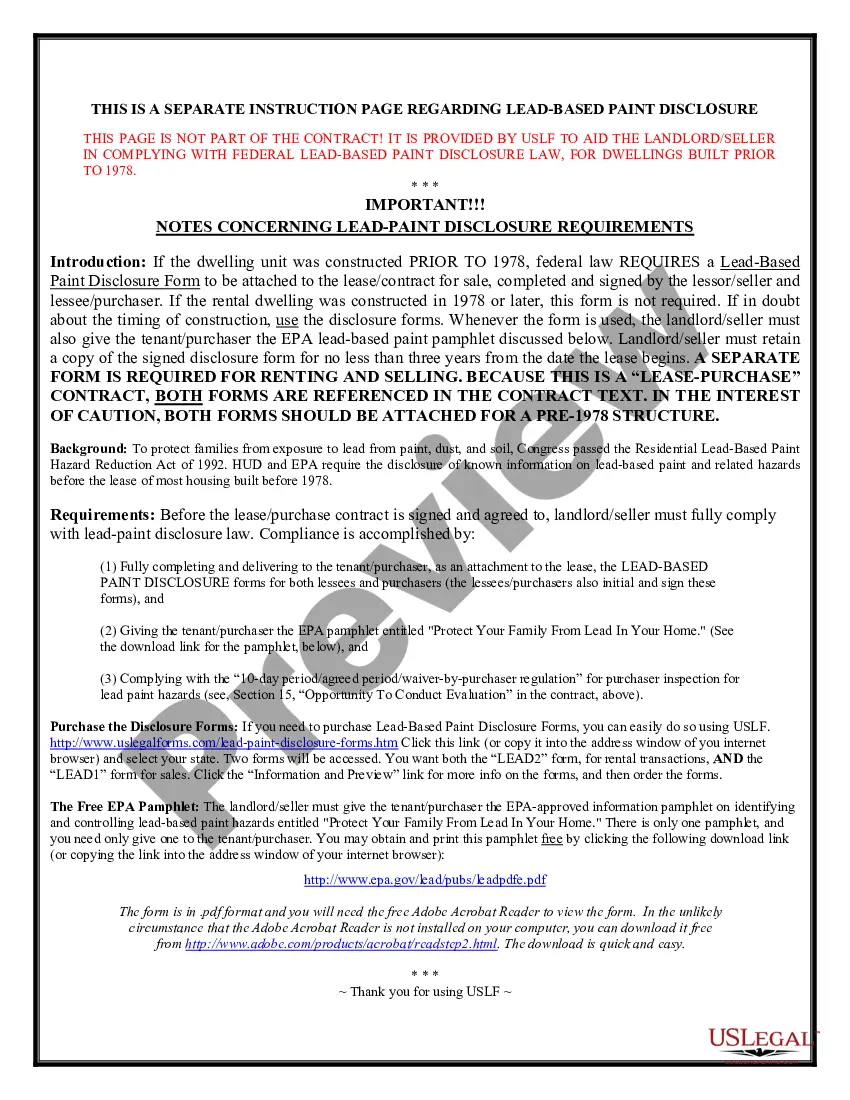
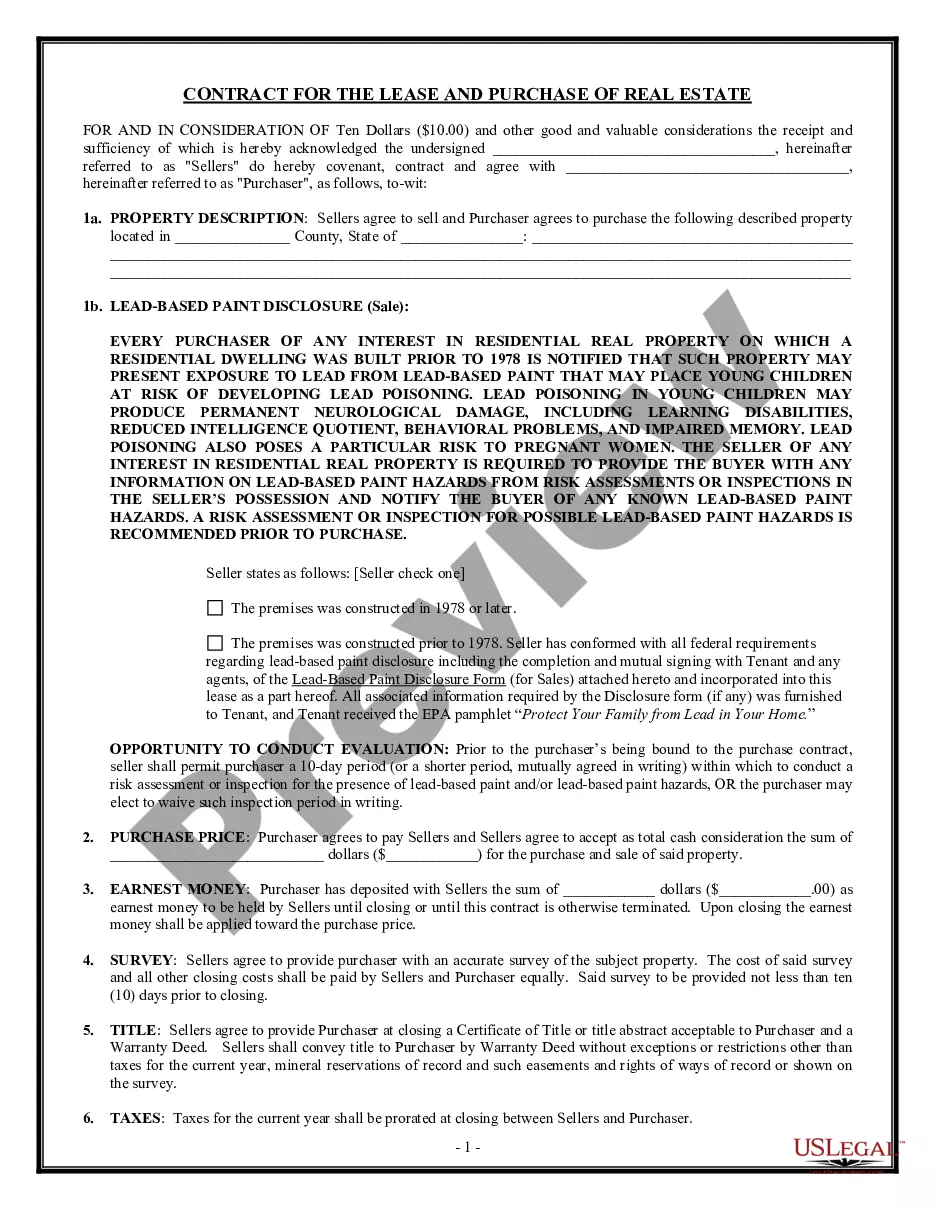
Get your form ready online
Our built-in tools help you complete, sign, share, and store your documents in one place.
Make edits, fill in missing information, and update formatting in US Legal Forms—just like you would in MS Word.
Download a copy, print it, send it by email, or mail it via USPS—whatever works best for your next step.
Sign and collect signatures with our SignNow integration. Send to multiple recipients, set reminders, and more. Go Premium to unlock E-Sign.
If this form requires notarization, complete it online through a secure video call—no need to meet a notary in person or wait for an appointment.
We protect your documents and personal data by following strict security and privacy standards.

Make edits, fill in missing information, and update formatting in US Legal Forms—just like you would in MS Word.

Download a copy, print it, send it by email, or mail it via USPS—whatever works best for your next step.

Sign and collect signatures with our SignNow integration. Send to multiple recipients, set reminders, and more. Go Premium to unlock E-Sign.

If this form requires notarization, complete it online through a secure video call—no need to meet a notary in person or wait for an appointment.

We protect your documents and personal data by following strict security and privacy standards.
Looking for another form?










Form popularity
FAQ
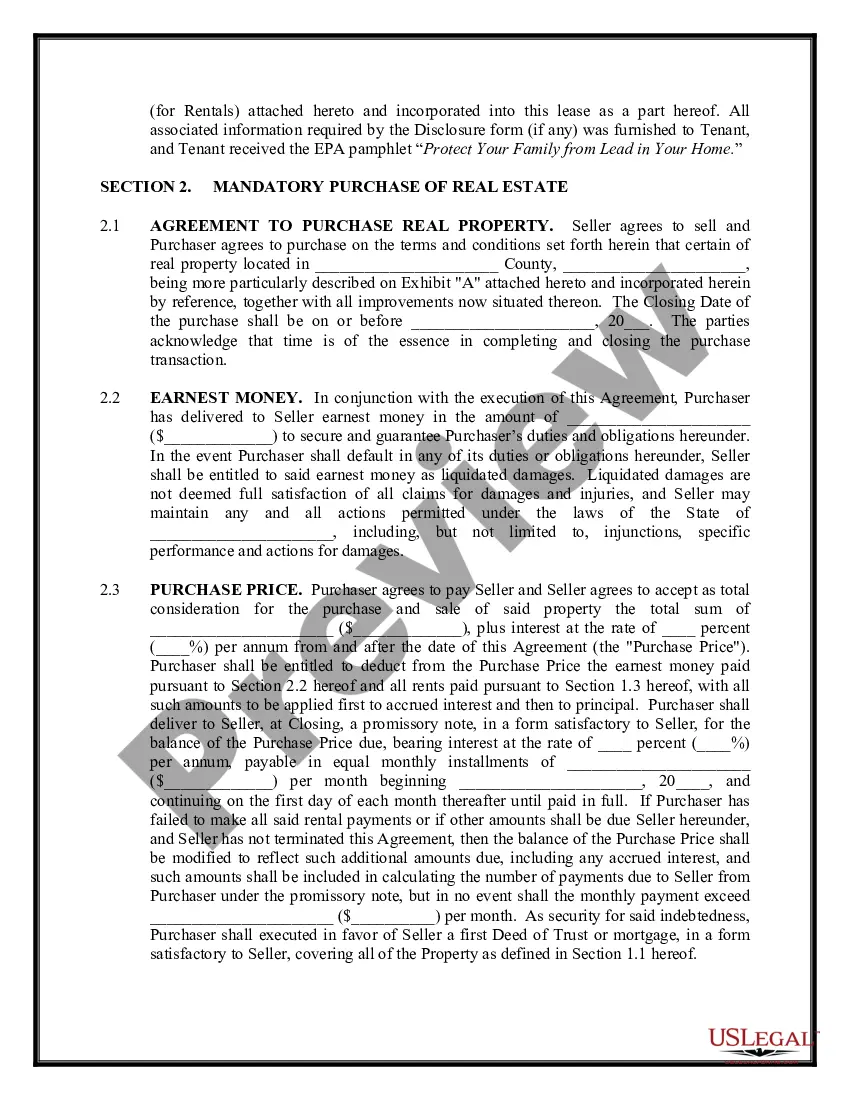
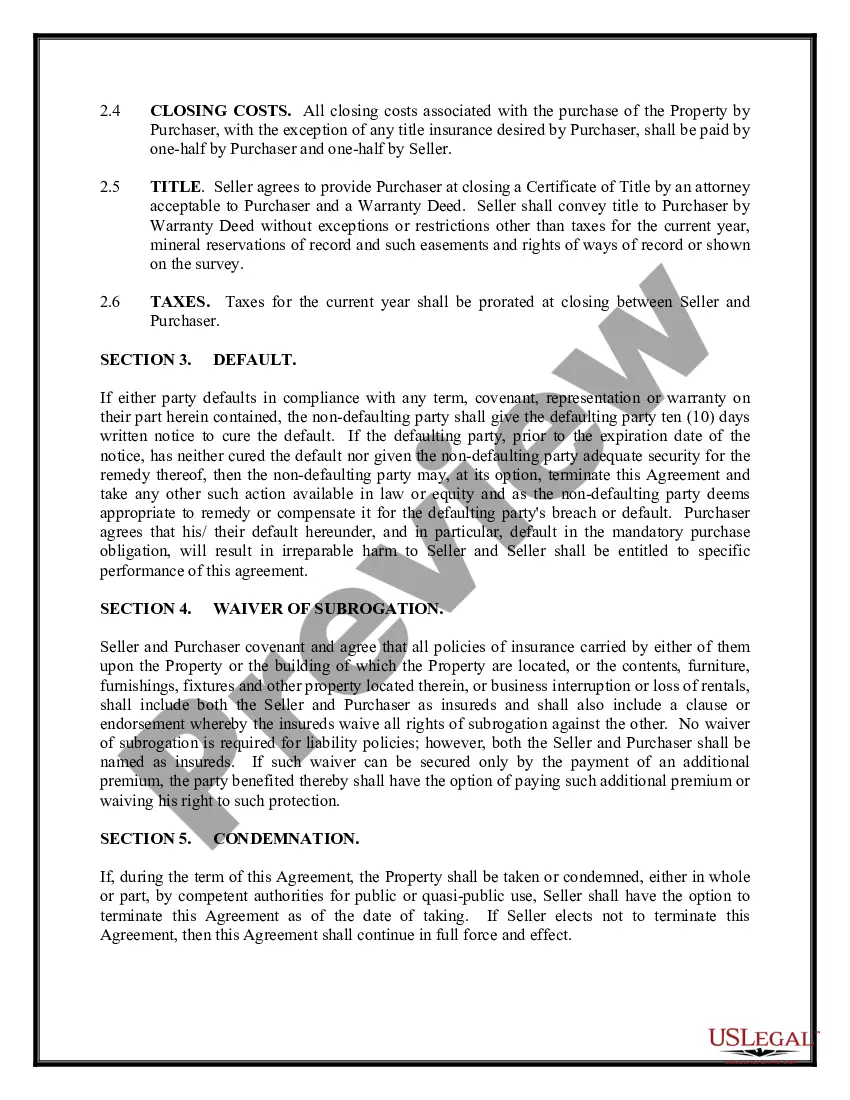
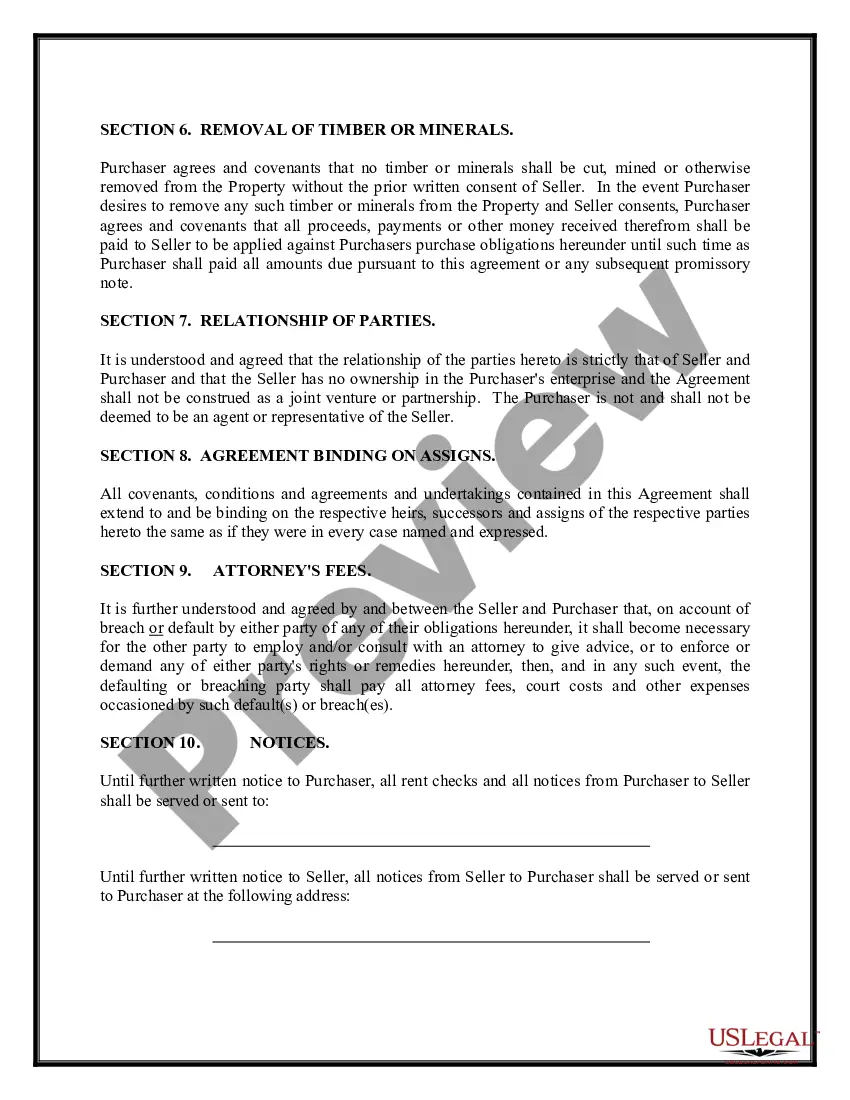
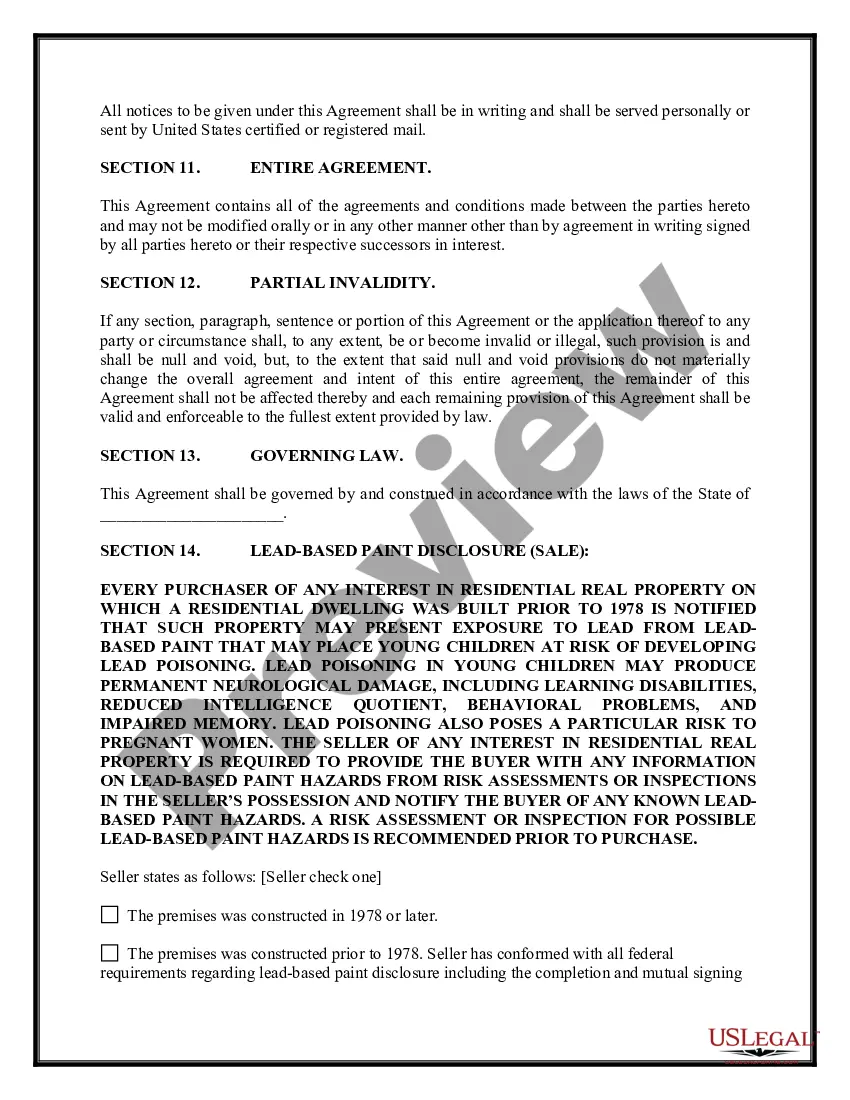
A forfeiture clause in real estate is a seller's remedy that allows a seller to take back property purchased on a land installment contract if the buyer defaults on payments. While some contracts may offer a grace period to make up payments, this isn't always the case.
These examples illustrate how a forfeiture clause can be used to protect one party's interests in a contract. However, it is important to note that forfeiture clauses may not always be enforceable, and they should be carefully reviewed before agreeing to them.
This clause will ordinarily give the landlord the right to forfeit once the tenant has been in breach for a period of time – typically 14 or 21 days.
In law, a forfeiture is the loss of rights or goods due to not fulfilling some obligation. For example, failing to make car payments to a bank can result in the forfeiture of your car. the act of losing or surrendering something as a penalty for a mistake or fault or failure to perform etc.
This clause will ordinarily give the landlord the right to forfeit once the tenant has been in breach for a period of time – typically 14 or 21 days. If the lease does not include a forfeiture clause, a landlord may still be able to forfeit the lease if the tenant has committed a fundamental breach of the lease.
What is forfeiture? The party suffering the breach seizing property from the breaching party. Parties can agree to replace a cancelled contract with another contract by the process of. novation.
This clause is similar to conditions and other qualifications of estates in land, but it is often considered void. Let's say you rent a car for a week, and the rental agreement includes a forfeiture clause. The clause states that if you return the car with any damage, you will forfeit your security deposit.
Forfeit or forfeiture means losing a right, privilege, or property without compensation as a consequence of violating the law, breaching a legal obligation, failing to perform a contractual obligation or condition, or neglecting a legal duty. Under federal law, there are civil, criminal, and administrative forfeitures.
Advantages of forfeiting a lease Possession of the premises can be obtained without court involvement if the landlord is able to forfeit by peaceable re-entry. Forfeiture is a unilateral act by the landlord and does not require the landlord to negotiate with the tenant.