Real Estate Clause In A Will In Dallas
Description

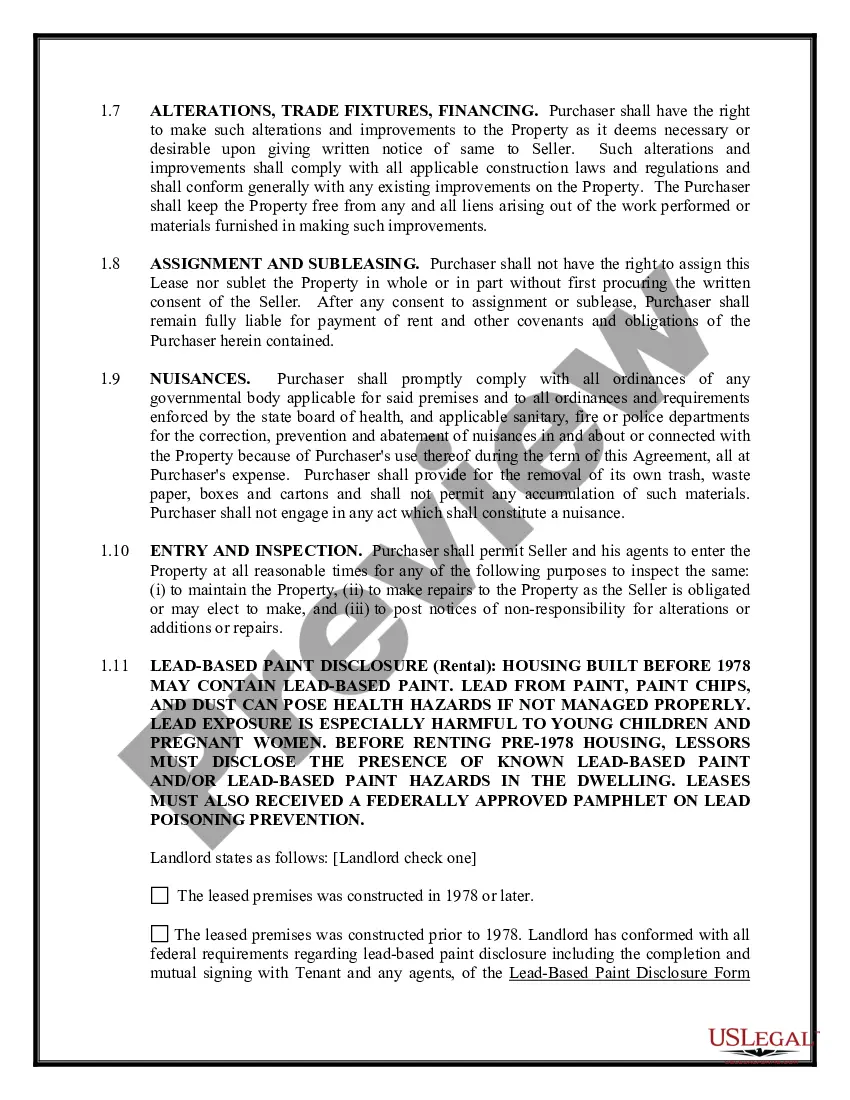
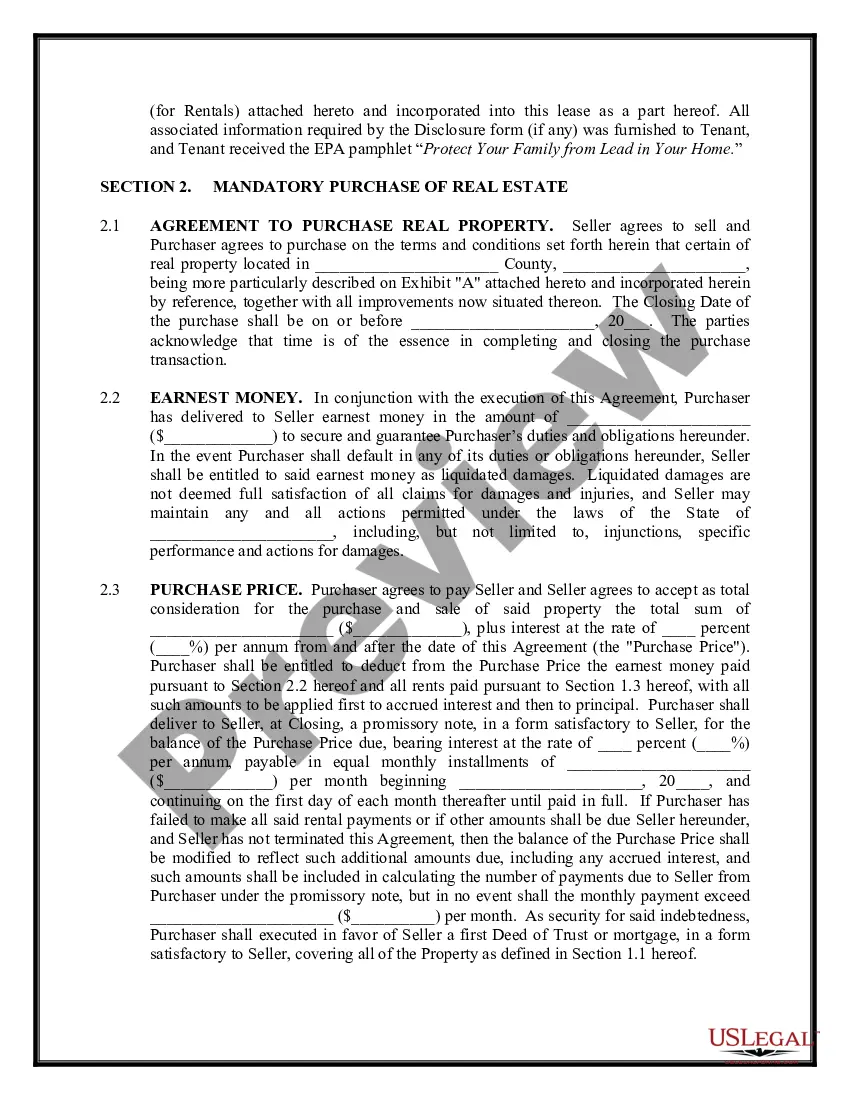
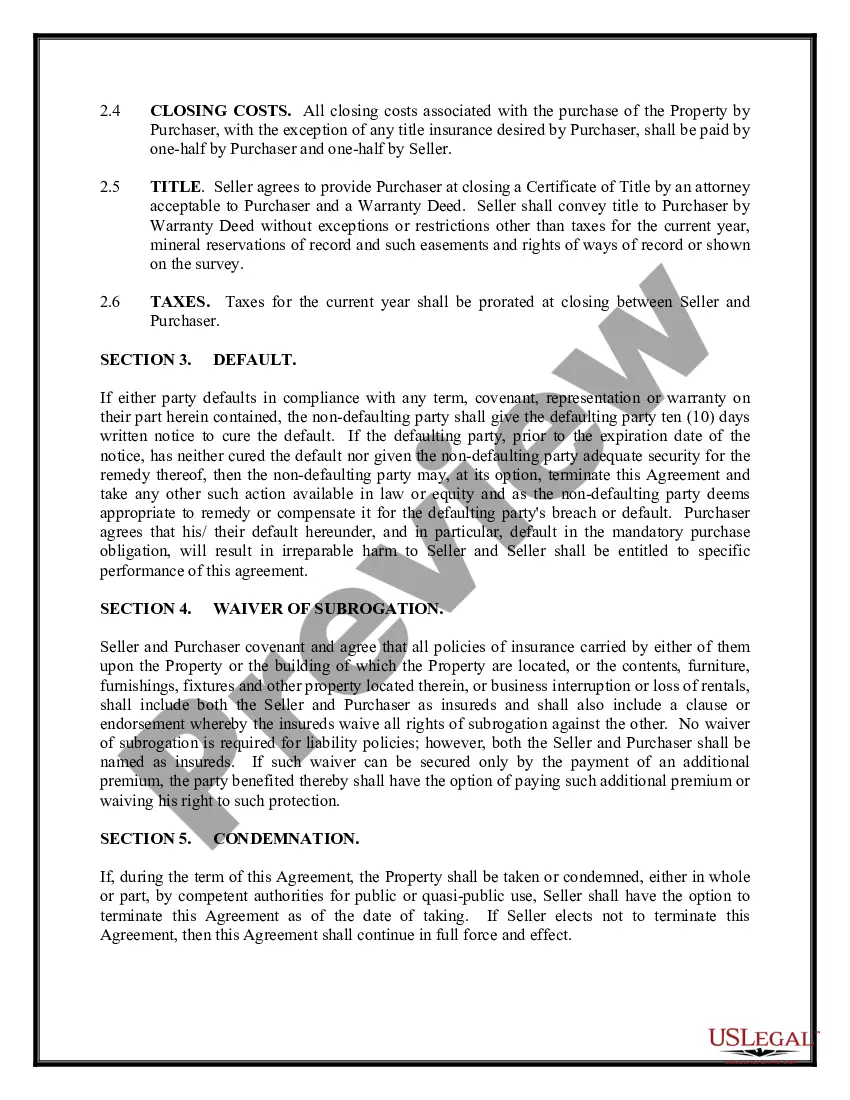

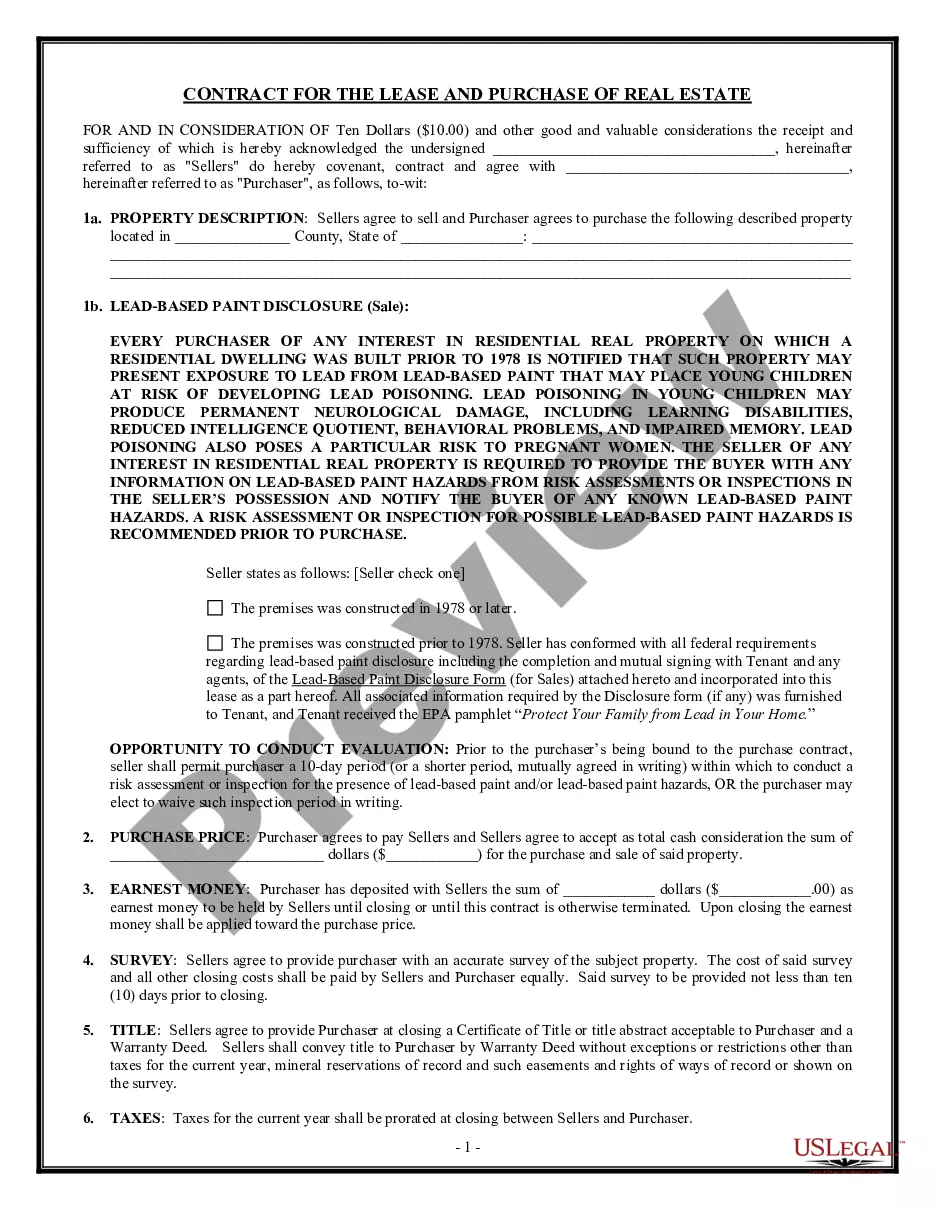
Get your form ready online
Our built-in tools help you complete, sign, share, and store your documents in one place.
Make edits, fill in missing information, and update formatting in US Legal Forms—just like you would in MS Word.
Download a copy, print it, send it by email, or mail it via USPS—whatever works best for your next step.
Sign and collect signatures with our SignNow integration. Send to multiple recipients, set reminders, and more. Go Premium to unlock E-Sign.
If this form requires notarization, complete it online through a secure video call—no need to meet a notary in person or wait for an appointment.
We protect your documents and personal data by following strict security and privacy standards.

Make edits, fill in missing information, and update formatting in US Legal Forms—just like you would in MS Word.

Download a copy, print it, send it by email, or mail it via USPS—whatever works best for your next step.

Sign and collect signatures with our SignNow integration. Send to multiple recipients, set reminders, and more. Go Premium to unlock E-Sign.

If this form requires notarization, complete it online through a secure video call—no need to meet a notary in person or wait for an appointment.

We protect your documents and personal data by following strict security and privacy standards.
Looking for another form?







Form popularity
FAQ
If you are dealing with an estate where you are the only beneficiary or heir, you are not legally required to hire an attorney. If the estate has more than you as the beneficiary or heir, then you do have to hire a probate attorney.
When the owner of a house dies and there is a Will, the house will pass to the beneficiary named in the document. Once Probate court has validated the Will, the Executor can assist with transferring the property to the heir. This is typically the simplest way to transfer the home after an owner dies.
How is an executor appointed? The person who wants to serve as an executor (or an administrator) must apply with the court for letters testamentary (or letters of administration). Even if the will nominates an executor, they must still apply and go through the approval process.
You'll have to file a request in the county where the deceased person lived at the time of their death. The paperwork will ask for you to be officially acknowledged as the legal executor representing the estate. In addition to the petition, you'll need to file a valid will, if one exists, and the death certificate.
How Do I write a codicil to my will? State that it is a codicil to your will. Identify the date your will was signed, so there's no confusion about which will it amends. Clearly state which parts of the will it revises. Describe the changes as specifically as possible.
A codicil to a will is a legal document used to make minor changes to your existing will without having to rewrite the entire document. It's a flexible tool for updating your estate plan when there are minor changes. Codicils must be executed with the same formalities as a will to ensure validity.
Executors in Texas must be a state resident who is at least 18 years old with no criminal record. Posting an executor bond is a requirement for almost all executors. Its amount is tied to the value of the estate. Unlike many other states, requires executors to hire an attorney, in almost all cases.
REAL PROPERTY Land and things attached to land; buildings, fences, walls, trees, growing crops, etc.
Settling Debts Without Beneficiary Approval One of the most challenging aspects of this process can be selling estate property to meet these financial obligations. Texas law allows executors to sell property without the beneficiaries' approval, which can be necessary to keep the estate solvent.
You can simply provide the street address or, for unimproved property, the name by which it is commonly known. For example: my condominium at 123 45th Avenue. my summer home at 84 Memory Lane in Oakville.