Arrendamiento Bienes For Rent In Clark
Description

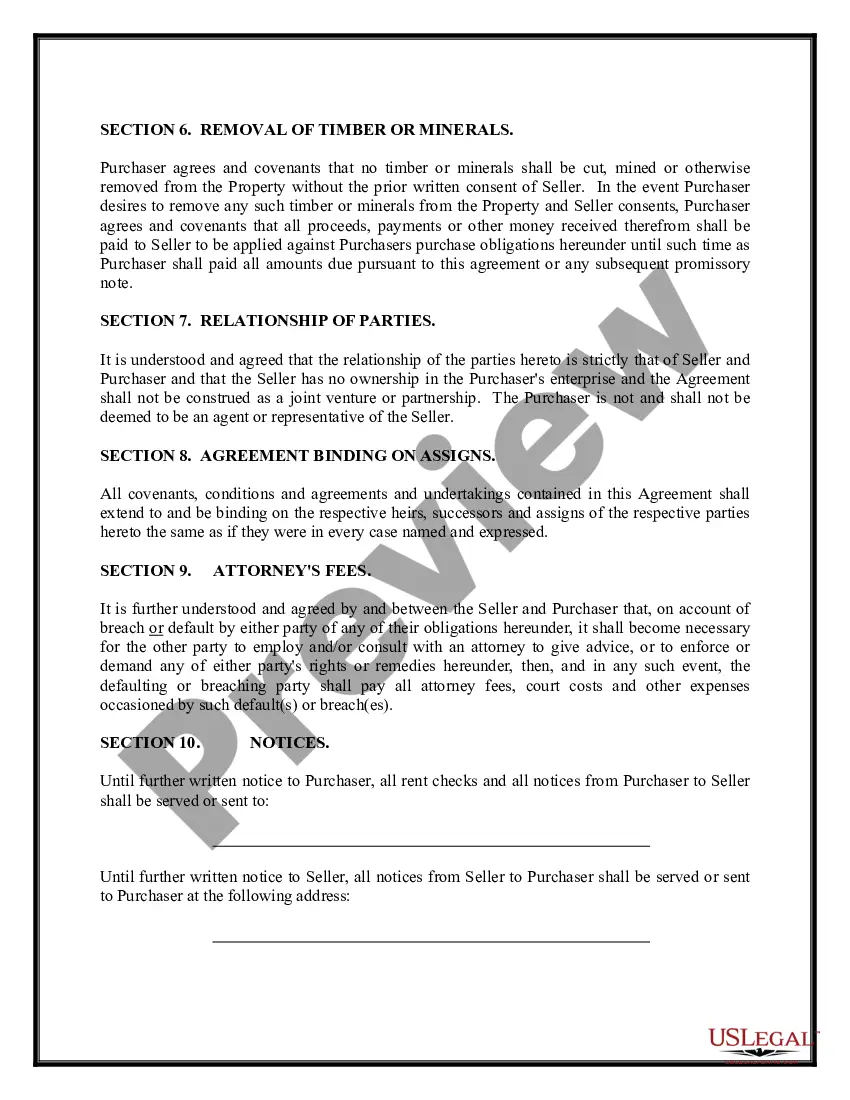
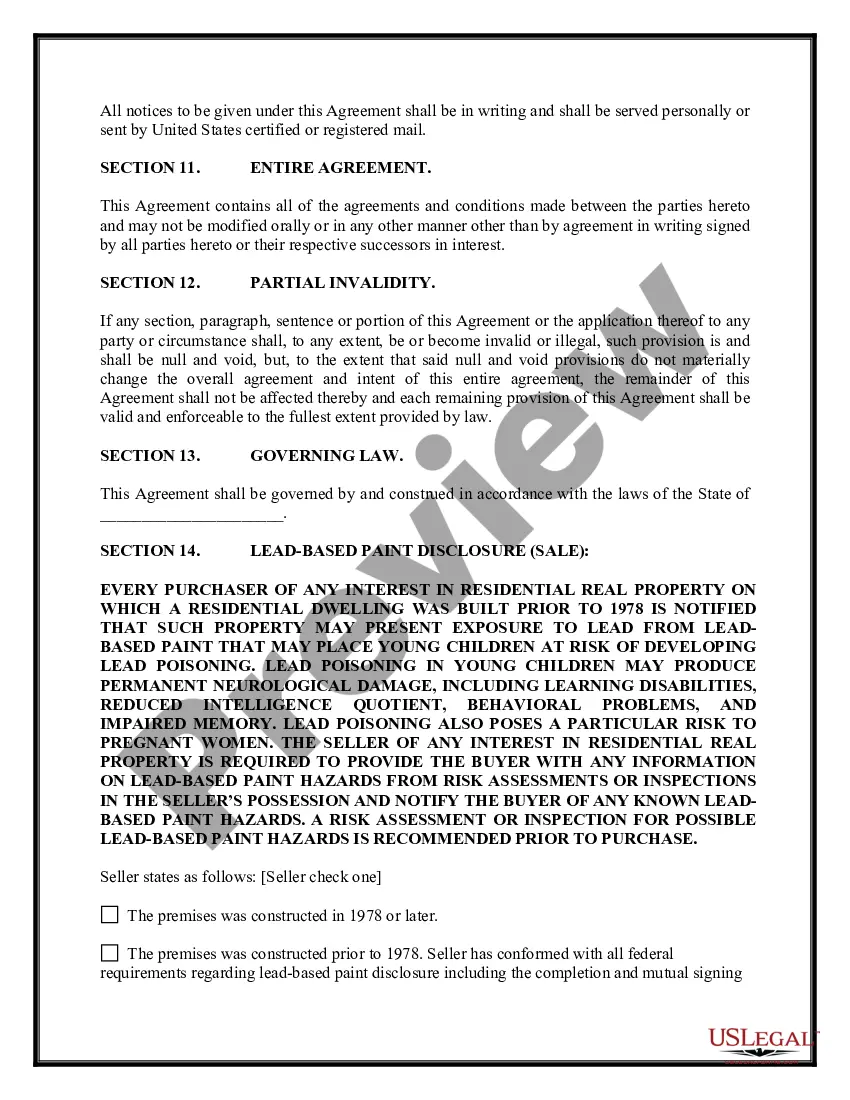
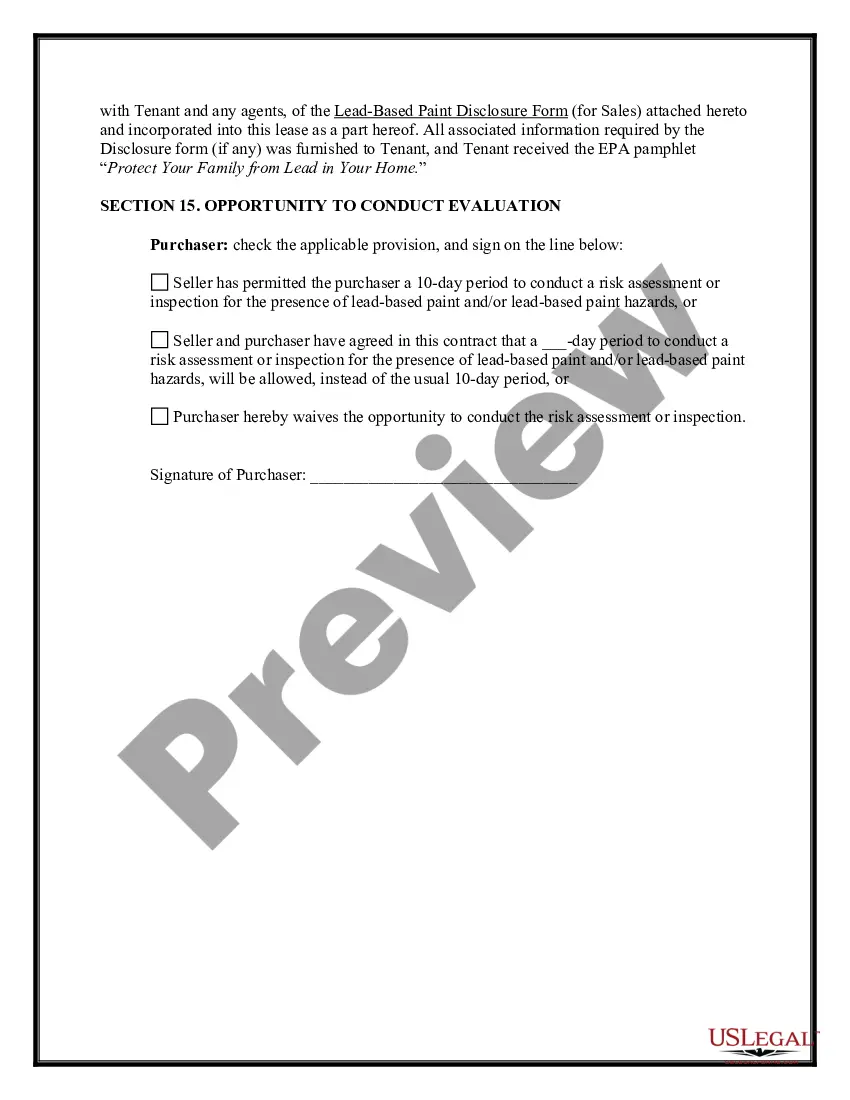
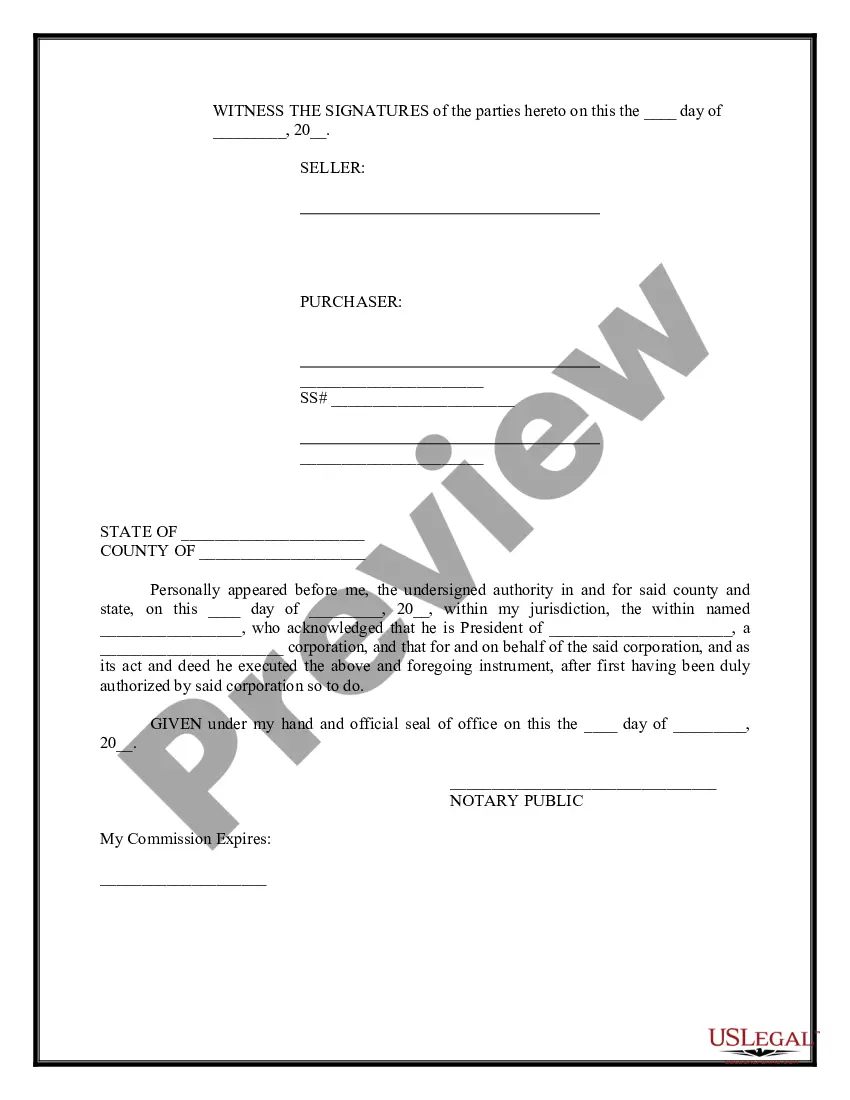
Get your form ready online
Our built-in tools help you complete, sign, share, and store your documents in one place.
Make edits, fill in missing information, and update formatting in US Legal Forms—just like you would in MS Word.
Download a copy, print it, send it by email, or mail it via USPS—whatever works best for your next step.
Sign and collect signatures with our SignNow integration. Send to multiple recipients, set reminders, and more. Go Premium to unlock E-Sign.
If this form requires notarization, complete it online through a secure video call—no need to meet a notary in person or wait for an appointment.
We protect your documents and personal data by following strict security and privacy standards.

Make edits, fill in missing information, and update formatting in US Legal Forms—just like you would in MS Word.

Download a copy, print it, send it by email, or mail it via USPS—whatever works best for your next step.

Sign and collect signatures with our SignNow integration. Send to multiple recipients, set reminders, and more. Go Premium to unlock E-Sign.

If this form requires notarization, complete it online through a secure video call—no need to meet a notary in person or wait for an appointment.

We protect your documents and personal data by following strict security and privacy standards.
Looking for another form?









Form popularity
FAQ
The 50% rule or 50 rule in real estate says that half of the gross income generated by a rental property should be allocated to operating expenses when determining profitability. The rule is designed to help investors avoid the mistake of underestimating expenses and overestimating profits.
Top Apartment Rental Platforms: 2024 Edition RENTCafé Realtor. HotPads. PadMapper. Walk Score. ForRent. Rent. Trulia.
One popular guideline is the 30% rent rule, which says to spend around 30% of your gross income on rent. So if you earn $4,000 per month before taxes, you could spend up to about $1,200 per month on rent.
Rent Philly is a Condo Shops (TCS) Rental Portal. We are the largest purveyor of the finest apartment and condominium rentals in the Philadelphia Area.
How to Rent Out Your House in Virginia Understand Laws and Regulations. Familiarize yourself with the local and state landlord-tenant laws. Prepare Your Property. Determine the Rent Amount. Market Your Property. Screen Potential Tenants. Create a Lease Agreement. Collect a Security Deposit. Set Up a System for Rent Collection.
How to Rent Out Your House in Virginia Understand Laws and Regulations. Familiarize yourself with the local and state landlord-tenant laws. Prepare Your Property. Determine the Rent Amount. Market Your Property. Screen Potential Tenants. Create a Lease Agreement. Collect a Security Deposit. Set Up a System for Rent Collection.
Have a property management plan. Invest in additional insurance. Set a rental rate. Advertise your house for rent. Screen potential tenants. Create and sign a lease agreement. Store security deposits in a safe place. Re-key the locks.
In Virginia, the requirement for a business license to rent out property depends on the specific county or city. Some localities require business licenses for rental properties, especially if the rental income exceeds a certain threshold or if the landlord owns multiple properties.
What does it take to be a Landlord in Virginia? Adhere to All State Specific Regulations. Disclose Legally Required Items. Follow All Fair Housing Laws. Comply with State Security Deposit Limits and Rules. Provide Safe and Habitable Housing. Use a Legally Binding Rental Agreement. Right of Entry.
It is possible to draft your own lease agreement, but you are leaving yourself open to issues.