Forfeiture Clause Real Estate In Bexar
Description

Get your form ready online
Our built-in tools help you complete, sign, share, and store your documents in one place.
Make edits, fill in missing information, and update formatting in US Legal Forms—just like you would in MS Word.
Download a copy, print it, send it by email, or mail it via USPS—whatever works best for your next step.
Sign and collect signatures with our SignNow integration. Send to multiple recipients, set reminders, and more. Go Premium to unlock E-Sign.
If this form requires notarization, complete it online through a secure video call—no need to meet a notary in person or wait for an appointment.
We protect your documents and personal data by following strict security and privacy standards.

Make edits, fill in missing information, and update formatting in US Legal Forms—just like you would in MS Word.

Download a copy, print it, send it by email, or mail it via USPS—whatever works best for your next step.

Sign and collect signatures with our SignNow integration. Send to multiple recipients, set reminders, and more. Go Premium to unlock E-Sign.

If this form requires notarization, complete it online through a secure video call—no need to meet a notary in person or wait for an appointment.

We protect your documents and personal data by following strict security and privacy standards.
Looking for another form?







Form popularity
FAQ
Legal Framework in Texas In Texas, civil asset forfeiture is governed by Chapter 59 of the Texas Code of Criminal Procedure. The law allows the state to seize property that is: Used in the commission of a felony.
A bond forfeiture case is filed when a misdemeanor defendant failed to appear for a hearing or trial. If an answer is not filed in a timely fashion, the plaintiff may take a default judgment. For case information or citation inquiries, contact our Bond Forfeiture Department at 210-335-2237.
In law, a forfeiture is the loss of rights or goods due to not fulfilling some obligation. For example, failing to make car payments to a bank can result in the forfeiture of your car. the act of losing or surrendering something as a penalty for a mistake or fault or failure to perform etc.
The people shall be secure in their persons, houses, papers and possessions, from all unreasonable seizures or searches, and no warrant to search any place, or to seize any person or thing, shall issue without describing them as near as may be, nor without probable cause, supported by oath or affirmation.
Texas civil asset forfeitures are cases against the property, not the owner. In these cases, the state must prove by a “preponderance of the evidence” (i.e., more likely than not) that the property is connected to criminal activity.
Administrative forfeiture is an in rem action that permits the federal seizing agency to forfeit the property without judicial involvement. The authority for a seizing agency to start an administrative forfeiture action is found in the Tariff Act of 1930, 19 U.S.C. § 1607.
You can recover your car from the vehicle storage facility (VSF) after documenting that you are the owner (or allowed user) and paying the towing and storage fees. At the VSF, you may have access to your car to get ownership documents or recover personal property from inside the car.
Rule 588 Motion for Return of Property reads: A person aggrieved by a search and seizure, whether or not executed pursuant to a warrant, may move for the return of the property on the ground that he or she is entitled to lawful possession thereof.
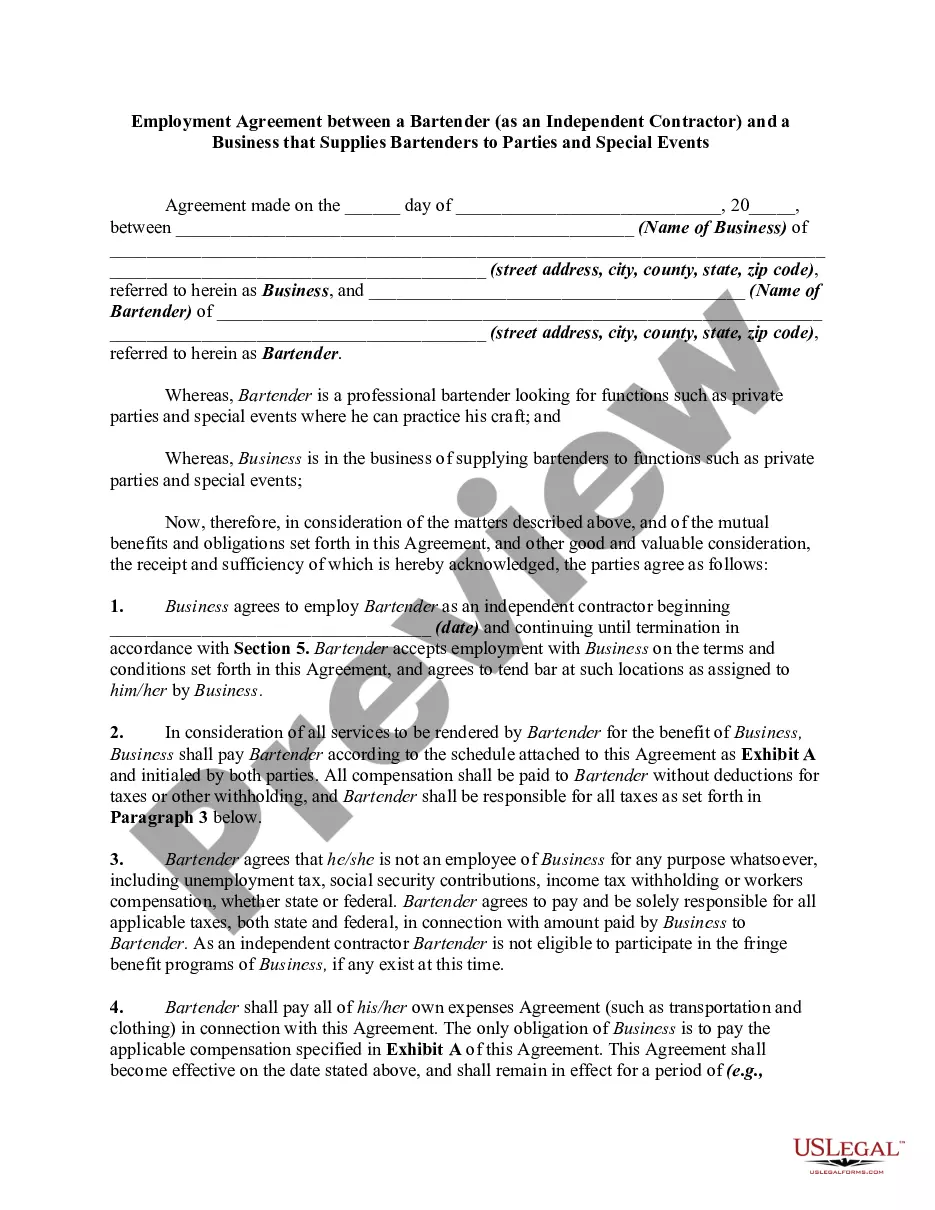
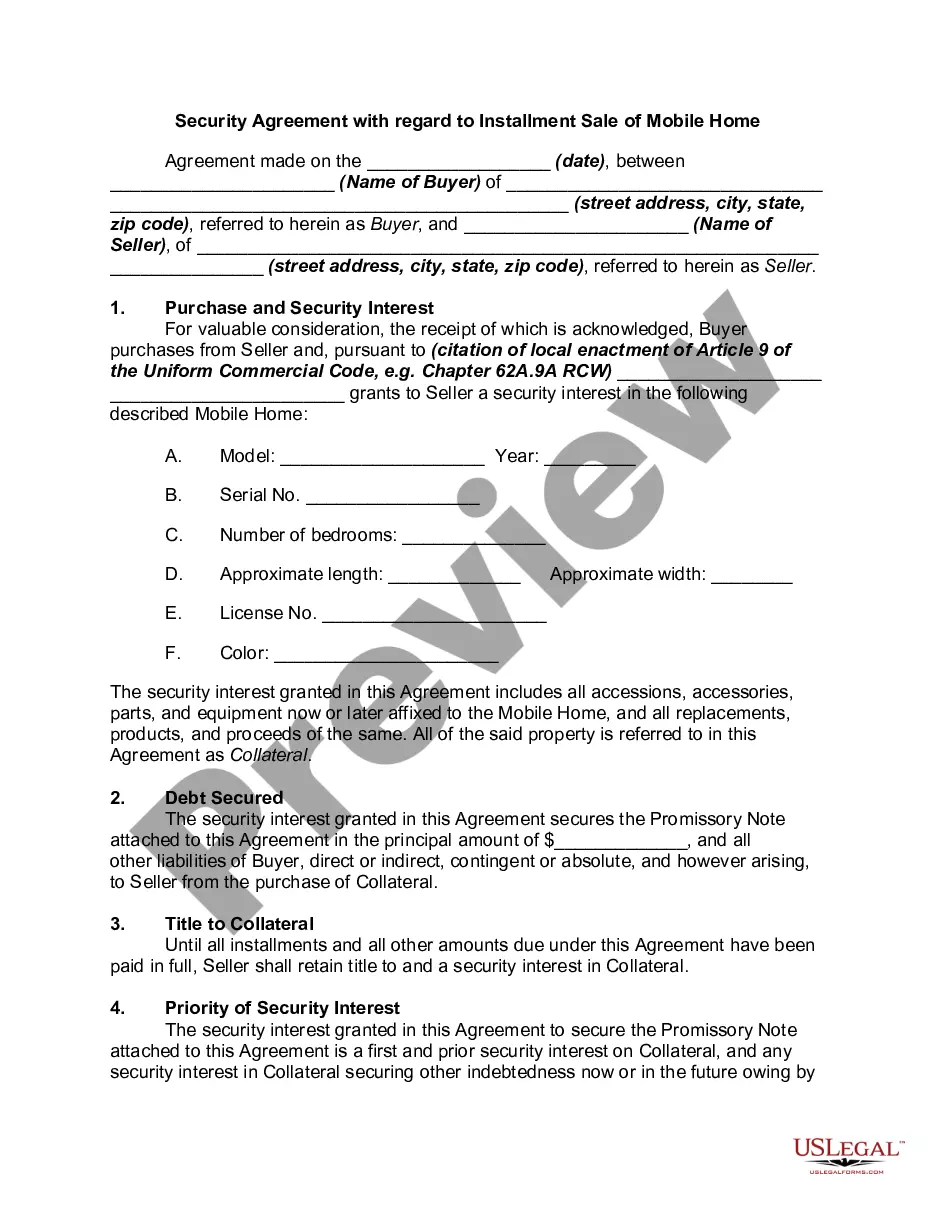
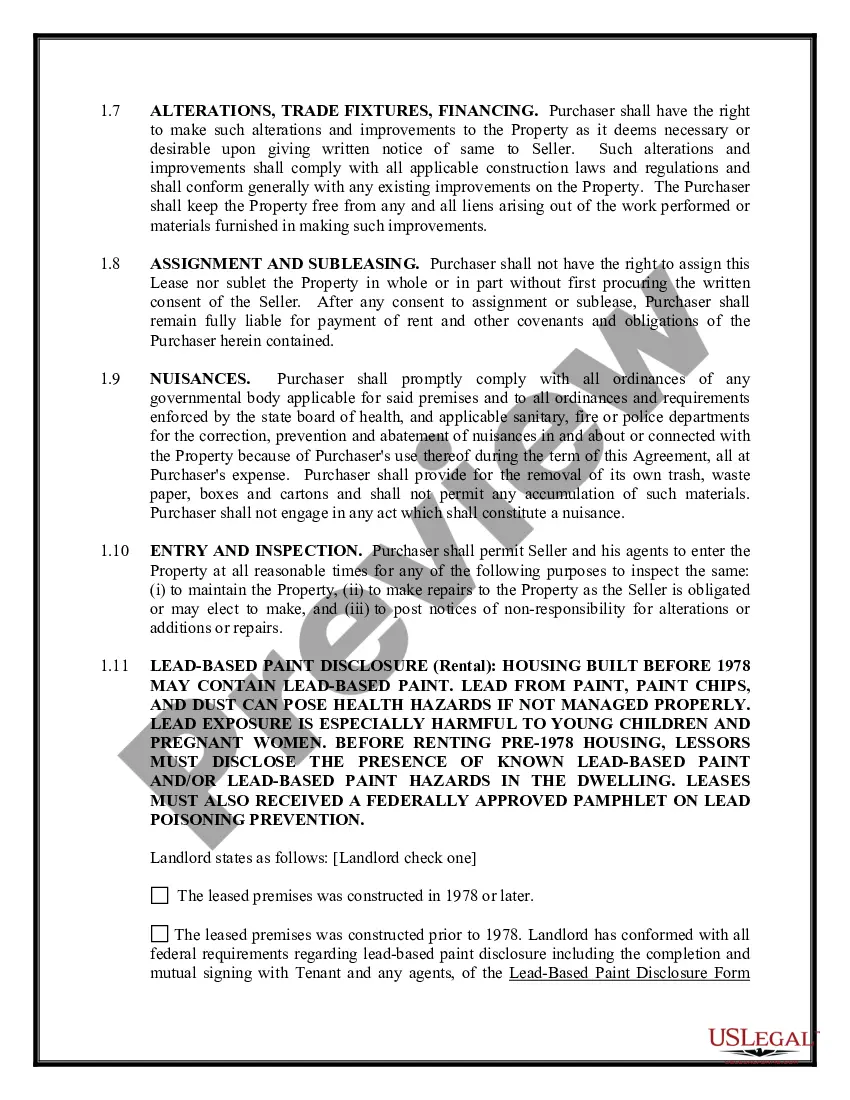
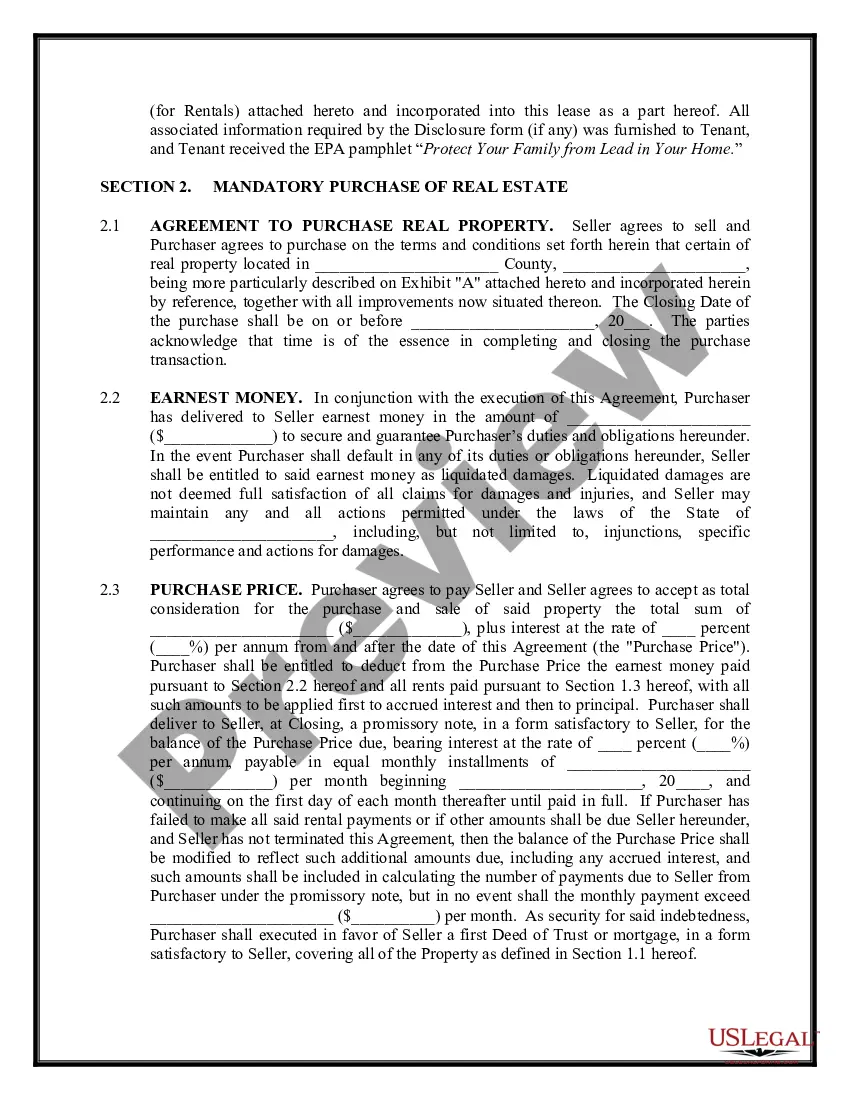
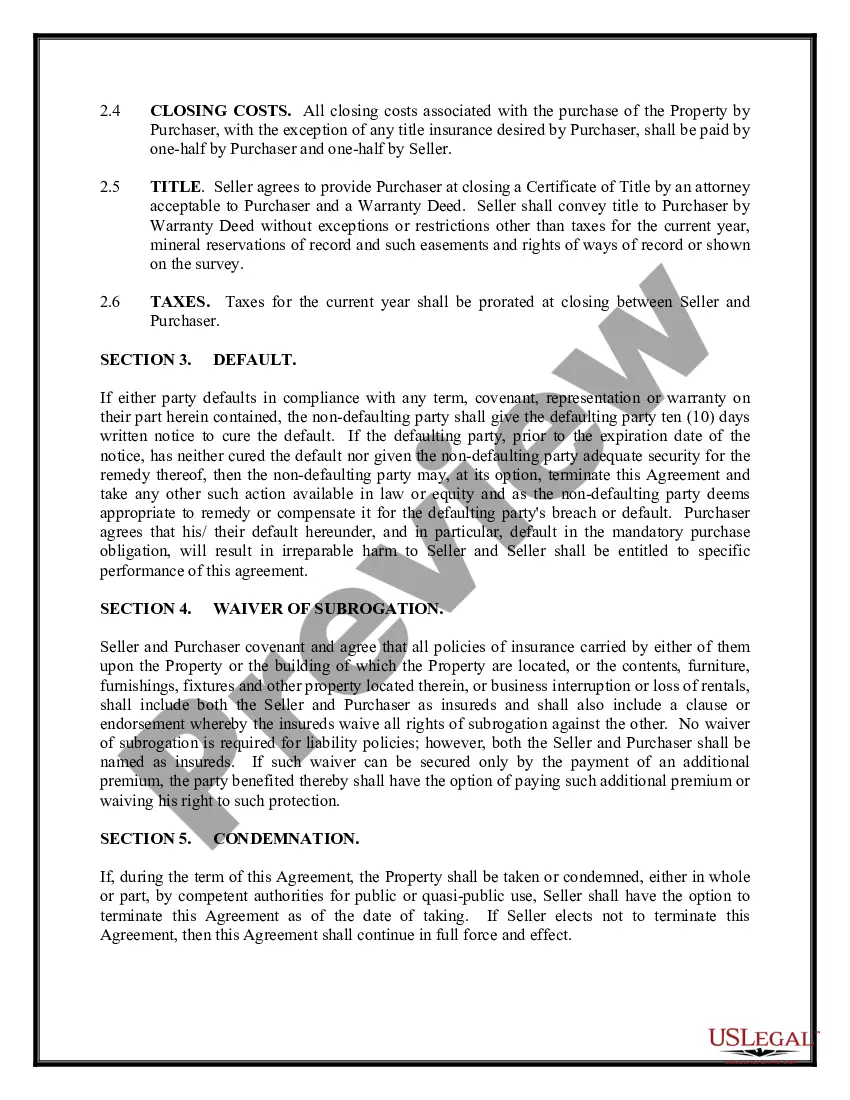
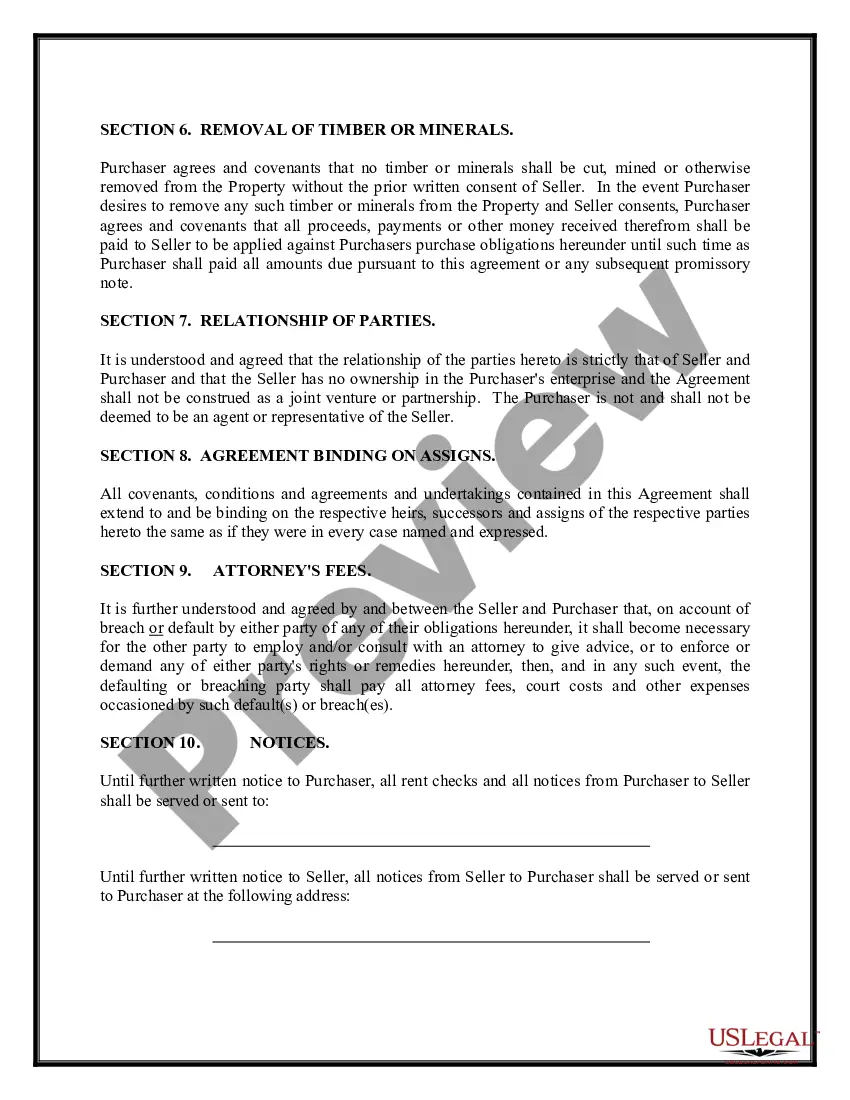
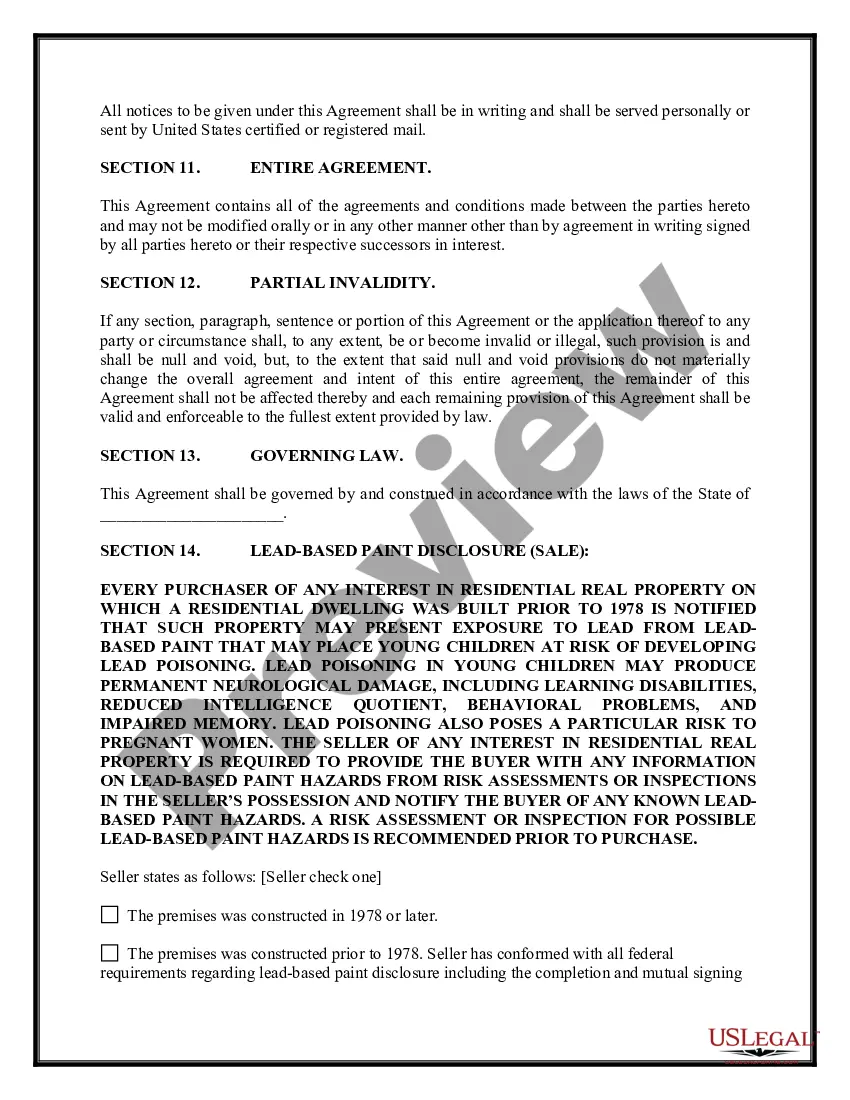
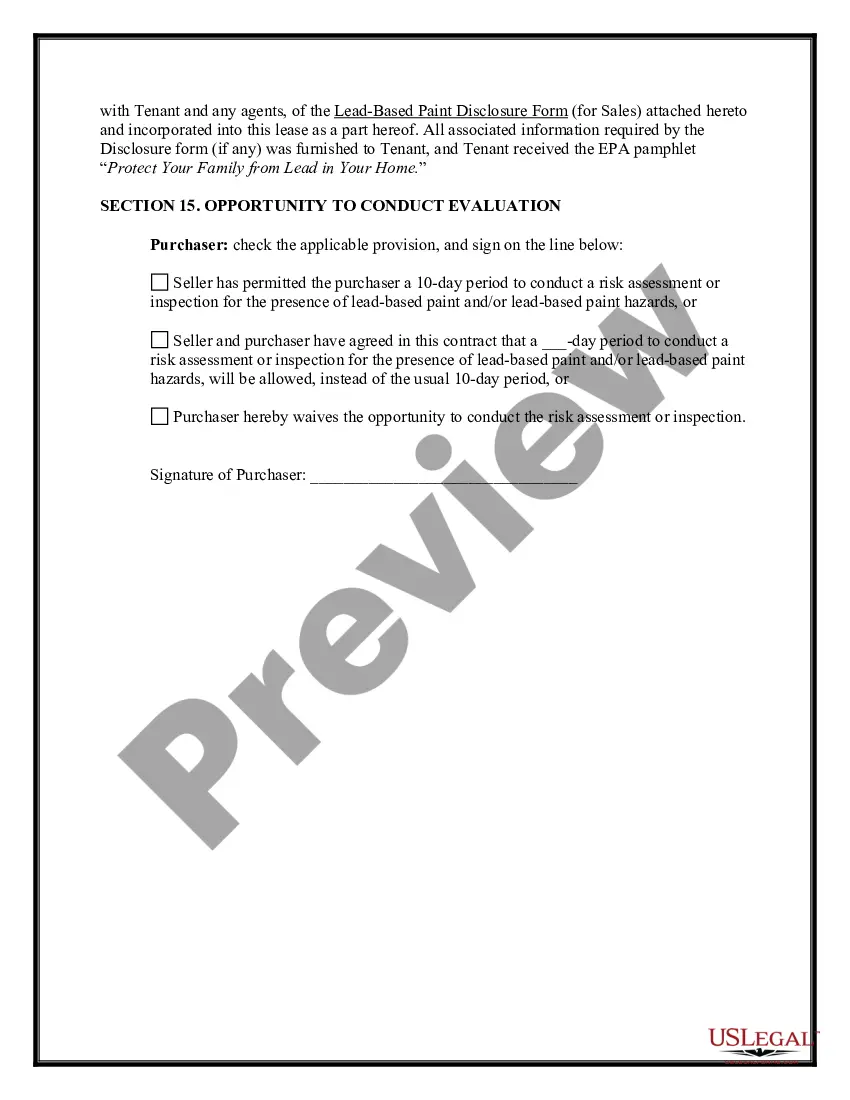
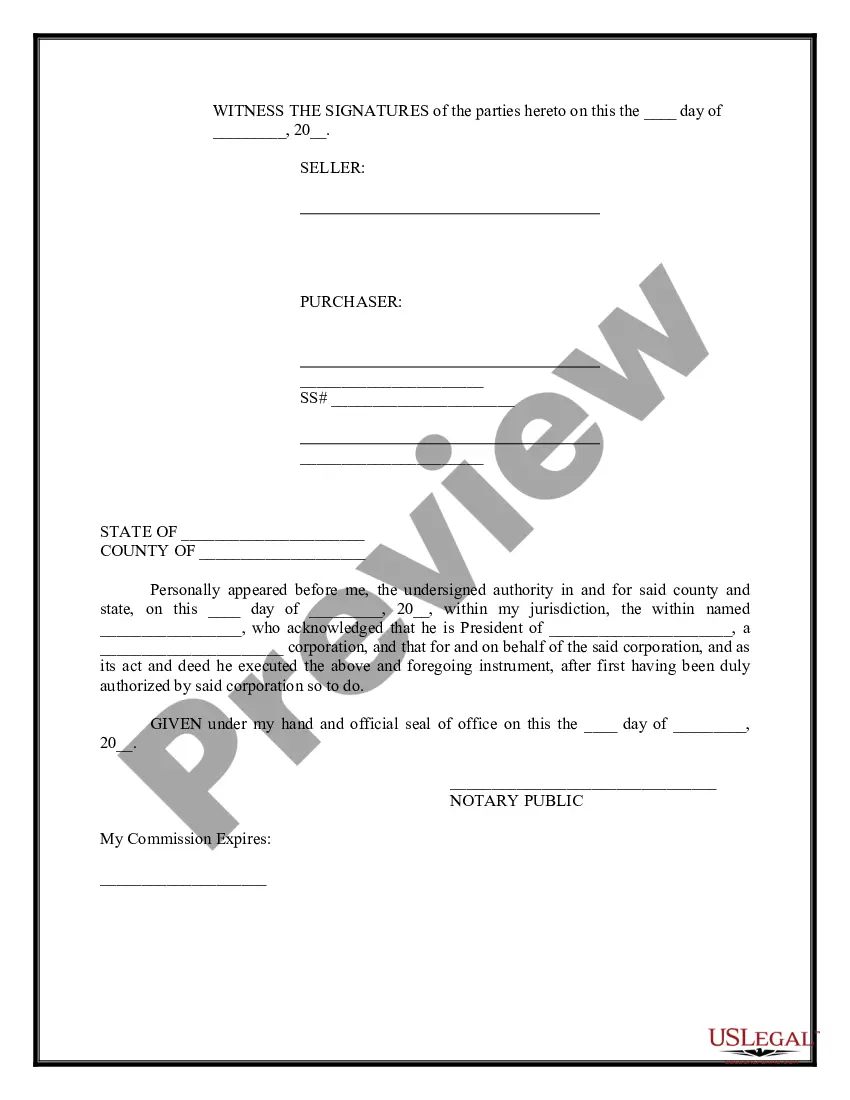
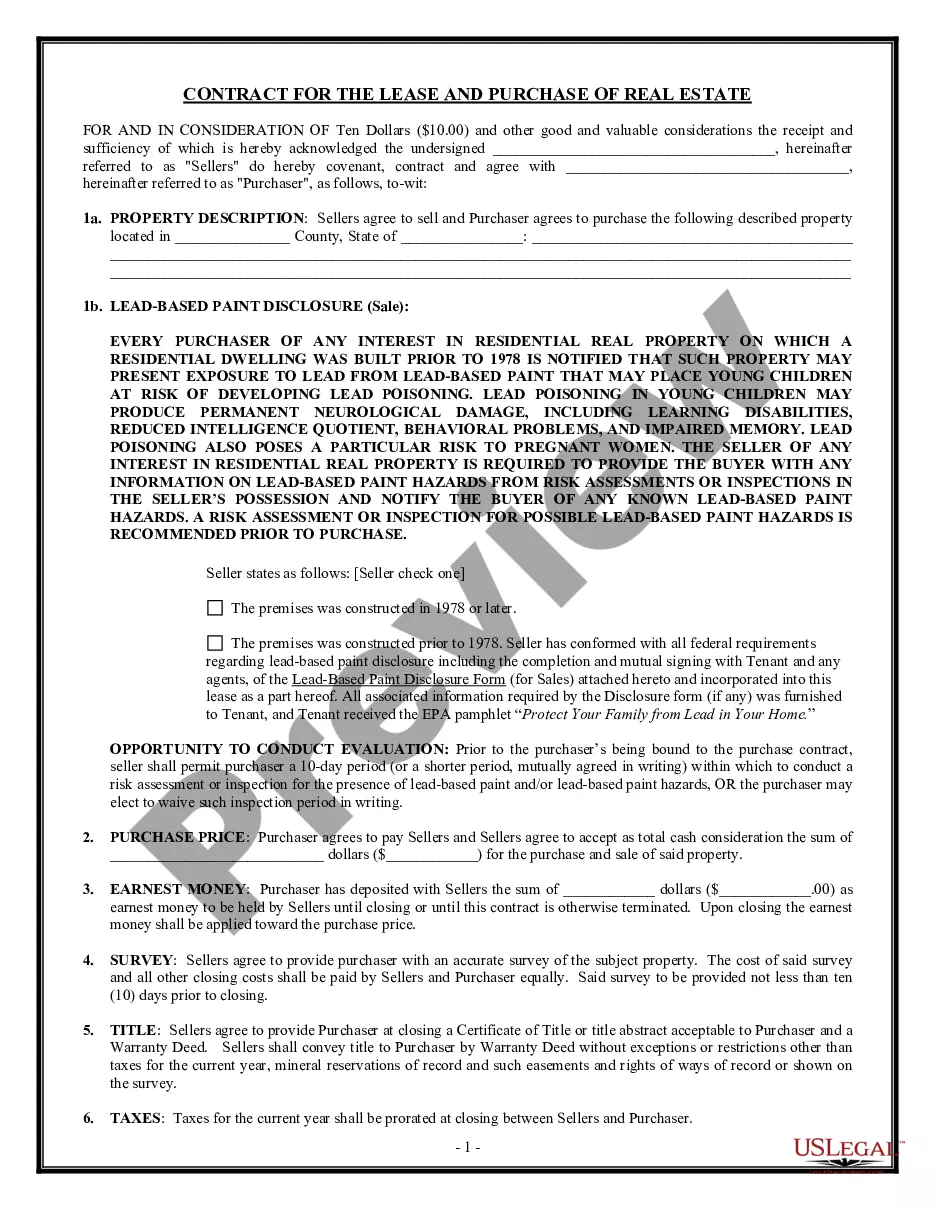
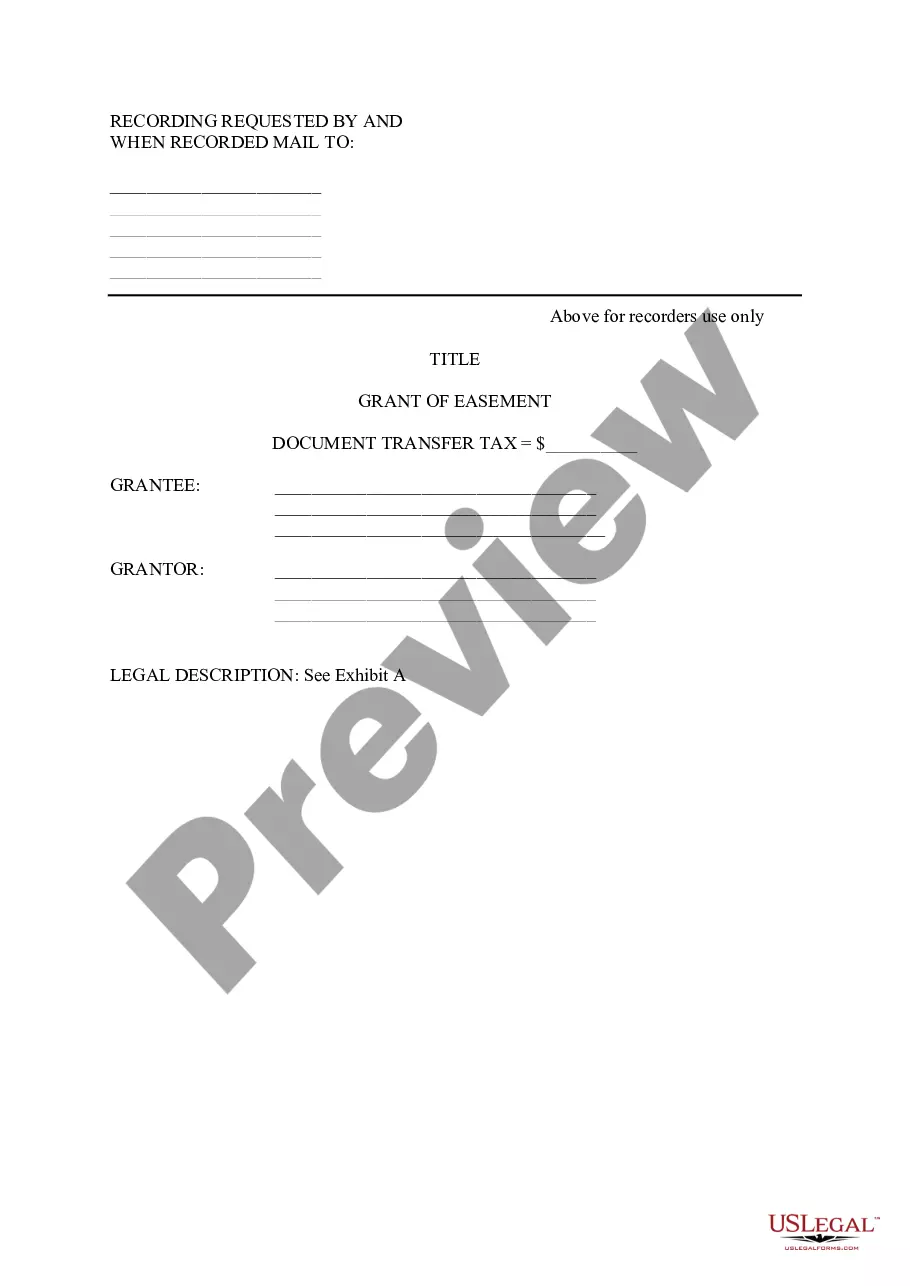
A forfeiture clause in real estate is a seller's remedy that allows a seller to take back property purchased on a land installment contract if the buyer defaults on payments. While some contracts may offer a grace period to make up payments, this isn't always the case.