Real Estate Contract Clauses Examples In Arizona
Description

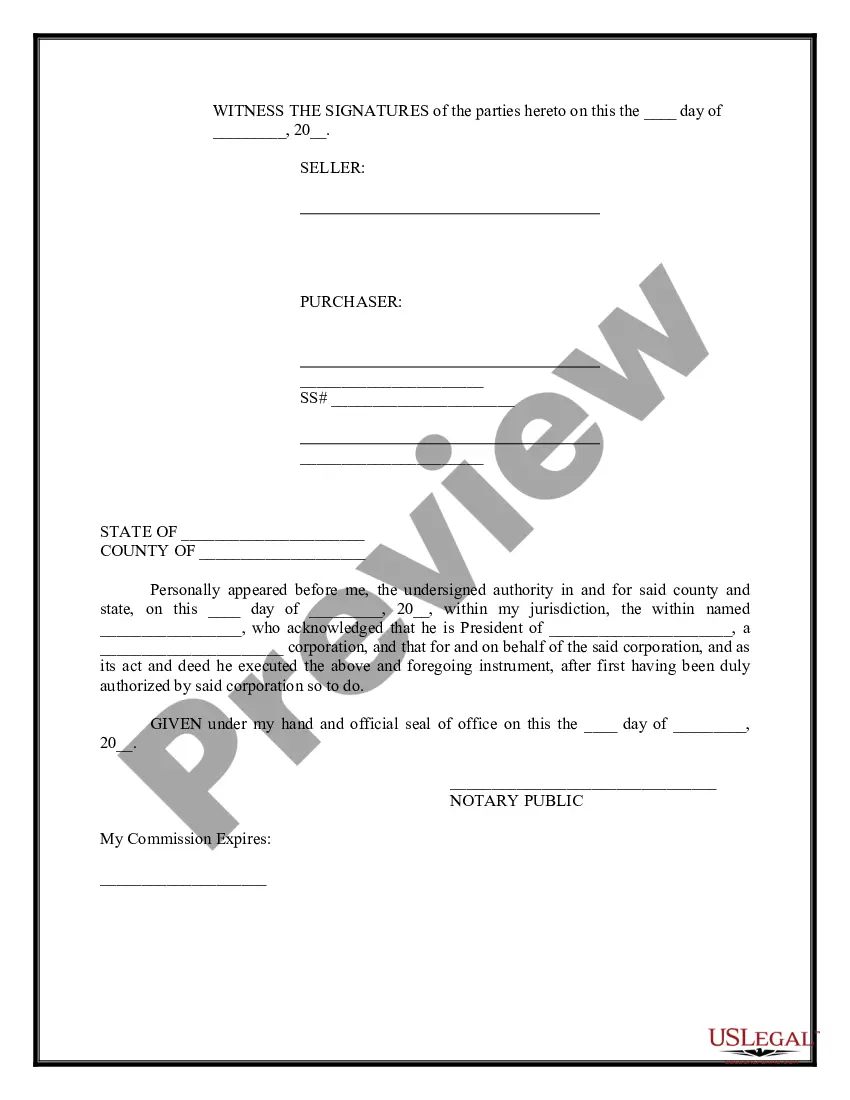
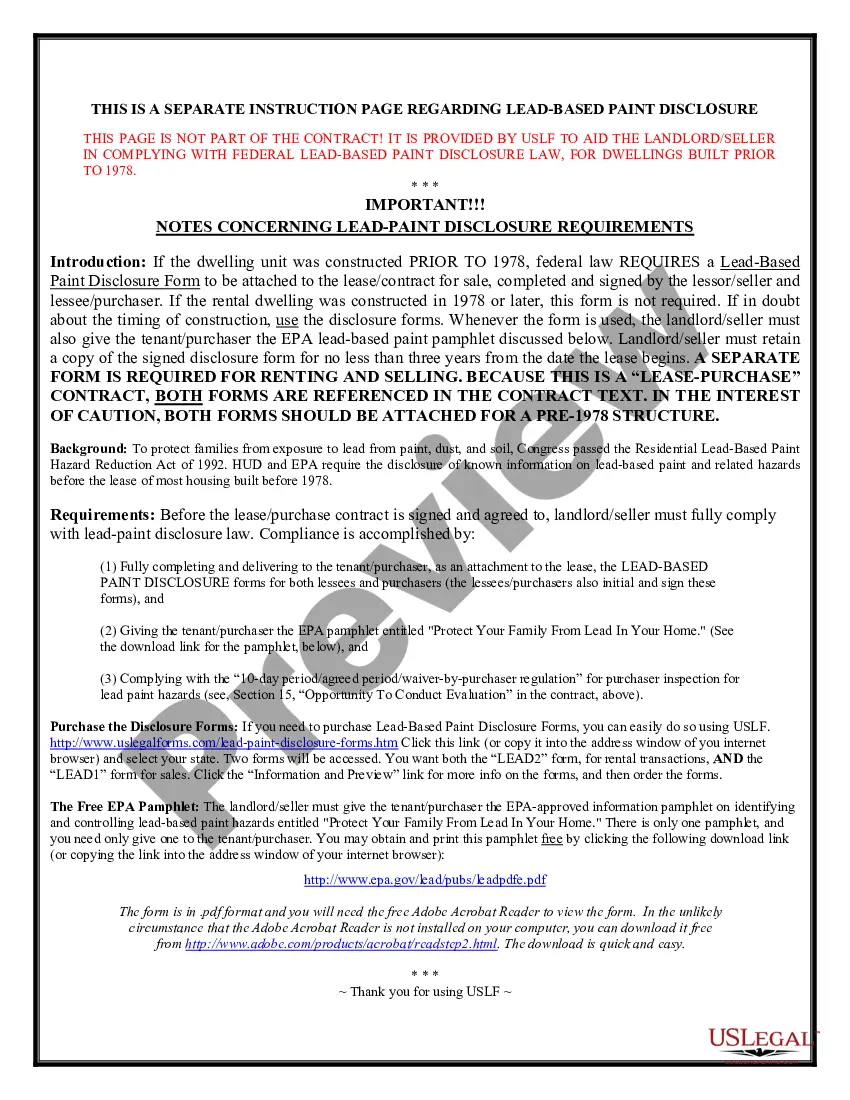
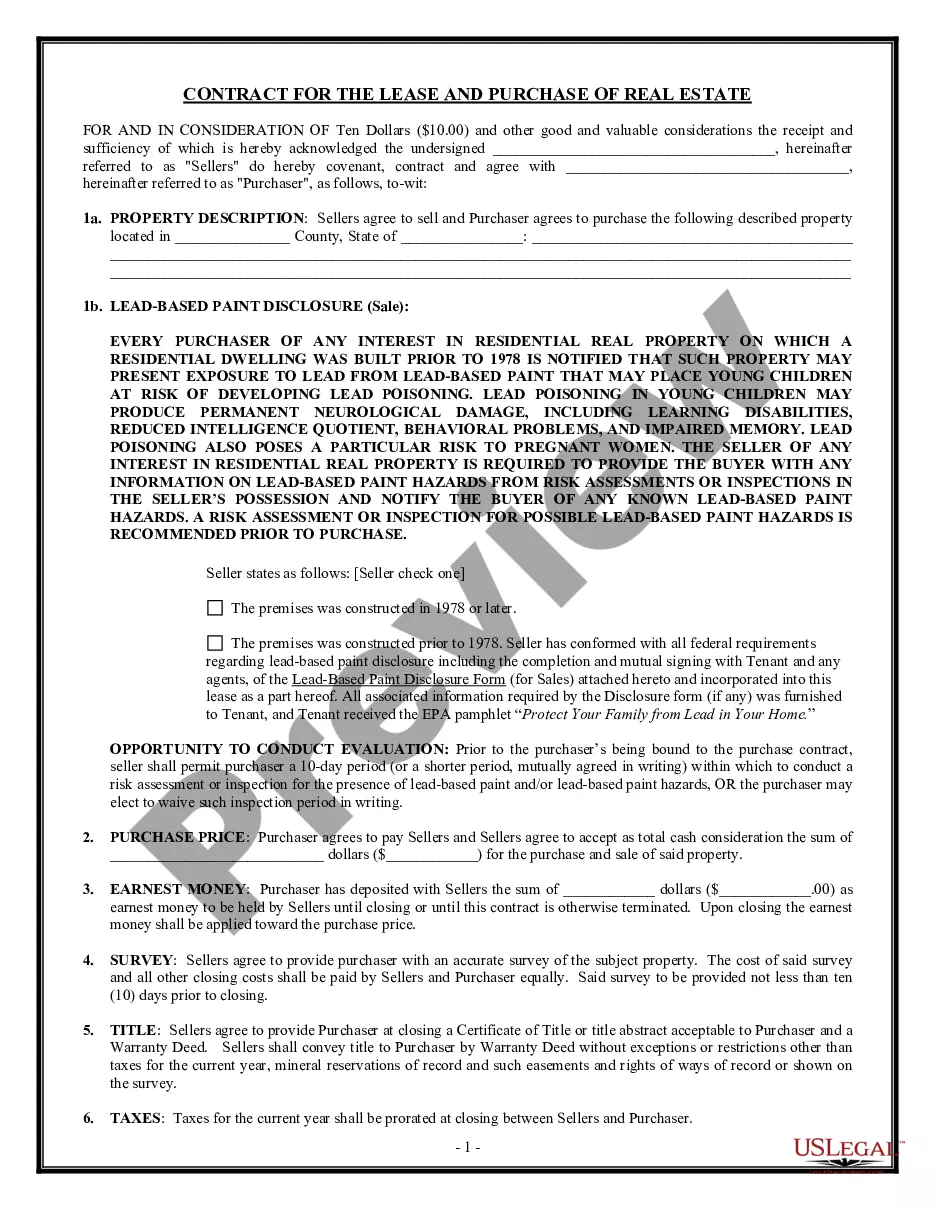
Get your form ready online
Our built-in tools help you complete, sign, share, and store your documents in one place.
Make edits, fill in missing information, and update formatting in US Legal Forms—just like you would in MS Word.
Download a copy, print it, send it by email, or mail it via USPS—whatever works best for your next step.
Sign and collect signatures with our SignNow integration. Send to multiple recipients, set reminders, and more. Go Premium to unlock E-Sign.
If this form requires notarization, complete it online through a secure video call—no need to meet a notary in person or wait for an appointment.
We protect your documents and personal data by following strict security and privacy standards.

Make edits, fill in missing information, and update formatting in US Legal Forms—just like you would in MS Word.

Download a copy, print it, send it by email, or mail it via USPS—whatever works best for your next step.

Sign and collect signatures with our SignNow integration. Send to multiple recipients, set reminders, and more. Go Premium to unlock E-Sign.

If this form requires notarization, complete it online through a secure video call—no need to meet a notary in person or wait for an appointment.

We protect your documents and personal data by following strict security and privacy standards.
Looking for another form?

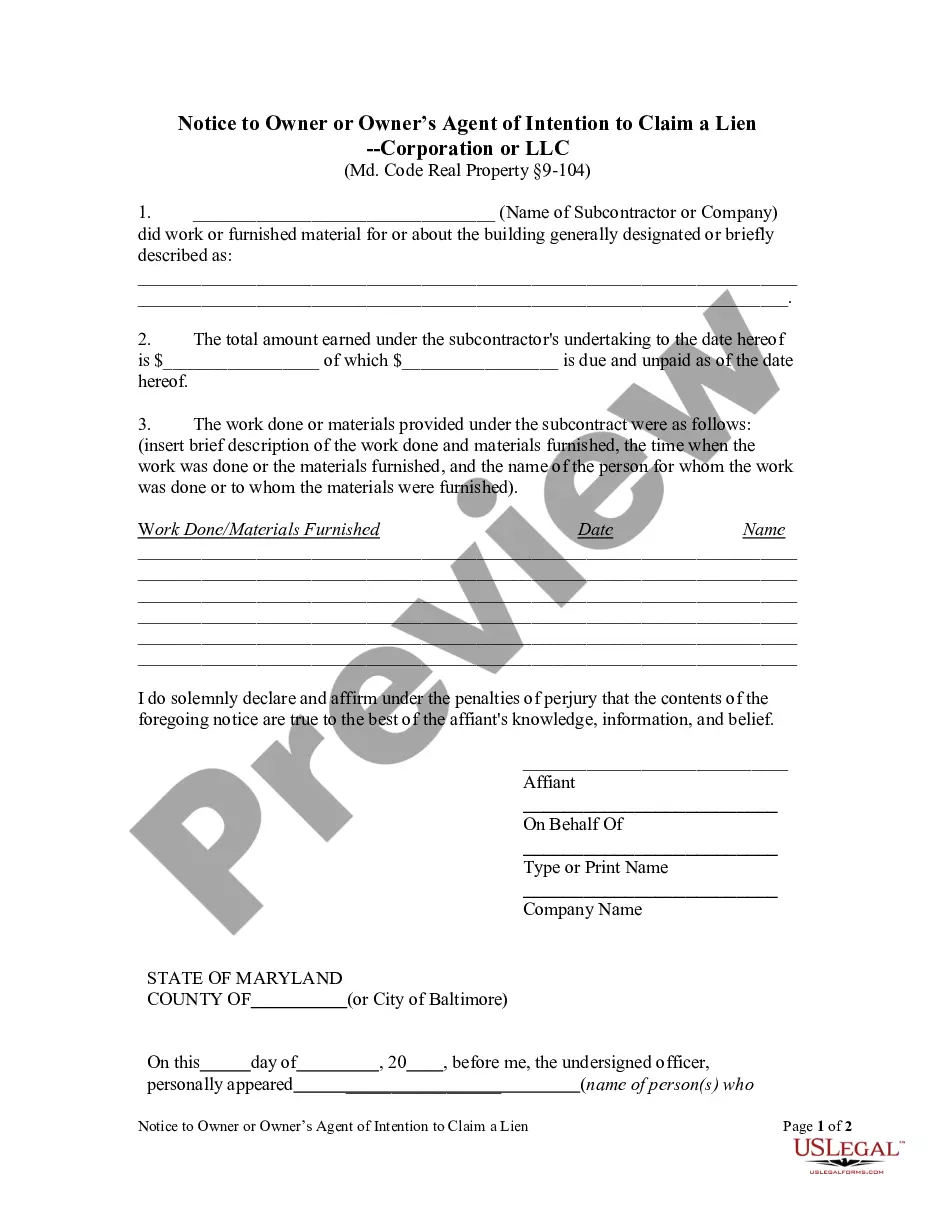



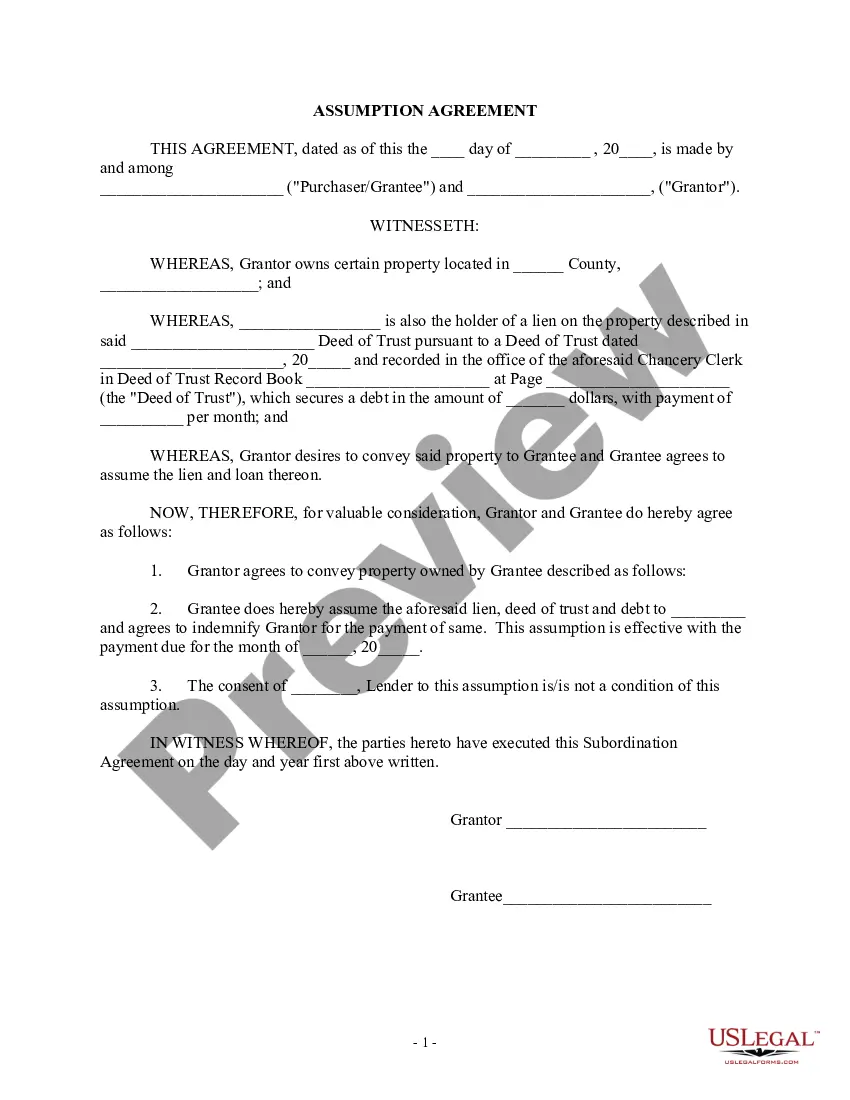

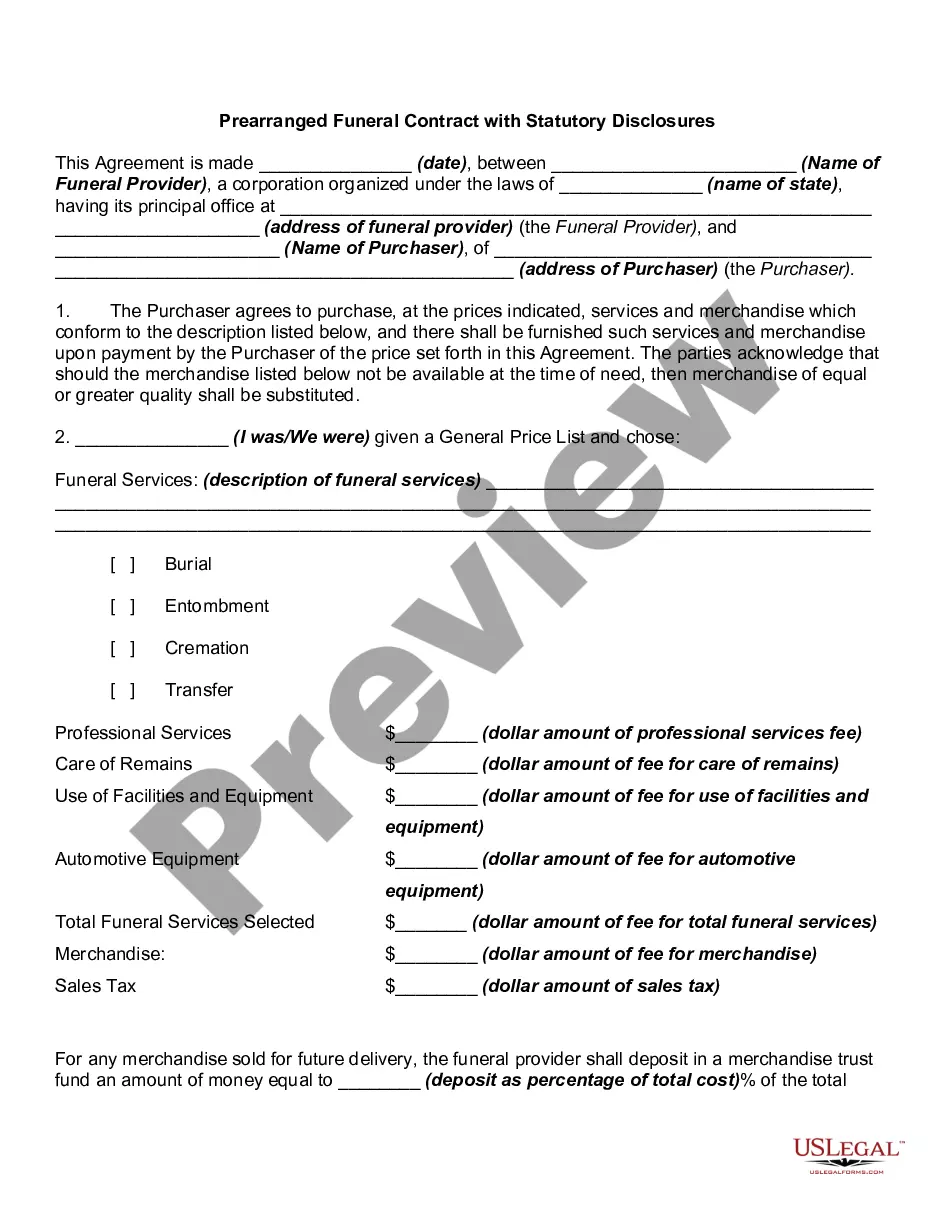

Form popularity
FAQ
Required Elements of a Real Estate Contract To establish legality, a real estate contract must include a legal purpose, legally competent parties, agreement by offer and acceptance, consideration, and consent.
These include indemnification, force majeure, copyright, termination, warranties and disclaimers, and privacy. Without including these important clauses in your business contracts, you may find yourself facing exorbitant legal fees, legal battles that could last for years, and intellectual property theft.
Eg. Conditional upon Buyer getting Financing (mortgage approval) or Conditional upon Inspection of the property by a home Inspector. If there is a Condition on Financing & Inspection (for example) for 5 days, it means the Seller has agreed to accept the Buyer's offer and can't accept any other offers.
Sample wording: “This agreement may be terminated by either party by providing 30 days written notice to the other party.” Change control clauses: Manage how changes to the contract or project scope are handled. Sample wording: “Any changes to the scope of work must be made in writing and agreed upon by both parties.”
Writing your own contracts is perfectly possible, and legal. But it's also an incredibly bad idea. There's two reasons for this: Property law is complicated. Because it's such a fundamental part of legislation, it's often lots and lots of different laws layered on top of each other.
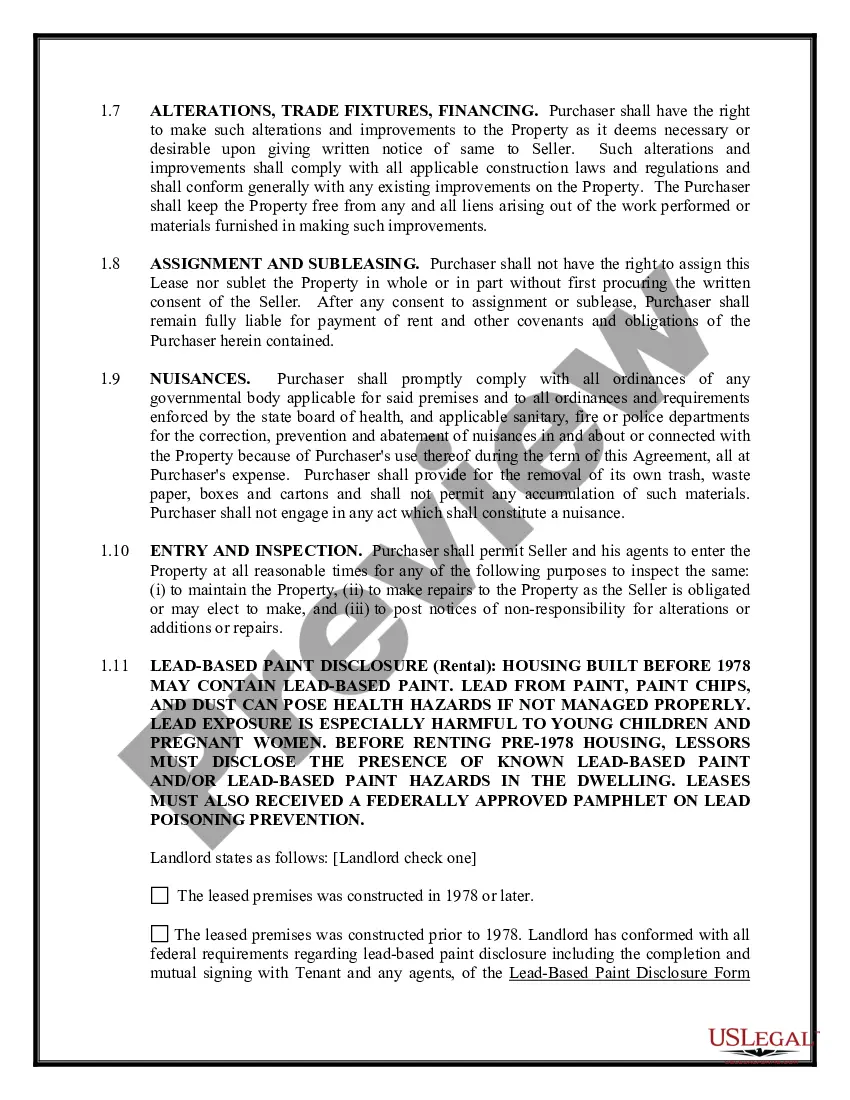
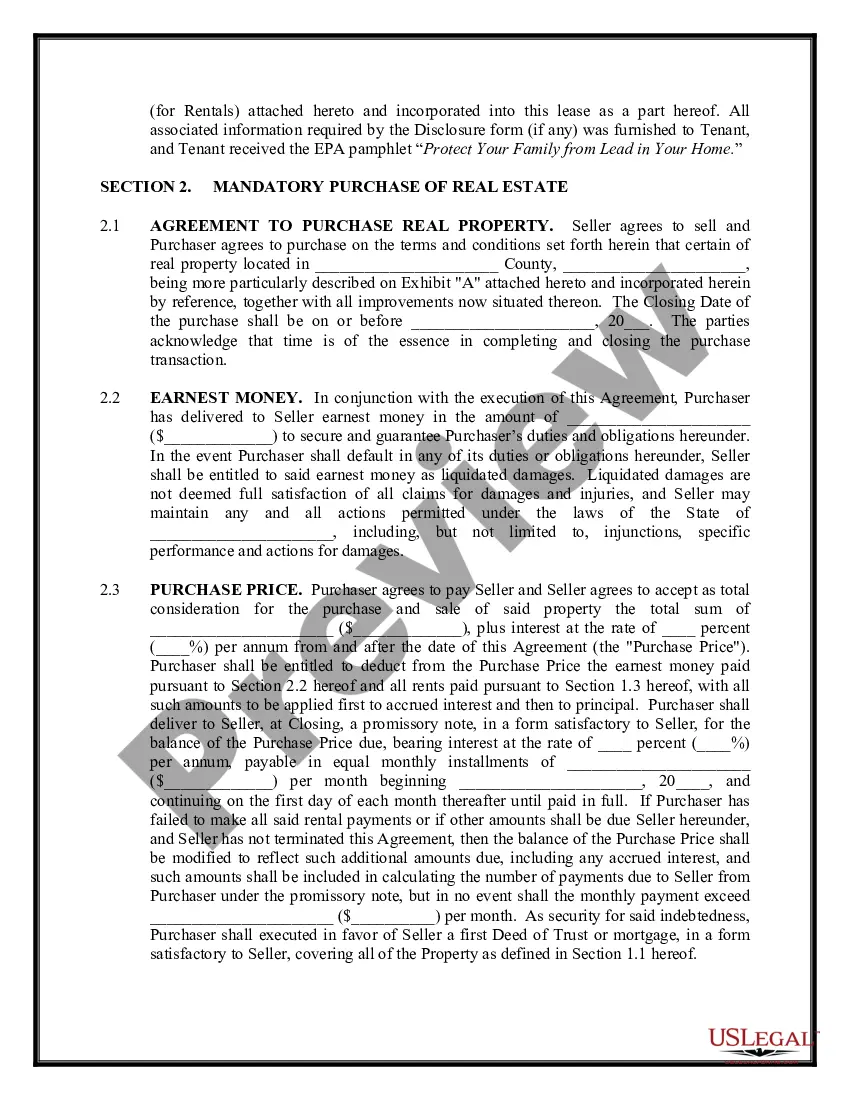
As explained, real estate contracts have clauses that outline the details of the transaction, including what each party is agreeing to and who has responsibilities in executing the sale. Most states have standardized agreements that have the necessary clauses included.
Example1: “The Buyer acknowledges that the property is being sold 'as is' with all faults and defects, whether known or unknown, presently existing or that may hereafter arise. The Seller makes no warranties or representations of any kind regarding the condition of the property.”
Required Elements of a Real Estate Contract To establish legality, a real estate contract must include a legal purpose, legally competent parties, agreement by offer and acceptance, consideration, and consent.
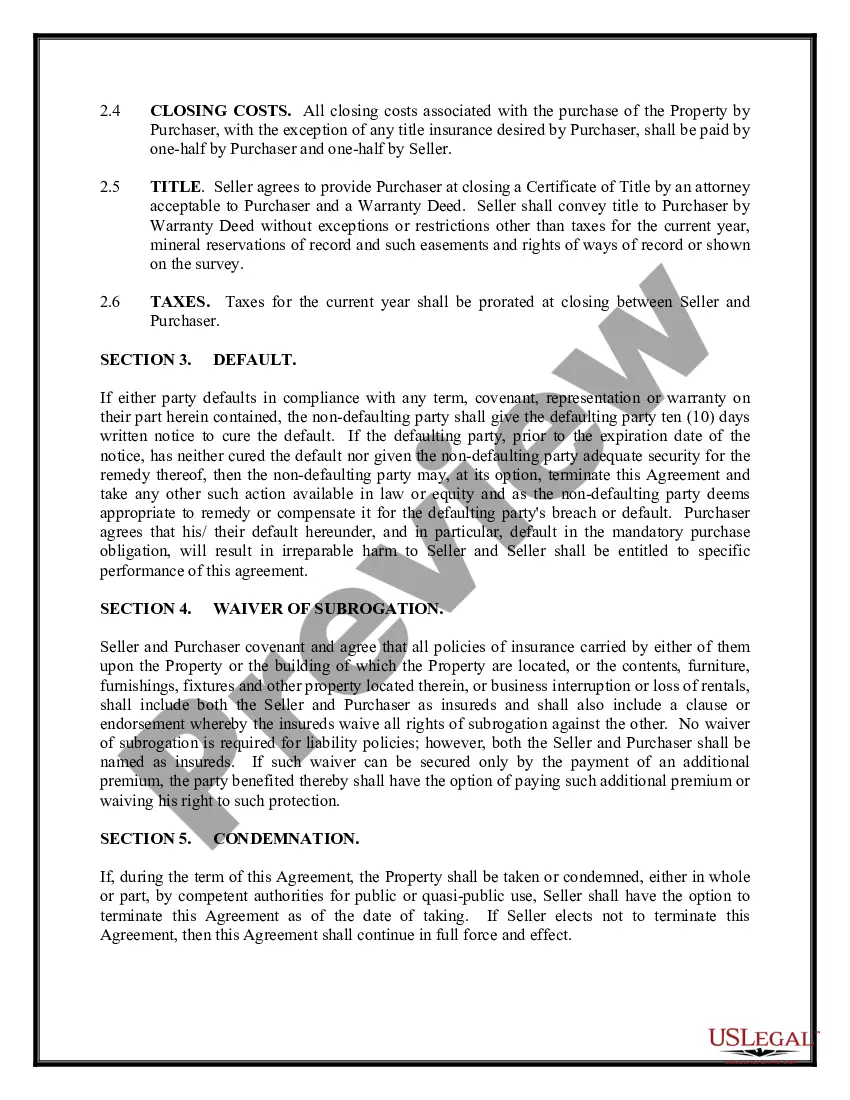
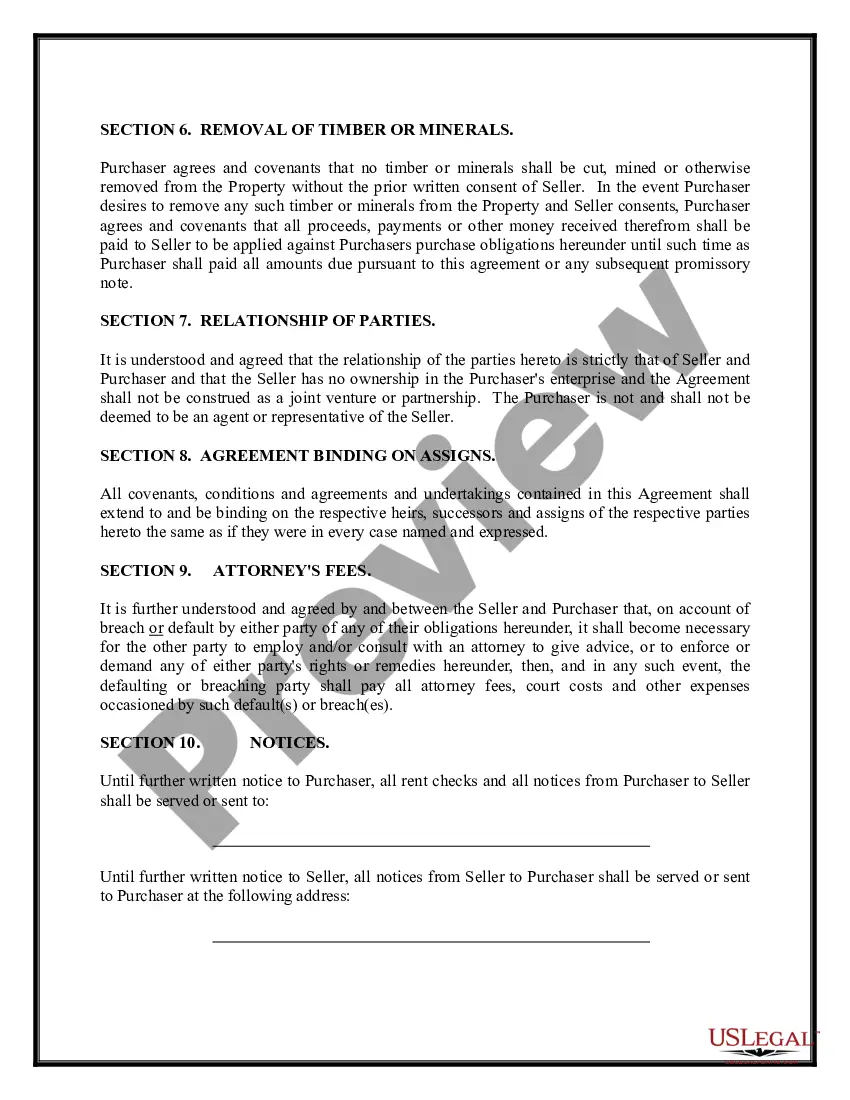
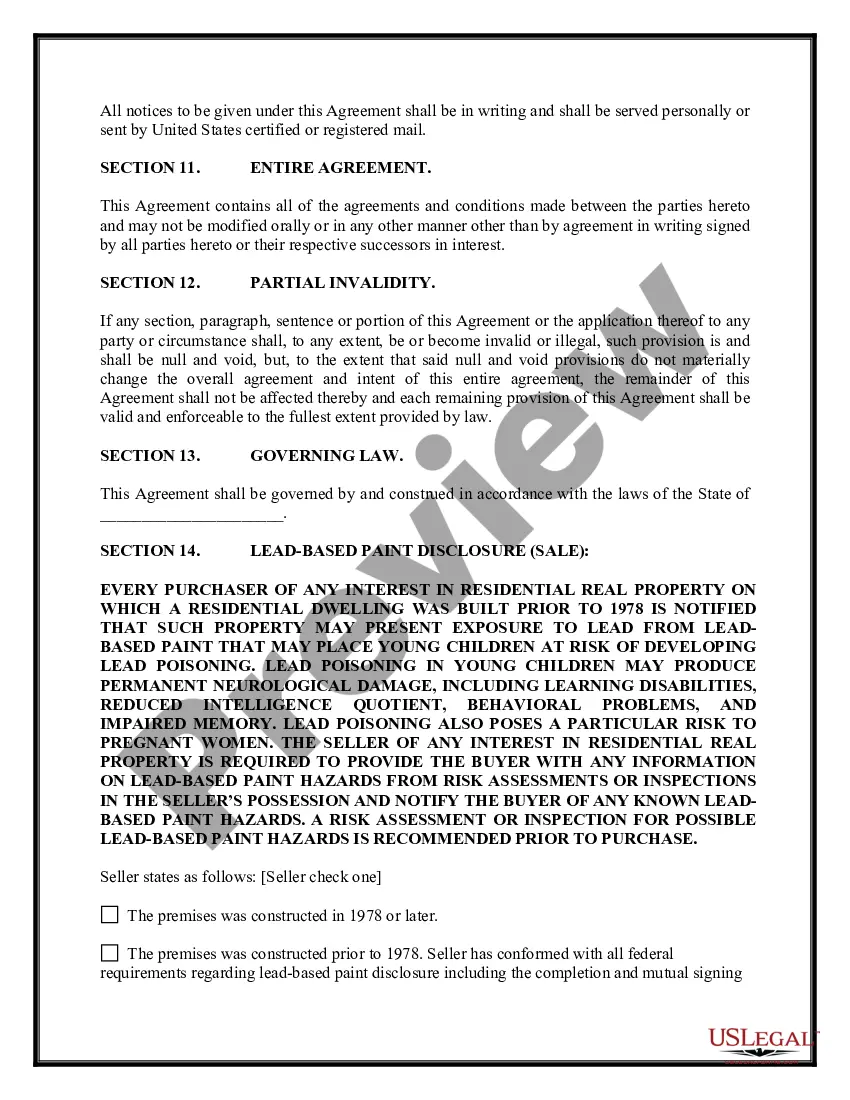
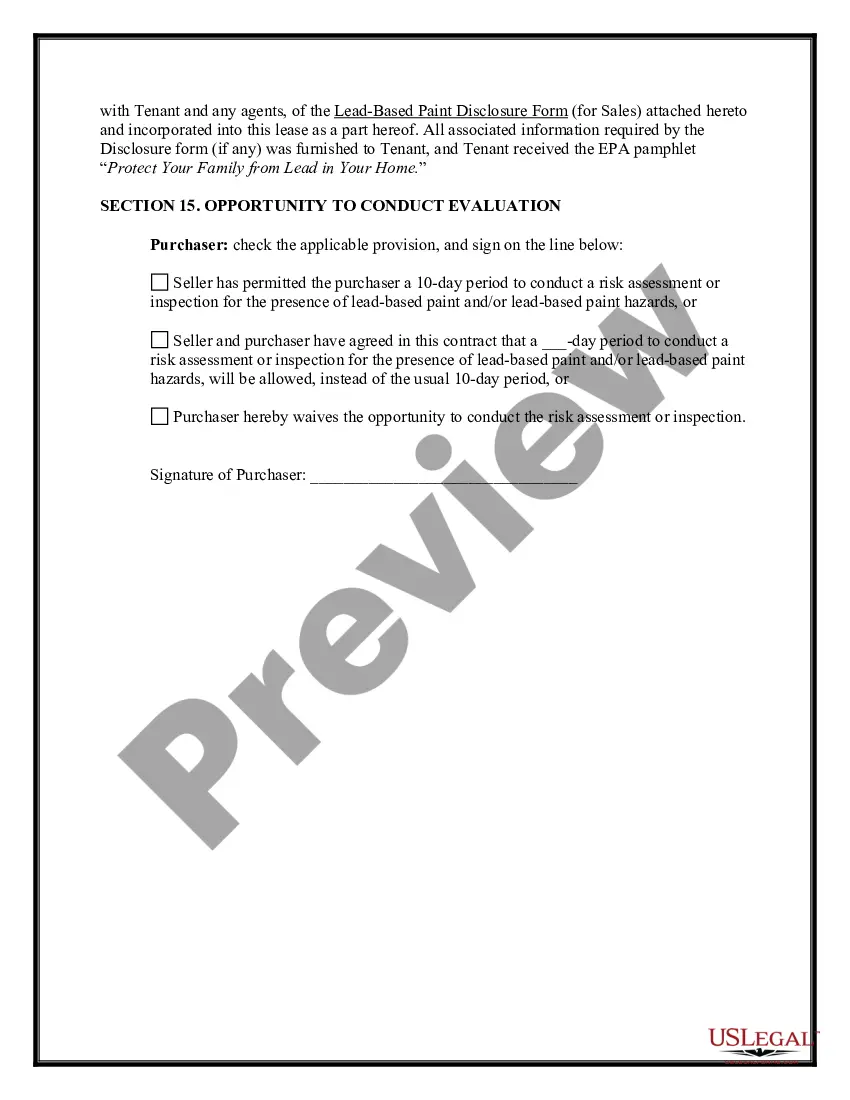
What are the features of a legally valid real estate contract in Arizona? Understanding the five essential features of a legally valid real estate contract in Arizona is fundamental. These features include mutual consent, capacity, consideration, a written format, and a proper description of the property.