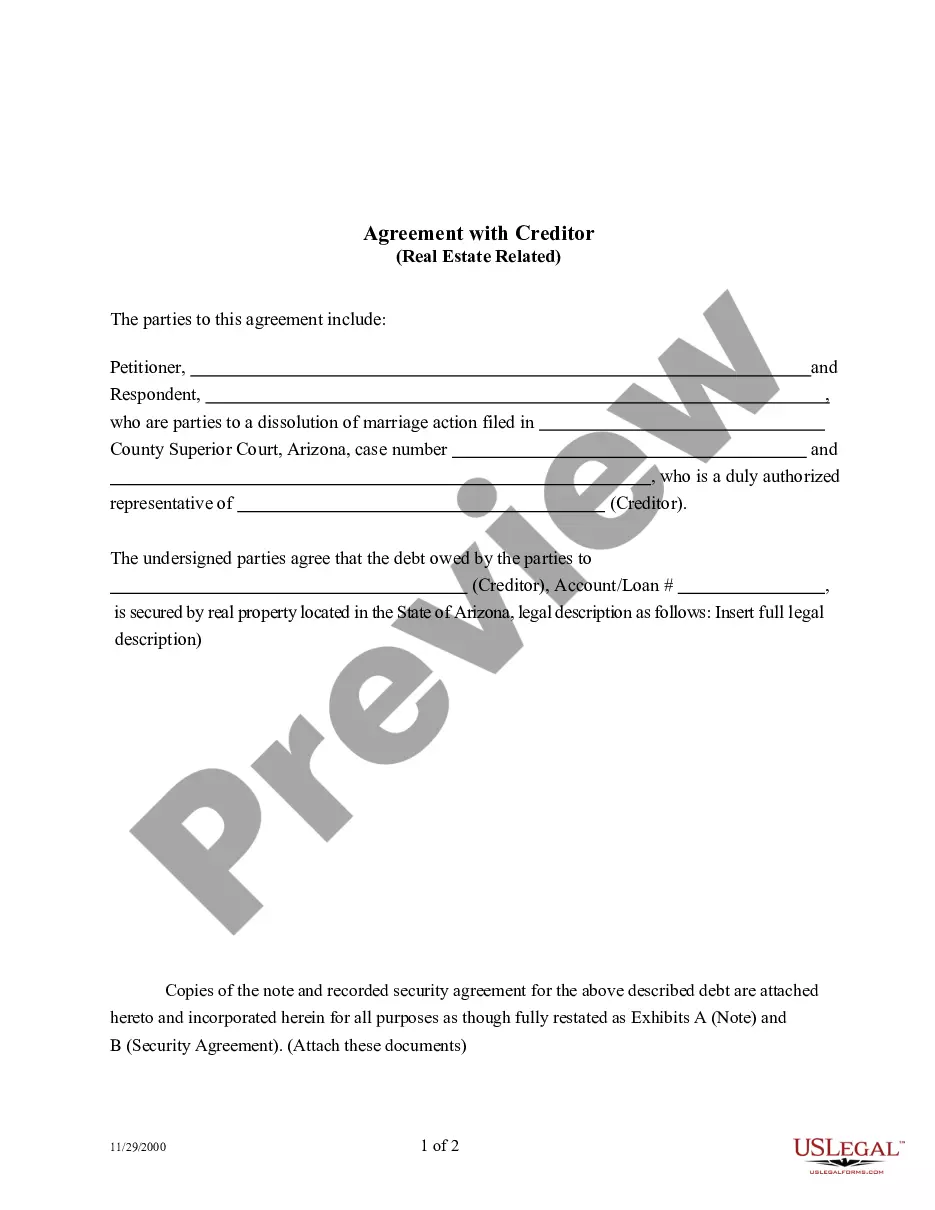
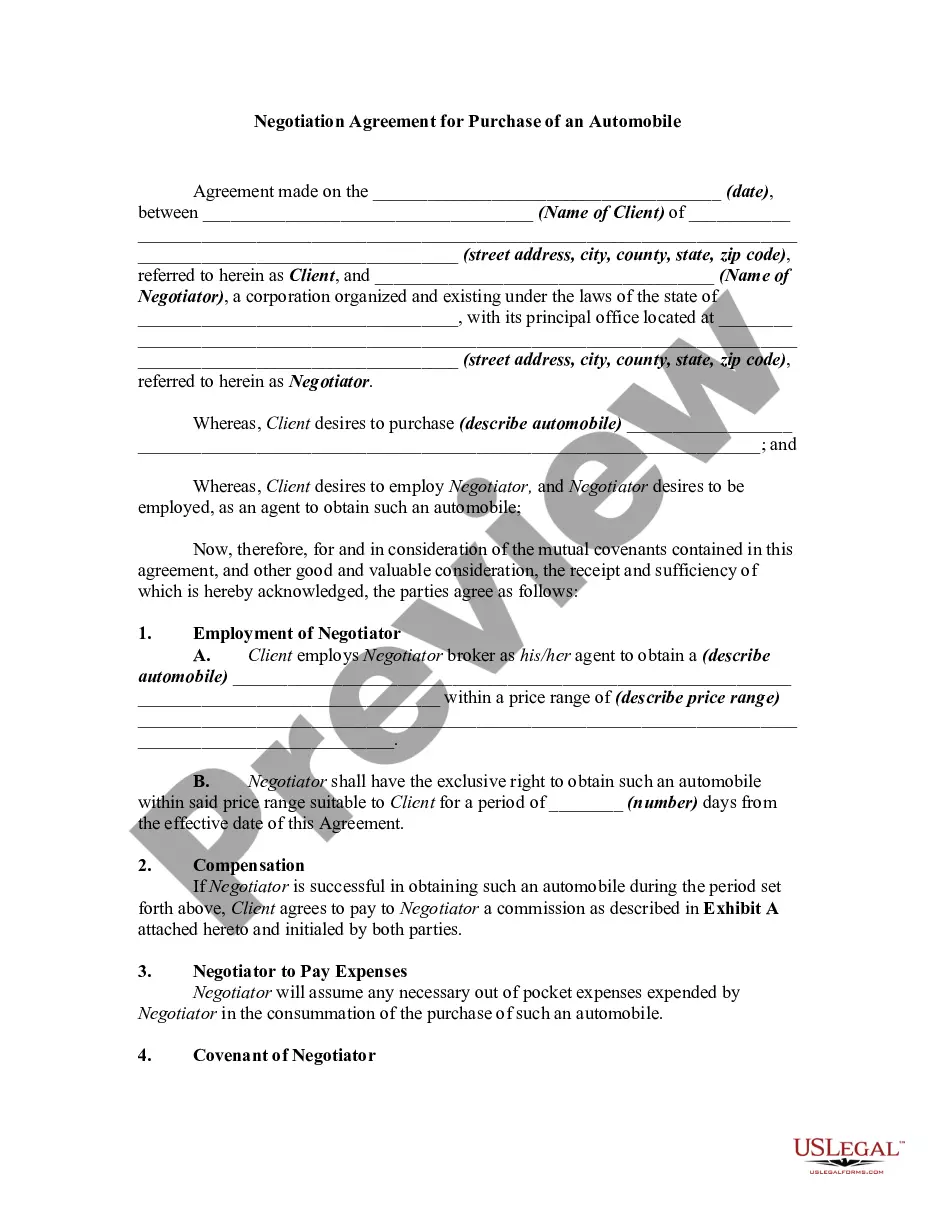
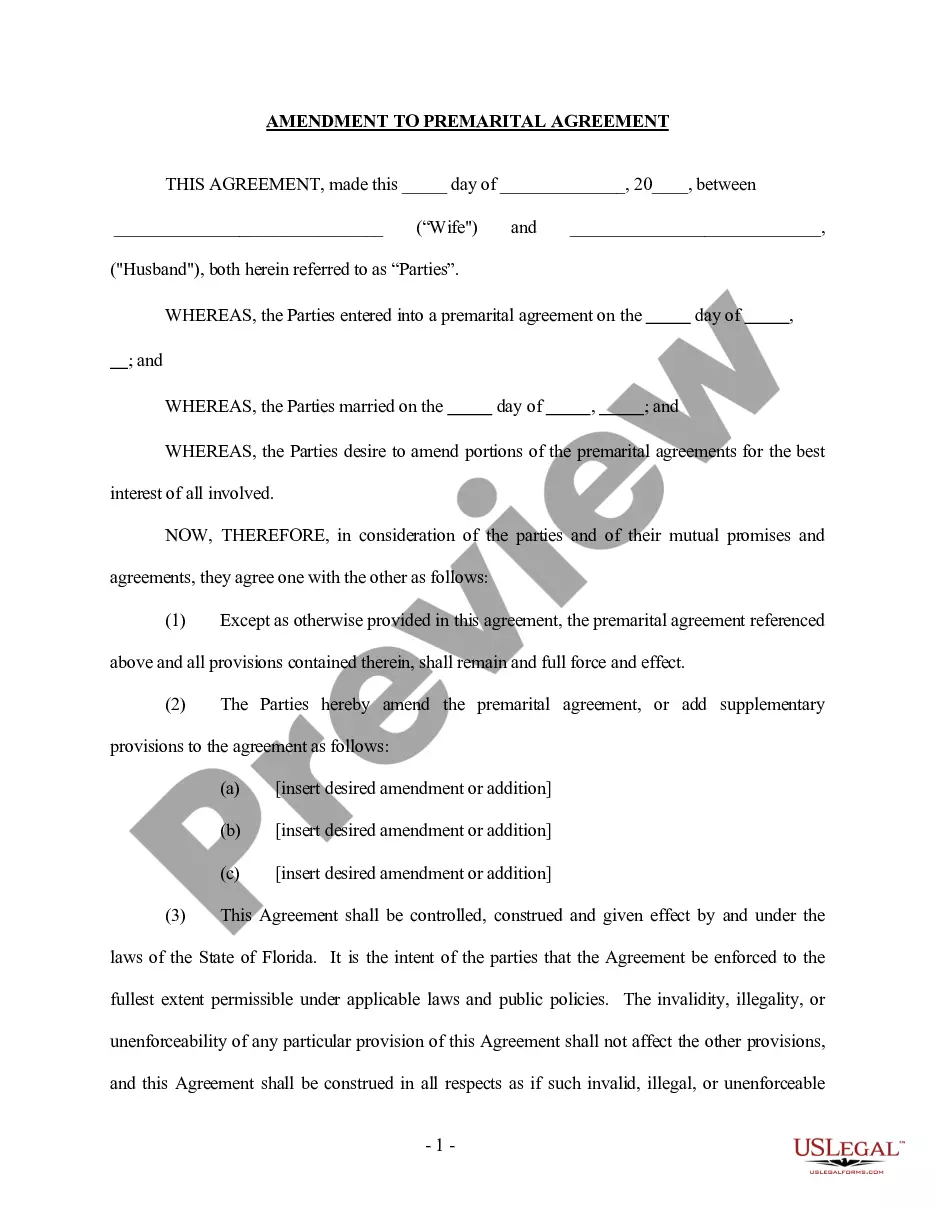
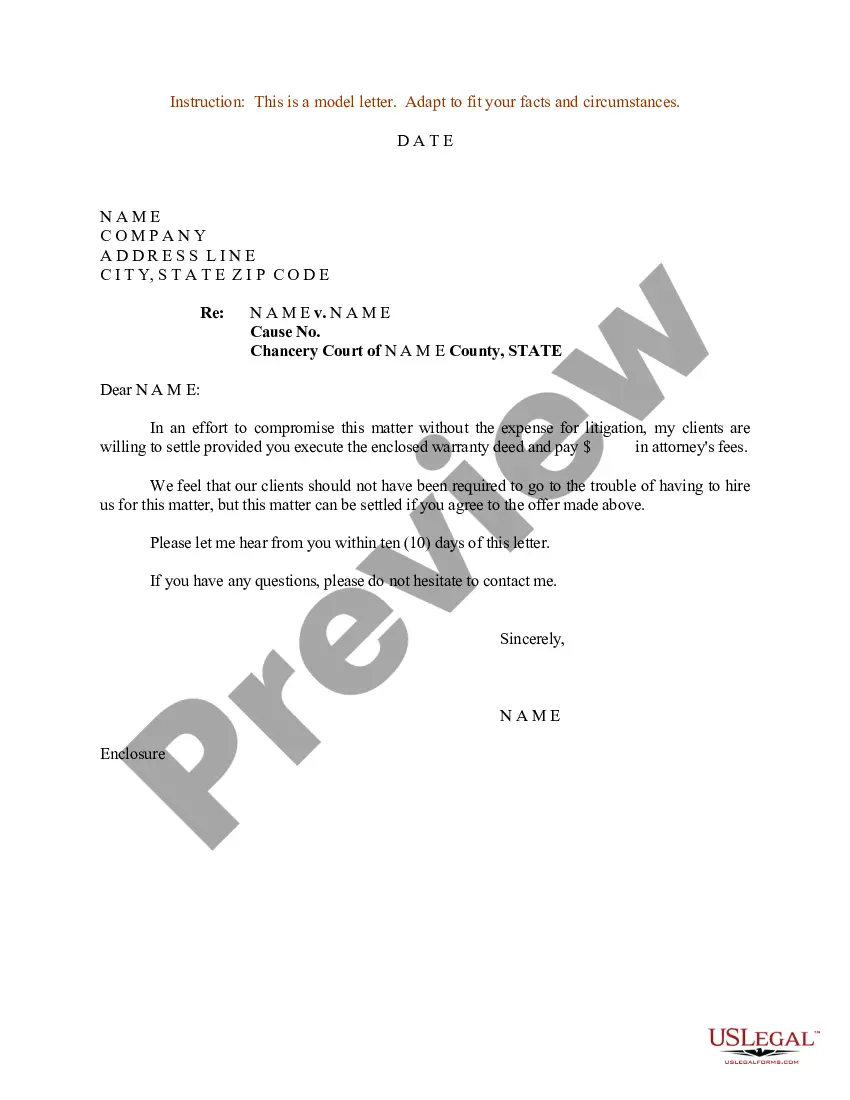
Letters To Lawyers Examples In Washington
Description


Get your form ready online
Our built-in tools help you complete, sign, share, and store your documents in one place.
Make edits, fill in missing information, and update formatting in US Legal Forms—just like you would in MS Word.
Download a copy, print it, send it by email, or mail it via USPS—whatever works best for your next step.
Sign and collect signatures with our SignNow integration. Send to multiple recipients, set reminders, and more. Go Premium to unlock E-Sign.
If this form requires notarization, complete it online through a secure video call—no need to meet a notary in person or wait for an appointment.
We protect your documents and personal data by following strict security and privacy standards.

Make edits, fill in missing information, and update formatting in US Legal Forms—just like you would in MS Word.

Download a copy, print it, send it by email, or mail it via USPS—whatever works best for your next step.

Sign and collect signatures with our SignNow integration. Send to multiple recipients, set reminders, and more. Go Premium to unlock E-Sign.

If this form requires notarization, complete it online through a secure video call—no need to meet a notary in person or wait for an appointment.

We protect your documents and personal data by following strict security and privacy standards.
Looking for another form?




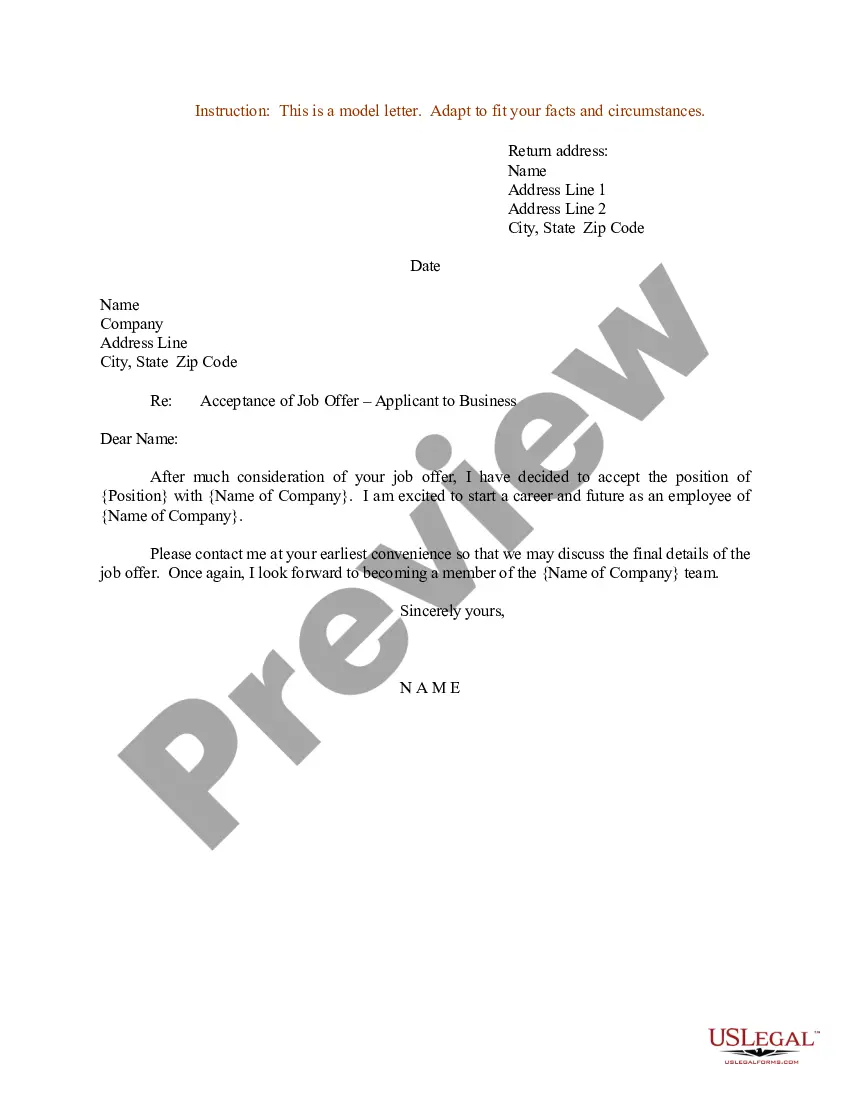


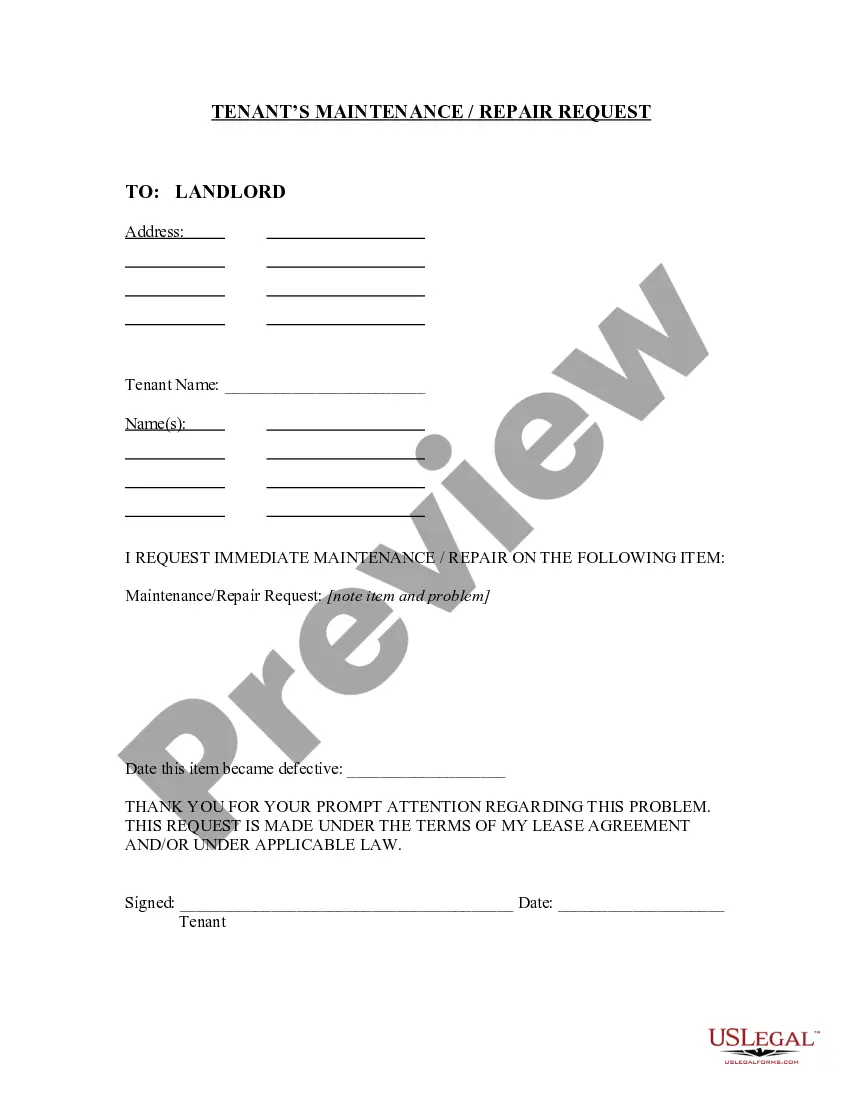


Form popularity
FAQ
When you correspond with a lawyer, you have two choices: Write the person using a standard courtesy title (“Mr. Robert Jones” or “Ms. Cynthia Adams”) Skip the courtesy title and put “Esquire” after the name, using its abbreviated form, “Esq.” (“Robert Jones, Esq.” or “Cynthia Adams, Esq.”)
You can just call them Mr, Ms, Mrs. and if you want to be really formal you can say Mr. Name, Esq. Esq. is the abbreviation for a licensed lawyer, but including that is not necessary.
Lawyer Occupation Names Attorney, advocate, barrister, counsel, counsellor, solicitor, legal executive Activity sectors Law, business Description Competencies Analytical skills Critical thinking Law Legal research Legal writing Legal ethics4 more rows
Demand Letter Components Facts of the case. An outline of what happened. Statement of the issue. A brief description of the problem. Demand. The dollar amount or action necessary to resolve the case. Response deadline. The date by which the recipient must respond. Noncompliance consequences.
A Legal Professional By Any Other Name ... Finally, you do not need to address an attorney by any specific honorific. You do not need to start an email with "Dear Attorney Smith," for example. It is customary to simply use Mr. or Mrs.
Addressing a lawyer professionally is essential. Using their formal title, ``Attorney (Last Name),'' is universally appropriate. If unsure of their specific title, opt for the generic but respectful ``Mr./Ms. (Last Name).'' This maintains a level of formality and acknowledges their professional standing.
Lead with the main purpose of your letter and then explain the reasons for your question or request. Be specific when referencing relevant information including names, dates and places. The more information you include, the better your attorney will be able to assist you.
If you need a lawyer to send a letter on your behalf, DemandLetters has you covered. For one low flat rate with no hidden fees, DemandLetters will connect you to a lawyer that can write and send a letter for you.
Lead with the main purpose of your letter and then explain the reasons for your question or request. Be specific when referencing relevant information including names, dates and places. The more information you include, the better your attorney will be able to assist you.
While framing a salutation or writing to a lawyer, the full name followed by 'Esq. ' is generally used. For instance, if one were addressing John Doe, who is an attorney, it should be written as 'John Doe, Esq. '.