Suing Opposing Counsel For Malpractice In Pima
Description


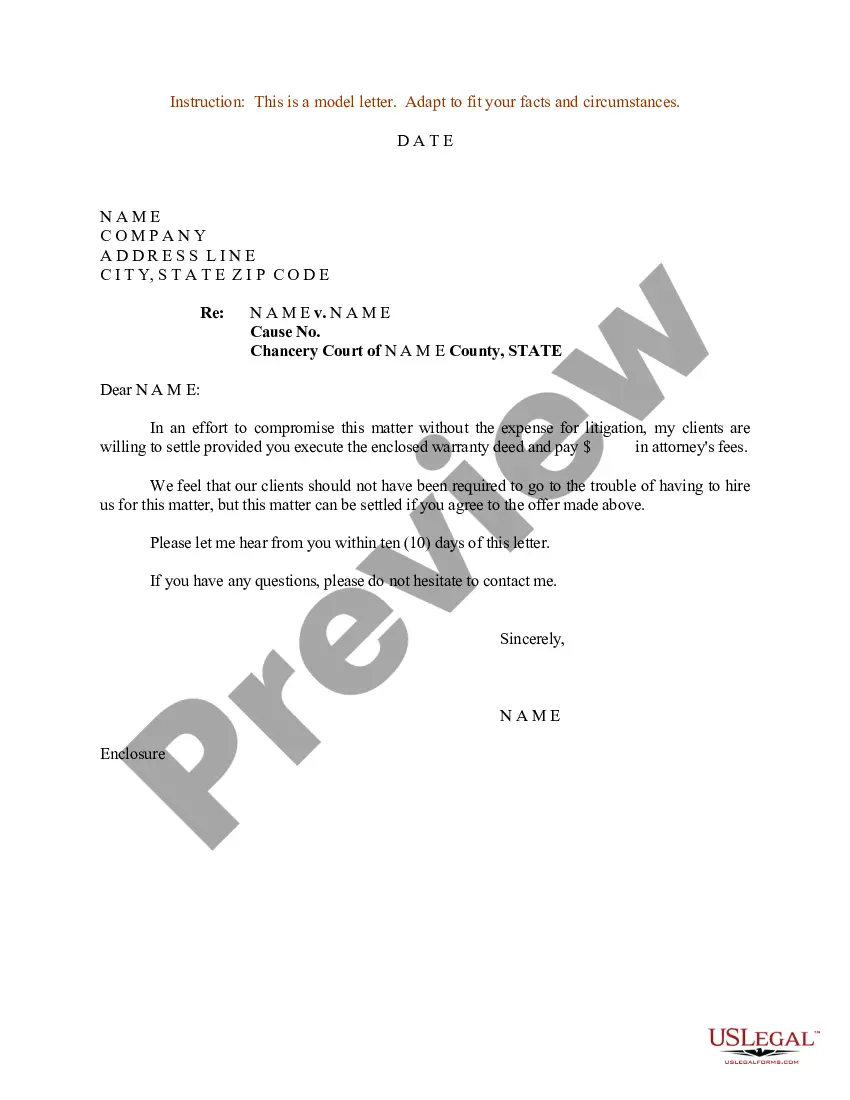
Get your form ready online
Our built-in tools help you complete, sign, share, and store your documents in one place.
Make edits, fill in missing information, and update formatting in US Legal Forms—just like you would in MS Word.
Download a copy, print it, send it by email, or mail it via USPS—whatever works best for your next step.
Sign and collect signatures with our SignNow integration. Send to multiple recipients, set reminders, and more. Go Premium to unlock E-Sign.
If this form requires notarization, complete it online through a secure video call—no need to meet a notary in person or wait for an appointment.
We protect your documents and personal data by following strict security and privacy standards.

Make edits, fill in missing information, and update formatting in US Legal Forms—just like you would in MS Word.

Download a copy, print it, send it by email, or mail it via USPS—whatever works best for your next step.

Sign and collect signatures with our SignNow integration. Send to multiple recipients, set reminders, and more. Go Premium to unlock E-Sign.

If this form requires notarization, complete it online through a secure video call—no need to meet a notary in person or wait for an appointment.

We protect your documents and personal data by following strict security and privacy standards.
Looking for another form?








Form popularity
FAQ
Send a final meet and confer letter. If you've requested dates multiple times (hopefully in writing) and still no response, unilaterally set a date. If opposing counsel then objects that he/she/the client is not available, tell them that's too bad and that they've been given multiple opportunities to set a date.
Conclusion. Proving causation is often the most difficult element of a medical malpractice case. However, it is not impossible.
Do not engage. Think of her as a course hazard more than an opponent. Aim your words, always, at the judge. Be on time, be reasonable, be flexible to the extent it will not prejudice or harm your client, and do your best to keep all interactions in writing and on the record.
If you find yourself in a situation where you believe the opposing counsel is not being truthful, the key is to rely on evidence and legal procedures to address the issue. You can also consult with a local lawyer in the area of law your case involves to get additional advice on your specific case and this magistrate.
If the problem persists, take action before the situation gets worse. Do not pass the issue to someone else in your office. Instead, a frank exchange between you and the opposing counsel may be needed. Perhaps a colleague can serve as an intermediary to smooth the way to a better relationship.
Winning a medical malpractice claim can prove very difficult. However, that does not mean that you cannot win. If you suffered a serious injury due to the negligence of a medical care provider, you deserve compensation for those losses.
The general rule is simple: Non-clients generally cannot sue lawyers who did not represent them. This standard, called the privity rule, finds its footing in the definition of legal malpractice.
The general rule is simple: Non-clients generally cannot sue lawyers who did not represent them. This standard, called the privity rule, finds its footing in the definition of legal malpractice.