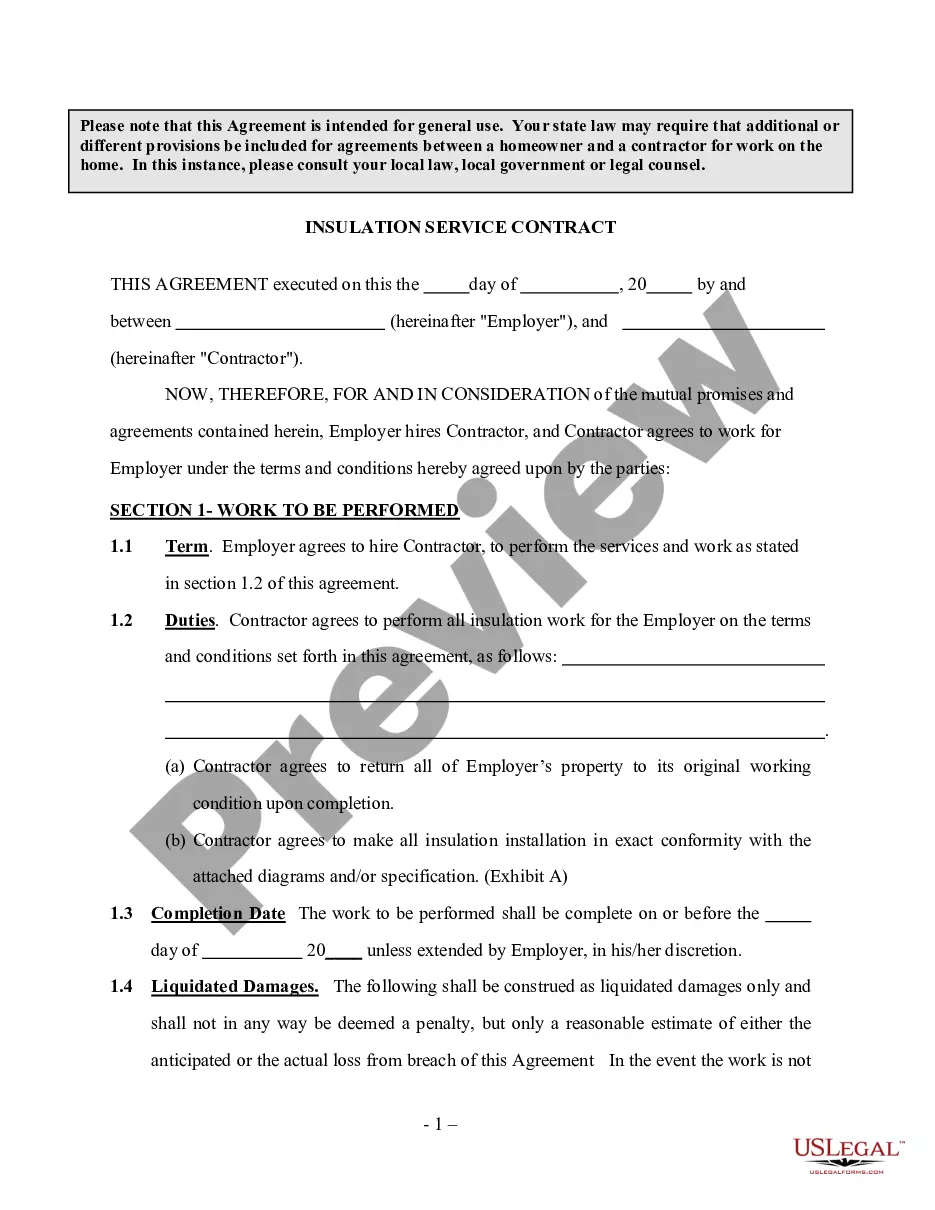
Opposing Counsel And In Pima
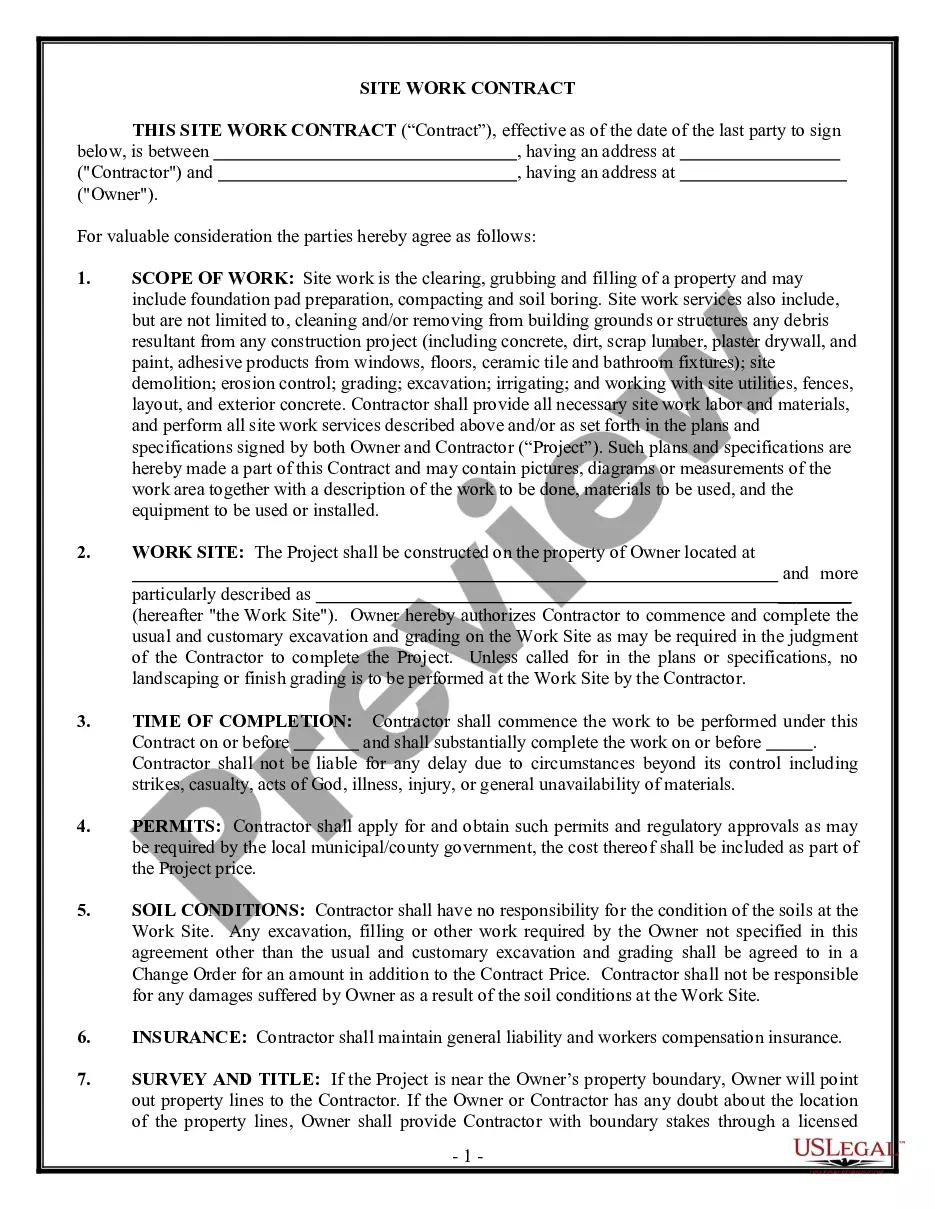
Description


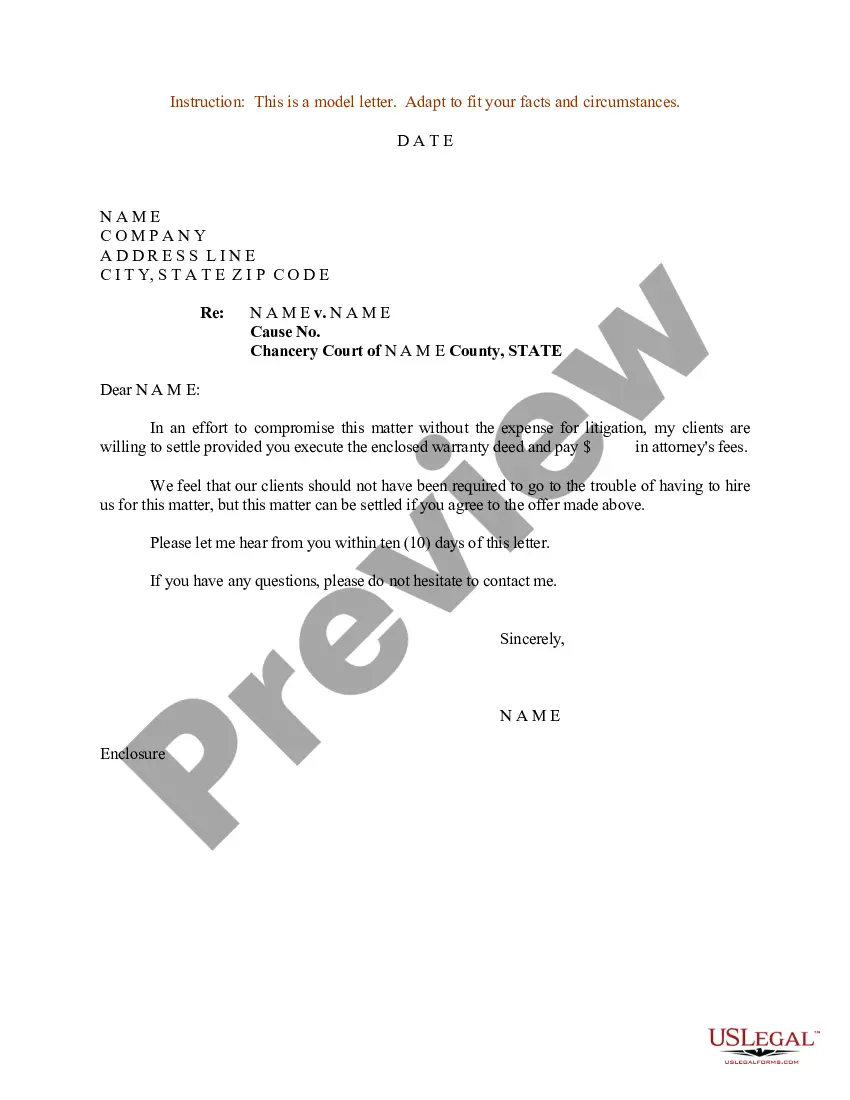
Get your form ready online
Our built-in tools help you complete, sign, share, and store your documents in one place.
Make edits, fill in missing information, and update formatting in US Legal Forms—just like you would in MS Word.
Download a copy, print it, send it by email, or mail it via USPS—whatever works best for your next step.
Sign and collect signatures with our SignNow integration. Send to multiple recipients, set reminders, and more. Go Premium to unlock E-Sign.
If this form requires notarization, complete it online through a secure video call—no need to meet a notary in person or wait for an appointment.
We protect your documents and personal data by following strict security and privacy standards.

Make edits, fill in missing information, and update formatting in US Legal Forms—just like you would in MS Word.

Download a copy, print it, send it by email, or mail it via USPS—whatever works best for your next step.

Sign and collect signatures with our SignNow integration. Send to multiple recipients, set reminders, and more. Go Premium to unlock E-Sign.

If this form requires notarization, complete it online through a secure video call—no need to meet a notary in person or wait for an appointment.

We protect your documents and personal data by following strict security and privacy standards.
Looking for another form?

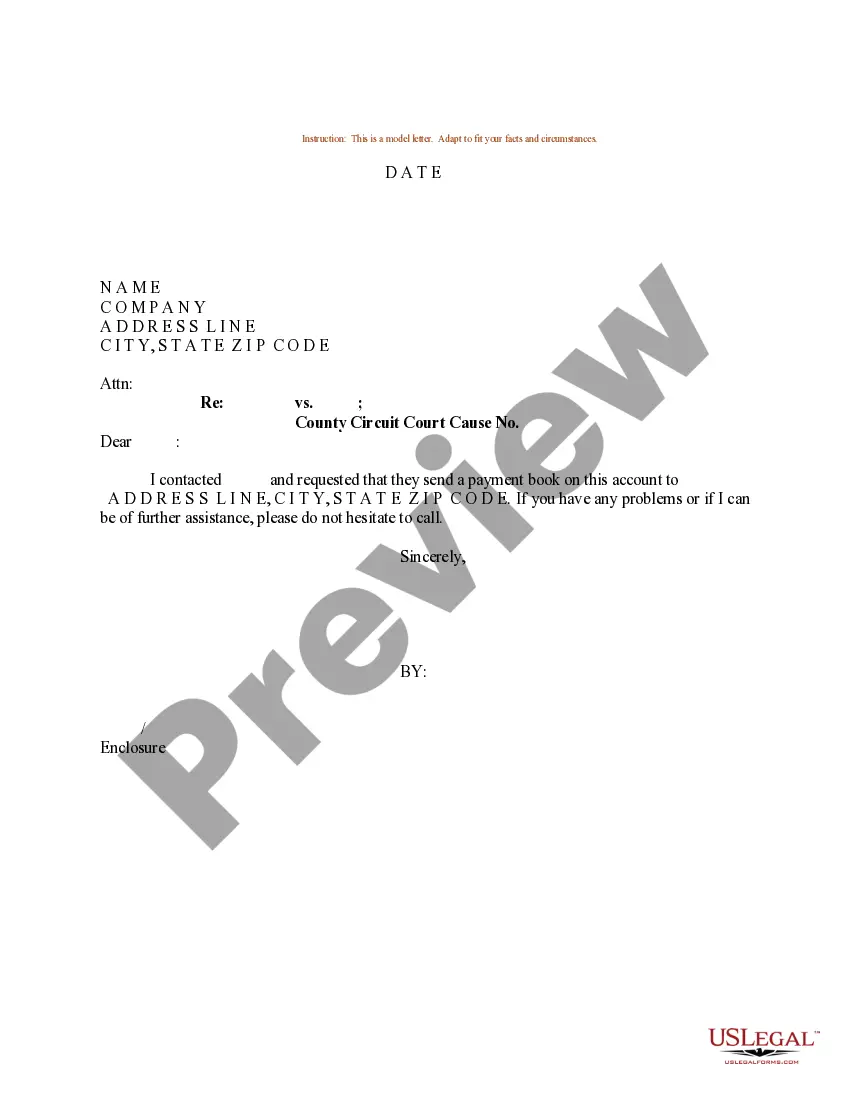





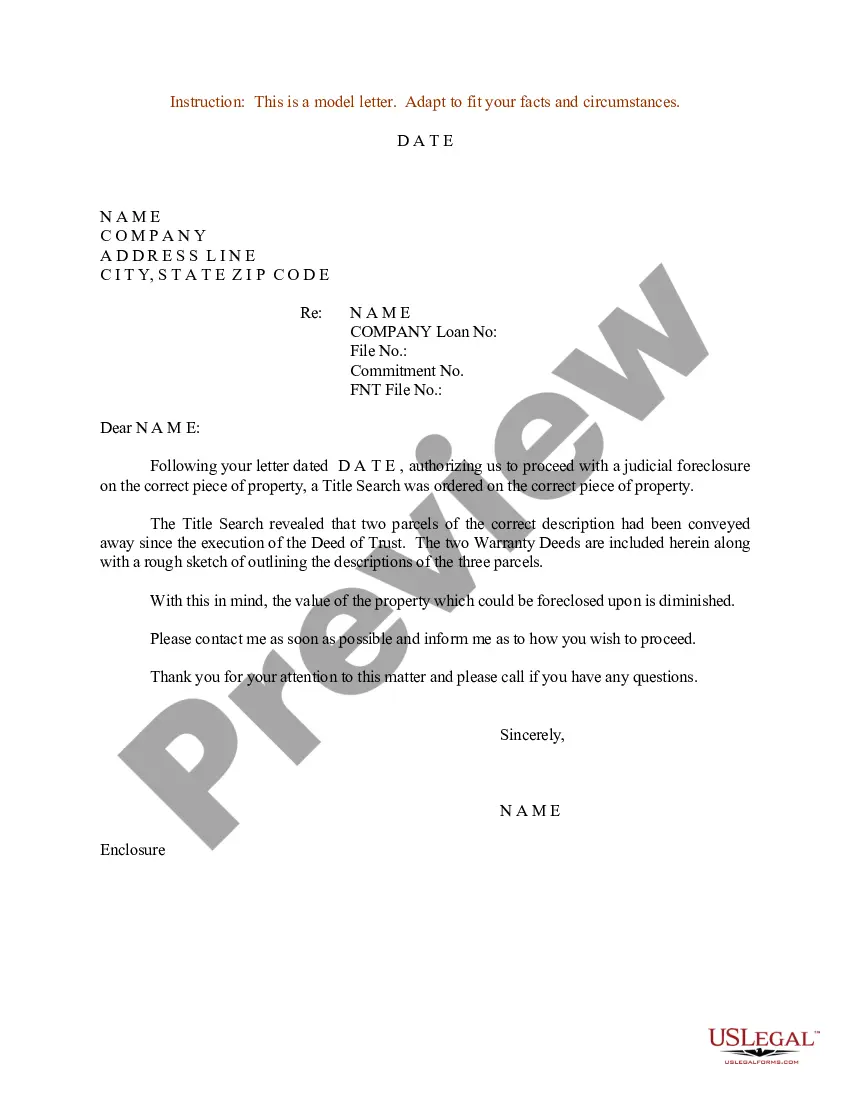

Form popularity
FAQ
Use Mr./Ms. last name for the initial email. When opposing counsel responds and signs off with a first name (e.g., "Nick"), use that going forward. ? To address a group of opposing counsel, go with "Counsel." If you find these tips helpful, please follow Nick Bullard and click the ? to get my next tip.
8 Tips for Dealing with Difficult Opposing Counsel Point out Common Ground. Don't be Afraid to Ask Why. Separate the Person from the Problem. Focus on your Interests. Don't Fall for your Assumptions. Take a Calculated Approach. Control the Conversation by Reframing. Pick up the Phone.
Although motions to disqualify counsel can be filed for a variety of reasons, two of the most common reasons are: (1) when the attorney must testify as a fact witness at trial, and (2) when a conflict of interest exists between the attorney's current client and a former client of that attorney or the law firm where ...
Typically, a former client seeking to disqualify a former attorney from representing an opposing party must identify specific, cogent information that the attorney possesses and show that the information is confidential and implicates the duty of loyalty.
Arizona Rule of Family Law Procedure 49 (Rule 49) requires both parties to share information in family law cases. It requires each party send to the other party a detailed statement with the specific positions the party proposes to resolve all issues.
If you find yourself in a situation where you believe the opposing counsel is not being truthful, the key is to rely on evidence and legal procedures to address the issue. You can also consult with a local lawyer in the area of law your case involves to get additional advice on your specific case and this magistrate.
What is a lawyer against you called? “Opposing counsel” or, for short, “OC.” Depending on the matter, it can also be “plaintiff's counsel,” “attorney for the plaintiff,” “defense counsel,” “attorney for the defendant,” “attorney for the petitioner,” “attorney for the respondent,” ad infinitum.
You can file your complaint by mailing in a state-issued complaint form or a letter with the lawyer's name and contact information, your contact information, a description of the problem, and copies of relevant documents. In some states, you may be able to lodge your complaint over the phone or online.
Do not engage. Think of her as a course hazard more than an opponent. Aim your words, always, at the judge. Be on time, be reasonable, be flexible to the extent it will not prejudice or harm your client, and do your best to keep all interactions in writing and on the record.
OPC appears to be short for opposing counsel given the context. Meaning the attorney for your foe is out of office now but will get back to yours in a couple weeks regarding an offer (to settle? Maybe).