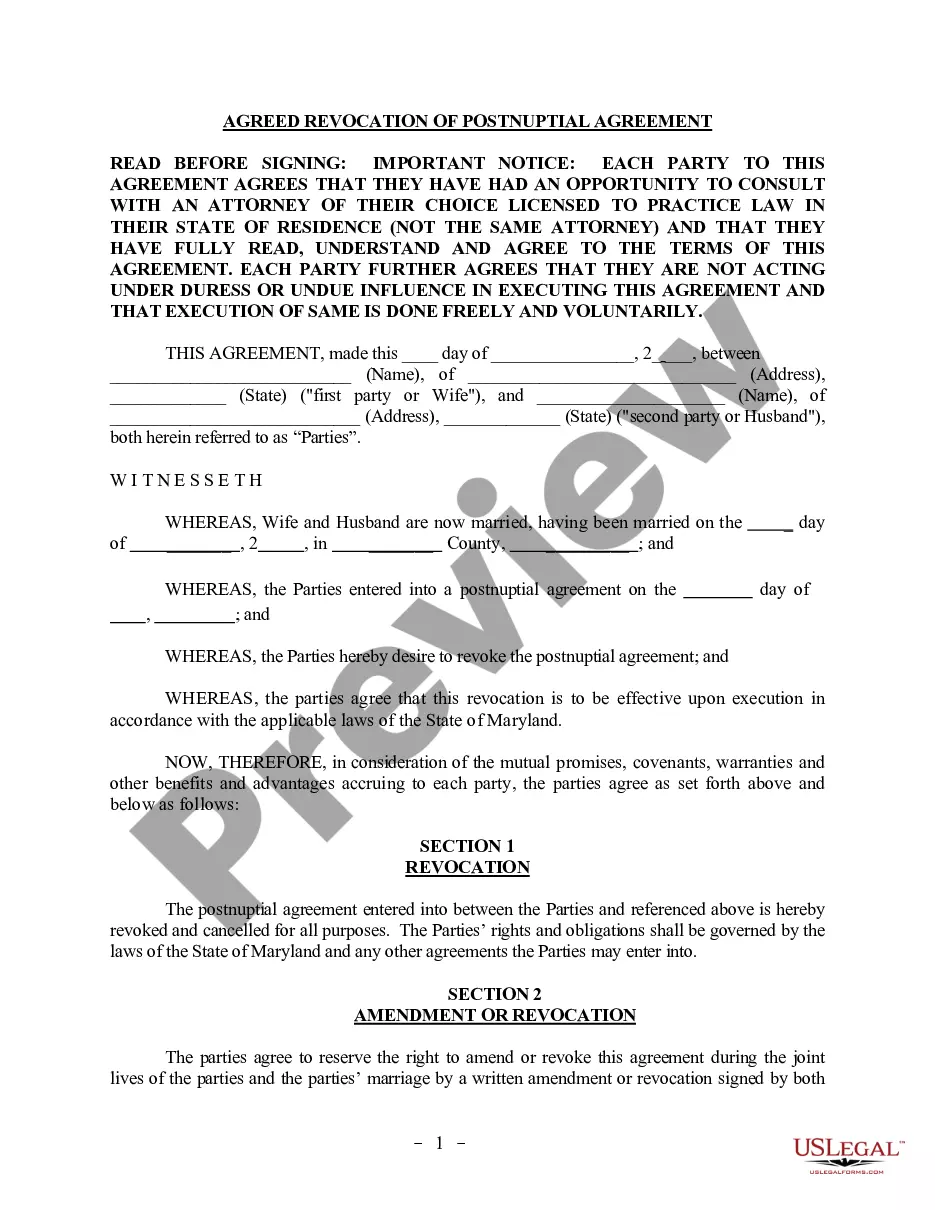
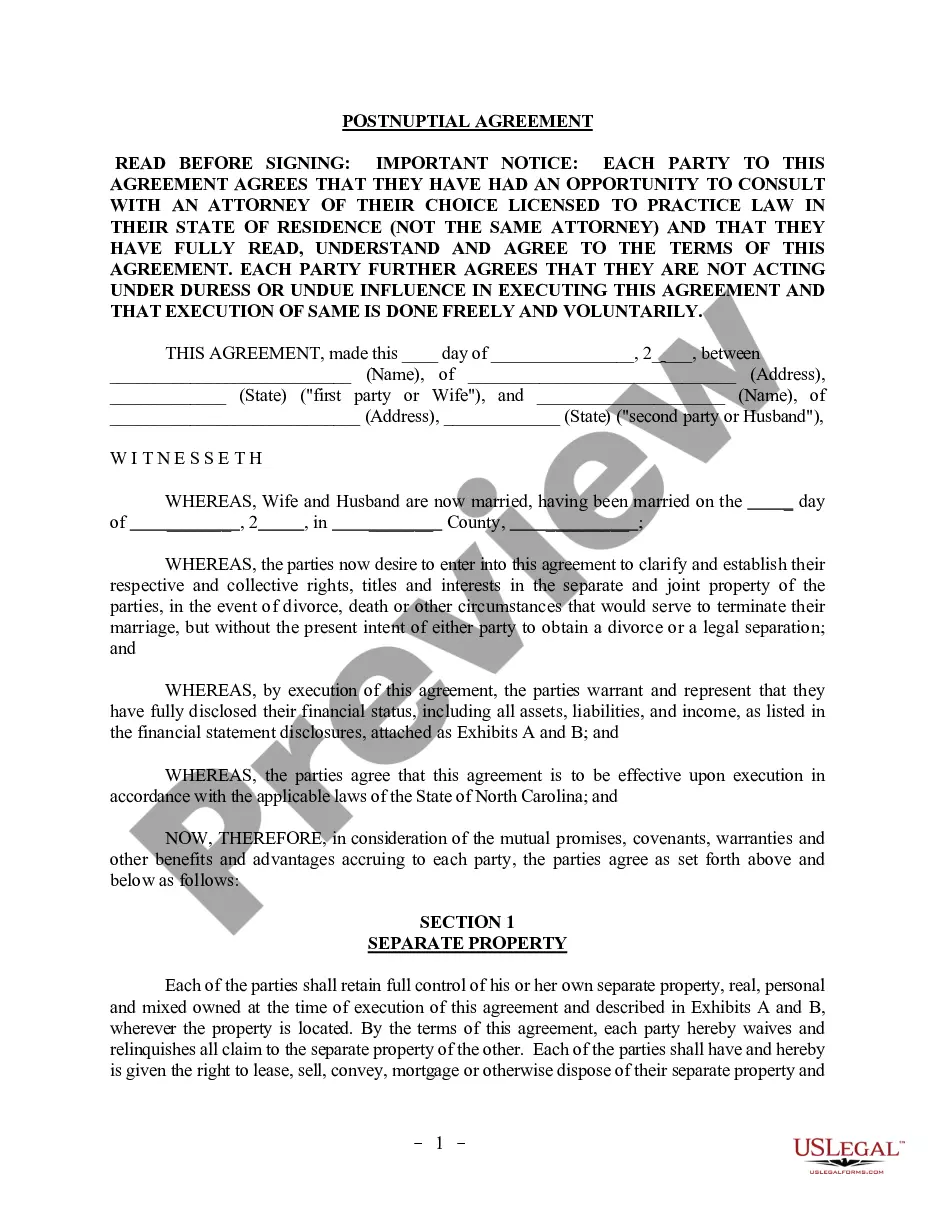
Letters To Lawyers Examples In Palm Beach
Description

Get your form ready online
Our built-in tools help you complete, sign, share, and store your documents in one place.
Make edits, fill in missing information, and update formatting in US Legal Forms—just like you would in MS Word.
Download a copy, print it, send it by email, or mail it via USPS—whatever works best for your next step.
Sign and collect signatures with our SignNow integration. Send to multiple recipients, set reminders, and more. Go Premium to unlock E-Sign.
If this form requires notarization, complete it online through a secure video call—no need to meet a notary in person or wait for an appointment.
We protect your documents and personal data by following strict security and privacy standards.

Make edits, fill in missing information, and update formatting in US Legal Forms—just like you would in MS Word.

Download a copy, print it, send it by email, or mail it via USPS—whatever works best for your next step.

Sign and collect signatures with our SignNow integration. Send to multiple recipients, set reminders, and more. Go Premium to unlock E-Sign.

If this form requires notarization, complete it online through a secure video call—no need to meet a notary in person or wait for an appointment.

We protect your documents and personal data by following strict security and privacy standards.
Looking for another form?
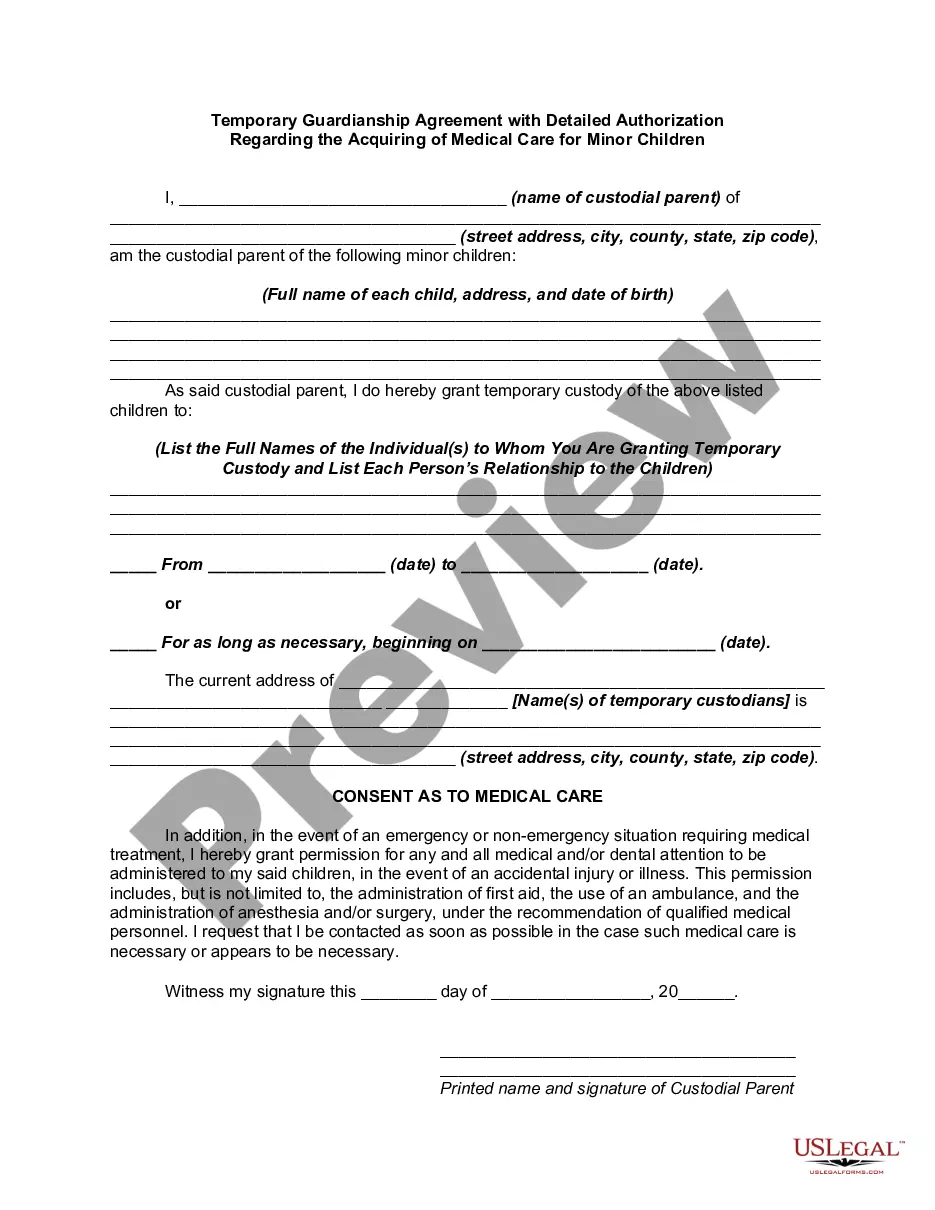



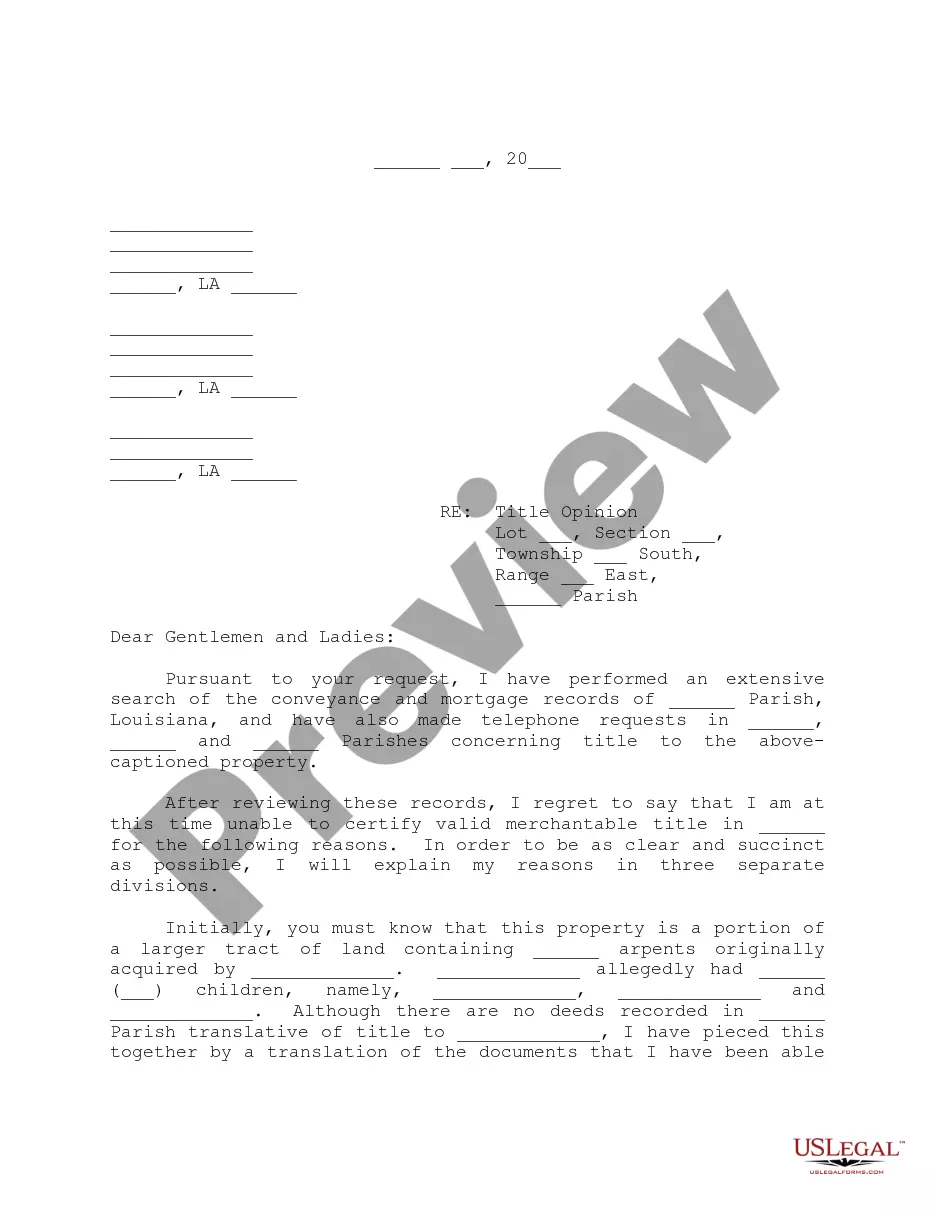

Form popularity
FAQ
Lead with the main purpose of your letter and then explain the reasons for your question or request. Be specific when referencing relevant information including names, dates and places. The more information you include, the better your attorney will be able to assist you.
While framing a salutation or writing to a lawyer, the full name followed by 'Esq. ' is generally used. For instance, if one were addressing John Doe, who is an attorney, it should be written as 'John Doe, Esq. '.
Just say, I think I have this case, and I'd like to speak to an attorney. At the consult, go over your facts, answer their questions, and again, do not reveal all the legwork you've done. Just use that legwork to assist your attorney. Might be futile, but its worth a shot.
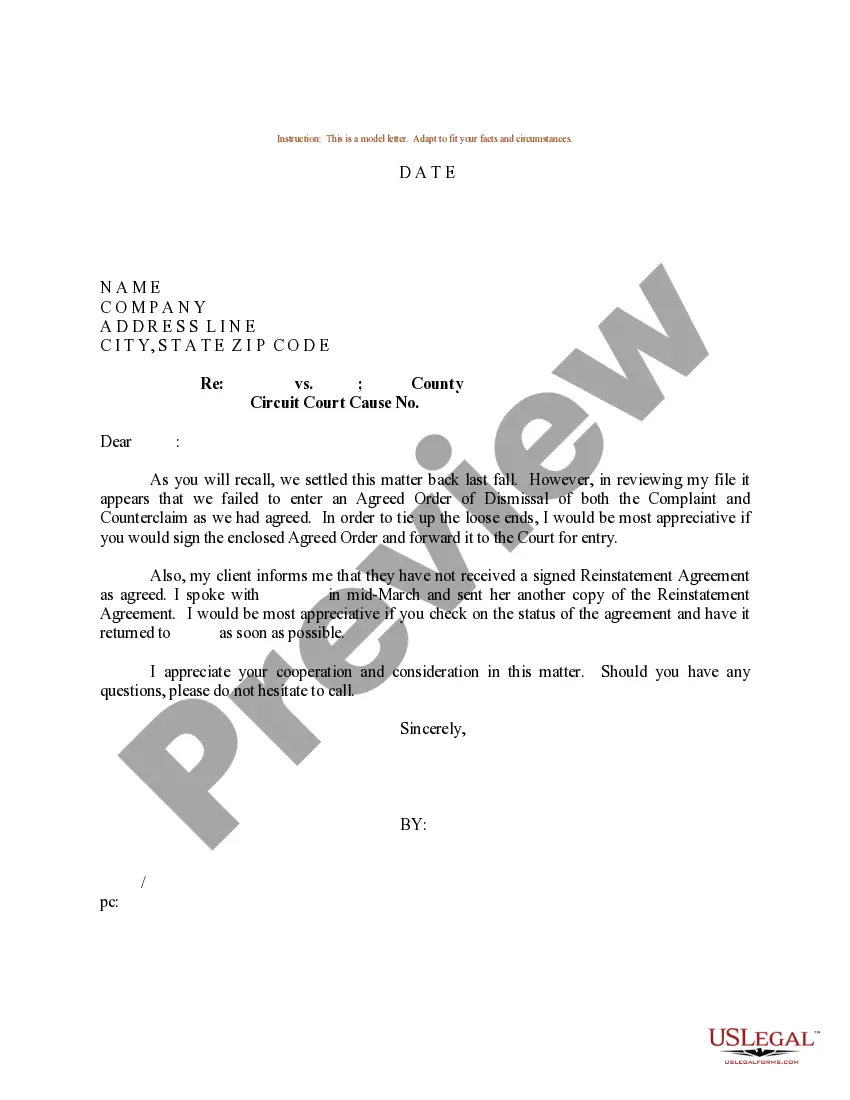
Generally, a representation letter includes details such as the client's name, legal matter details, scope of representation, and the lawyer's contact information. The particulars may vary depending on the specific case and purpose of the letter.
The document must clearly outline the scope of the agent's authority, including any limitations or restrictions. It should also specify when a power of attorney takes effect and how long it remains valid. The principal must sign the document in the presence of witnesses or a notary public to ensure its legality.
Explain your case briefly but provide enough detail to give a clear picture of your legal issue. Be Honest: Full disclosure is crucial. Be honest about all aspects of your case, including any actions you've taken and any communication with other parties involved.
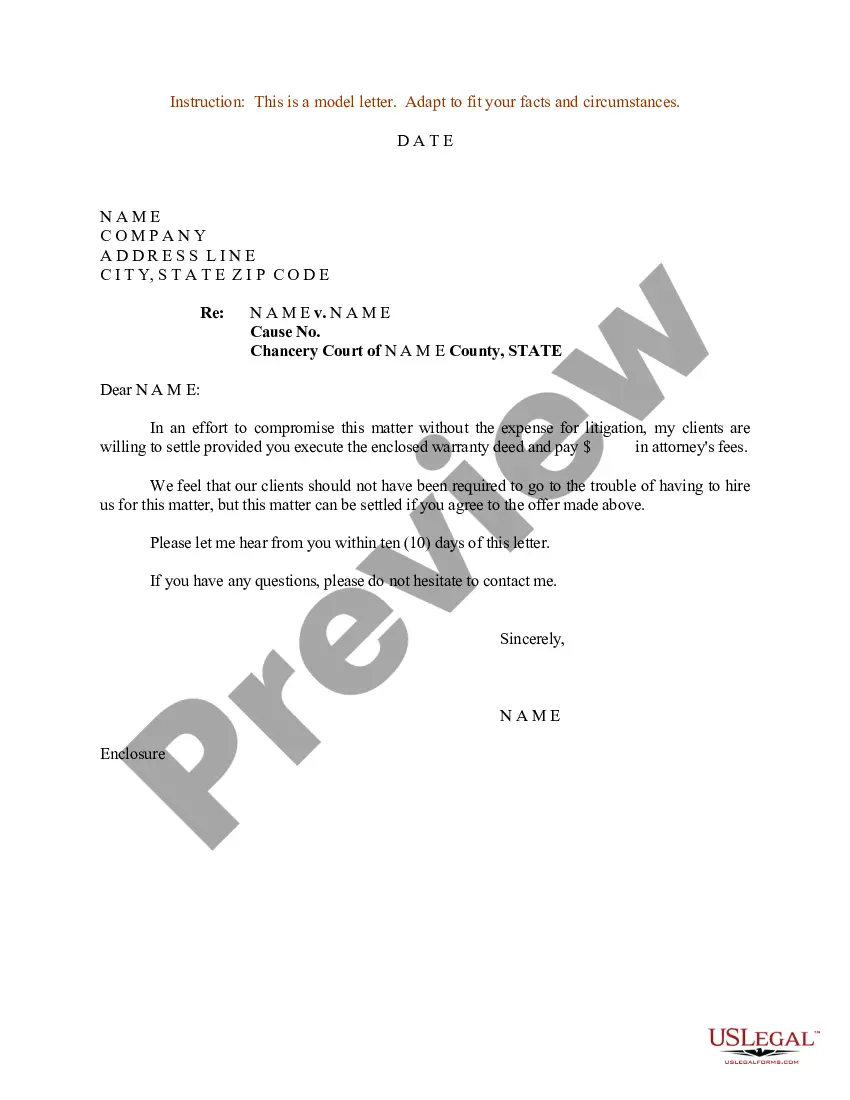
Formatting the Letter Decide whether to follow "full block" or "modified block" format. Write your address. Write the date. Insert your attorney's name and address. Reference your case number. Greet your attorney. Write out the body of the letter. Close the letter.
Exaggeration or False Information: Avoid embellishing facts or providing false information. Misleading your lawyer can harm your case and damage the trust in your attorney-client relationship. Legal Opinions (Unless Qualified): Refrain from asserting legal opinions or conclusions if you are not legally trained.
It is nice to see these days. To my attorney: Thank you again for your hard work and working extra hard to ensure our success. Attorney- A special thank you for all your help over the years. I know it's your job, but it's my life- and I feel you went above and beyond and I just want to express my appreciation.
What You Should Say: Be Clear About Your Situation: Clearly describe the facts of your case. This includes what happened, when it happened, and any relevant details. Precision and honesty are key. Discuss Your Goals: Explain what you hope to achieve with legal representation.