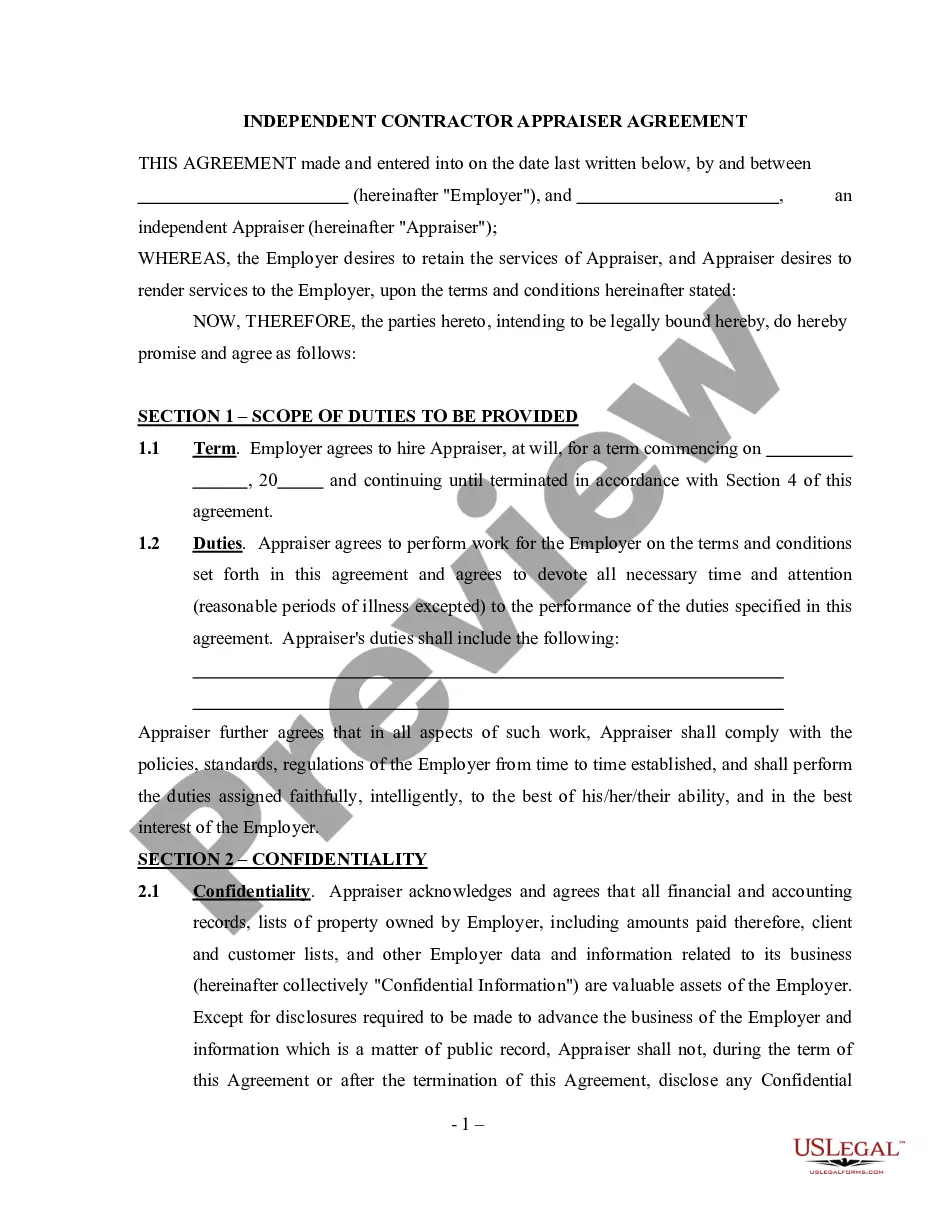
Opposing Counsel In Court In Oakland
Description

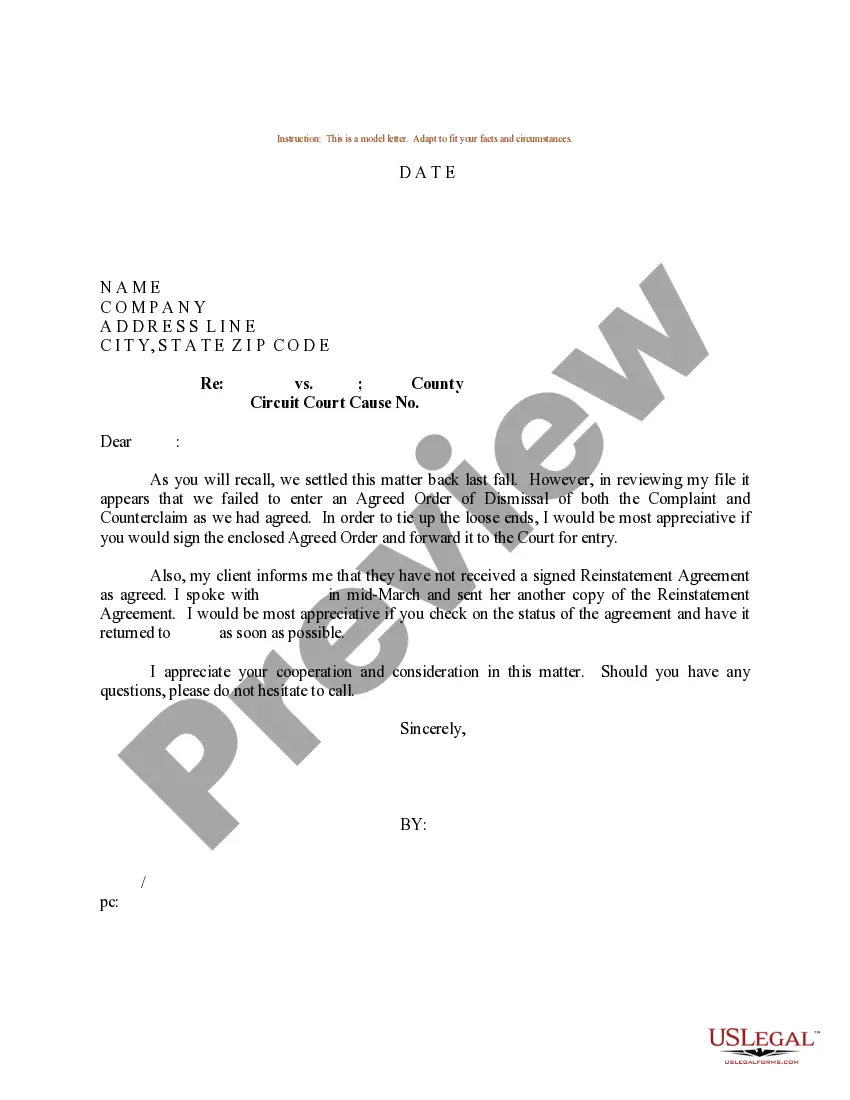
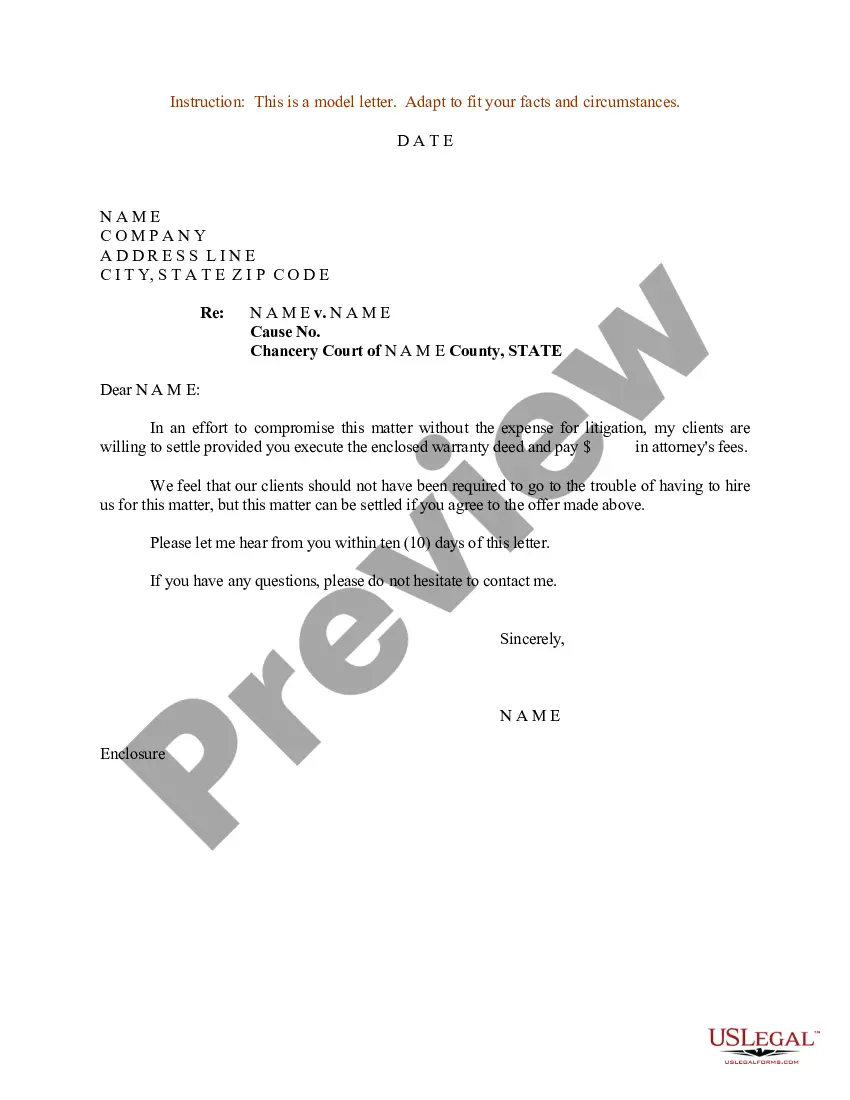
Get your form ready online
Our built-in tools help you complete, sign, share, and store your documents in one place.
Make edits, fill in missing information, and update formatting in US Legal Forms—just like you would in MS Word.
Download a copy, print it, send it by email, or mail it via USPS—whatever works best for your next step.
Sign and collect signatures with our SignNow integration. Send to multiple recipients, set reminders, and more. Go Premium to unlock E-Sign.
If this form requires notarization, complete it online through a secure video call—no need to meet a notary in person or wait for an appointment.
We protect your documents and personal data by following strict security and privacy standards.

Make edits, fill in missing information, and update formatting in US Legal Forms—just like you would in MS Word.

Download a copy, print it, send it by email, or mail it via USPS—whatever works best for your next step.

Sign and collect signatures with our SignNow integration. Send to multiple recipients, set reminders, and more. Go Premium to unlock E-Sign.

If this form requires notarization, complete it online through a secure video call—no need to meet a notary in person or wait for an appointment.

We protect your documents and personal data by following strict security and privacy standards.
Looking for another form?
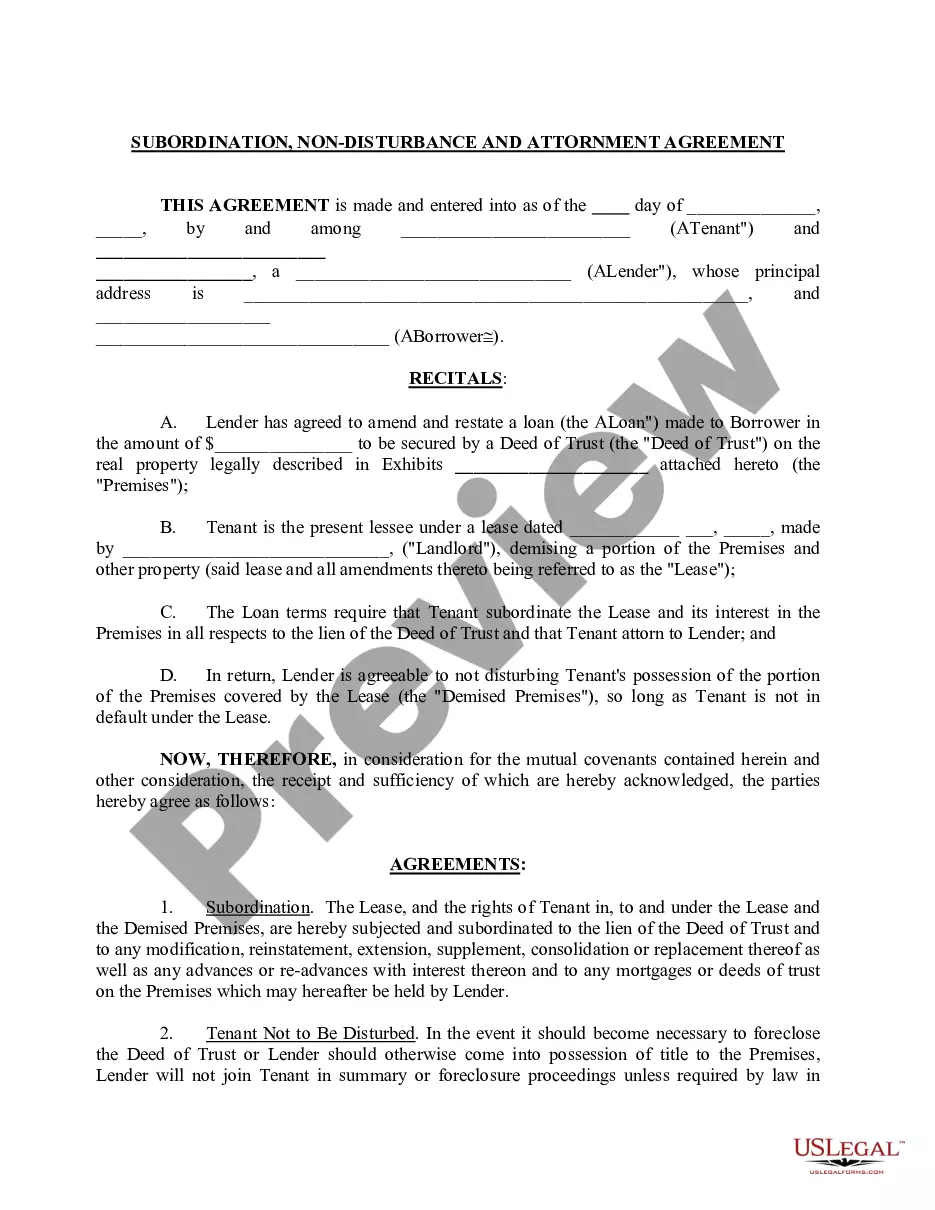



Form popularity
FAQ
A moving party will now be required to file their motion and accompanying documents 81 days, rather than 75 days, before the hearing, opposition will be due 20 days before the hearing rather than 14, and the reply brief must be filed 11 days before the hearing rather than just 5 days.
The proposed order relieving counsel must be prepared on the Order Granting Attorney's Motion to Be Relieved as Counsel-Civil (form MC-053) and must be lodged with the court with the moving papers. The order must specify all hearing dates scheduled in the action or proceeding, including the date of trial, if known.
In California, a defendant brings a Marsden motion when they want to fire their court-appointed attorney on the grounds of ineffectiveness. The court considers and rules on the motion at a Marsden Hearing. The motion can be filed in either misdemeanor or felony cases, before or during trial.
8 Tips for Dealing with Difficult Opposing Counsel Point out Common Ground. Don't be Afraid to Ask Why. Separate the Person from the Problem. Focus on your Interests. Don't Fall for your Assumptions. Take a Calculated Approach. Control the Conversation by Reframing. Pick up the Phone.
(a) Motion and opposition (3) Any opposition must be served and filed within 15 days after the motion is filed.
Any response in opposition must be served and filed at least nine court days before the date set for hearing. Rule 3.525 amended effective January 1, 2007; adopted as rule 1525 effective January 1, 1974; previously amended effective January 1, 2005; previously amended and renumbered effective January 1, 2007.
(a) Motion and opposition (2) A motion must be accompanied by a memorandum and, if it is based on matters outside the record, by declarations or other supporting evidence. (3) Any opposition to the motion must be served and filed within 15 days after the motion is filed.
Send a final meet and confer letter. If you've requested dates multiple times (hopefully in writing) and still no response, unilaterally set a date. If opposing counsel then objects that he/she/the client is not available, tell them that's too bad and that they've been given multiple opportunities to set a date.
Follow up. Following up with the an opposing lawyer who is not responding is essential to maintain momentum and clarify outstanding matters. Send courteous and concise follow-up emails or letters, reiterating the urgency of the issue and requesting a prompt response.
Do not engage. Think of her as a course hazard more than an opponent. Aim your words, always, at the judge. Be on time, be reasonable, be flexible to the extent it will not prejudice or harm your client, and do your best to keep all interactions in writing and on the record.