Suing Opposing Counsel For Defamation In Massachusetts
Description

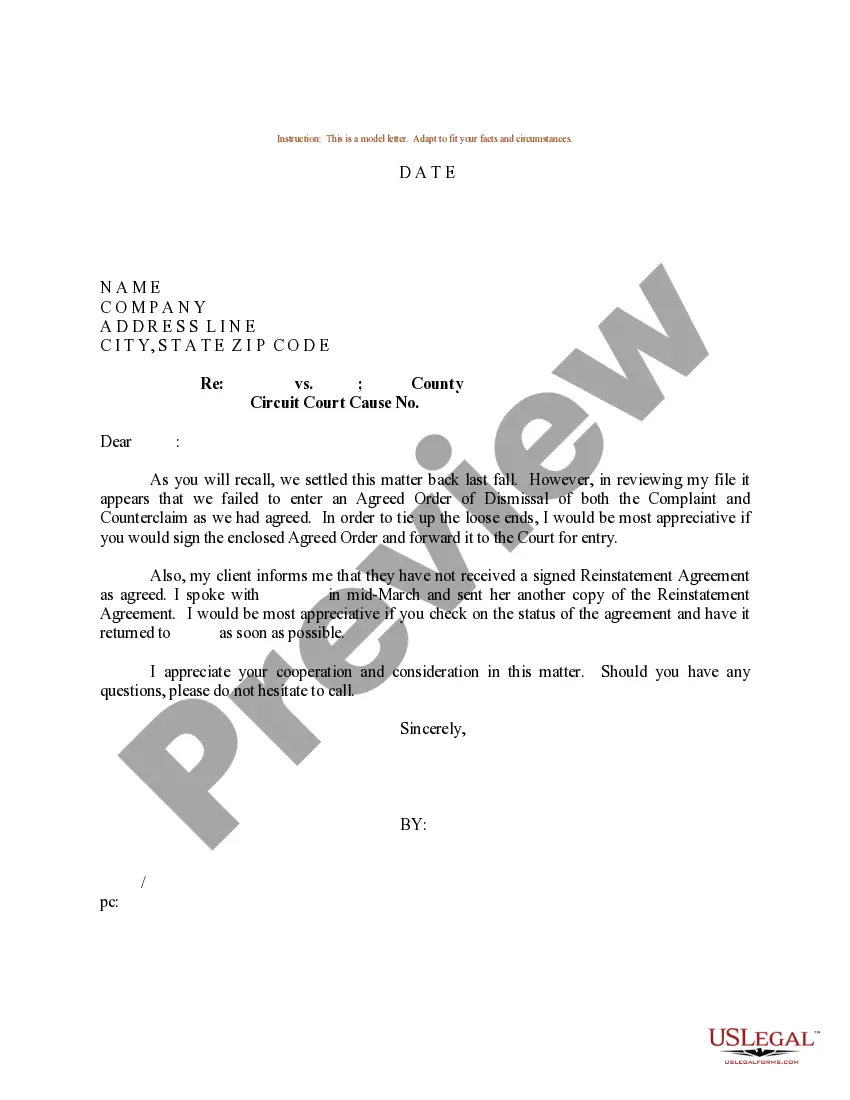

Get your form ready online
Our built-in tools help you complete, sign, share, and store your documents in one place.
Make edits, fill in missing information, and update formatting in US Legal Forms—just like you would in MS Word.
Download a copy, print it, send it by email, or mail it via USPS—whatever works best for your next step.
Sign and collect signatures with our SignNow integration. Send to multiple recipients, set reminders, and more. Go Premium to unlock E-Sign.
If this form requires notarization, complete it online through a secure video call—no need to meet a notary in person or wait for an appointment.
We protect your documents and personal data by following strict security and privacy standards.

Make edits, fill in missing information, and update formatting in US Legal Forms—just like you would in MS Word.

Download a copy, print it, send it by email, or mail it via USPS—whatever works best for your next step.

Sign and collect signatures with our SignNow integration. Send to multiple recipients, set reminders, and more. Go Premium to unlock E-Sign.

If this form requires notarization, complete it online through a secure video call—no need to meet a notary in person or wait for an appointment.

We protect your documents and personal data by following strict security and privacy standards.
Looking for another form?
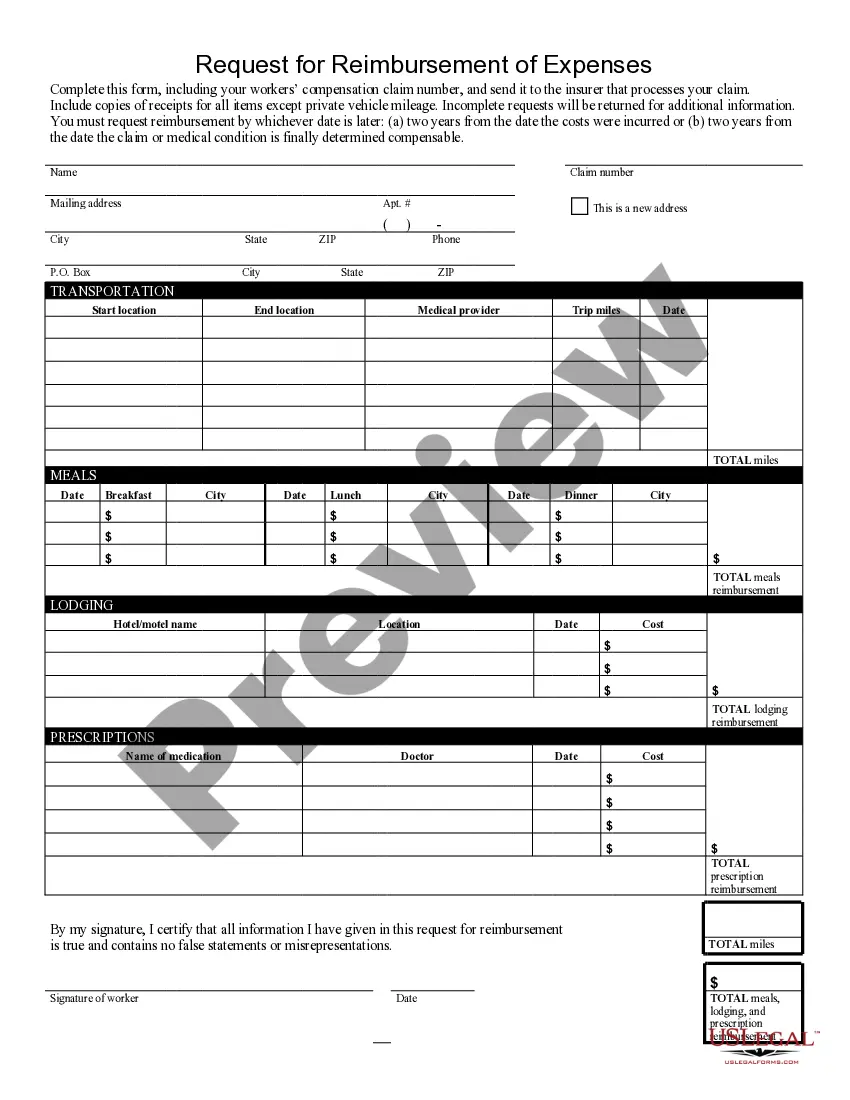
Form popularity
FAQ
That the statement was made (published) to a third party; That the person who made the statement did so negligently, recklessly or intentionally; and. That as a result of the statement, your reputation was damaged.
In general, pursuing a defamation lawsuit may be worthwhile if: The defamatory statement(s) are demonstrably false and have caused significant harm to your reputation or career. You have strong evidence to support your claim. The potential damages are substantial enough to justify the costs and risks of litigation.
Defamatory Statements The defamation tort includes libel (written statements) and slander (spoken defamation). If someone has made a false and defamatory statement hurting your reputation, you may be eligible to seek compensation.
To win a Massachusetts defamation claim, plaintiffs must prove that their respective defendants made false and defamatory statements, to a third-party, which caused material or reputational harm.
In Massachusetts, the elements of a defamation claim are: a false and defamatory communication. of and concerning the plaintiff which is. published or shown to a third party.
To bring a successful defamation claim in California, you must prove four facts: That someone made a false statement of purported fact about you: That the statement was made (published) to a third party; That the person who made the statement did so negligently, recklessly or intentionally; and.
