Opposing Counsel Or Council In Fairfax
Description

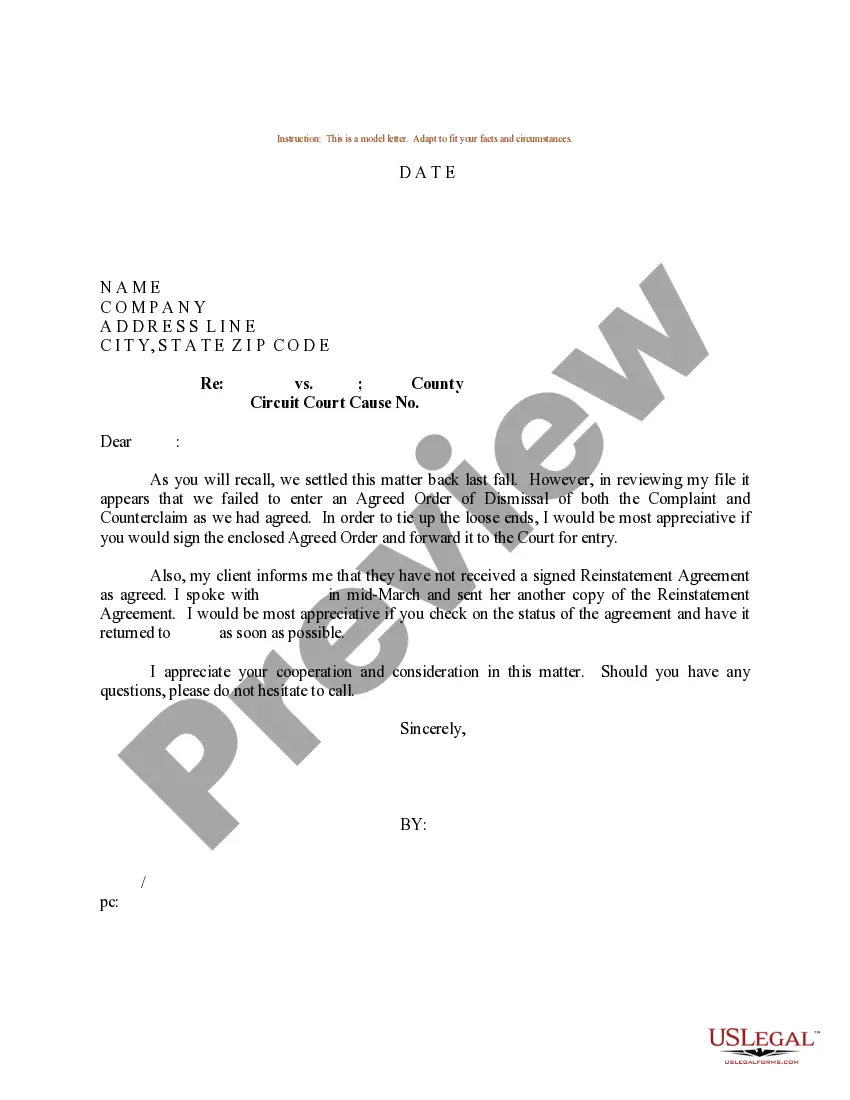
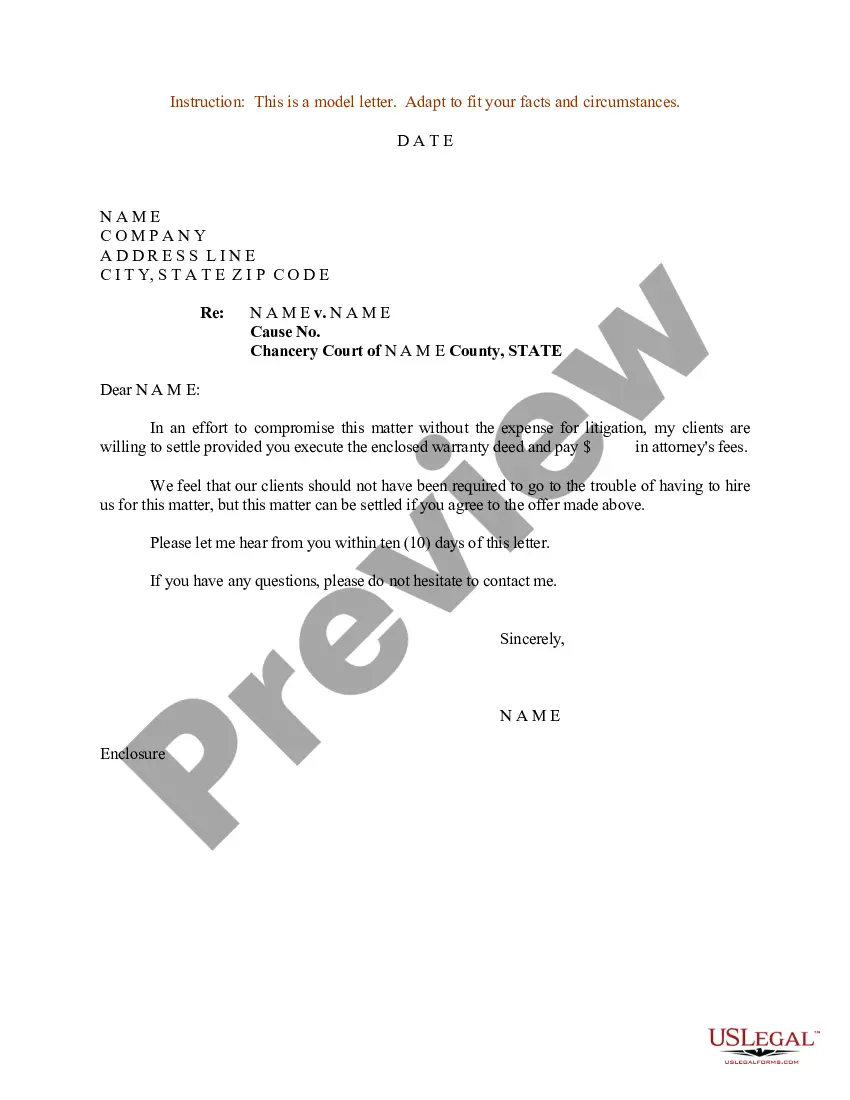
Get your form ready online
Our built-in tools help you complete, sign, share, and store your documents in one place.
Make edits, fill in missing information, and update formatting in US Legal Forms—just like you would in MS Word.
Download a copy, print it, send it by email, or mail it via USPS—whatever works best for your next step.
Sign and collect signatures with our SignNow integration. Send to multiple recipients, set reminders, and more. Go Premium to unlock E-Sign.
If this form requires notarization, complete it online through a secure video call—no need to meet a notary in person or wait for an appointment.
We protect your documents and personal data by following strict security and privacy standards.

Make edits, fill in missing information, and update formatting in US Legal Forms—just like you would in MS Word.

Download a copy, print it, send it by email, or mail it via USPS—whatever works best for your next step.

Sign and collect signatures with our SignNow integration. Send to multiple recipients, set reminders, and more. Go Premium to unlock E-Sign.

If this form requires notarization, complete it online through a secure video call—no need to meet a notary in person or wait for an appointment.

We protect your documents and personal data by following strict security and privacy standards.
Looking for another form?

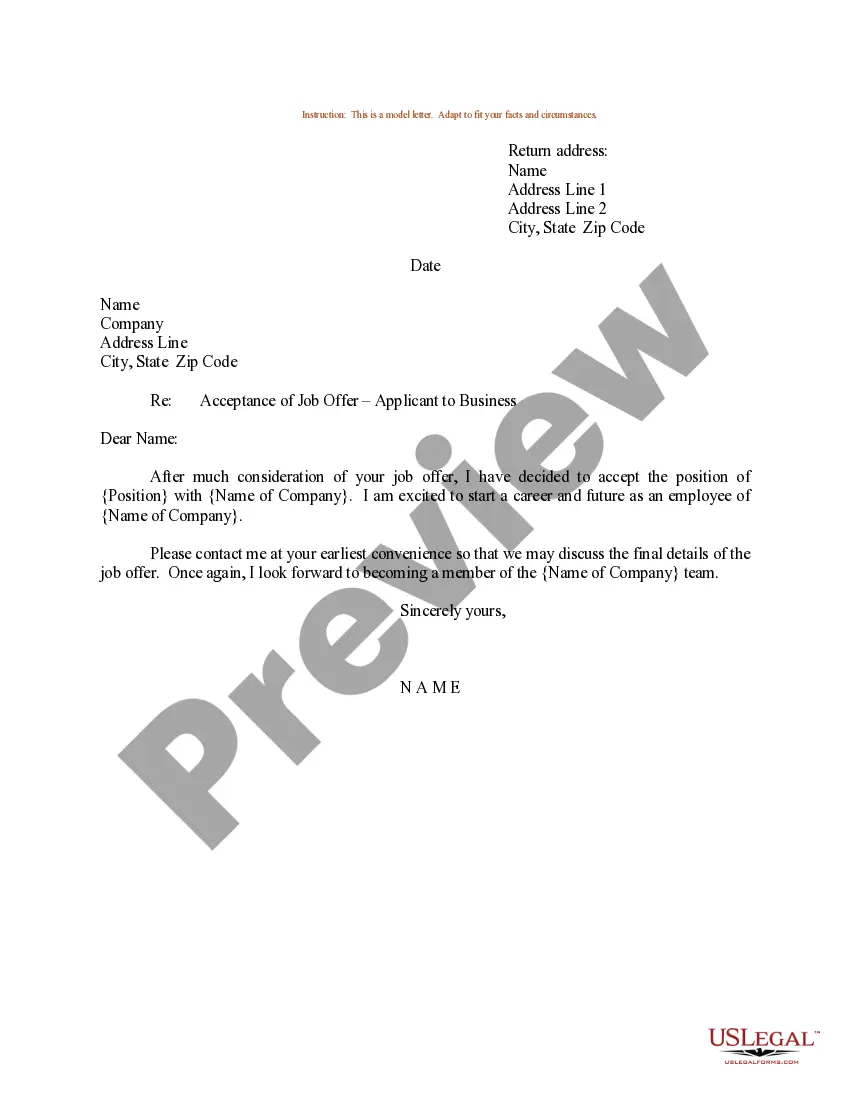




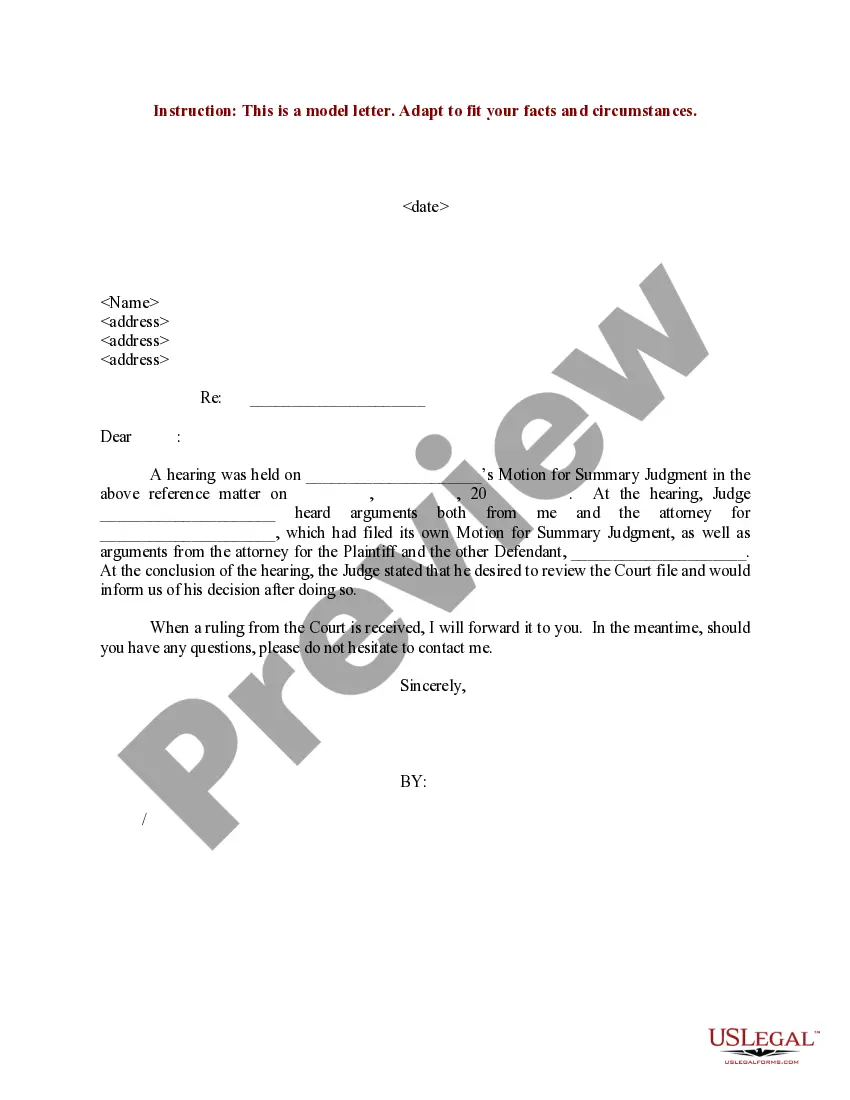



Form popularity
FAQ
Decisions in District Courts – both General and J&DR – may be appealed to the Circuit Court. Circuit Courts hear criminal cases involving more serious offenses, called felonies, civil actions involving larger monetary claims, and appeals from District Courts.
Any case may be appealed to the circuit court once the district court has finalized a decision (some issues can be appealed before a final decision by making an “interlocutory appeal”). Appeals to circuit courts are first heard by a panel, consisting of three circuit court judges.
The Fairfax Circuit Court serves the residents of Fairfax County and Fairfax City. The Fairfax Circuit Court (19th Judicial Circuit) is the trial court of general jurisdiction and is the largest trial court in Virginia, composed of fifteen full-time and five retired trial judges.
United States Court of Appeals for the D.C. Circuit.
Clerk of Court Christopher J. Falcon maintains civil & criminal cases, land records, probate, & marriage licenses.
The U.S. Court of Appeals for the Fourth Circuit hears appeals from the district courts in the states of Maryland, North Carolina, South Carolina, Virginia and West Virginia. There are nine federal district courts located within the Fourth Circuit.
The telephone number for Calendar Control is 703-246-2221.
1. The purpose of a Motion for Clarification is to ask the Court to explain the provisions of a prior order of the Court that a party does not fully understand. 2. This motion is not to be used if a party contests or wishes to change the outcome with respect to an issue in the final order.
Within 10 days of the entry of a final order, a party aggrieved by the order may file a motion for reconsideration. The motion shall identify the specific issues to be reconsidered by the court. The filing of a motion for reconsideration does not toll the 30-day appeal period pursuant to Pa. R.A.P.
Answer: Filing a Motion for Reconsideration is a legal remedy available in the Philippines when a party disagrees with a court's decision. If your case was dismissed in Quezon City, and you believe that the decision was not given proper attention, you can file a Motion for Reconsideration.