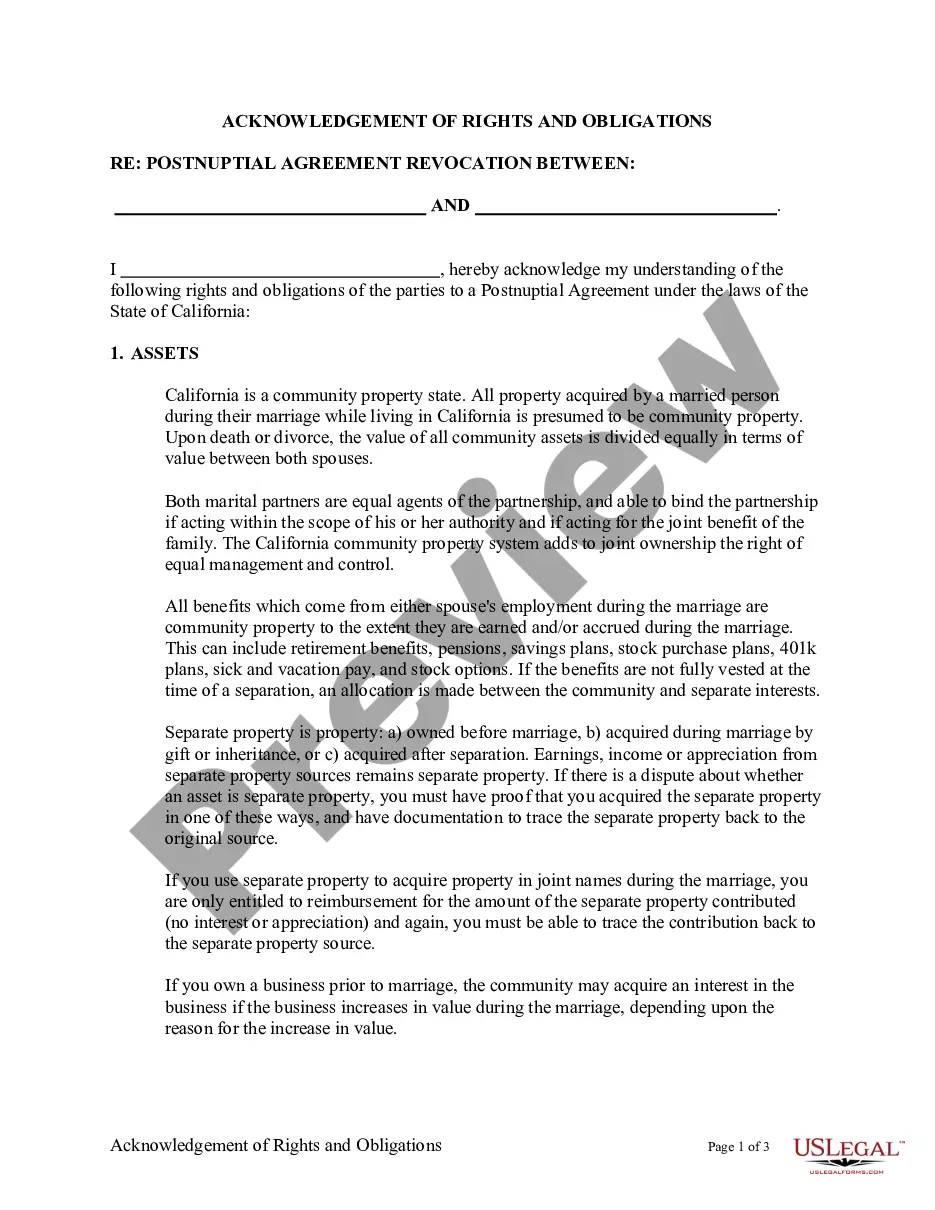
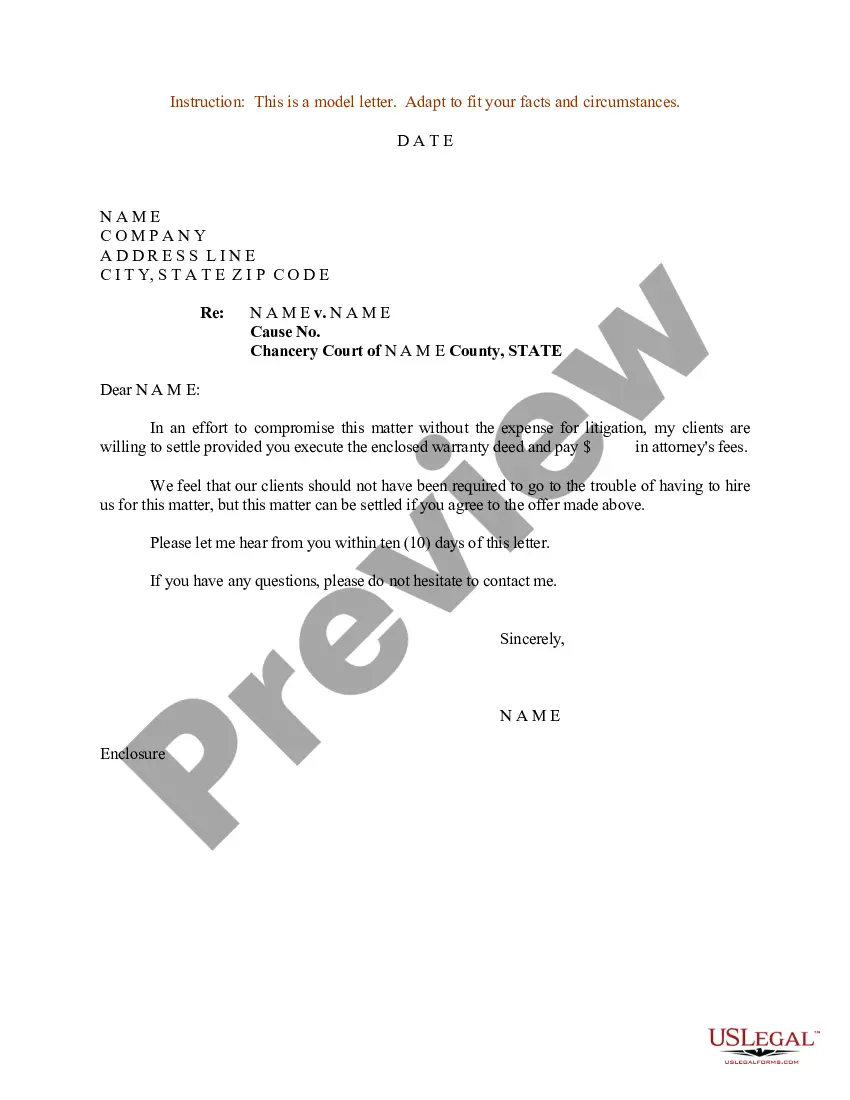
Debt Settlement Letter Sample With Payment In Clark
Description


Get your form ready online
Our built-in tools help you complete, sign, share, and store your documents in one place.
Make edits, fill in missing information, and update formatting in US Legal Forms—just like you would in MS Word.
Download a copy, print it, send it by email, or mail it via USPS—whatever works best for your next step.
Sign and collect signatures with our SignNow integration. Send to multiple recipients, set reminders, and more. Go Premium to unlock E-Sign.
If this form requires notarization, complete it online through a secure video call—no need to meet a notary in person or wait for an appointment.
We protect your documents and personal data by following strict security and privacy standards.

Make edits, fill in missing information, and update formatting in US Legal Forms—just like you would in MS Word.

Download a copy, print it, send it by email, or mail it via USPS—whatever works best for your next step.

Sign and collect signatures with our SignNow integration. Send to multiple recipients, set reminders, and more. Go Premium to unlock E-Sign.

If this form requires notarization, complete it online through a secure video call—no need to meet a notary in person or wait for an appointment.

We protect your documents and personal data by following strict security and privacy standards.
Looking for another form?







Form popularity
FAQ
Open with an introduction: Address the recipient respectfully and state the purpose of the letter—requesting a payment plan agreement. Provide context: Briefly explain the circumstances, such as financial constraints or unforeseen challenges, that necessitate the request.
These are the steps to follow: Work out what you can offer the people you owe. Send your offer to them in writing. Ask them to confirm they accept your offer in writing. Keep any letters your creditors send you about the settlement offer. Negotiate with your creditors if you need to.
Clearly define objectives before drafting the settlement offer. If monetary compensation is involved, the offer should specify the amount, payment schedule, and contingencies for non-payment. Non-monetary terms, such as confidentiality clauses, mutual releases, or other protective measures, should also be considered.
Settling out of court Make sure the process is perceived to be fair. Identify interests and tradeoffs. Insist on decision analysis. Reduce discovery costs.
While writing a demand letter, include all the payment terms and details, such as: Invoice number, Initial payment due date, The number of days/weeks/months that have passed since you dispatched the original invoice, The amount due as of now, The date of your service delivery, The new payment deadline, and.
How to Ask for Payment Professionally Check the Client Received the Invoice. Send a Brief Email Requesting Payment. Speak to the Client By Phone. Consider Cutting off Future Work. Research Collection Agencies. Review Your Legal Options.
Dear Name, Further to my previous correspondence, I am contacting you regarding late payment for invoice invoice number. The invoice was due on due date, and payment is now overdue by number of days overdue. Be advised that late payment interest may be applied if we do not receive payment within 30 days.
Be polite and friendly and ask your client what happened and how you could help to find a solution, like accepting a payment settlement. Also, describe your situation and the company risks you may face because of this outstanding invoice. Hopefully, your client will be convinced to proceed with the payment.
The debt settlement company calls the borrower's creditor and negotiates a lump-sum debt payment of $20,000 to satisfy the previously required monthly debt payments of $10,000. The creditor, having written off the borrower due to non-payments for three months, accepts the lump-sum payment of $20,000.
Clearly outline the specifics of the debt, including: Amount owed: Specify the exact amount due. Original due date: Mention when the payment was initially due. Current due date: Specify a new due date by which you expect payment. Interest or fees: If applicable, include any interest or late fees that have accrued.