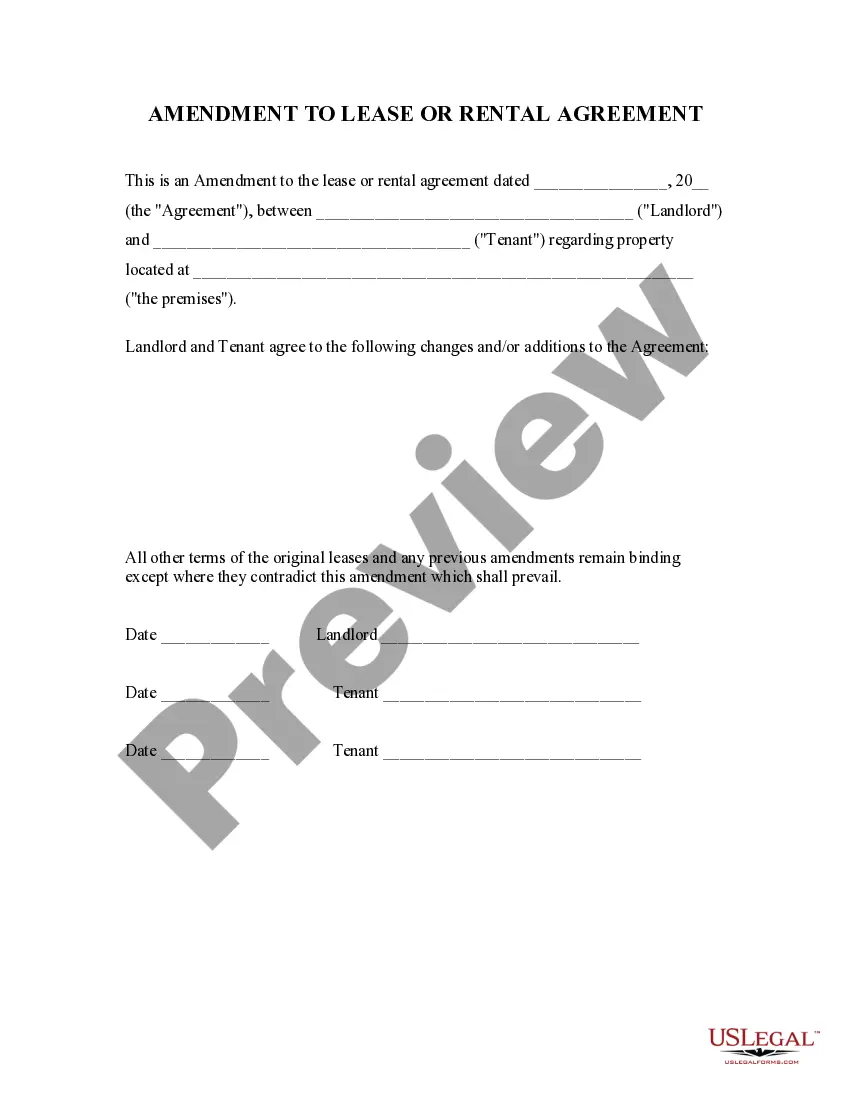
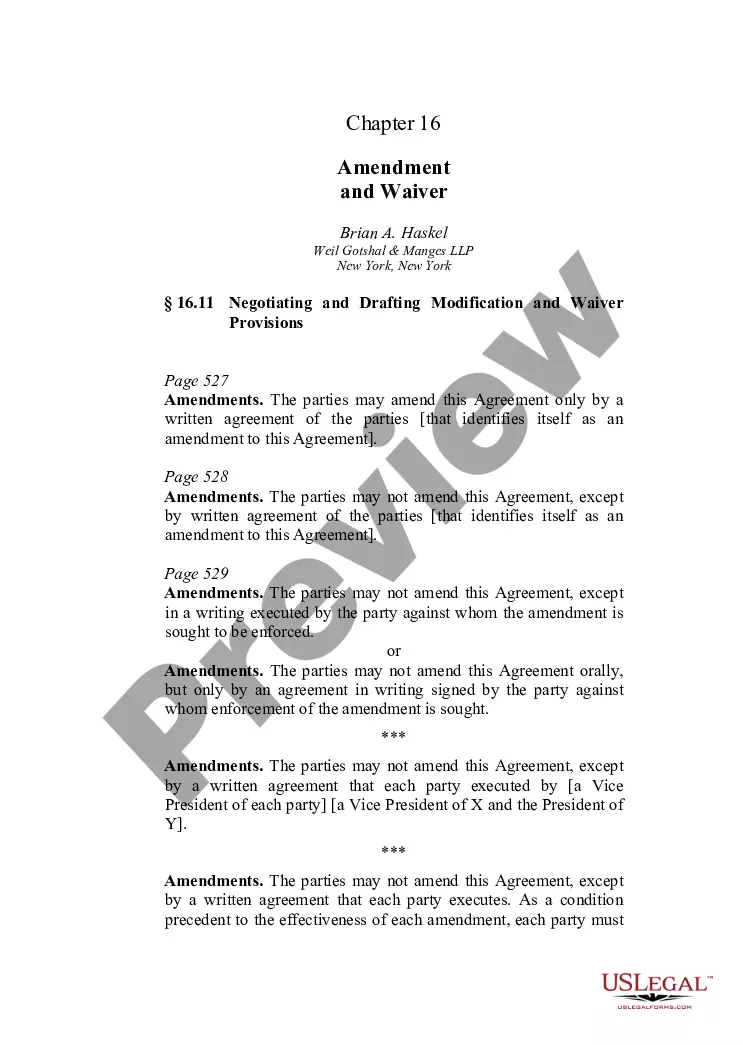
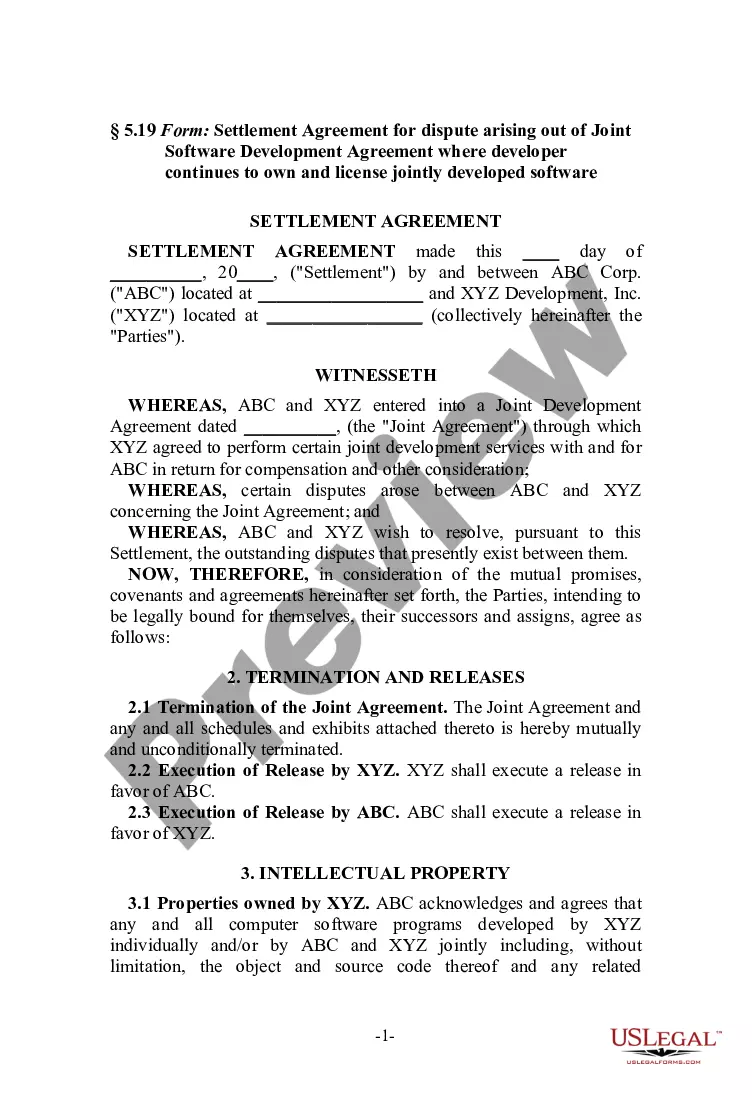
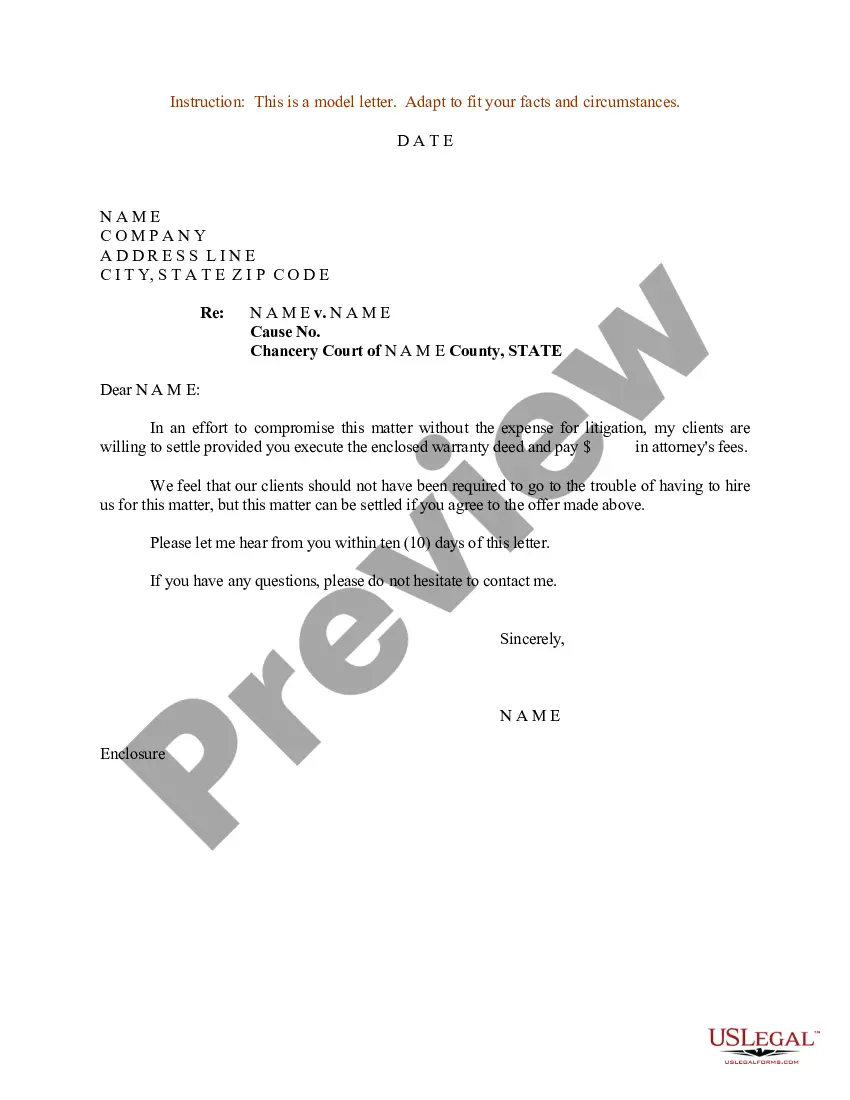
Debt Settlement Letter Sample With Full In Bronx
Description


Get your form ready online
Our built-in tools help you complete, sign, share, and store your documents in one place.
Make edits, fill in missing information, and update formatting in US Legal Forms—just like you would in MS Word.
Download a copy, print it, send it by email, or mail it via USPS—whatever works best for your next step.
Sign and collect signatures with our SignNow integration. Send to multiple recipients, set reminders, and more. Go Premium to unlock E-Sign.
If this form requires notarization, complete it online through a secure video call—no need to meet a notary in person or wait for an appointment.
We protect your documents and personal data by following strict security and privacy standards.

Make edits, fill in missing information, and update formatting in US Legal Forms—just like you would in MS Word.

Download a copy, print it, send it by email, or mail it via USPS—whatever works best for your next step.

Sign and collect signatures with our SignNow integration. Send to multiple recipients, set reminders, and more. Go Premium to unlock E-Sign.

If this form requires notarization, complete it online through a secure video call—no need to meet a notary in person or wait for an appointment.

We protect your documents and personal data by following strict security and privacy standards.
Looking for another form?










Form popularity
FAQ
An employee must go through the Full and Final Settlement Letter, or FnF settlement, process when they quit or leave their job. Typically, this FnF settlement falls under the purview of the organization's HR division.
I am writing this letter to state that on _ (Day) i.e. (Date), I got relieved from your _ (Company/ Organization) but my full and final settlement has not been done. I request you to kindly do the full and final settlement and send me all dues (if any).
Frequently Asked Questions (FAQ) Type your letter. Concisely review the main facts. Be polite. Write with your goal in mind. Ask for exactly what you want. Set a deadline. End the letter by stating you will promptly pursue legal remedies if the other party does not meet your demand. Make and keep copies.
How to make a full and final settlement offer Assess your finances. Before making any offer, take a close look at your financial situation. Prepare your offer. Draft a formal letter to your creditor outlining your full and final settlement offer. Negotiate. Get the agreement in writing.
Settlement is simply quicker, easier, and cheaper than going through a trial. One of the first steps in settling a case is to write and send a settlement demand letter to the party responsible for paying your claim—typically, an insurance company. You need to draft your demand letter with care.
These are the steps to follow: Work out what you can offer the people you owe. Send your offer to them in writing. Ask them to confirm they accept your offer in writing. Keep any letters your creditors send you about the settlement offer. Negotiate with your creditors if you need to.
What things should be included in the Full and Final Settlement Letter? Settlement Amount: Clearly state the finalized amount to be settled. Settlement Cheque: Provide details regarding the issuance of the settlement cheque. Resignation/Termination Date: Specify the date on which the employee resigned or was terminated.
The following guidelines can help you settle out of court and reach creative, mutually beneficial resolutions to your disputes, with or without lawyers at the table. Make sure the process is perceived to be fair. Identify interests and tradeoffs. Insist on decision analysis. Reduce discovery costs.
Some collectors want 75%–80% of what you owe. Others will take 50%, while others might settle for one-third or less. So, it makes sense to start low with your first offer and see what happens. And be aware that some collectors won't accept anything less than the total debt amount.