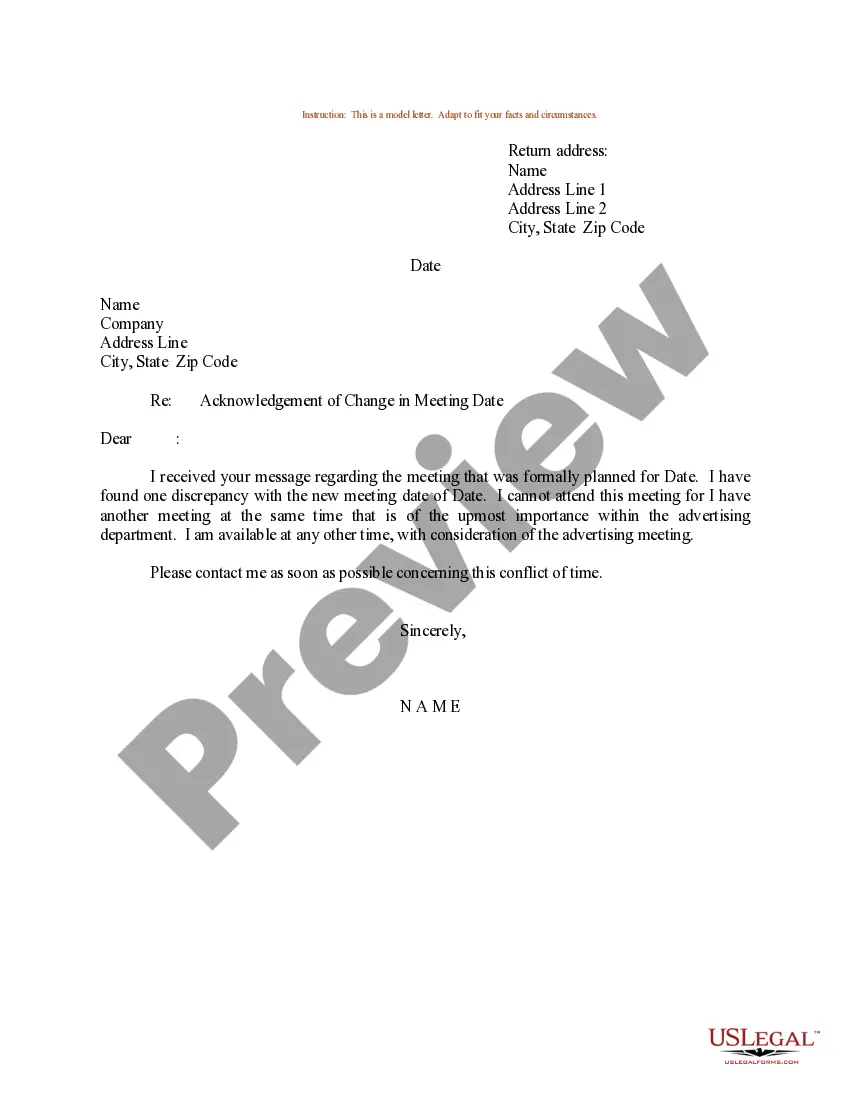
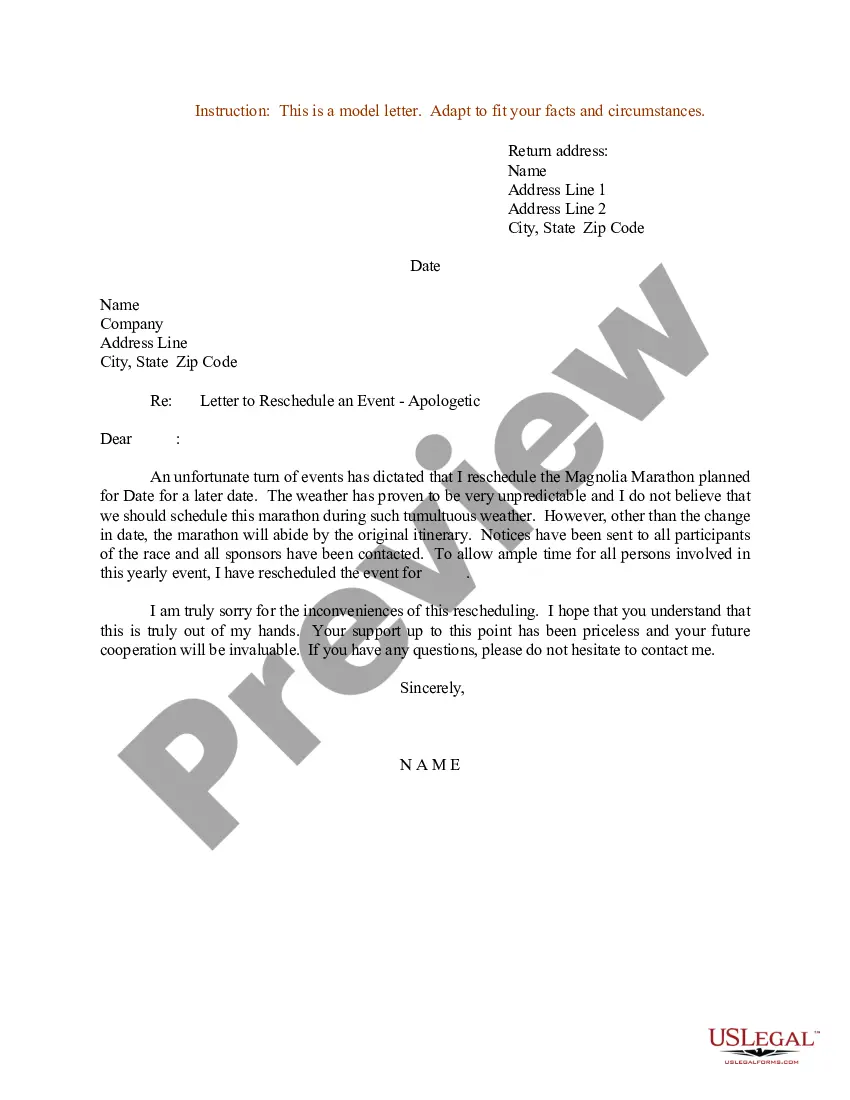
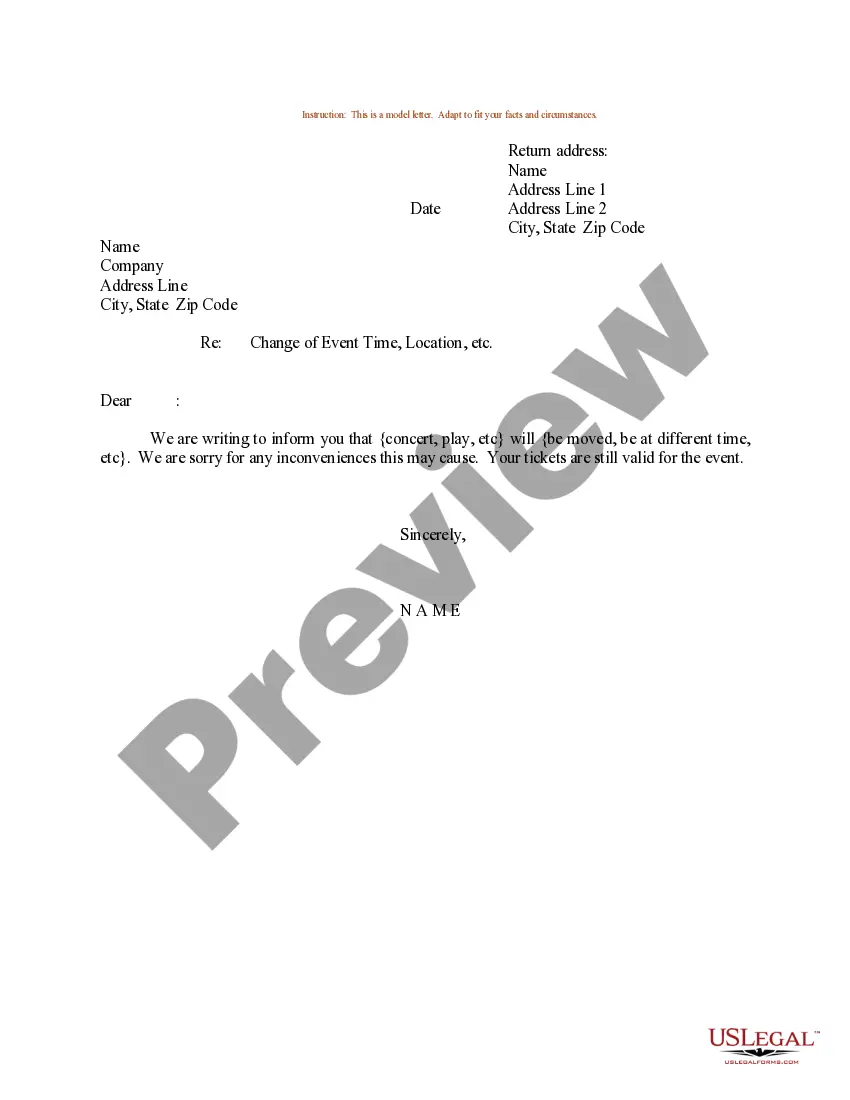
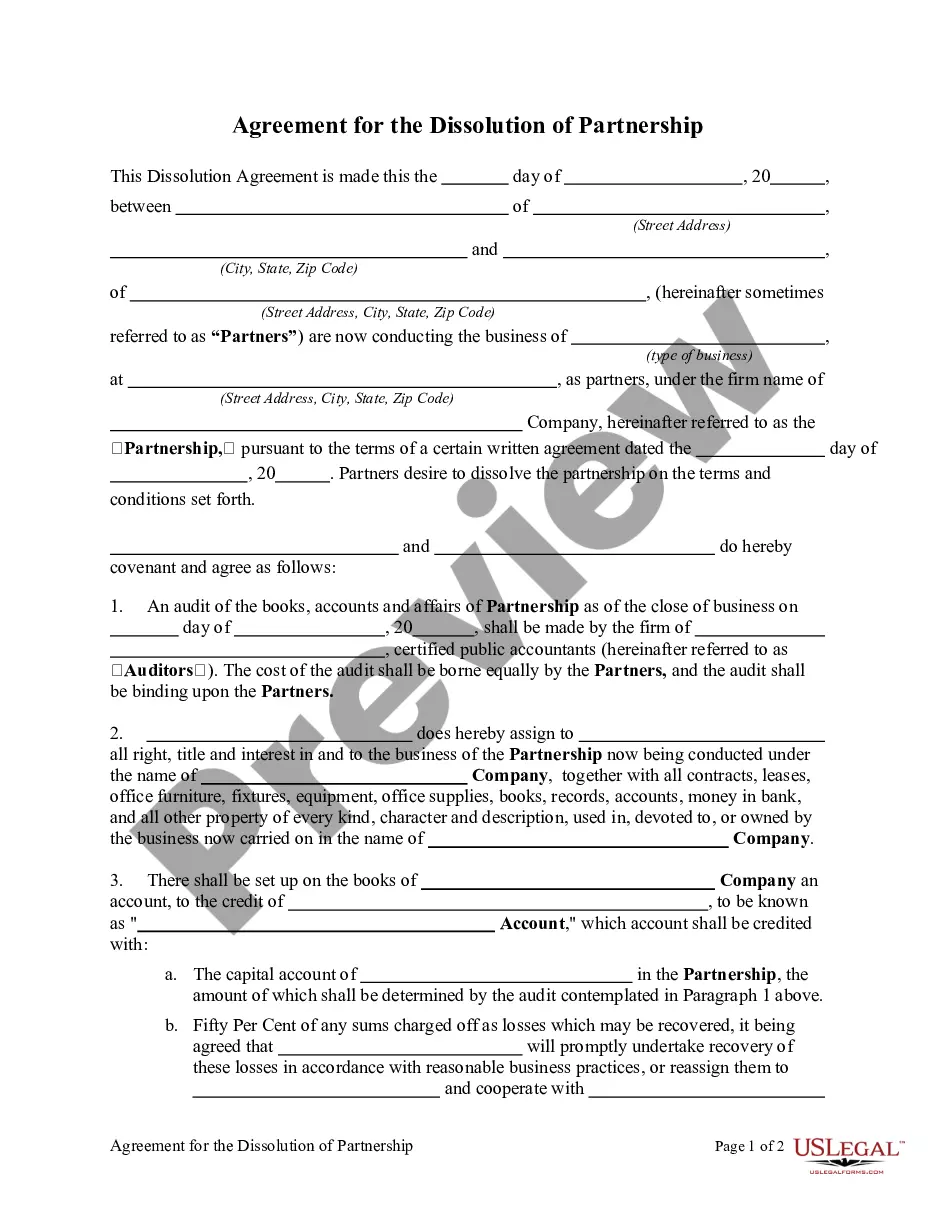
Letter Change Date Sample With Last In Tarrant
Description

Get your form ready online
Our built-in tools help you complete, sign, share, and store your documents in one place.
Make edits, fill in missing information, and update formatting in US Legal Forms—just like you would in MS Word.
Download a copy, print it, send it by email, or mail it via USPS—whatever works best for your next step.
Sign and collect signatures with our SignNow integration. Send to multiple recipients, set reminders, and more. Go Premium to unlock E-Sign.
If this form requires notarization, complete it online through a secure video call—no need to meet a notary in person or wait for an appointment.
We protect your documents and personal data by following strict security and privacy standards.

Make edits, fill in missing information, and update formatting in US Legal Forms—just like you would in MS Word.

Download a copy, print it, send it by email, or mail it via USPS—whatever works best for your next step.

Sign and collect signatures with our SignNow integration. Send to multiple recipients, set reminders, and more. Go Premium to unlock E-Sign.

If this form requires notarization, complete it online through a secure video call—no need to meet a notary in person or wait for an appointment.

We protect your documents and personal data by following strict security and privacy standards.
Looking for another form?







Form popularity
FAQ
All jurors must wear appropriate business attire for jury duty. Shorts, tank tops, or flip flops are not considered appropriate attire, but jeans are acceptable. The Jury Assembly Room is available during your breaks and lunch hours.
Send a file-stamped copy of your Notice of Current Address form to the State Case Registry and to the Office of the Attorney General if it is involved in your case. You will need the mailing address for the State Case Registry.
You can be excused from jury service if: You are 75 years of age or older. You have legal custody of a child under the age of 12 and jury service would necessitate leaving this child without adequate supervision. You are a high school or college student in actual attendance.
A case may be dismissed for want of prosecution on failure of any party seeking affirmative relief or his attorney to appear for any hearing or trial of which the party or attorney had notice, or on failure of the party or his attorney to request a hearing or take other action specified by the court within fifteen days ...