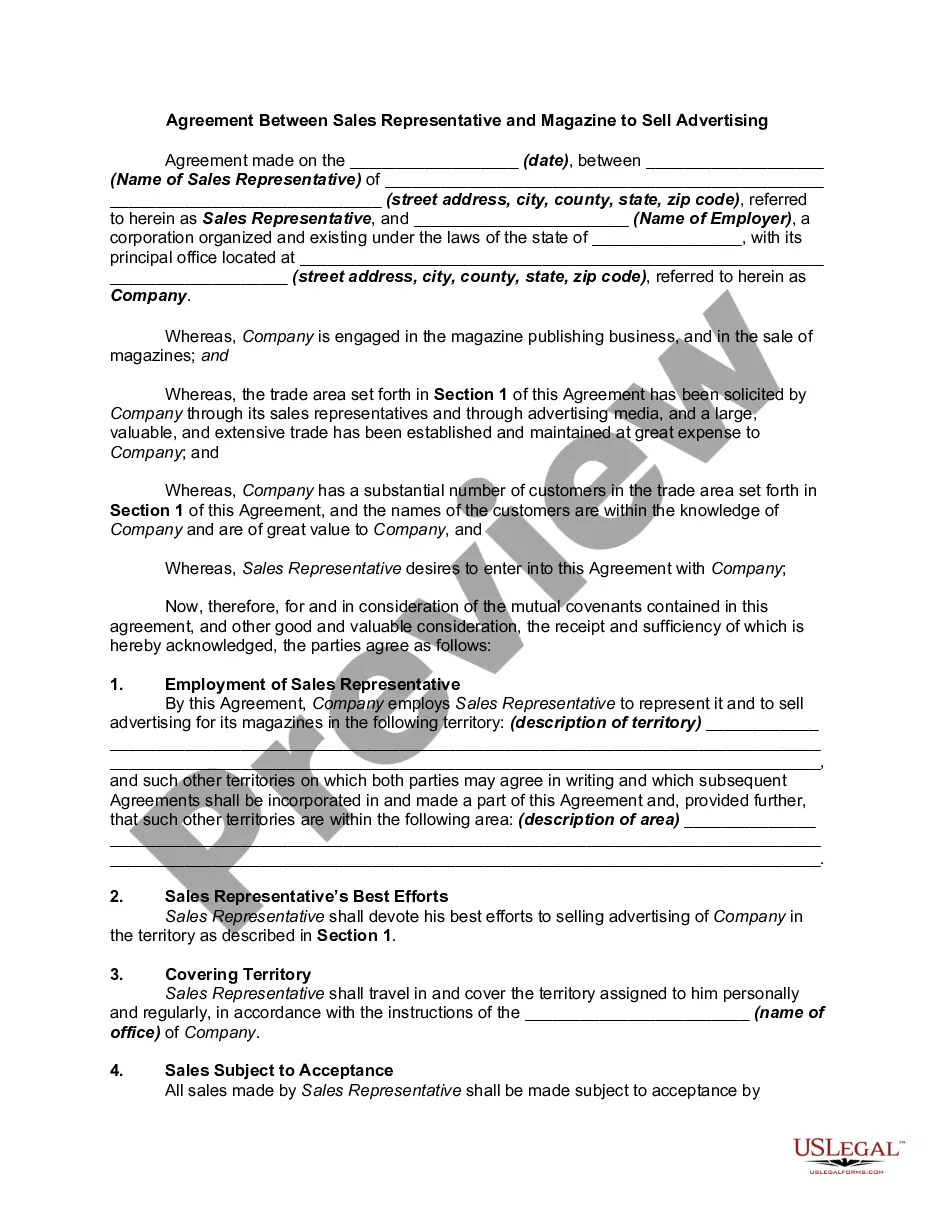
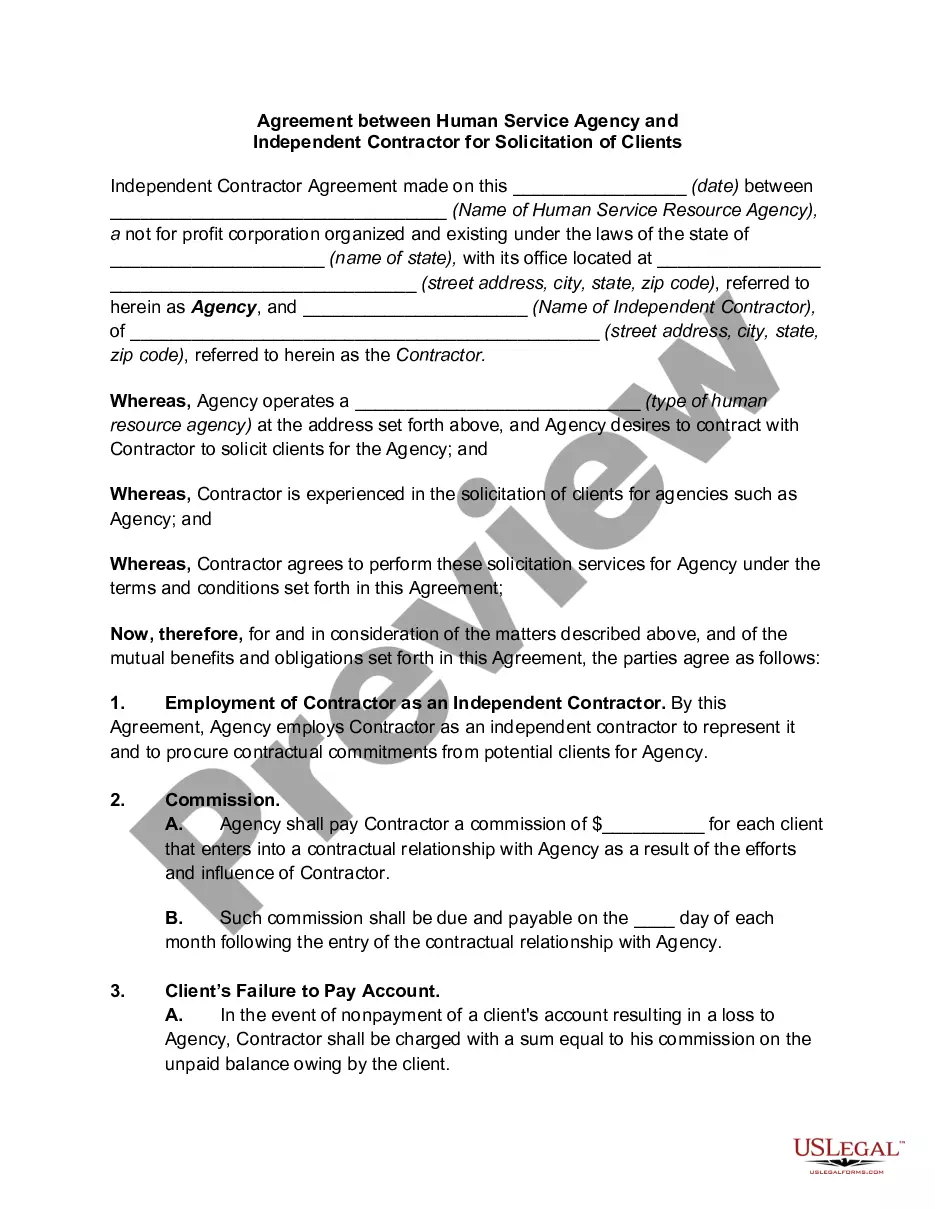
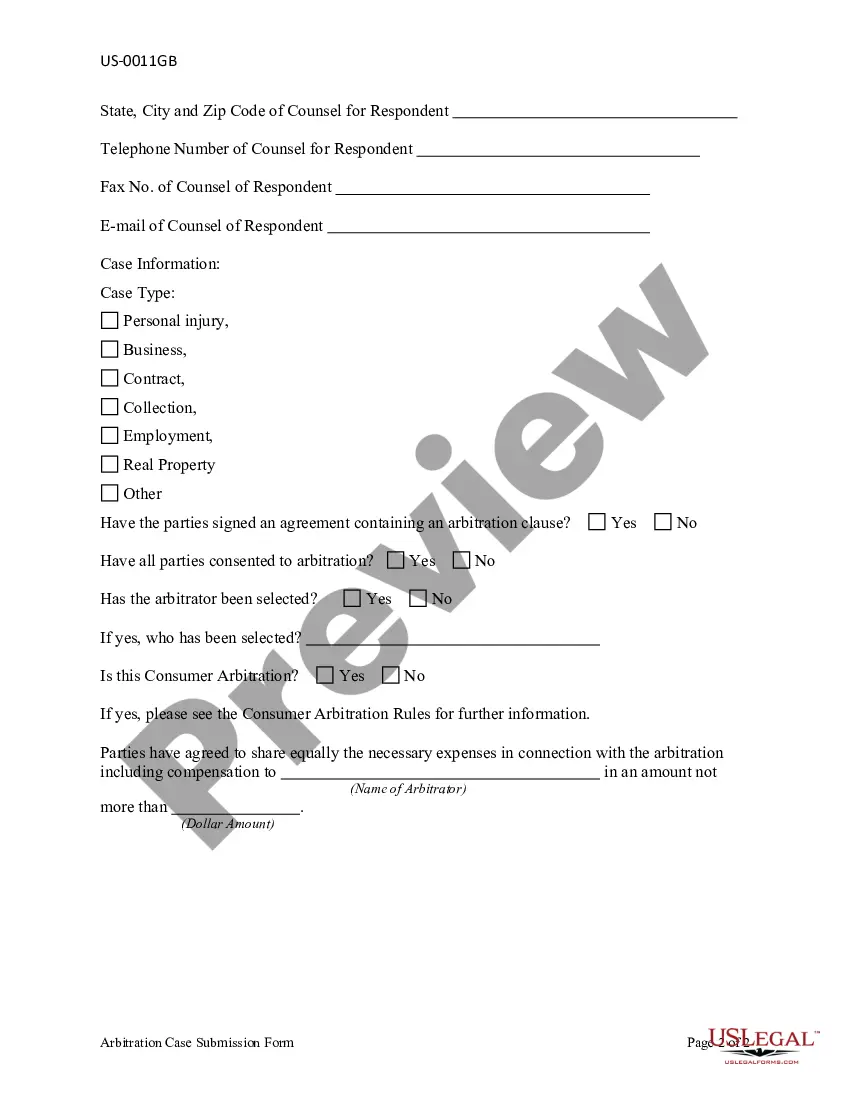
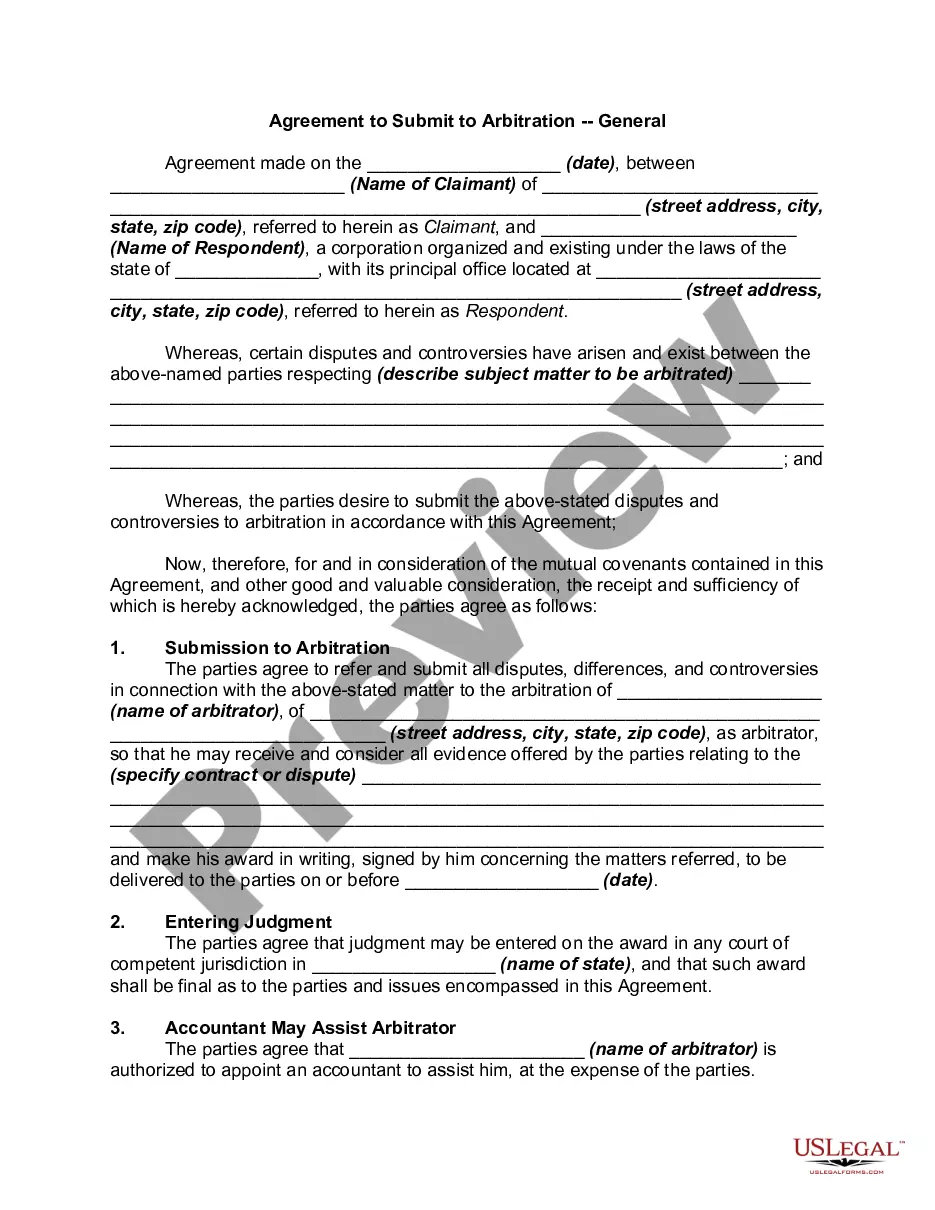
Arbitration Case Statement With Select In Suffolk
Description



Get your form ready online
Our built-in tools help you complete, sign, share, and store your documents in one place.
Make edits, fill in missing information, and update formatting in US Legal Forms—just like you would in MS Word.
Download a copy, print it, send it by email, or mail it via USPS—whatever works best for your next step.
Sign and collect signatures with our SignNow integration. Send to multiple recipients, set reminders, and more. Go Premium to unlock E-Sign.
If this form requires notarization, complete it online through a secure video call—no need to meet a notary in person or wait for an appointment.
We protect your documents and personal data by following strict security and privacy standards.

Make edits, fill in missing information, and update formatting in US Legal Forms—just like you would in MS Word.

Download a copy, print it, send it by email, or mail it via USPS—whatever works best for your next step.

Sign and collect signatures with our SignNow integration. Send to multiple recipients, set reminders, and more. Go Premium to unlock E-Sign.

If this form requires notarization, complete it online through a secure video call—no need to meet a notary in person or wait for an appointment.

We protect your documents and personal data by following strict security and privacy standards.
Looking for another form?





Form popularity
FAQ
Arbitration is a procedure in which a dispute is submitted, by agreement of the parties, to one or more arbitrators who make a binding decision on the dispute. In choosing arbitration, the parties opt for a private dispute resolution procedure instead of going to court.
The FAA permits an arbitrator to award punitive damages. However, parties to a FAA-governed arbitration may also agree to exclude punitive damages directly (by expressly agreeing to do so) or indirectly (by invoking New York's arbitration limitations, including the Garrity rule).
Arbitrability indicates whether a dispute is “arbitrable”, i.e. capable of being settled by arbitration. Although arbitration is a private proceeding, the recognition and enforcement of a particular award may have an impact on any States involved.
Where both parties wish to conciliate, or where one party wishes to conciliate and the other party's consent has been obtained by the arbitral tribunal, the arbitral tribunal may conciliate the dispute during the arbitral proceedings. The parties may also settle their dispute by themselves.
Arbitration clauses are included in a contract before a dispute arises, while settlement agreements are reached after a dispute has arisen.
If the parties agree to settle the dispute, they shall draw up and sign a written settlement agreement duly signed by the parties including the DRC members. When the parties sign the settlement agreement, it shall be final and binding on the parties.
If the parties have not appointed any arbitrator(s) and have not provided another method of appointment, then generally the case manager submits a list of potential arbitrators to the parties, who then may strike any names and rank the remaining in order of preference.
In arbitration, a neutral third party serves as a judge who is responsible for resolving the dispute. The arbitrator listens as each side argues its case and presents relevant evidence, then renders a binding decision.
After the opening statement, the claimants present evidence, that is, the details of their case. For example, they present witnesses and introduce any relevant documents. If the arbitrators did not swear a witness in at the beginning of a hearing, they will administer the oath before that person testifies.