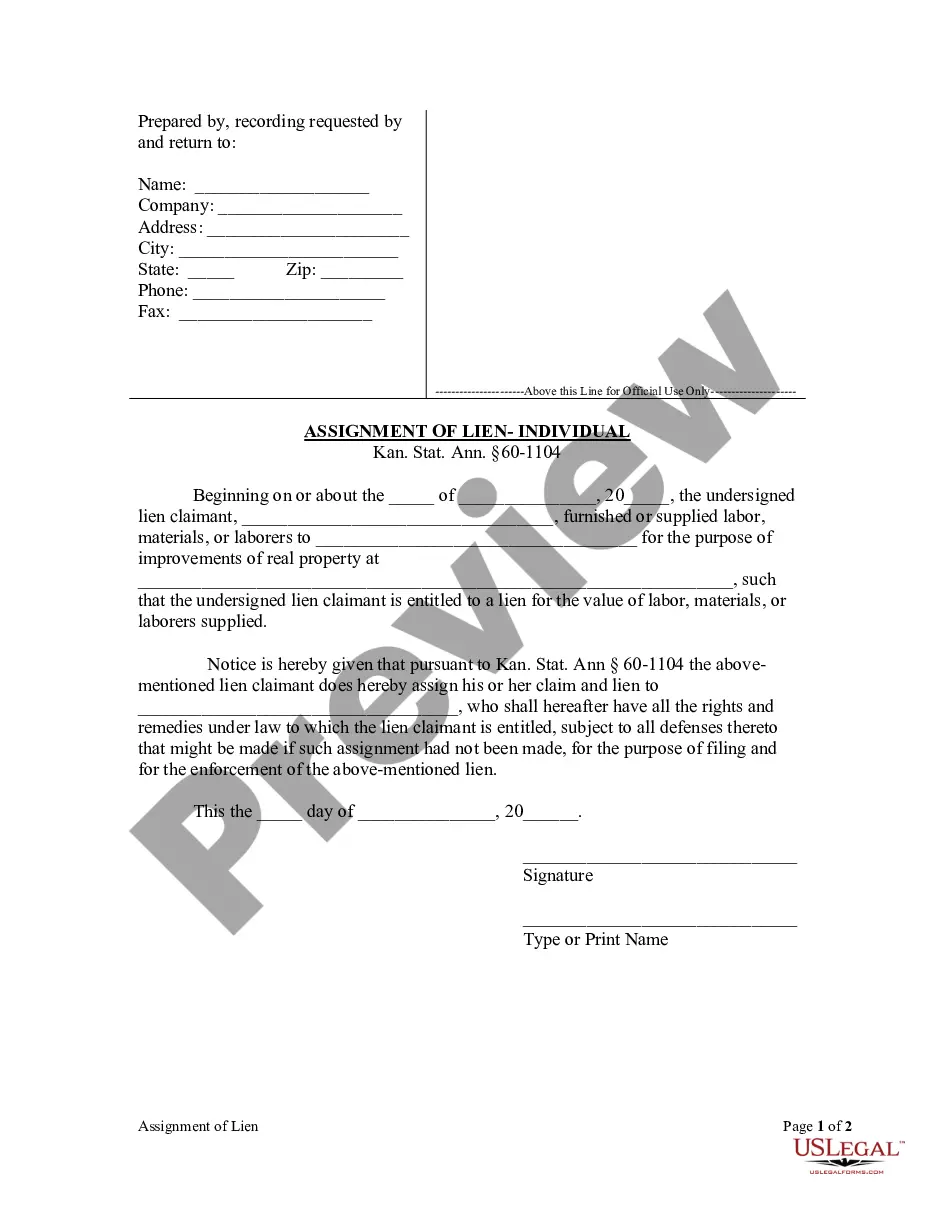
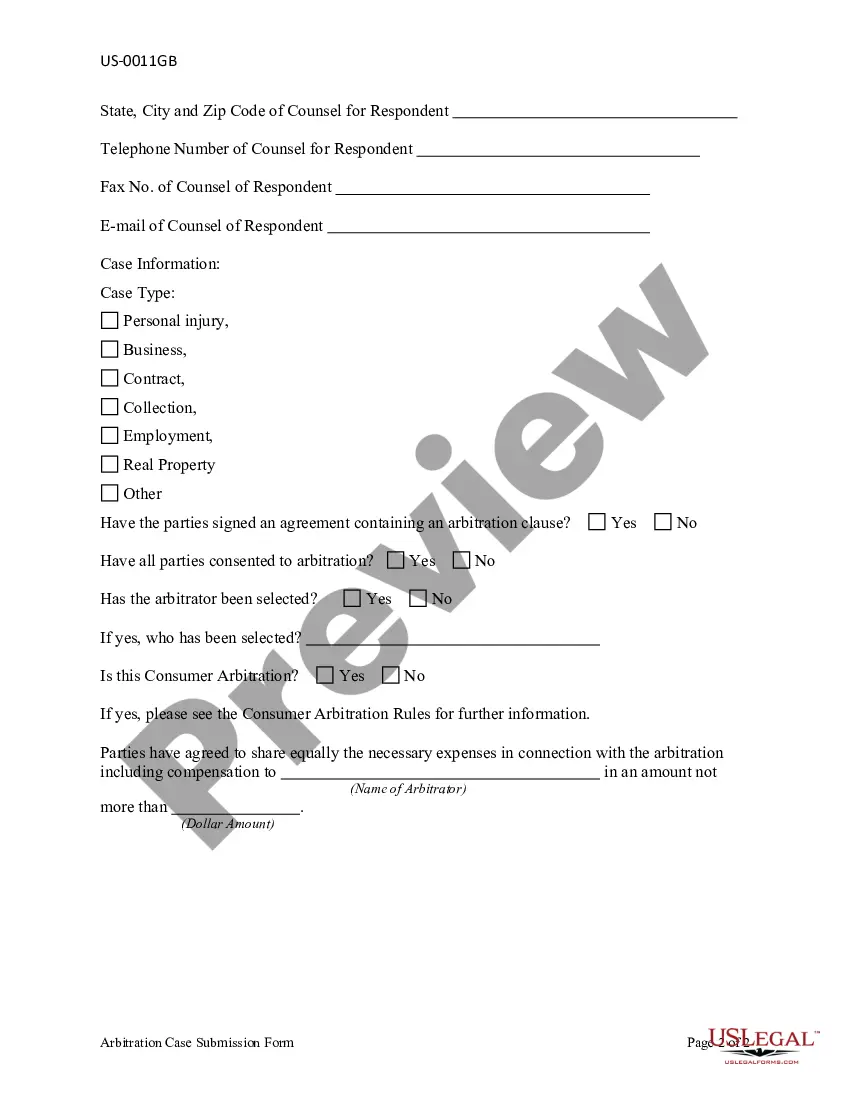
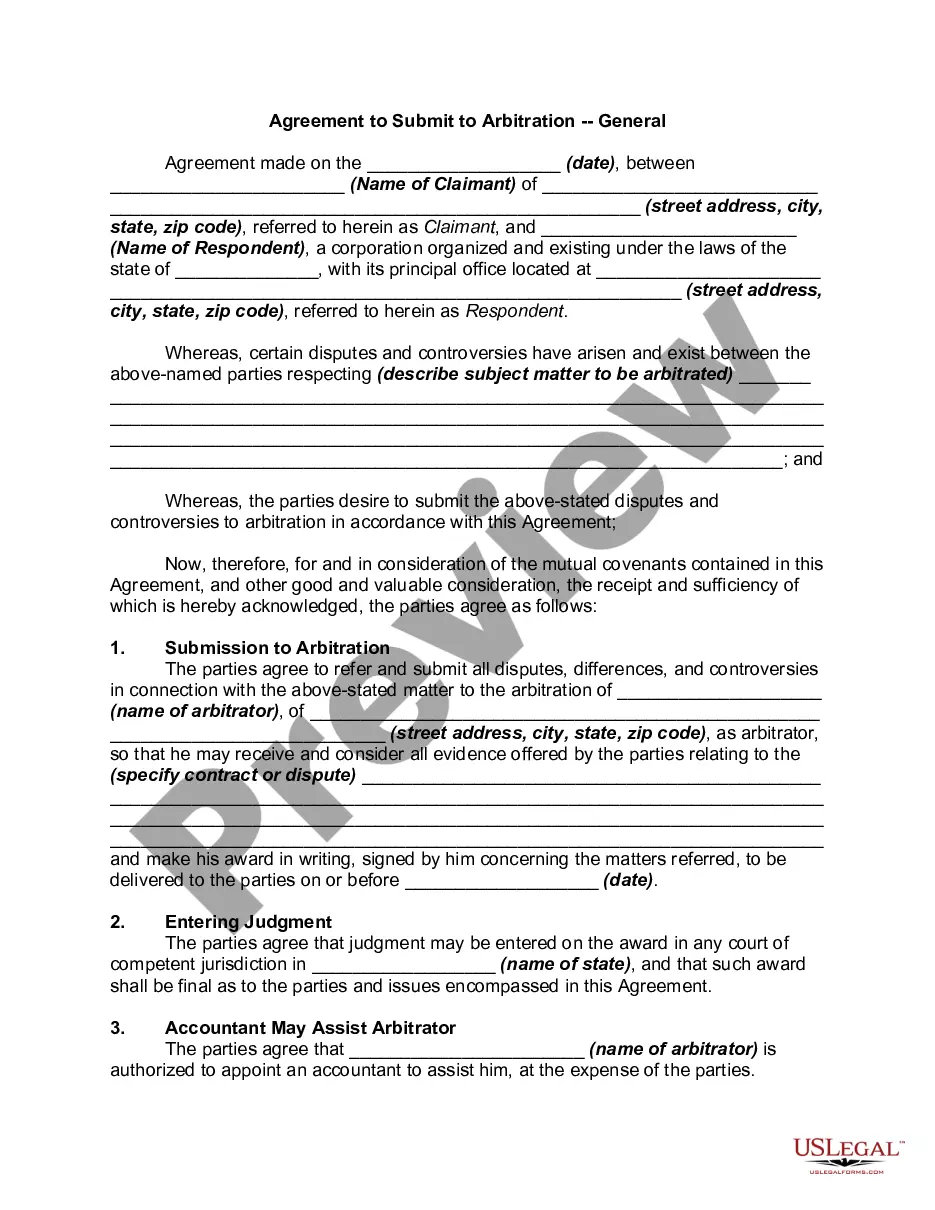
Arbitration Case Statement Format In Suffolk
Description



Get your form ready online
Our built-in tools help you complete, sign, share, and store your documents in one place.
Make edits, fill in missing information, and update formatting in US Legal Forms—just like you would in MS Word.
Download a copy, print it, send it by email, or mail it via USPS—whatever works best for your next step.
Sign and collect signatures with our SignNow integration. Send to multiple recipients, set reminders, and more. Go Premium to unlock E-Sign.
If this form requires notarization, complete it online through a secure video call—no need to meet a notary in person or wait for an appointment.
We protect your documents and personal data by following strict security and privacy standards.

Make edits, fill in missing information, and update formatting in US Legal Forms—just like you would in MS Word.

Download a copy, print it, send it by email, or mail it via USPS—whatever works best for your next step.

Sign and collect signatures with our SignNow integration. Send to multiple recipients, set reminders, and more. Go Premium to unlock E-Sign.

If this form requires notarization, complete it online through a secure video call—no need to meet a notary in person or wait for an appointment.

We protect your documents and personal data by following strict security and privacy standards.
Looking for another form?






Form popularity
FAQ
Legal Examples: A Show Cause Order is issued to a party who has allegedly violated a court order. The individual must appear in court to explain why they should not be held in contempt for failing to comply with the original order, such as not paying court-ordered child support.
MOTIONS/ORDERS TO SHOW CAUSE The Notice of Motion, affirmations, affidavits and exhibits must be filed as SEPARATE documents. A proposed Order To Show Cause is filed in the same manner as a Notice of Motion using document type ORDER TO SHOW CAUSE (PROPOSED) in place of the Notice of Motion.
It is mandatory that a Show Cause Notice (SCN) is issued if the department contemplates any action prejudicial to the assessee. The SCN would detail the provisions of law allegedly violated and ask the noticee to show cause why action should not be initiated against him under the relevant provisions of the Act/Rules.
An order to show cause (O.S.C.), is a court order or the demand of a judge requiring a party to justify or explain why the court should or should not grant a motion or a relief. For example, if a party requests a restraining order from a judge, the judge may need more information.
On the next court date, there will be a hearing to determine if you have indeed violated a previous written order of the court. If you are unable to show the Court that you have not violated the Order, then you will most likely be held in Contempt of Court.
“In the state of New York, you have three years from the time the accident occurred to file a lawsuit, however if you're suing a governmental agency then that statute is different; you have one year and 90 days from the time the incident occurred.”
The Civil Court has monetary jurisdiction up to $50,000.00, including replevin when the value of the chattel does not exceed that amount.
You start a lawsuit by filing a complaint. In some circumstances, you file a petition or a motion. The court has several complaint forms that you may use in drafting your complaint. The forms are available online and at the Pro Se Intake Unit.