Federal Arbitration Act Right To Appeal In Phoenix
Description

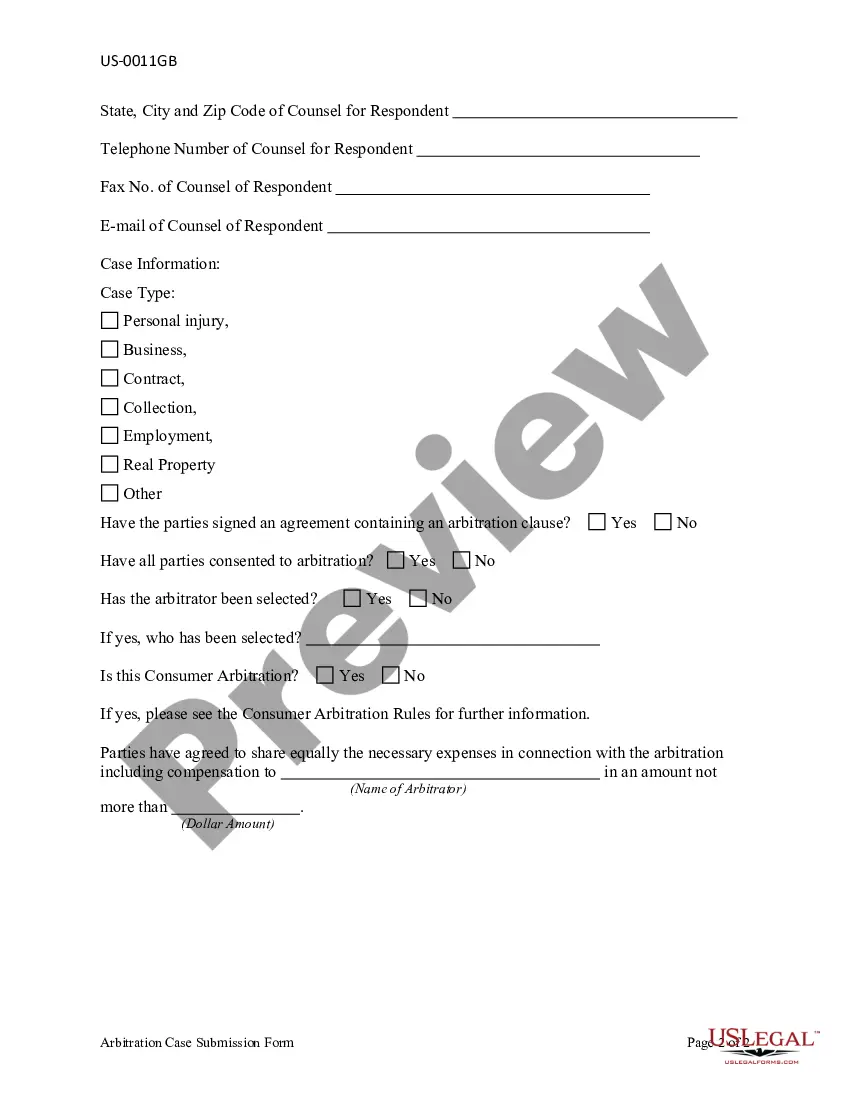

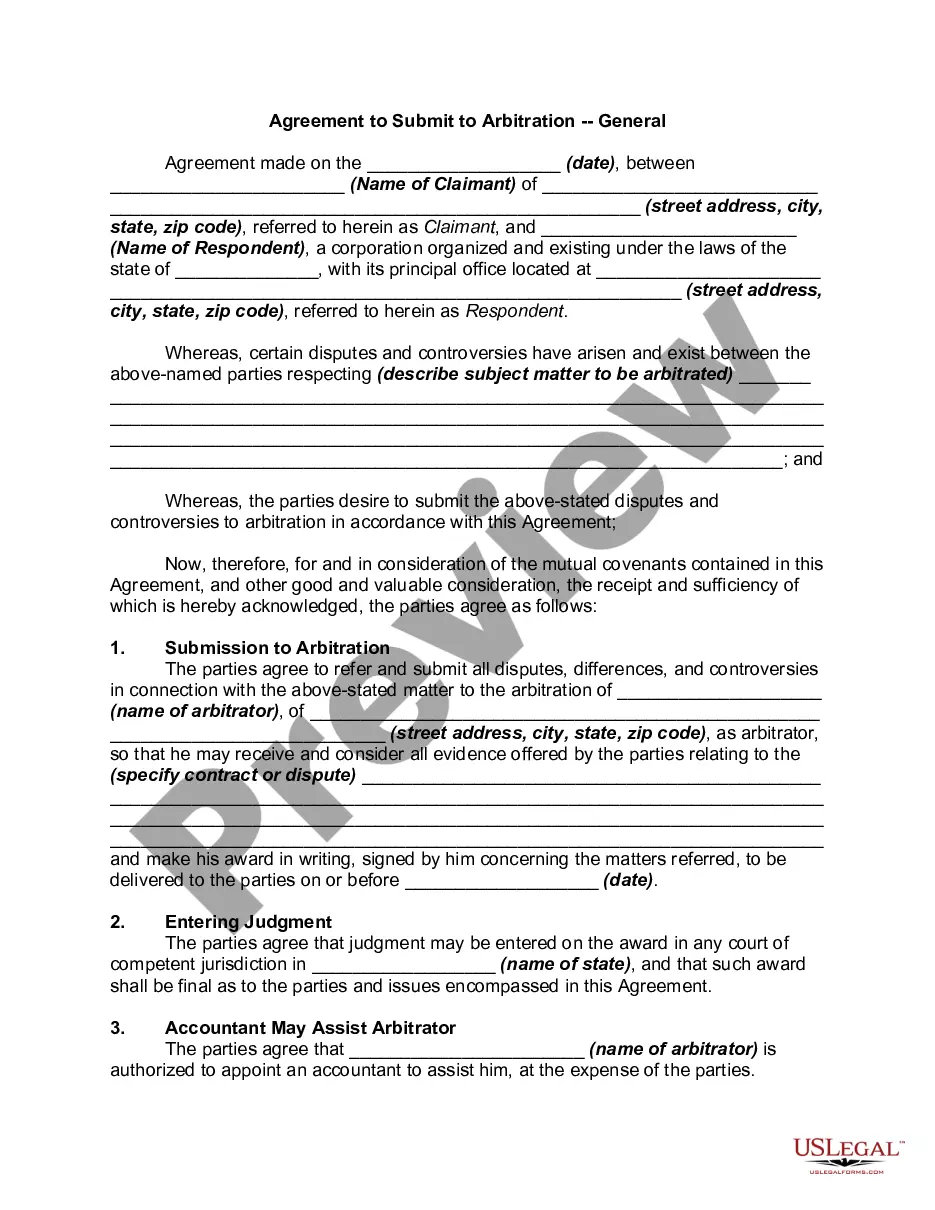

Get your form ready online
Our built-in tools help you complete, sign, share, and store your documents in one place.
Make edits, fill in missing information, and update formatting in US Legal Forms—just like you would in MS Word.
Download a copy, print it, send it by email, or mail it via USPS—whatever works best for your next step.
Sign and collect signatures with our SignNow integration. Send to multiple recipients, set reminders, and more. Go Premium to unlock E-Sign.
If this form requires notarization, complete it online through a secure video call—no need to meet a notary in person or wait for an appointment.
We protect your documents and personal data by following strict security and privacy standards.

Make edits, fill in missing information, and update formatting in US Legal Forms—just like you would in MS Word.

Download a copy, print it, send it by email, or mail it via USPS—whatever works best for your next step.

Sign and collect signatures with our SignNow integration. Send to multiple recipients, set reminders, and more. Go Premium to unlock E-Sign.

If this form requires notarization, complete it online through a secure video call—no need to meet a notary in person or wait for an appointment.

We protect your documents and personal data by following strict security and privacy standards.
Looking for another form?





Form popularity
FAQ
The answer is yes, through a process called vacatur, i.e., having the award vacated or canceled. The vacatur process is set forth in two statutes: the Federal Arbitration Act and the applicable state arbitration act governing the dispute. Depending on the case, one or both statutes may be applicable.
All civil cases filed with the Clerk of the Court in which the Court finds or the parties agree that the amount in controversy does not exceed $50,000 shall be subject to the provisions of A.R.S. § 12-133 and Rules 72 to 77 of the Arizona Rules of Civil Procedure governing compulsory arbitration.
By comparison, under the Arbitration Act, a party may appeal an award on a question of law arising out of the award by agreement of the parties or by leave of court as well.
The appeal must be commenced within thirty (30) days of the date on which the original award is submitted to the parties and only on the grounds that the original award is based upon “(1) an error of law that is material and prejudicial; or (2) determinations of fact that are clearly erroneous.”11 AAA will then arrange ...
In California, errors of law committed by the arbitrator, no matter how substantial, are generally not grounds for challenging the arbitrator's award. The rationale is because the parties have agreed that the arbitrator's decision, whether right or wrong, would be final and conclusive.
Once an arbitrator issues an award, either an agency or a union may appeal the arbitrator's award by filing an "exception" with the Authority within 30 days after the date on which the Arbitrator served the award on the parties.
Arizona generally recognizes arbitration agreements as enforceable and irrevocable contracts, absent legal or equitable reasons to justify their unenforceability, where the following elements are present: (1) a mutuality of obligation; (2) formal requirements such as writing and signature; (3) consideration by both ...
Once an arbitrator issues an award, either an agency or a union may appeal the arbitrator's award by filing an "exception" with the Authority within 30 days after the date on which the Arbitrator served the award on the parties.
Rule 77 - Trials (a)Setting Cases for Trial. Unless the court has already set a trial on its own or at a resolution management conference or a scheduling conference, any party may file a motion to set a case for trial.
The grounds for attacking an arbitration award under common law are listed; they include fraud, misconduct, and gross unfairness by the arbitrator.