Arbitration Case Examples In Philadelphia
Description

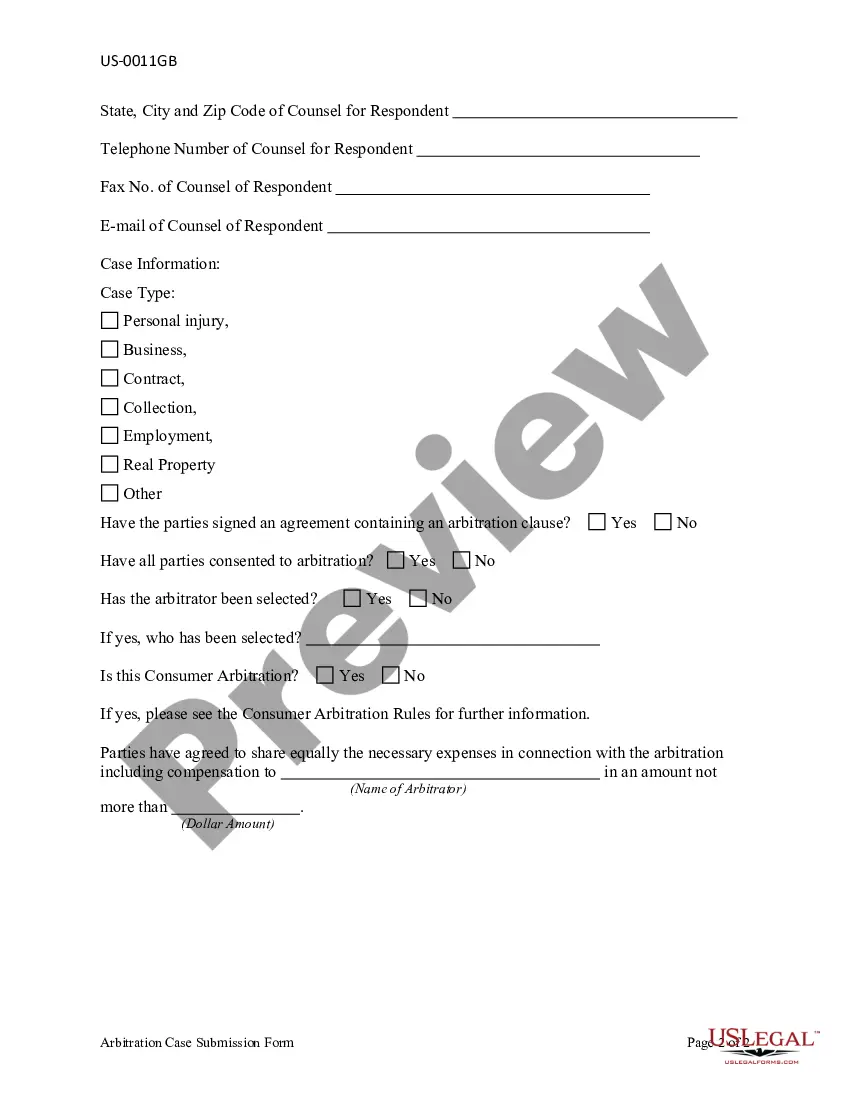

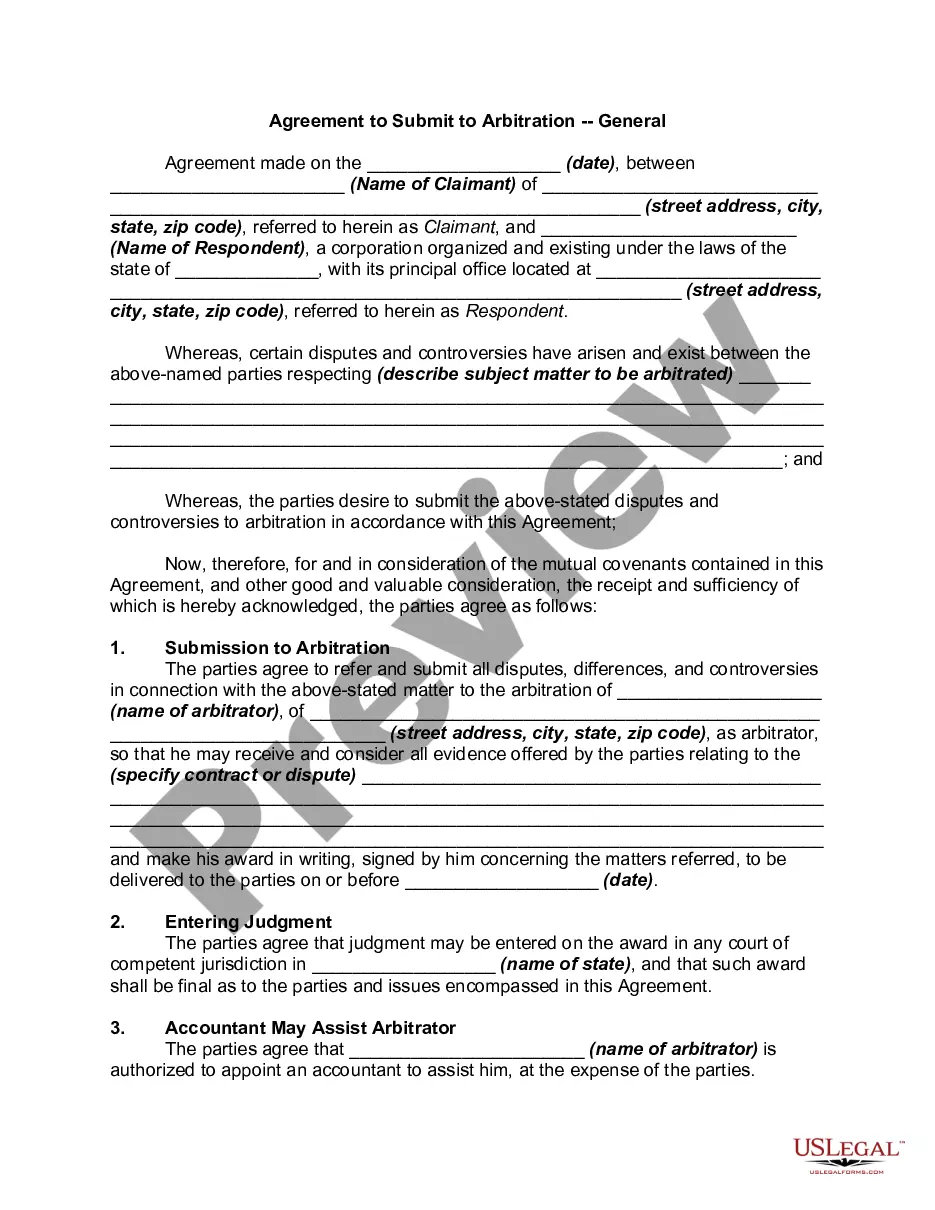

Get your form ready online
Our built-in tools help you complete, sign, share, and store your documents in one place.
Make edits, fill in missing information, and update formatting in US Legal Forms—just like you would in MS Word.
Download a copy, print it, send it by email, or mail it via USPS—whatever works best for your next step.
Sign and collect signatures with our SignNow integration. Send to multiple recipients, set reminders, and more. Go Premium to unlock E-Sign.
If this form requires notarization, complete it online through a secure video call—no need to meet a notary in person or wait for an appointment.
We protect your documents and personal data by following strict security and privacy standards.

Make edits, fill in missing information, and update formatting in US Legal Forms—just like you would in MS Word.

Download a copy, print it, send it by email, or mail it via USPS—whatever works best for your next step.

Sign and collect signatures with our SignNow integration. Send to multiple recipients, set reminders, and more. Go Premium to unlock E-Sign.

If this form requires notarization, complete it online through a secure video call—no need to meet a notary in person or wait for an appointment.

We protect your documents and personal data by following strict security and privacy standards.
Looking for another form?


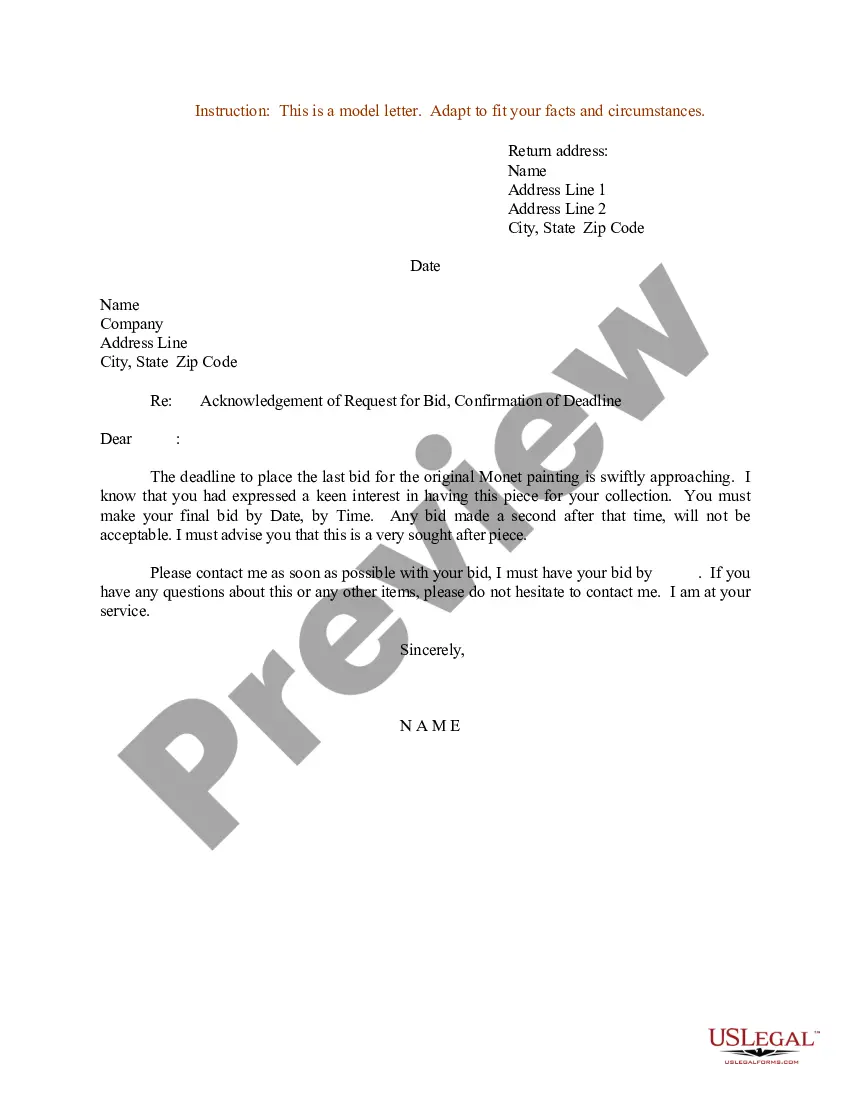





Form popularity
FAQ
Arbitration is often in a condition of employment. For example, an employee complained that she's been biased and unfair. For example, research by Colvin reveals employees win 36.4 percent of discrimination cases in federal court and 43.8 percent in state court, but only 21.4 percent in arbitration.
For example, in New York as early as 1768, the Chamber of Commerce, when first established, permitted for arbitration as a resolution mechanism. Also, in New York, almost fifty years later, the New York Stock Exchange in 1817 provided for arbitration in its constitution.
Arbitration is a type of alternative dispute resolution. In some cases, when arbitration is used, you and the party you're in dispute with don't have to meet to discuss the problem again. Arbitration is a way of settling a dispute without having to go to court.
Auto Accidents: Arbitration is often used in auto accident cases, particularly when the dispute involves the extent of injuries, the amount of damages, or insurance coverage issues. If both parties agree, arbitration can quickly resolve the matter without a prolonged and expensive jury trial.
Arbitration is an increasingly popular alternative to traditional court proceedings, particularly in disputes relating to property and financial matters.
If your case involves factors like privacy concerns, the need for a quicker resolution, or the desire to avoid a public jury trial, arbitration might be an ideal solution. However, if you're worried about the finality of the arbitrator's decision or the potential for bias, you might prefer the traditional court route.
It's often quicker and less formal than taking a case to court. Arbitration can cover a broad range of issues, from commercial disputes and labor matters to consumer issues and even cross-border disputes.
There are typically seven stages of the arbitration process: Claimant Files a Claim. Respondent Submits Answer. Parties Select Arbitrators. Parties Attend Initial Prehearing Conference. Parties Exchange Discovery. Parties Attend Hearings. Arbitrators Deliberate and Render Award.
How to prepare and present a labor arbitration case Conduct a comprehensive investigation. Collect relevant documents. Study the contract to find clauses that directly or indirectly affect the dispute. Talk to anyone who might be able to help provide a full picture of the case, providing a strong factual foundation.
Parties will need to provide material evidence during the arbitration process. Some arbitrators may require that some types of evidence (such as invoices, pictures, and party correspondence) be presented in a specific format, such as in a binder and labeled in a certain order.