Federal Arbitration Act Rules Of Evidence In North Carolina
Description

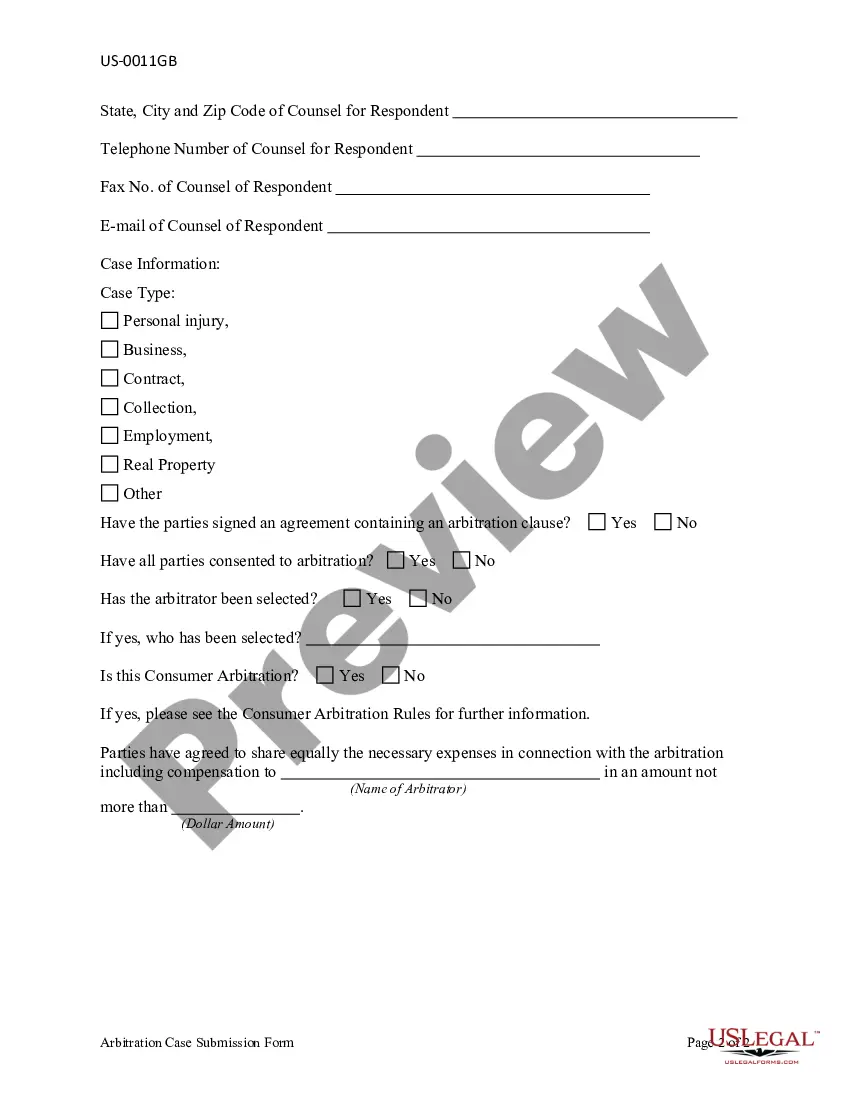

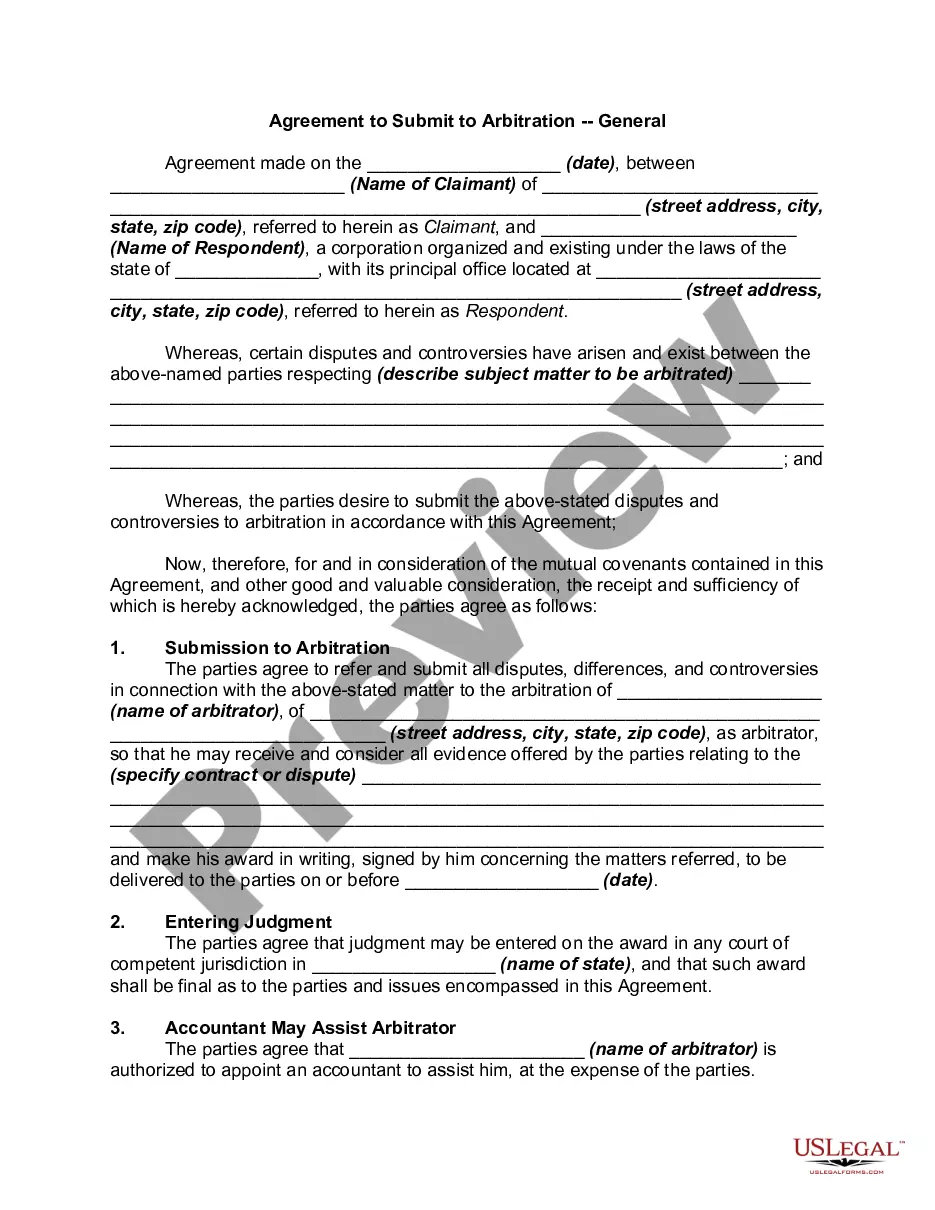

Get your form ready online
Our built-in tools help you complete, sign, share, and store your documents in one place.
Make edits, fill in missing information, and update formatting in US Legal Forms—just like you would in MS Word.
Download a copy, print it, send it by email, or mail it via USPS—whatever works best for your next step.
Sign and collect signatures with our SignNow integration. Send to multiple recipients, set reminders, and more. Go Premium to unlock E-Sign.
If this form requires notarization, complete it online through a secure video call—no need to meet a notary in person or wait for an appointment.
We protect your documents and personal data by following strict security and privacy standards.

Make edits, fill in missing information, and update formatting in US Legal Forms—just like you would in MS Word.

Download a copy, print it, send it by email, or mail it via USPS—whatever works best for your next step.

Sign and collect signatures with our SignNow integration. Send to multiple recipients, set reminders, and more. Go Premium to unlock E-Sign.

If this form requires notarization, complete it online through a secure video call—no need to meet a notary in person or wait for an appointment.

We protect your documents and personal data by following strict security and privacy standards.
Looking for another form?

Form popularity
FAQ
To be “void” the arbitration agreement must be intrinsically defective ing to the usual rules of contract law, including when it is undermined by fraud, undue influence, unconscionability, duress, mistake or misrepresentation, expressly noting that this would be rare.
A party asks a court to compel or stay arbitration in North Carolina state court by filing a motion, whether or not there is a lawsuit already pending between the parties. If the application starts the action, the party files an initial motion. (N.C.G.S. § 1-569.5.)
An arbitration hearing is an informal legal proceeding held before a neutral court official called an arbitrator. Arbitration hearings are limited by rule to one hour and take place in the courthouse. The hearings are conducted in a serious but relaxed atmosphere, with the rules of evidence serving as a guide.
A claimant will typically start arbitration by sending a document known as a “request for arbitration” or a “notice to arbitrate” to its opponent.
A court may vacate an award only if it finds that one of the limited grounds in the FAA (9 USC section 10) applies, namely: the award is a result of corruption or fraud; there was evident partiality or corruption by an arbitrator; there was arbitrator misconduct; or.
§ 1-569.26. Jurisdiction. (a) A court of this State having jurisdiction over the controversy and the parties to an agreement to arbitrate may enforce the agreement to arbitrate.
The Federal Arbitration Act (FAA) generally makes covered arbitration agreements “valid, irrevocable, and enforceable,” and it requires federal and state courts to “rigorously” enforce the agreements ing to their terms.
Generally Arbitration Agreements Are Enforceable When faced with the question of whether or not to enforce an agreement to arbitrate, American courts routinely uphold the vast majority of arbitration clauses.
The FAA applies to the parties' agreement to arbitrate disputes whether or not it is expressly mentioned in that agreement — and is presumed to preempt the state law selected in a general choice-of-law provision unless the contract expressly evidences the parties' clear intent that state arbitration law applies in ...