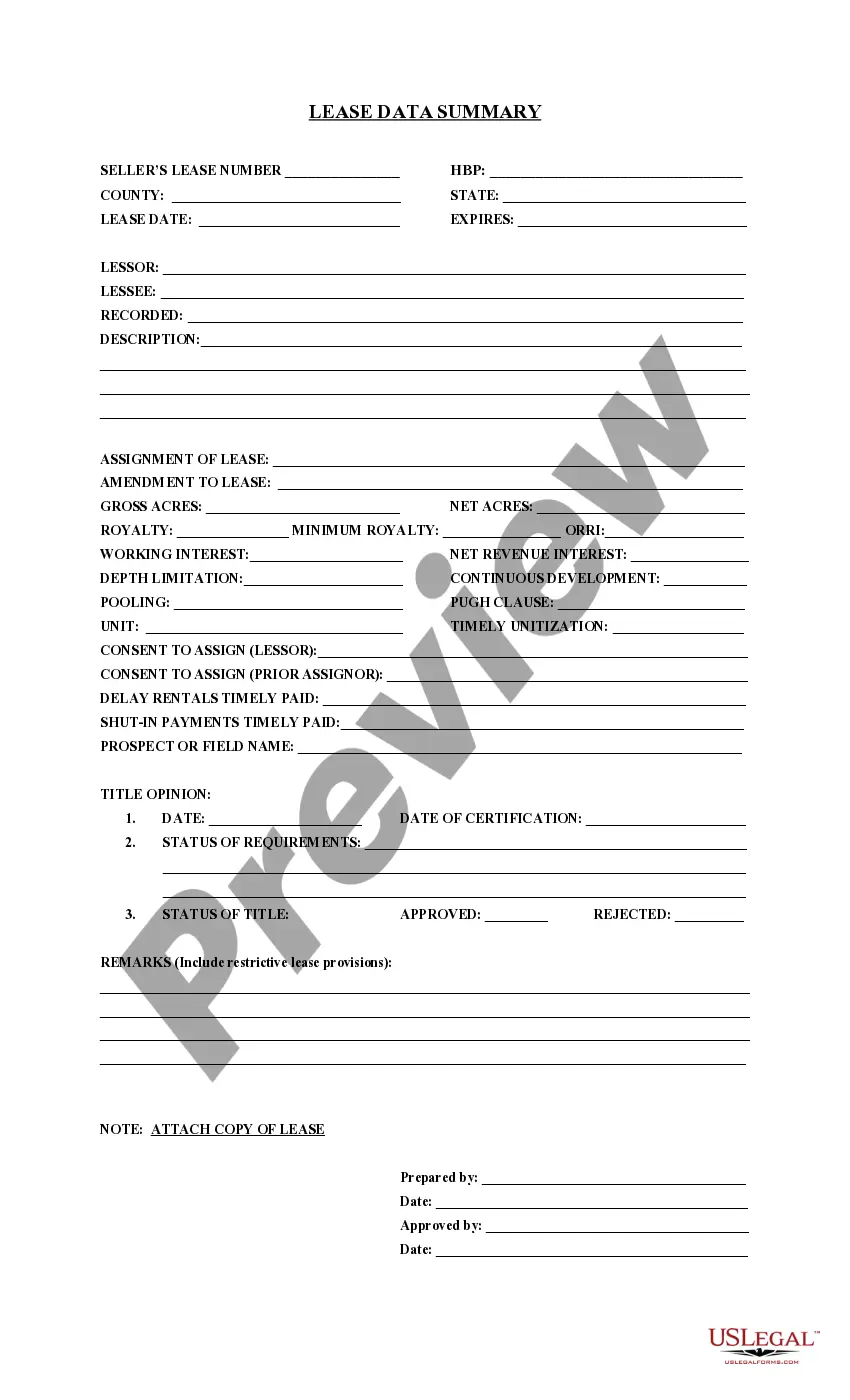
Arbitration Case File With Court In Nassau
Description



Get your form ready online
Our built-in tools help you complete, sign, share, and store your documents in one place.
Make edits, fill in missing information, and update formatting in US Legal Forms—just like you would in MS Word.
Download a copy, print it, send it by email, or mail it via USPS—whatever works best for your next step.
Sign and collect signatures with our SignNow integration. Send to multiple recipients, set reminders, and more. Go Premium to unlock E-Sign.
If this form requires notarization, complete it online through a secure video call—no need to meet a notary in person or wait for an appointment.
We protect your documents and personal data by following strict security and privacy standards.

Make edits, fill in missing information, and update formatting in US Legal Forms—just like you would in MS Word.

Download a copy, print it, send it by email, or mail it via USPS—whatever works best for your next step.

Sign and collect signatures with our SignNow integration. Send to multiple recipients, set reminders, and more. Go Premium to unlock E-Sign.

If this form requires notarization, complete it online through a secure video call—no need to meet a notary in person or wait for an appointment.

We protect your documents and personal data by following strict security and privacy standards.
Looking for another form?





Form popularity
FAQ
Arbitration is a form of alternative dispute resolution (ADR) that offers parties involved in a legal dispute an alternative to traditional courtroom litigation. Unlike litigation, where disputes are resolved in court, arbitration takes place in a private setting, typically chosen by the parties involved.
These cases range from breach of contract or licensing agreements, business torts, and franchise to construction and infrastructure disputes in companies from start-ups to the Fortune 500 in a variety of industries.
If your case involves factors like privacy concerns, the need for a quicker resolution, or the desire to avoid a public jury trial, arbitration might be an ideal solution. However, if you're worried about the finality of the arbitrator's decision or the potential for bias, you might prefer the traditional court route.
These cases range from breach of contract or licensing agreements, business torts, and franchise to construction and infrastructure disputes in companies from start-ups to the Fortune 500 in a variety of industries.
Arbitration is a procedure in which a dispute is submitted, by agreement of the parties, to one or more arbitrators who make a binding decision on the dispute. In choosing arbitration, the parties opt for a private dispute resolution procedure instead of going to court.
There is a broad consensus that national courts of the arbitral seat have some kind of role to play during the pendency of an arbitration, though the exact contours of that role may differ from jurisdiction to jurisdiction.
The arbitrators shall not have the power to commit errors of law or legal reasoning. The award is subject to review for legal error, confirmation, correction or vacatur in California state court. Arbitration is a well accepted method for use in conflict resolution.
Unlike court cases, where decisions can be appealed to higher courts, arbitration awards are typically final and binding. This means that if the arbitrator makes a legal error or misinterprets the evidence, it can be challenging to have the decision overturned.