Arbitration Case In Hindi In Montgomery
Description


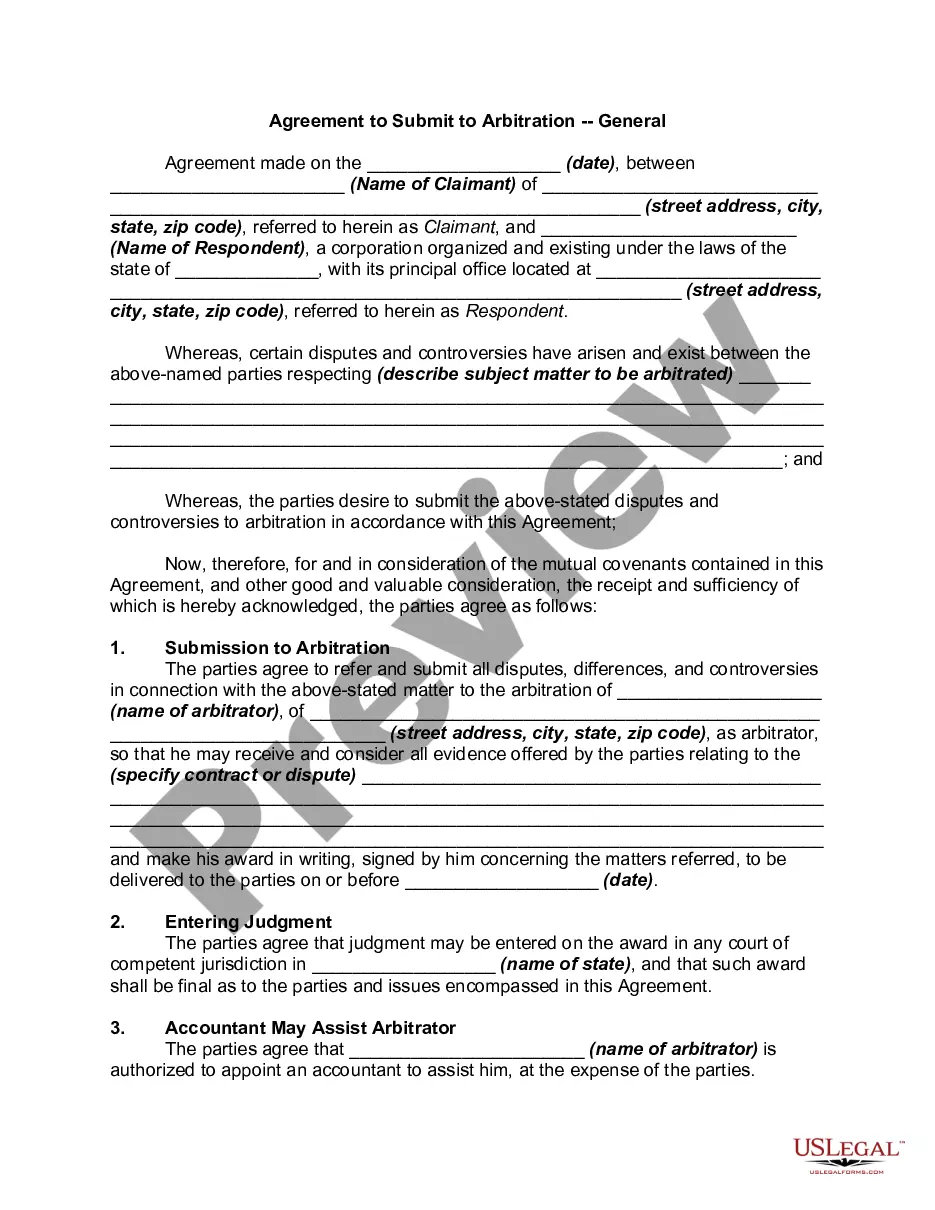

Get your form ready online
Our built-in tools help you complete, sign, share, and store your documents in one place.
Make edits, fill in missing information, and update formatting in US Legal Forms—just like you would in MS Word.
Download a copy, print it, send it by email, or mail it via USPS—whatever works best for your next step.
Sign and collect signatures with our SignNow integration. Send to multiple recipients, set reminders, and more. Go Premium to unlock E-Sign.
If this form requires notarization, complete it online through a secure video call—no need to meet a notary in person or wait for an appointment.
We protect your documents and personal data by following strict security and privacy standards.

Make edits, fill in missing information, and update formatting in US Legal Forms—just like you would in MS Word.

Download a copy, print it, send it by email, or mail it via USPS—whatever works best for your next step.

Sign and collect signatures with our SignNow integration. Send to multiple recipients, set reminders, and more. Go Premium to unlock E-Sign.

If this form requires notarization, complete it online through a secure video call—no need to meet a notary in person or wait for an appointment.

We protect your documents and personal data by following strict security and privacy standards.
Looking for another form?

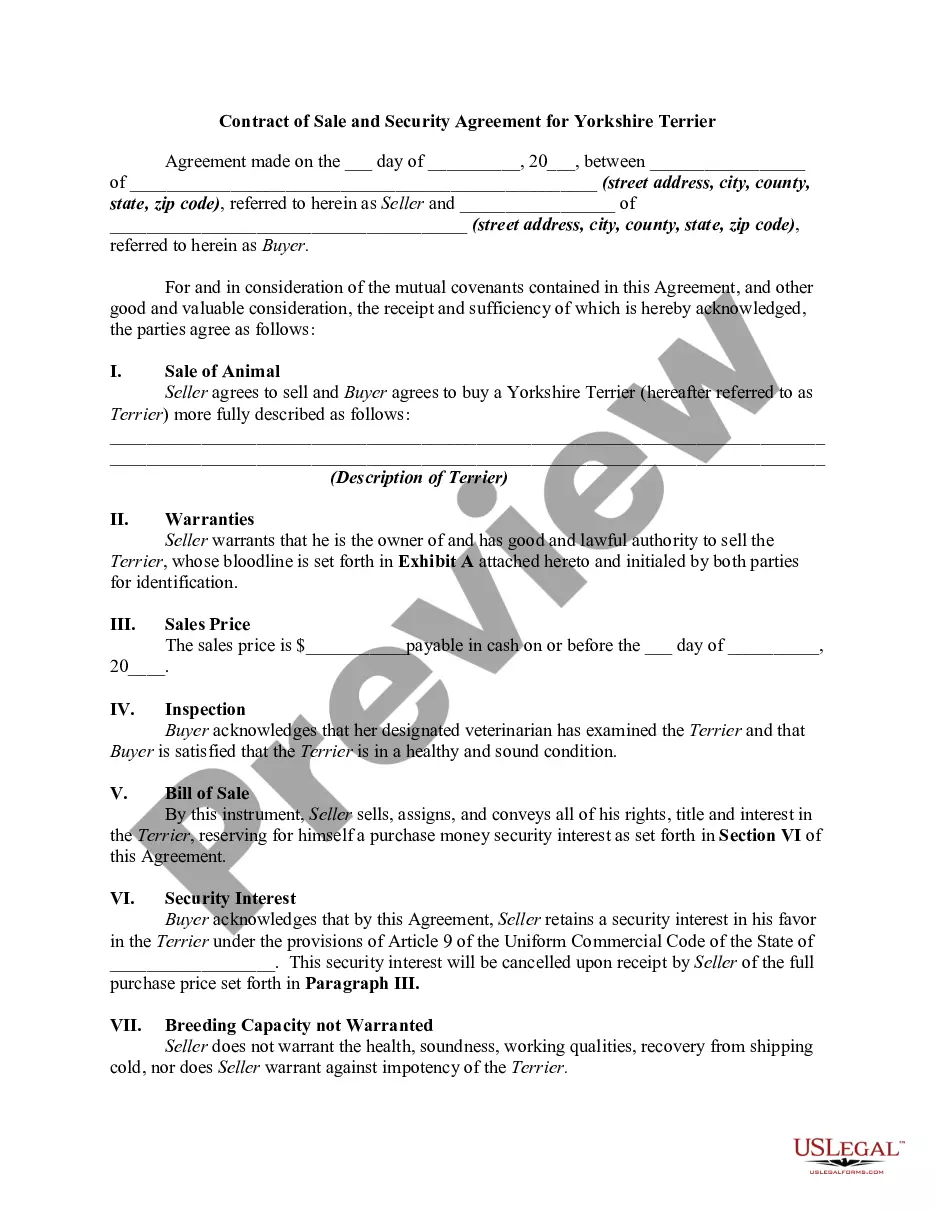





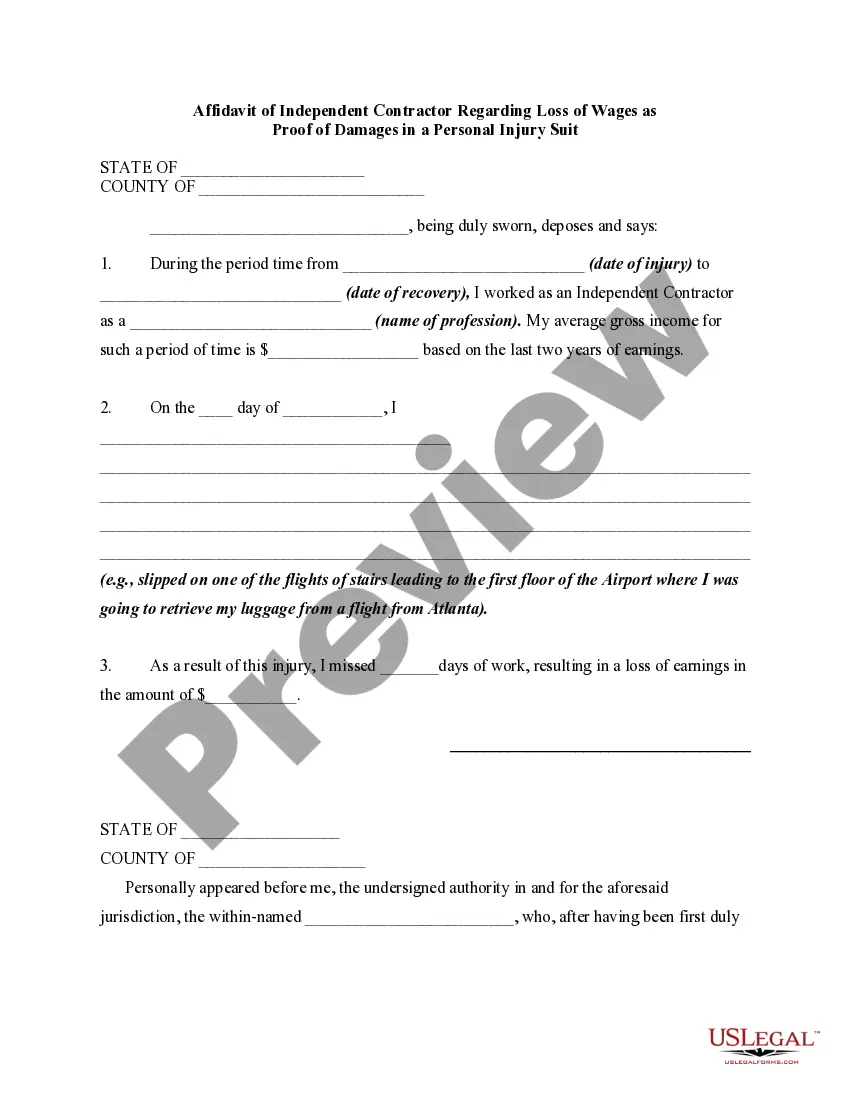

Form popularity
FAQ
A claimant will typically start arbitration by sending a document known as a “request for arbitration” or a “notice to arbitrate” to its opponent.
"A dispute having arisen between the parties concerning , the parties hereby agree that the dispute shall be referred to and finally resolved by arbitration under the LCIA Rules. The number of arbitrators shall be one/three. The seat, or legal place, of arbitration shall be City and/or Country.
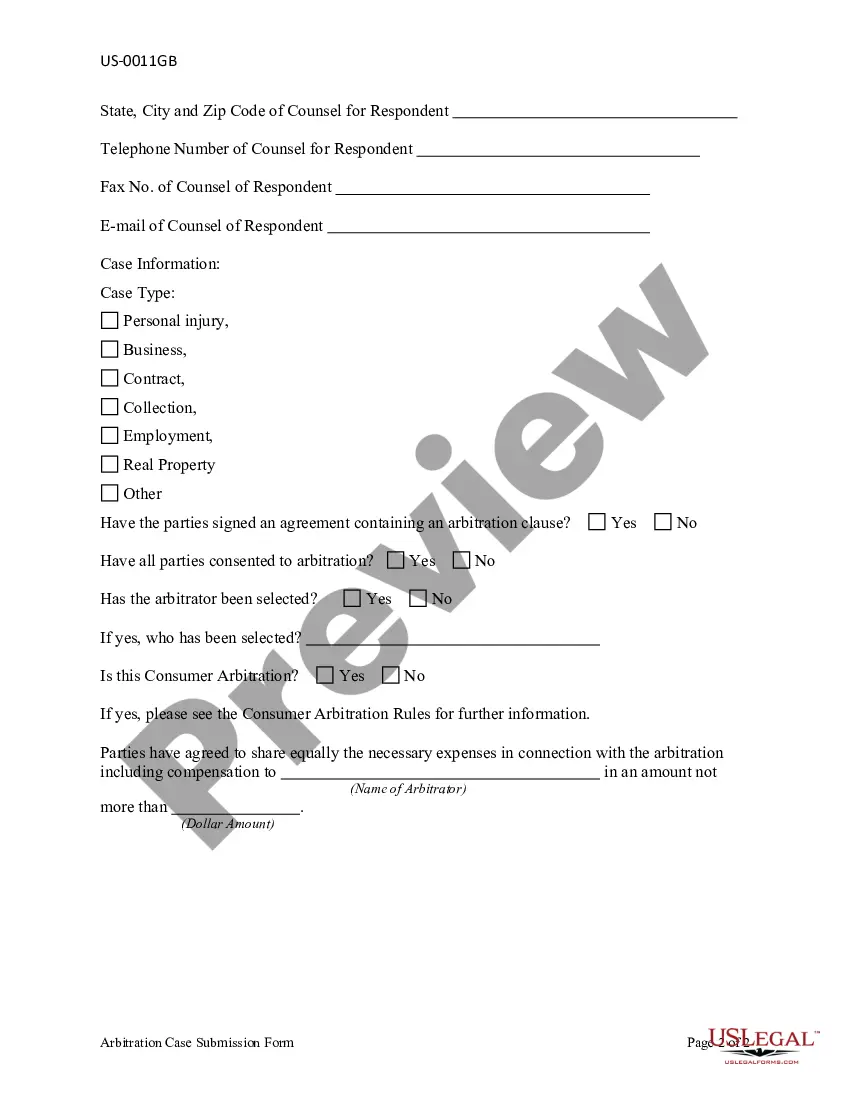
The Request must: be written in English, French or Spanish (the official languages of the Centre) include the name and contact details of all parties (including e-mail, street address and telephone number) be signed and dated by the requesting party or its representative.
Include the name and contact details of all parties (including e-mail, street address and telephone number) be signed and dated by the requesting party or its representative. enclose proof of the representative's authority to act, e.g., a power of attorney or a letter of engagement.
Before the arbitration hearing each side should: organize their arguments; identify and organize documentary evidence and testimony that supports the arguments; and make sure they have complied with CRC 3.820 prohibiting ex parte communication with the arbitrator.
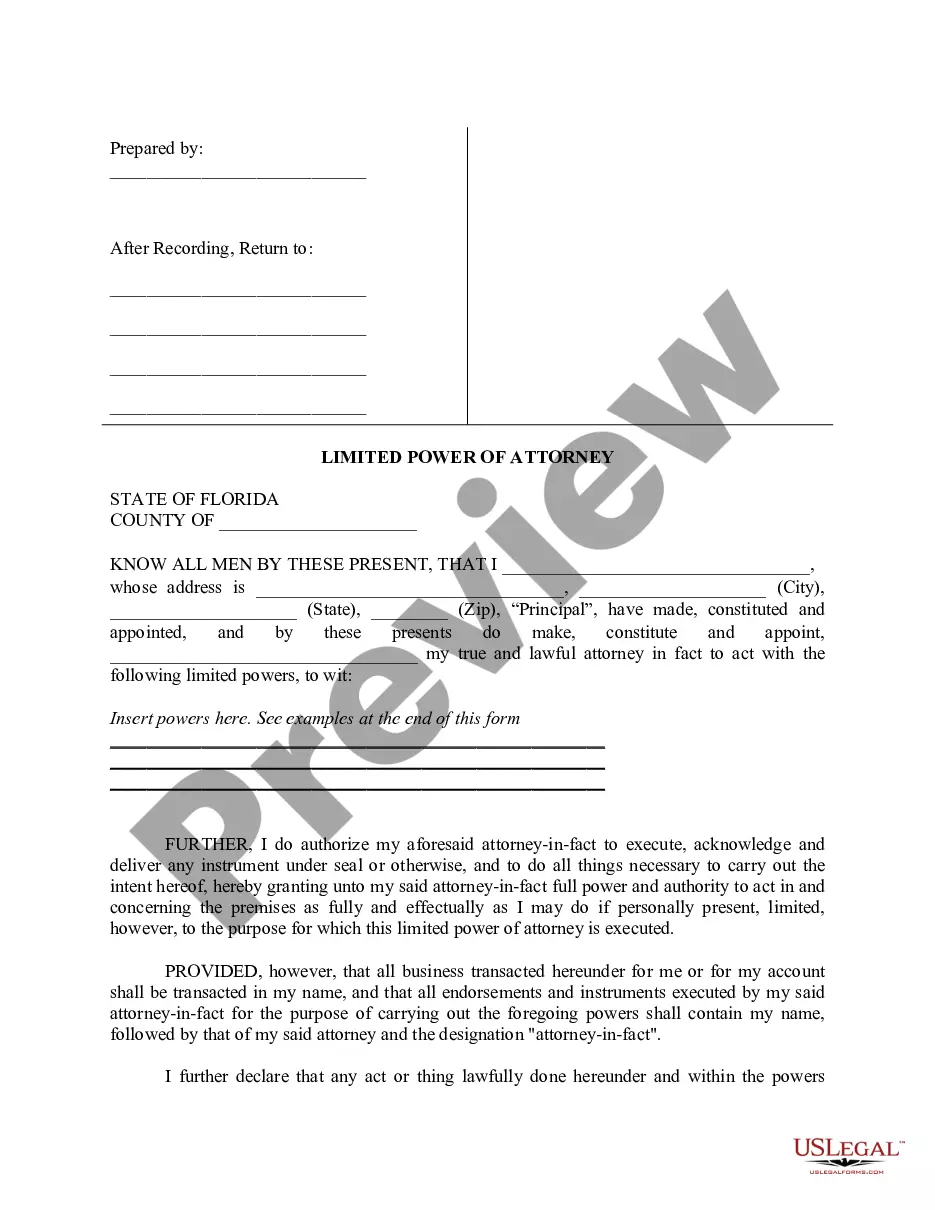
Necessary Elements Details of the Parties. Details of the relationship between the parties. Demand for Arbitration. The mention of agreement/contract (if any). The mention of already existing arbitration agreement between the parties pursuant to which the concerned notice of arbitration has been sent (if any).
In arbitration, a neutral third party serves as a judge who is responsible for resolving the dispute. The arbitrator listens as each side argues its case and presents relevant evidence, then renders a binding decision.
At the arbitration hearing, each side has the opportunity to tell his or her side of the story and to present witnesses and documents. After the evidence is presented, the arbitrator, like a judge, will make a decision about the case.
Most general civil cases valued at $50,000 and under may be ordered to judicial arbitration or to civil, court-ordered mediation (Local Rule 3210 (pdf )). Eligible case types include personal injury, business, contracts, collections, employment, and certain real property matters.
Arbitration is a way of settling a dispute without having to go to court. You are called the claimant and the party you're taking action against is the respondent. You both put your case to an independent person called an arbitrator.