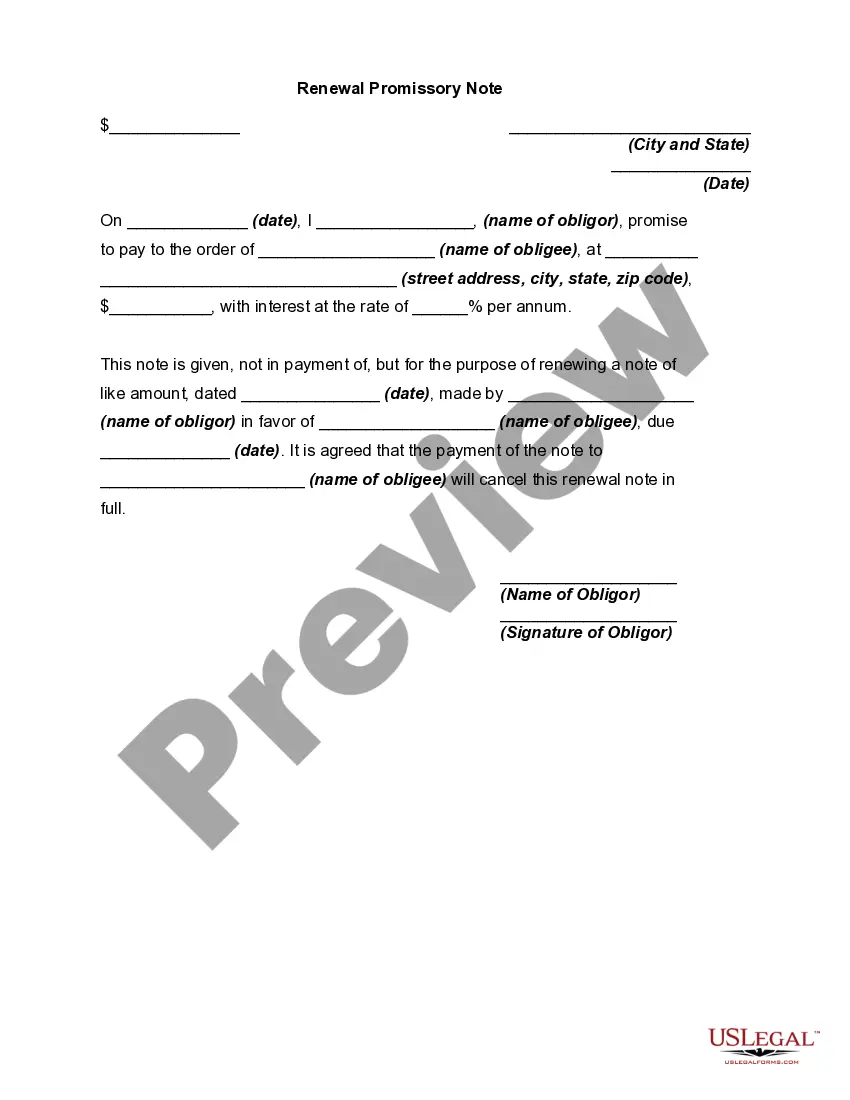
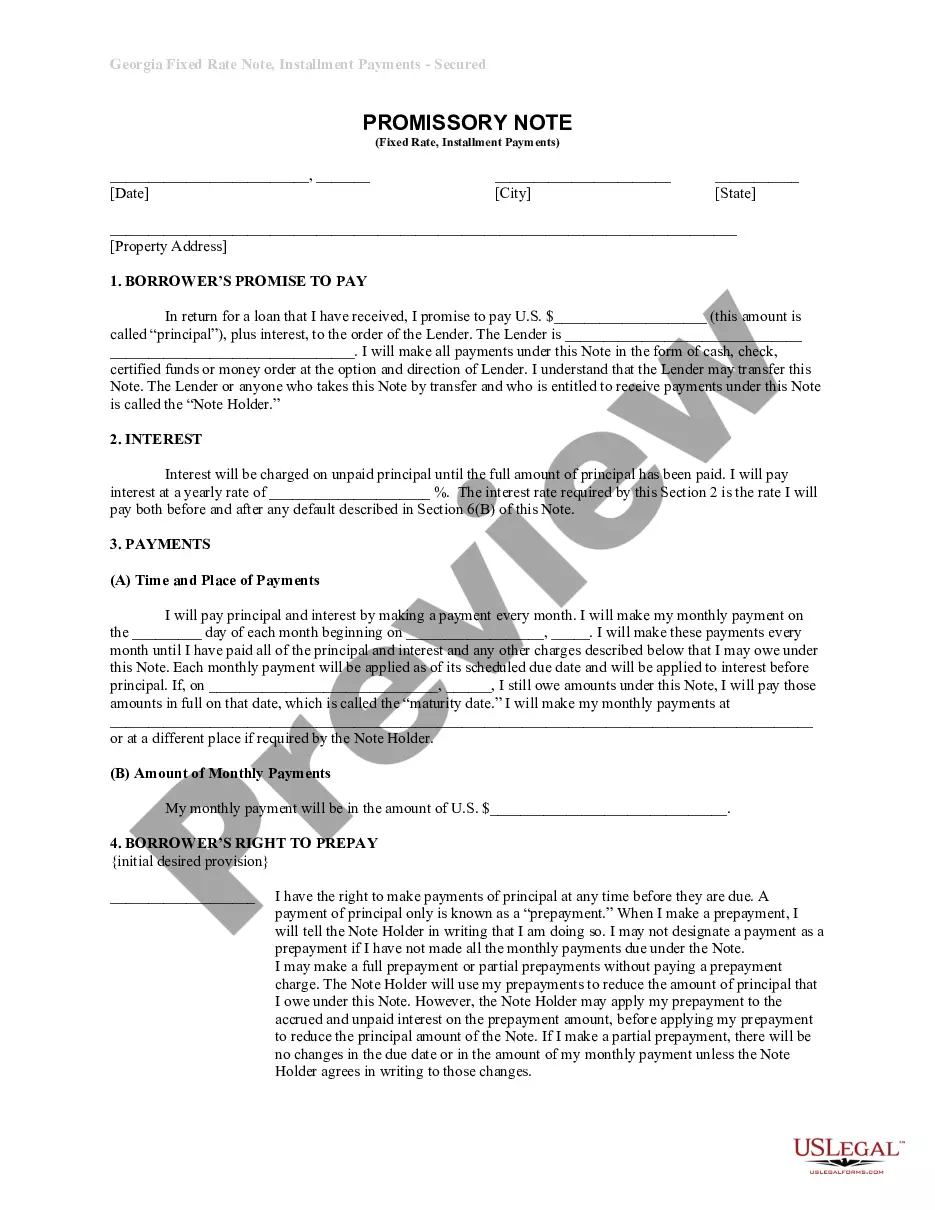
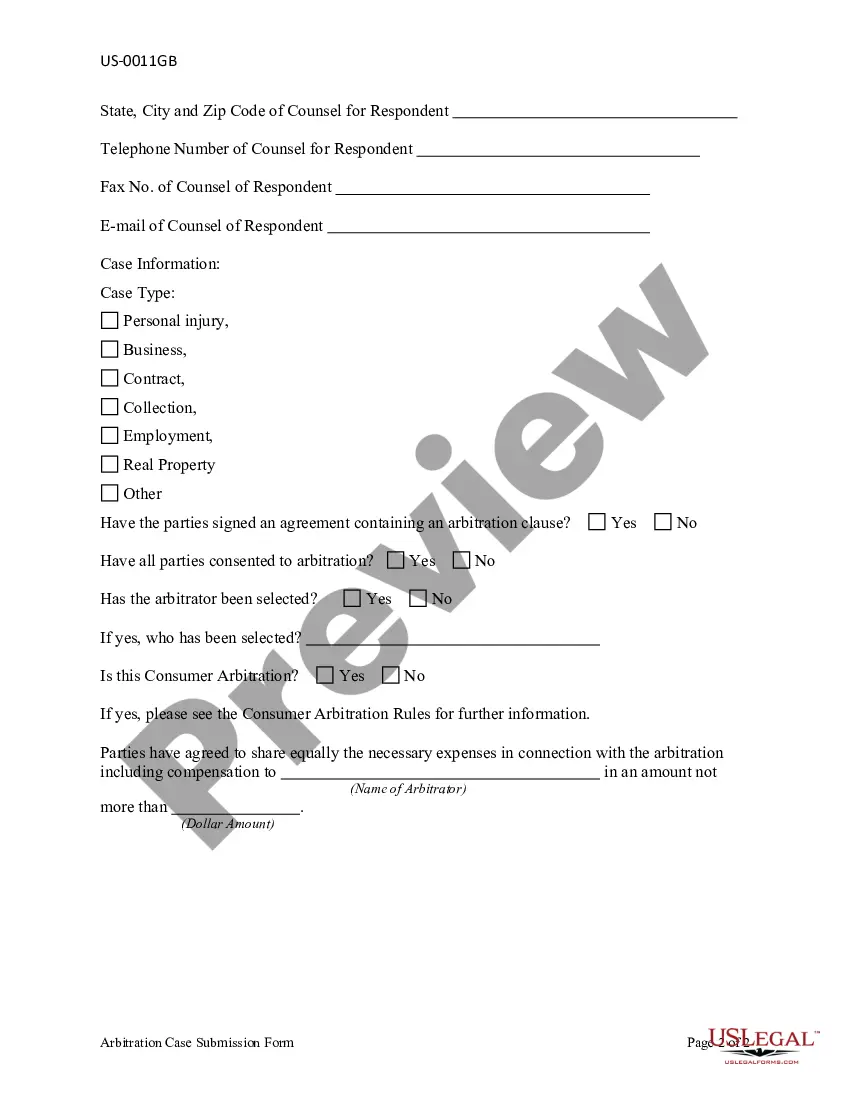
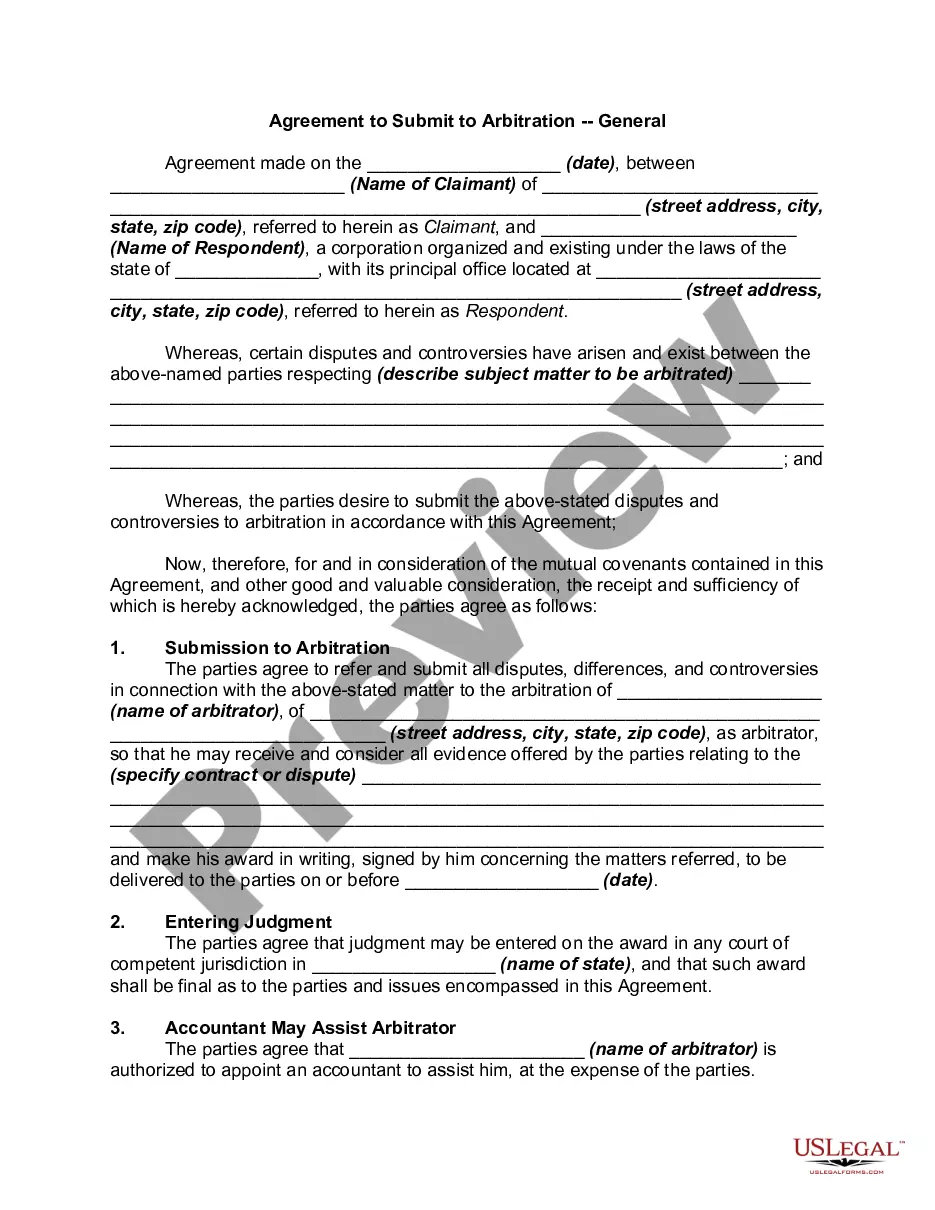
Arbitration Proceedings Format In Minnesota
Description



Get your form ready online
Our built-in tools help you complete, sign, share, and store your documents in one place.
Make edits, fill in missing information, and update formatting in US Legal Forms—just like you would in MS Word.
Download a copy, print it, send it by email, or mail it via USPS—whatever works best for your next step.
Sign and collect signatures with our SignNow integration. Send to multiple recipients, set reminders, and more. Go Premium to unlock E-Sign.
If this form requires notarization, complete it online through a secure video call—no need to meet a notary in person or wait for an appointment.
We protect your documents and personal data by following strict security and privacy standards.

Make edits, fill in missing information, and update formatting in US Legal Forms—just like you would in MS Word.

Download a copy, print it, send it by email, or mail it via USPS—whatever works best for your next step.

Sign and collect signatures with our SignNow integration. Send to multiple recipients, set reminders, and more. Go Premium to unlock E-Sign.

If this form requires notarization, complete it online through a secure video call—no need to meet a notary in person or wait for an appointment.

We protect your documents and personal data by following strict security and privacy standards.
Looking for another form?


Form popularity
FAQ
Much like the opening statement in a trial, your arbitration statement should lay out what the “evidence” – the written material – will show regarding the proper credit on the project. The Arbitration Statement is not established fact, just your assessment of the material.
Arbitration – A statutory method of resolving disputes between parties, by which disputes are referred to an impartial third person for resolution; a substitute for jury and judge. Arbitrator – The professional who makes a decision based on the evidence and testimony presented by the claimant and the respondent.
Unlike litigation, arbitration is generally less formal, more confidential, and can be tailored to the specific needs of the parties. This makes it particularly attractive in complex commercial disputes, where the nuances of the industry and the need for specialised knowledge are paramount.
There are typically seven stages of the arbitration process: Claimant Files a Claim. Respondent Submits Answer. Parties Select Arbitrators. Parties Attend Initial Prehearing Conference. Parties Exchange Discovery. Parties Attend Hearings. Arbitrators Deliberate and Render Award.
Arbitration is a dispute resolution mechanism agreed on by parties, which involves the appointment of one or more ar- bitrators to preside over and to make a final decision on a dispute between two or more parties – instead of approaching a court of law to resolve the dispute.
Either Party to a contract in which there is an Arbitration clause can either himself or through an authorised agent may invoke Arbitration so as to refer the dispute to arbitration, as per provisions of the arbitration clause.
Arbitrations usually involve one or more hearings before the tribunal, where the parties' lawyers put forward arguments and question the other party's witnesses and experts. Hearings can last from half a day to many weeks or even months depending on the issues at stake.
There are typically seven stages of the arbitration process: Claimant Files a Claim. Respondent Submits Answer. Parties Select Arbitrators. Parties Attend Initial Prehearing Conference. Parties Exchange Discovery. Parties Attend Hearings. Arbitrators Deliberate and Render Award.
During the arbitration hearing, each side lays out their points and presents the evidence they have. But unlike the typical courtroom setting, the procedures are different, and the arbitration proceedings stay confidential.
Often, rules and awards are also available via the arbitral bodies' website. Westlaw's International Arbitration Materials provides access to cases, awards, rules, conventions, legislation, model laws, and more for practicing U.S. lawyers.