Federal Arbitration Act Withdrawal In Georgia
Description

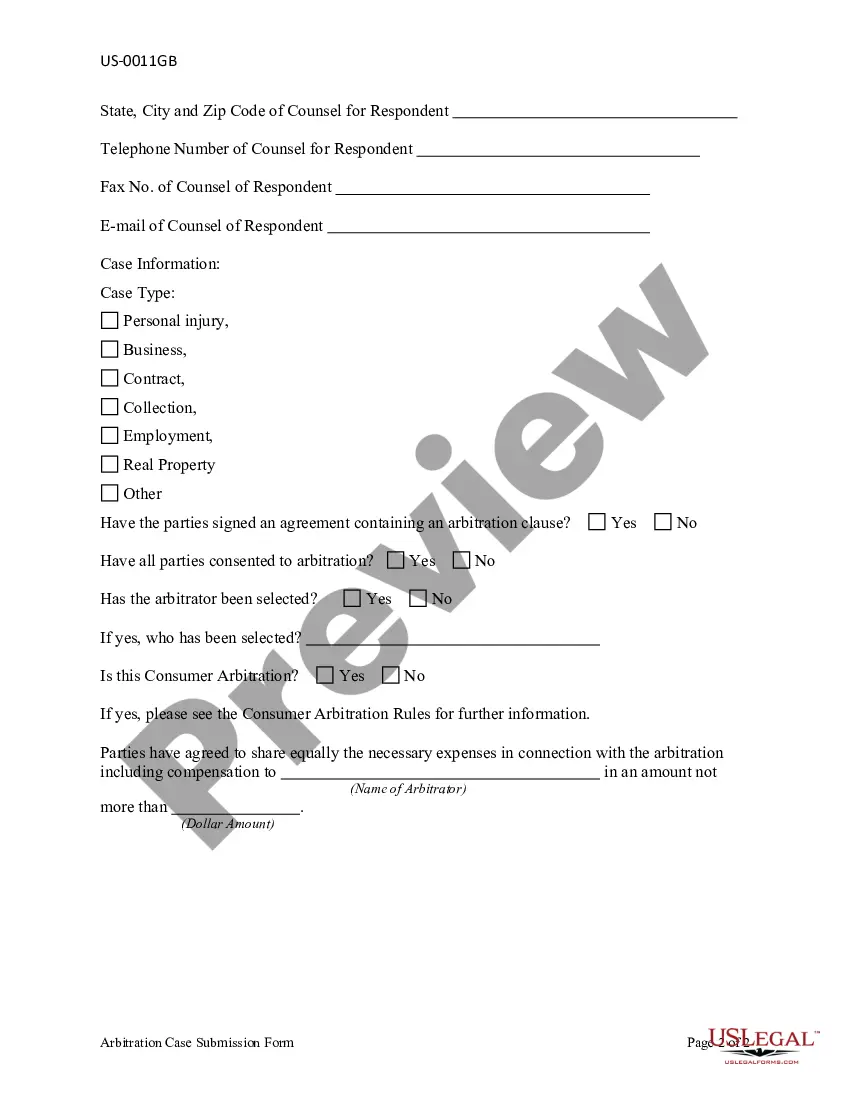

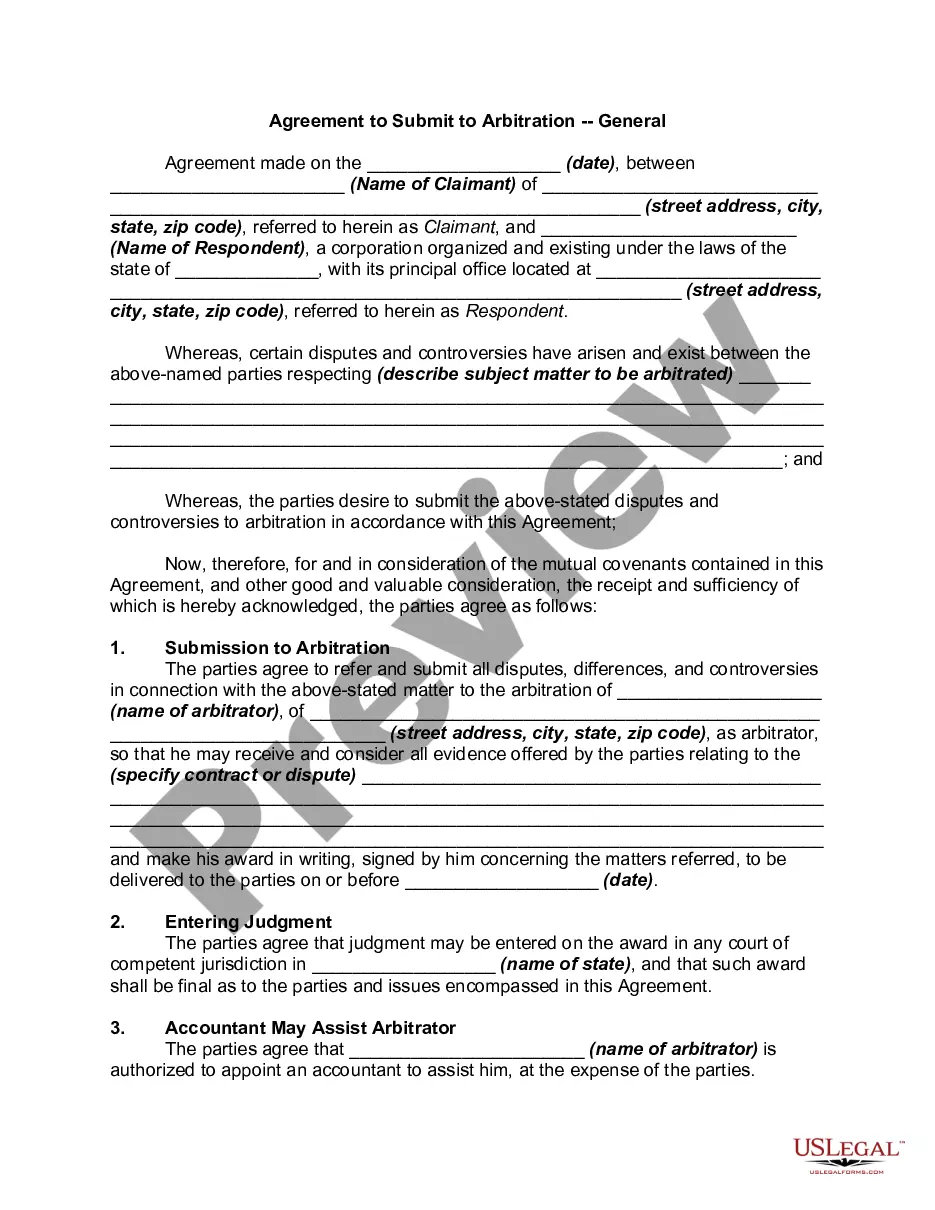

Get your form ready online
Our built-in tools help you complete, sign, share, and store your documents in one place.
Make edits, fill in missing information, and update formatting in US Legal Forms—just like you would in MS Word.
Download a copy, print it, send it by email, or mail it via USPS—whatever works best for your next step.
Sign and collect signatures with our SignNow integration. Send to multiple recipients, set reminders, and more. Go Premium to unlock E-Sign.
If this form requires notarization, complete it online through a secure video call—no need to meet a notary in person or wait for an appointment.
We protect your documents and personal data by following strict security and privacy standards.

Make edits, fill in missing information, and update formatting in US Legal Forms—just like you would in MS Word.

Download a copy, print it, send it by email, or mail it via USPS—whatever works best for your next step.

Sign and collect signatures with our SignNow integration. Send to multiple recipients, set reminders, and more. Go Premium to unlock E-Sign.

If this form requires notarization, complete it online through a secure video call—no need to meet a notary in person or wait for an appointment.

We protect your documents and personal data by following strict security and privacy standards.
Looking for another form?




Form popularity
FAQ
Most of our arbitration hearings are conducted by two experienced attorneys and one non-attorney. Like judges, arbitrators hear arguments from both sides and decide the outcome of the dispute. Arbitrators and both parties are allowed to request reasonable discovery if/when a hearing date is set.
But, in the absence of an agreement between all parties to end the proceedings, can a claimant unilaterally withdraw from an arbitration that it has commenced? The short answer is yes. No set of institutional rules prevents a party from abandoning claims it has raised in an arbitration.
In ICSID proceedings, a request for arbitration can be unilaterally withdrawn only before its registration. Once registered, the request for arbitration can no longer be withdrawn and a claimant seeking to withdraw from the proceedings will need to seek the “discontinuance” of the proceedings.
Some contracts give you the right to opt out of the forced arbitration clause within a certain period of time, often 30 to 60 days, after signing the agreement by notifying the company that you wish to opt out. Check your contract for the deadline and for specific instructions for opting out.
But, in the absence of an agreement between all parties to end the proceedings, can a claimant unilaterally withdraw from an arbitration that it has commenced? The short answer is yes. No set of institutional rules prevents a party from abandoning claims it has raised in an arbitration.
Read through the contract carefully, and if you find mention of forced arbitration, cross it out. Refuse to sign it. Explain to the administrator that you see it, but will not agree to it. If you or a loved one have suffered at a nursing home, even if you've agreed to arbitration already, all may not be lost.
Arbitration is a form of alternative dispute resolution. It allows both sides to present their case in an expedited fashion to a panel of three attorneys who render a decision that same day. 2.
A written agreement to submit any existing controversy to arbitration or a provision in a written contract to submit any controversy thereafter arising to arbitration is enforceable without regard to the justiciable character of the controversy and confers jurisdiction on the courts of the state to enforce it and to ...
Settlement by agreement is the cheapest option and gives you the most control. Both mediation and arbitration are expensive, and arbitration is usually binding, so the ultimate decision is out of your control.
Always get straight to the merits without berating the other side or whining about how badly it has treated you. Another threat to your credibility is the “kitchen sink” arbitration demand or a response that includes numerous claims or defenses that have little chance of succeeding.