Federal Arbitration Act Rules Of Evidence In Georgia
Description

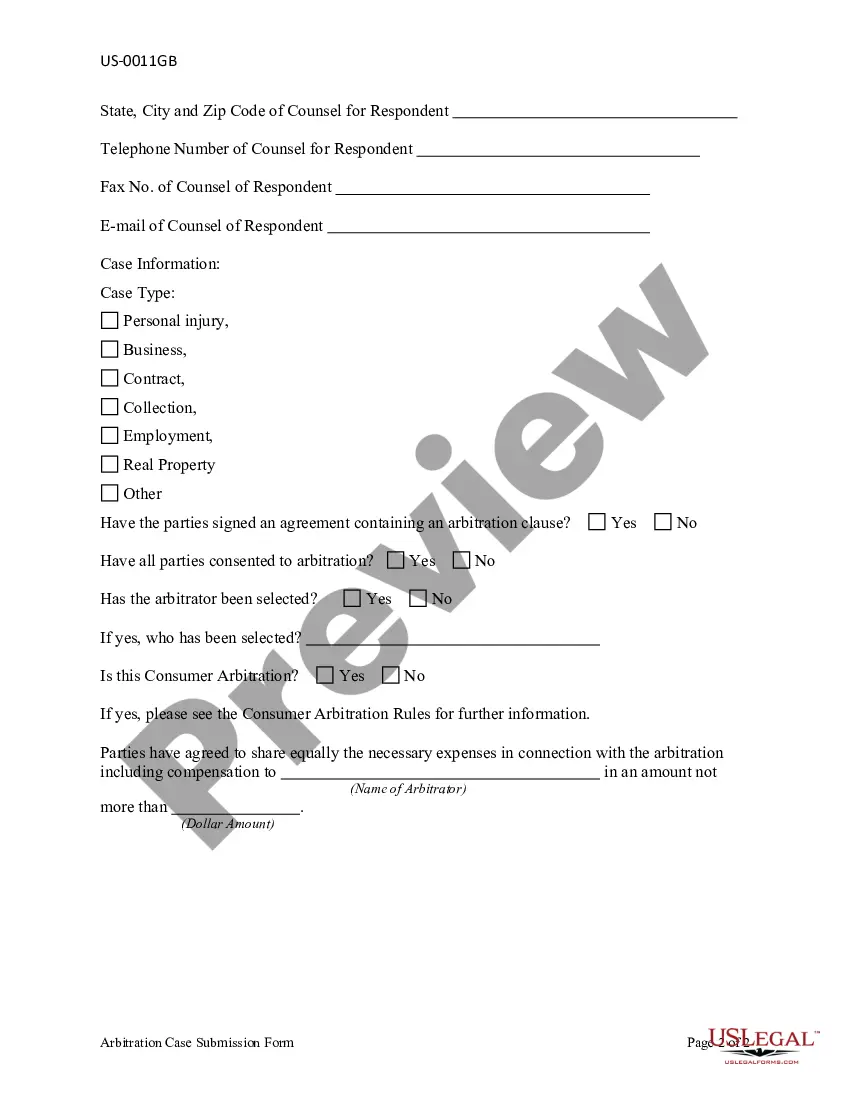

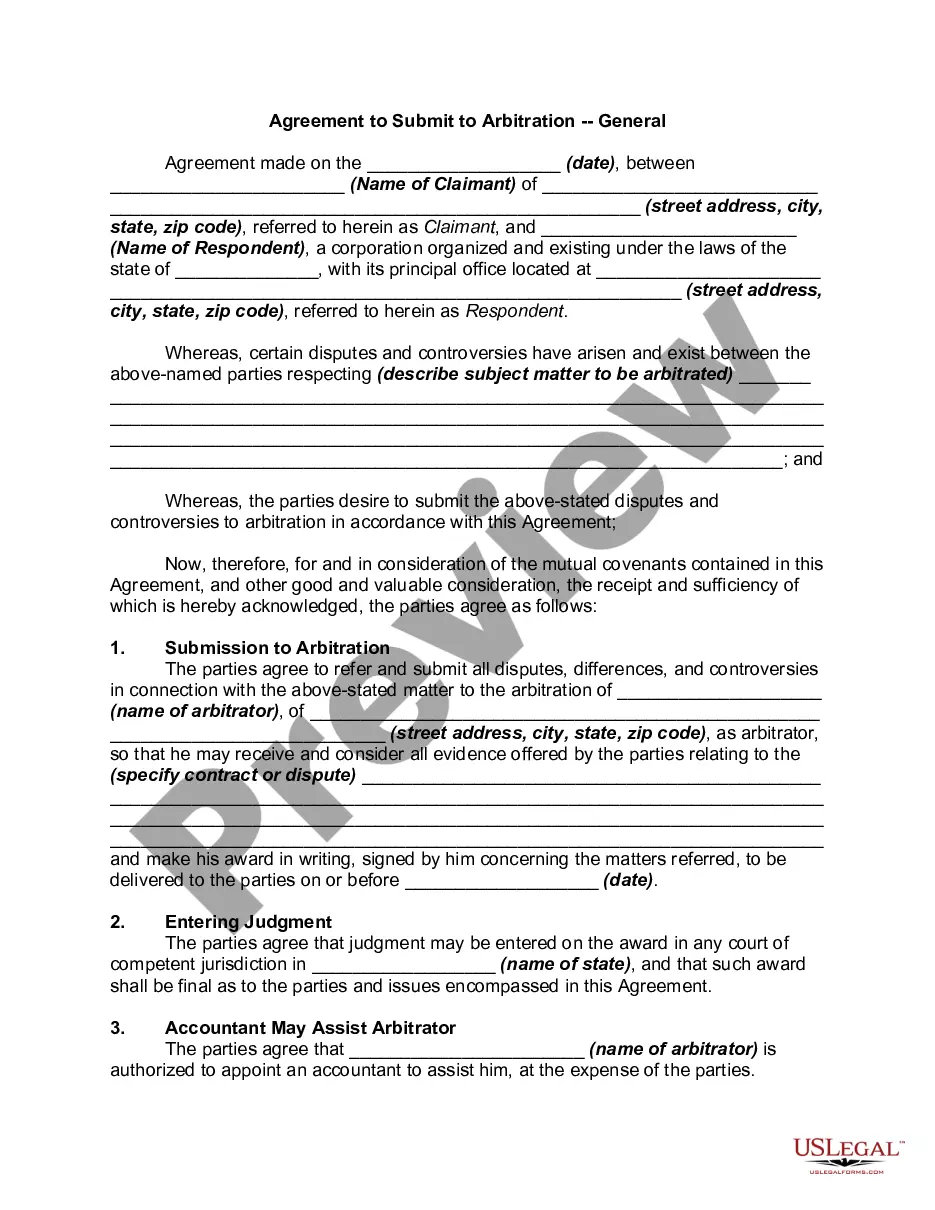

Get your form ready online
Our built-in tools help you complete, sign, share, and store your documents in one place.
Make edits, fill in missing information, and update formatting in US Legal Forms—just like you would in MS Word.
Download a copy, print it, send it by email, or mail it via USPS—whatever works best for your next step.
Sign and collect signatures with our SignNow integration. Send to multiple recipients, set reminders, and more. Go Premium to unlock E-Sign.
If this form requires notarization, complete it online through a secure video call—no need to meet a notary in person or wait for an appointment.
We protect your documents and personal data by following strict security and privacy standards.

Make edits, fill in missing information, and update formatting in US Legal Forms—just like you would in MS Word.

Download a copy, print it, send it by email, or mail it via USPS—whatever works best for your next step.

Sign and collect signatures with our SignNow integration. Send to multiple recipients, set reminders, and more. Go Premium to unlock E-Sign.

If this form requires notarization, complete it online through a secure video call—no need to meet a notary in person or wait for an appointment.

We protect your documents and personal data by following strict security and privacy standards.
Looking for another form?









Form popularity
FAQ
Every arbitrator must be and remain impartial and independent of the parties involved in the arbitration. Before appointment or confirmation, a prospective arbitrator shall sign a statement of acceptance, availability, impartiality and independence.
Parties will need to provide material evidence during the arbitration process. Some arbitrators may require that some types of evidence (such as invoices, pictures, and party correspondence) be presented in a specific format, such as in a binder and labeled in a certain order.
The Arbitration Agreement All and any disputes or differences arising out of or in connection with this Agreement, or the breach, termination or invalidity thereof shall be finally settled by arbitration. In ance with the UNCITRAL Arbitration Rules. The number of arbitrators shall be one/three.
Most arbitrators and academics have long understood that, absent terms to the contrary in the agreement providing for arbitration, the traditional rules of evidence do not apply, and certainly do not strictly apply, in arbitration.
In order for the arbitrator to decide in favor of a party, the party must provide sufficient clear and convincing evidence to support their claims. This is known as meeting the “burden of proof.” The arbitrator will determine whether the party has met their burden of proof.
All evidence must be taken in the presence of the arbitrator and all parties, except where any of the parties has waived the right to be present or is absent after due notice of the hearing.
Explanation: In an arbitration, the rules of evidence generally tend to be more relaxed when compared to a court trial. This more flexible approach is due to the fact that arbitration is intended to be a more efficient and accessible method of resolving disputes, as opposed to the formalities of court processes.
The rules of evidence are generally relaxed in arbitration as compared to court trials (e.g., objections not based upon claims of privilege are often overruled, subject to weight). Exhibits and documents already admitted in the record often do not need to be read verbatim by witnesses.