Federal Arbitration Act Statute Of Limitations In Dallas
Description

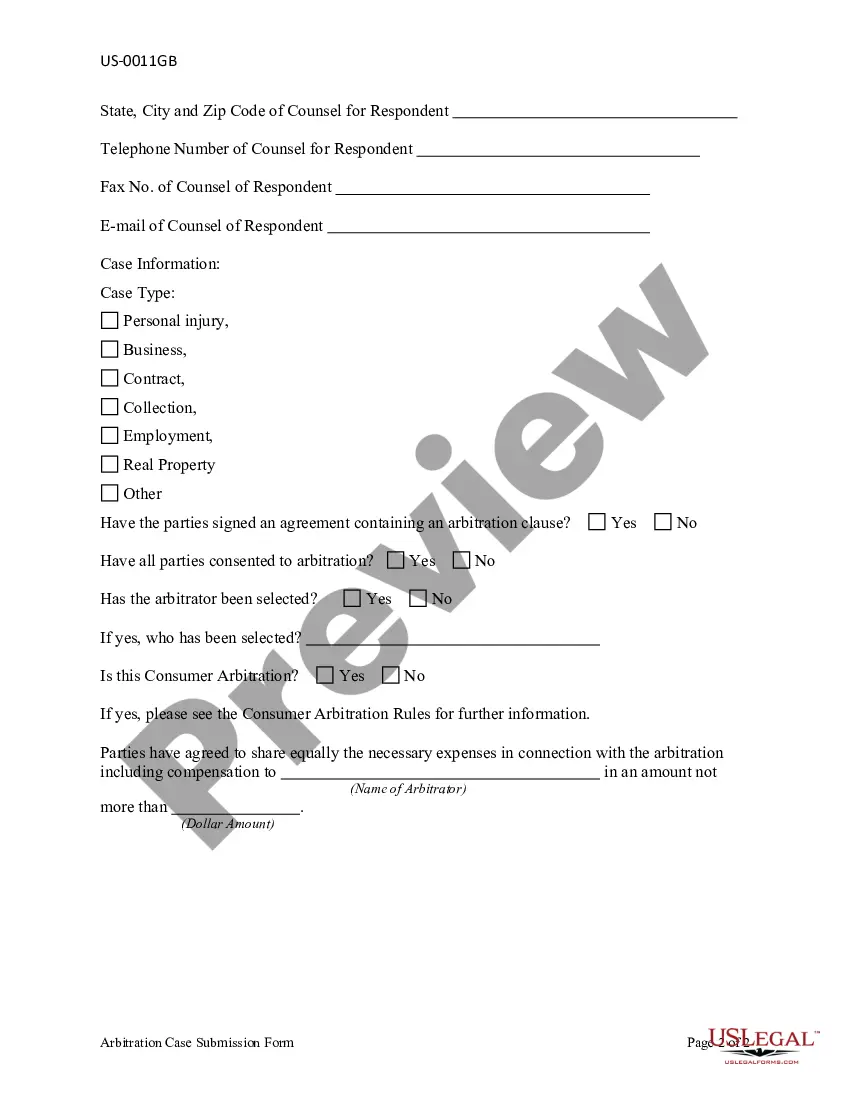

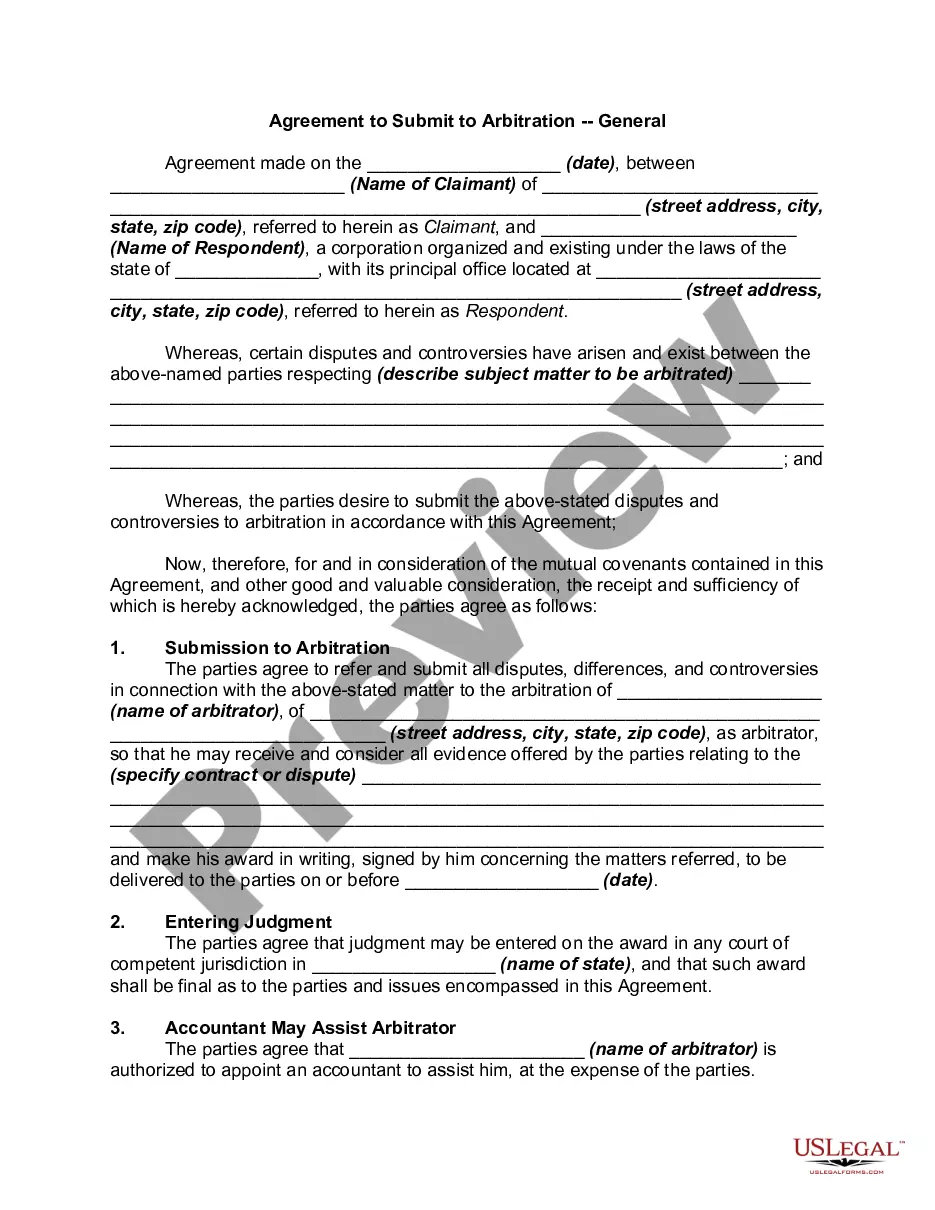

Get your form ready online
Our built-in tools help you complete, sign, share, and store your documents in one place.
Make edits, fill in missing information, and update formatting in US Legal Forms—just like you would in MS Word.
Download a copy, print it, send it by email, or mail it via USPS—whatever works best for your next step.
Sign and collect signatures with our SignNow integration. Send to multiple recipients, set reminders, and more. Go Premium to unlock E-Sign.
If this form requires notarization, complete it online through a secure video call—no need to meet a notary in person or wait for an appointment.
We protect your documents and personal data by following strict security and privacy standards.

Make edits, fill in missing information, and update formatting in US Legal Forms—just like you would in MS Word.

Download a copy, print it, send it by email, or mail it via USPS—whatever works best for your next step.

Sign and collect signatures with our SignNow integration. Send to multiple recipients, set reminders, and more. Go Premium to unlock E-Sign.

If this form requires notarization, complete it online through a secure video call—no need to meet a notary in person or wait for an appointment.

We protect your documents and personal data by following strict security and privacy standards.
Looking for another form?






Form popularity
FAQ
Key Provisions of the Texas Arbitration Act Under Section 171.001 of the TAA, written agreements to arbitrate are generally valid and enforceable in Texas. This section ensures that, barring any specific legal exceptions, parties bound by a written agreement to arbitrate must settle their disputes outside of court.
Absent any agreement to the contrary, the statute of limitations for civil actions, by its plain terms, does not apply to an arbitration proceeding.
Absent any agreement to the contrary, the statute of limitations for civil actions, by its plain terms, does not apply to an arbitration proceeding.
Section 29A(1) of the Arbitration Act states clearly that an award must be passed within a period of 12 months, with an extension of up to six months, if required.
It provides for a period of limitation of three years from the date when the right to apply accrues. Therefore, the Supreme Court has held that the period of limitation for application for appointment of an arbitrator under Section 11 shall be three years from the date when the right to apply accrues.
Neither the Federal Arbitration Act (FAA) nor the Revised Uniform Arbitration Act (RUAA) has a statute of limitations, so the arbitrator must look to state law to apply a time bar.
The Federal Arbitration Act is a federal statute, codified at 9 U.S.C. §§ 1-16 , that protects the integrity of many arbitration agreements by deeming them valid, irrevocable, and enforceable.
It provides for a period of limitation of three years from the date when the right to apply accrues. Therefore, the Supreme Court has held that the period of limitation for application for appointment of an arbitrator under Section 11 shall be three years from the date when the right to apply accrues.
As per Section 29A, arbitral awards should be made within twelve months of completing pleadings. This can be further extended by six months more with the consent of the parties. So, the upper limit is 18 months.
At arbitration, the arbitrator will listen as the parties offer evidence about the issues. Witnesses will answer questions under oath, and each party will explain its side of the case. After the arbitration, the arbitrator will review the evidence and make a decision (enter an award) on each issue.