Arbitration Case File With State Of California In California
Description

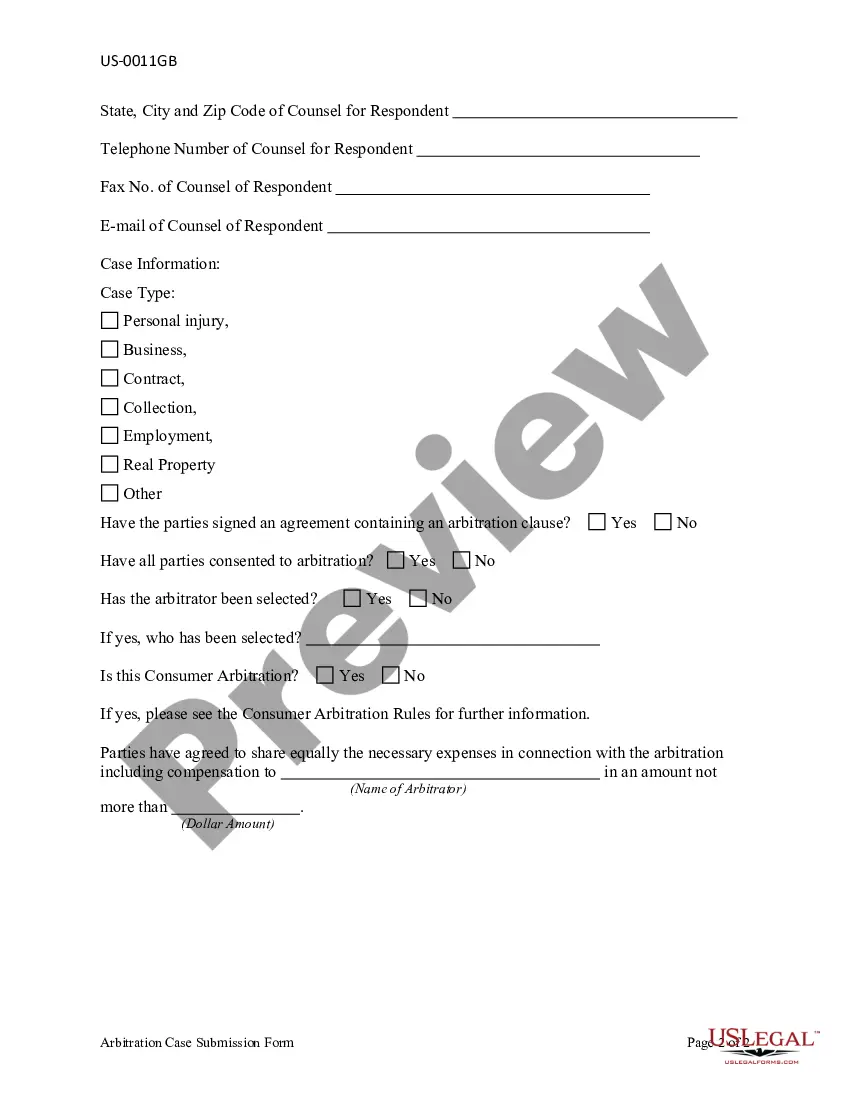

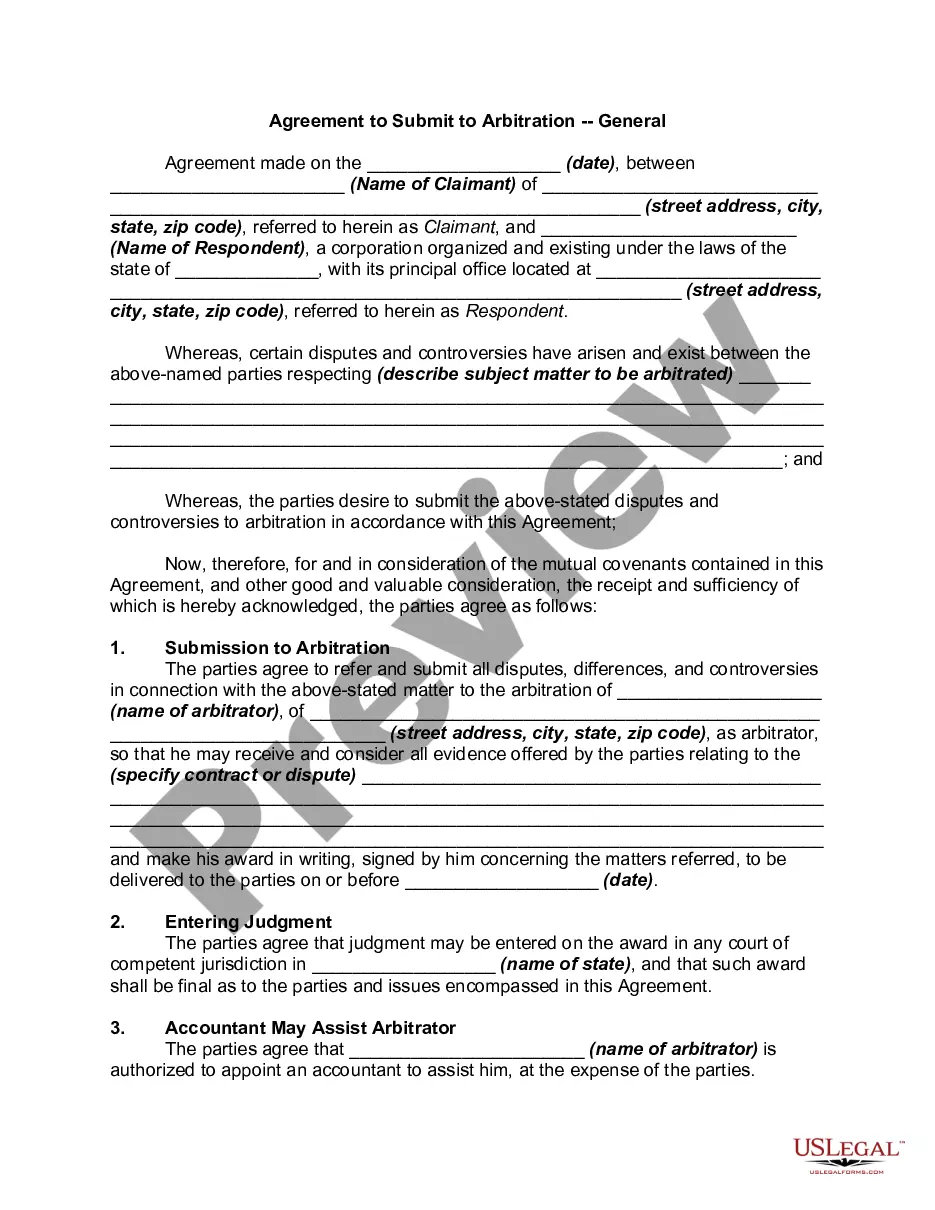

Get your form ready online
Our built-in tools help you complete, sign, share, and store your documents in one place.
Make edits, fill in missing information, and update formatting in US Legal Forms—just like you would in MS Word.
Download a copy, print it, send it by email, or mail it via USPS—whatever works best for your next step.
Sign and collect signatures with our SignNow integration. Send to multiple recipients, set reminders, and more. Go Premium to unlock E-Sign.
If this form requires notarization, complete it online through a secure video call—no need to meet a notary in person or wait for an appointment.
We protect your documents and personal data by following strict security and privacy standards.

Make edits, fill in missing information, and update formatting in US Legal Forms—just like you would in MS Word.

Download a copy, print it, send it by email, or mail it via USPS—whatever works best for your next step.

Sign and collect signatures with our SignNow integration. Send to multiple recipients, set reminders, and more. Go Premium to unlock E-Sign.

If this form requires notarization, complete it online through a secure video call—no need to meet a notary in person or wait for an appointment.

We protect your documents and personal data by following strict security and privacy standards.
Looking for another form?
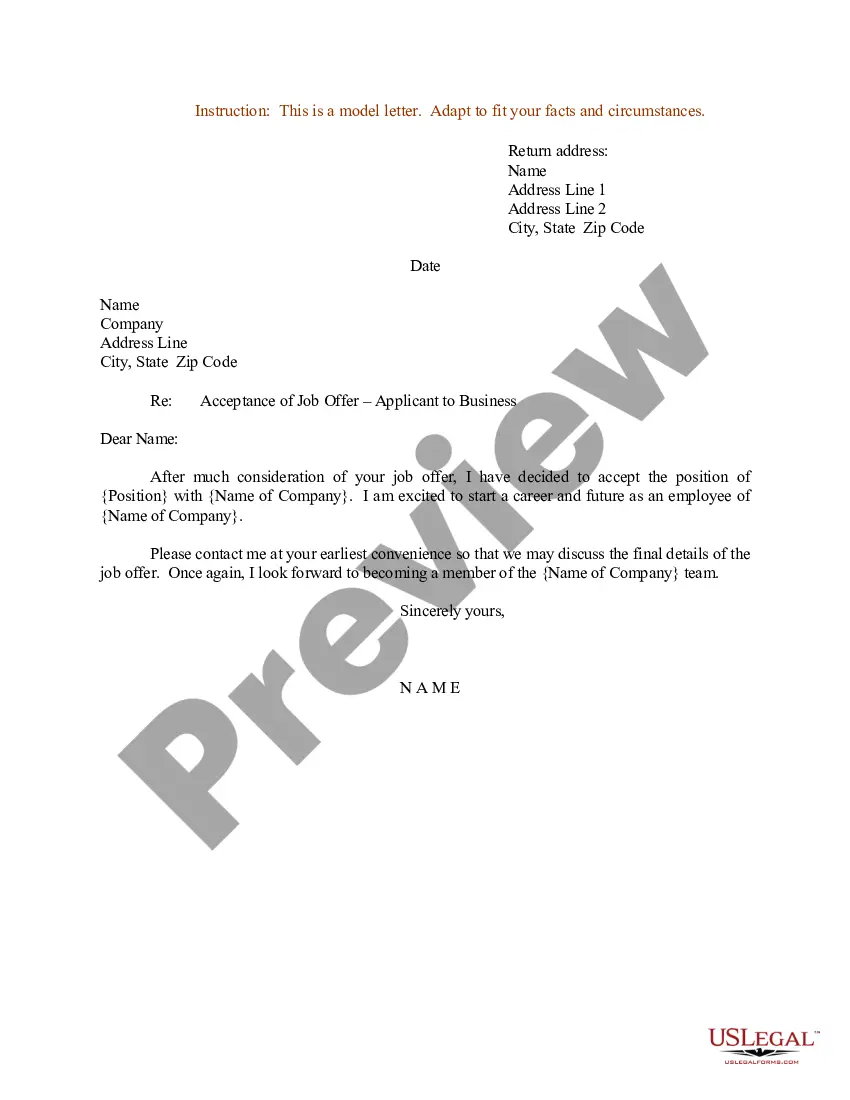

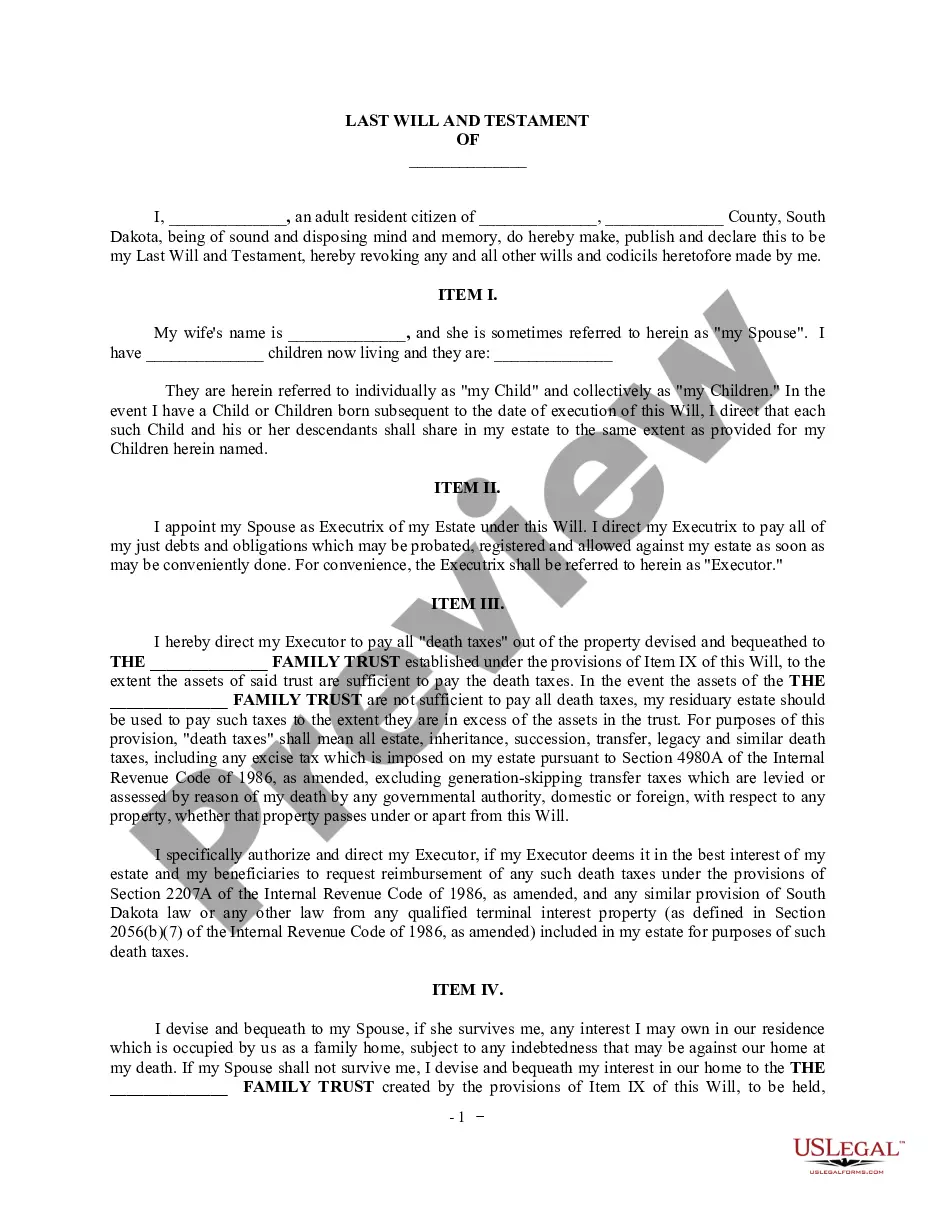







Form popularity
FAQ
If possible, avoid the use of technical jargon or "shop talk." Remember that the arbitrator may not know the details of your work or the Postal Service. However, if you must use "shop talk" to clarify a point, be sure to briefly define what you mean.
There are typically seven stages of the arbitration process: Claimant Files a Claim. Respondent Submits Answer. Parties Select Arbitrators. Parties Attend Initial Prehearing Conference. Parties Exchange Discovery. Parties Attend Hearings. Arbitrators Deliberate and Render Award.
Arbitration is a fairer, faster, and less expensive way to resolve disputes than time-consuming and expensive litigation.
Cases subject to and exempt from arbitration. (5) Upon filing of an election by all plaintiffs, any limited or unlimited civil case in any court in which each plaintiff agrees that the arbitration award will not exceed $50,000 as to that plaintiff. (Subd (a) amended effective January 1, 2004.)
Specifically, the new law affords parties “the right to take depositions and to obtain discovery regarding the subject matter of the arbitration, and, to that end, to use and exercise all of the same rights, remedies, and procedures, and be subject to all of the same duties, liabilities, and obligations in the ...
Such notice may be given by email, facsimile transmission, or other reliable means. This type of request needs to be filed either simultaneously with the main dispute or anytime after the main dispute has been filed.
A claimant will typically start arbitration by sending a document known as a “request for arbitration” or a “notice to arbitrate” to its opponent.
Arbitration agreements are subject to certain rules in order to have enforceability under California and federal law. If an arbitration agreement fails to meet these requirements, it can be held unenforceable.
Under California law, an employer can require its employees to agree to arbitration as a term of employment. However, if the agreement has too many unfair or biased conditions, courts may refuse to enforce the arbitration agreement or chop off the unfair terms.