Irs Publication 783 With Scope For Sale In Maryland
Description
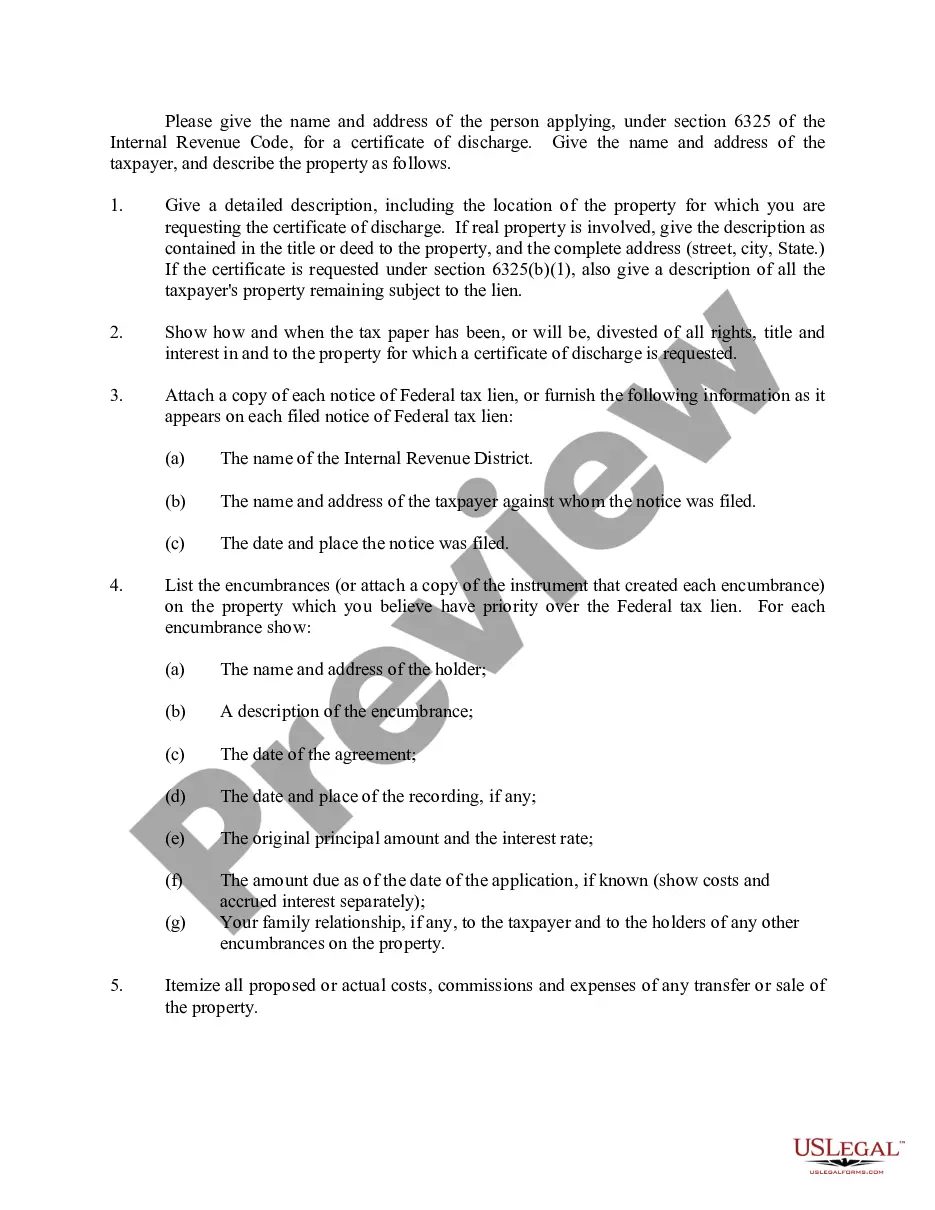
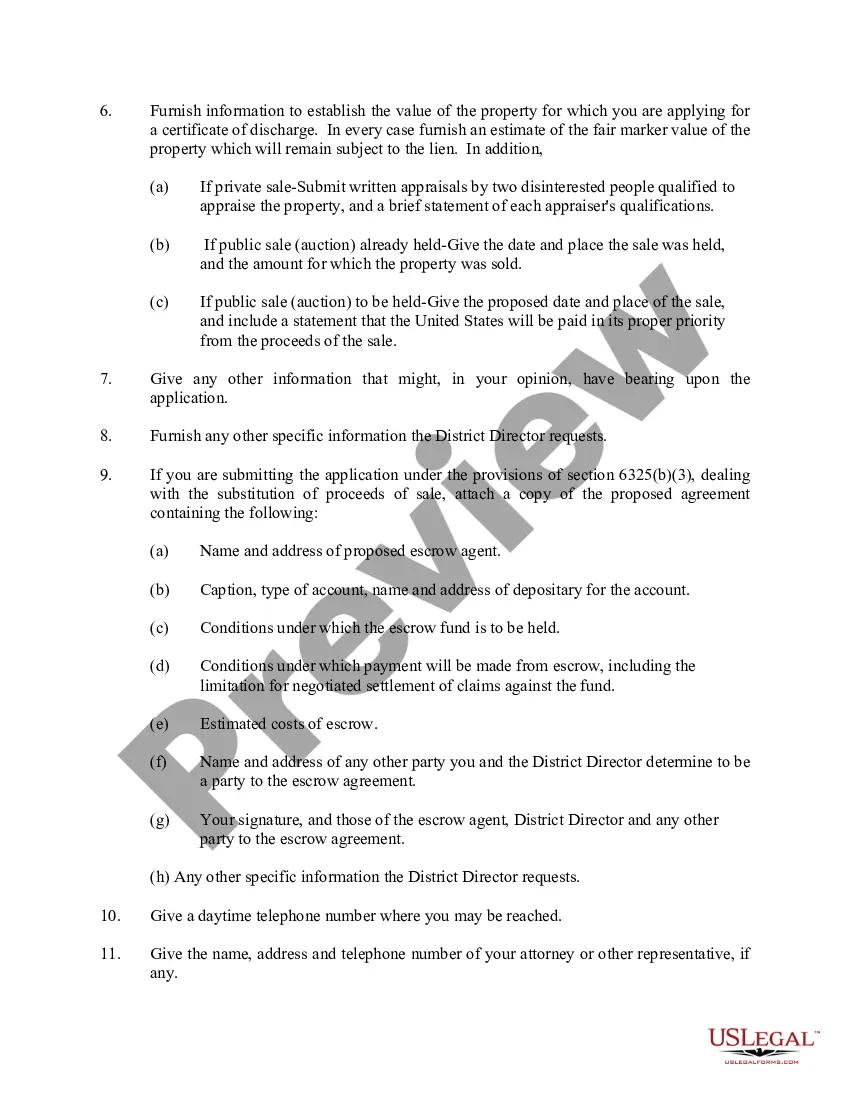
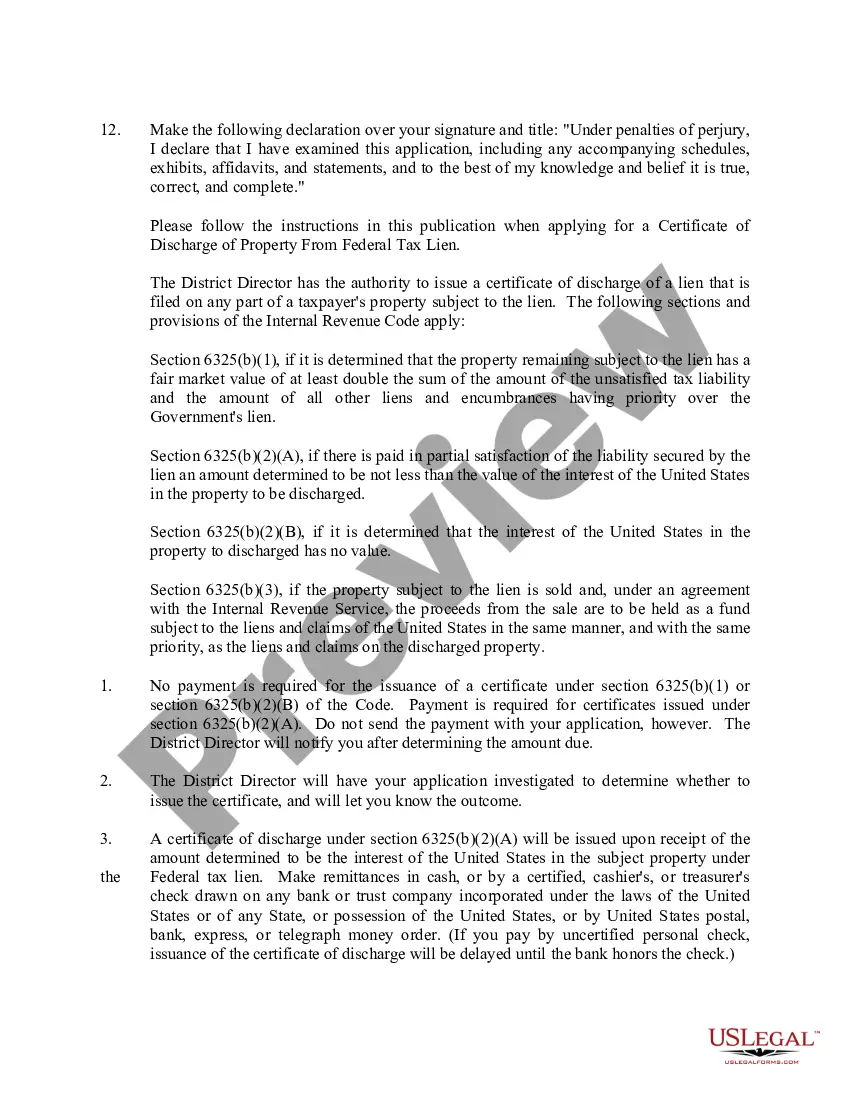
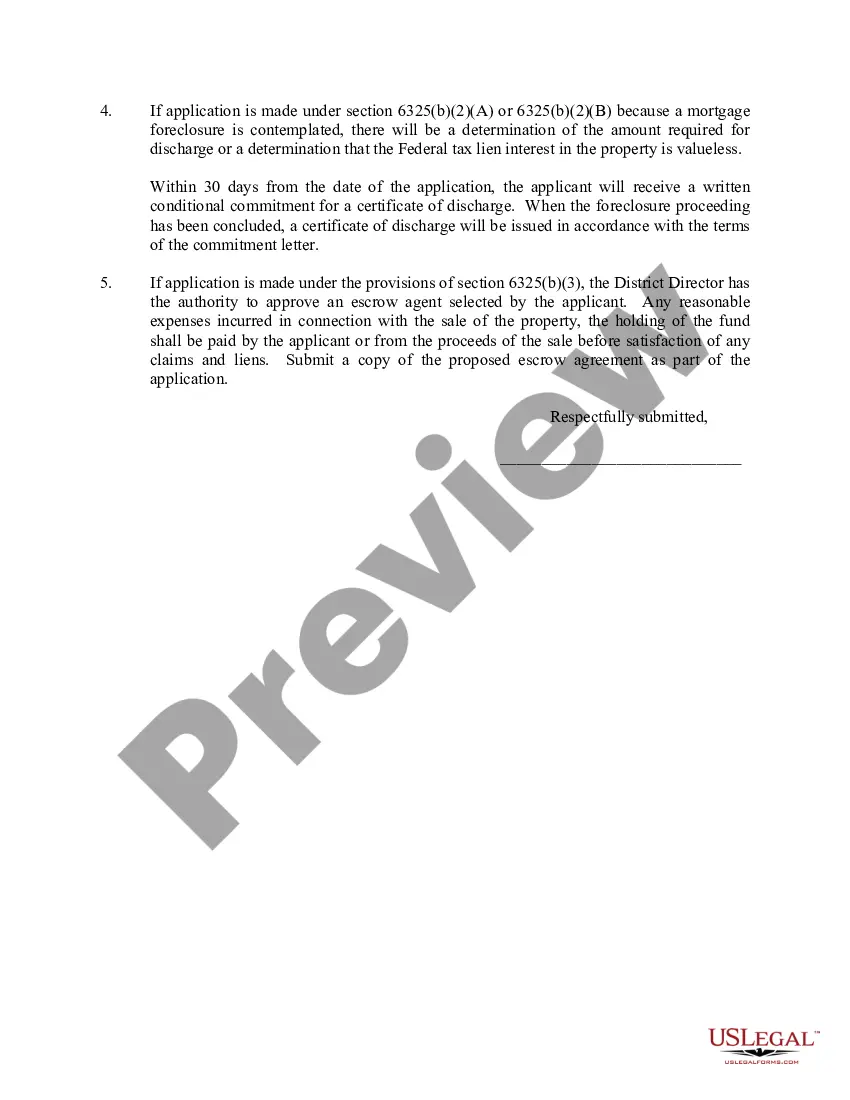
Get your form ready online
Our built-in tools help you complete, sign, share, and store your documents in one place.
Make edits, fill in missing information, and update formatting in US Legal Forms—just like you would in MS Word.
Download a copy, print it, send it by email, or mail it via USPS—whatever works best for your next step.
Sign and collect signatures with our SignNow integration. Send to multiple recipients, set reminders, and more. Go Premium to unlock E-Sign.
If this form requires notarization, complete it online through a secure video call—no need to meet a notary in person or wait for an appointment.
We protect your documents and personal data by following strict security and privacy standards.

Make edits, fill in missing information, and update formatting in US Legal Forms—just like you would in MS Word.

Download a copy, print it, send it by email, or mail it via USPS—whatever works best for your next step.

Sign and collect signatures with our SignNow integration. Send to multiple recipients, set reminders, and more. Go Premium to unlock E-Sign.

If this form requires notarization, complete it online through a secure video call—no need to meet a notary in person or wait for an appointment.

We protect your documents and personal data by following strict security and privacy standards.
Looking for another form?

Form popularity
FAQ
Liens and judgments including encumbrances, Federal tax liens, hospital liens, Maryland tax liens, District Court liens, civil judgments, and United States District Court judgments are recorded in the Office of the Clerk.
Use Form 8949 to report sales and exchanges of capital assets. Form 8949 allows you and the IRS to reconcile amounts that were reported to you and the IRS on Forms 1099-B or 1099-S (or substitute statements) with the amounts you report on your return.
You must report all 1099-B transactions on Schedule D (Form 1040), Capital Gains and Losses and you may need to use Form 8949, Sales and Other Dispositions of Capital Assets. This is true even if there's no net capital gain subject to tax.
You must report all 1099-B transactions on Schedule D (Form 1040), Capital Gains and Losses and you may need to use Form 8949, Sales and Other Dispositions of Capital Assets. This is true even if there's no net capital gain subject to tax. You must first determine if you meet the holding period.
If you have investment accounts, the IRS can see them in dividend and stock sales reportings through Forms 1099-DIV and 1099-B. If you have an IRA, the IRS will know about it through Form 5498.
(2) 20 years after the date of assessment. (ii) continues for 20 years. (ii) continues for 20 years.
In Maryland, the redemption period typically lasts six months from the date of the tax sale, but it can vary depending on county regulations and other factors. During this period, the property owner has the right to “redeem” their property by settling the outstanding tax lien.
Do taxes go away after 10 years? The collection statute expiration date (CSED), or the COSED are the time limits the IRS has to collect on your debt. Yes, Federal taxes do expire but Maryland State taxes do not. Federal taxes expire after a ten-year period from last assessment.