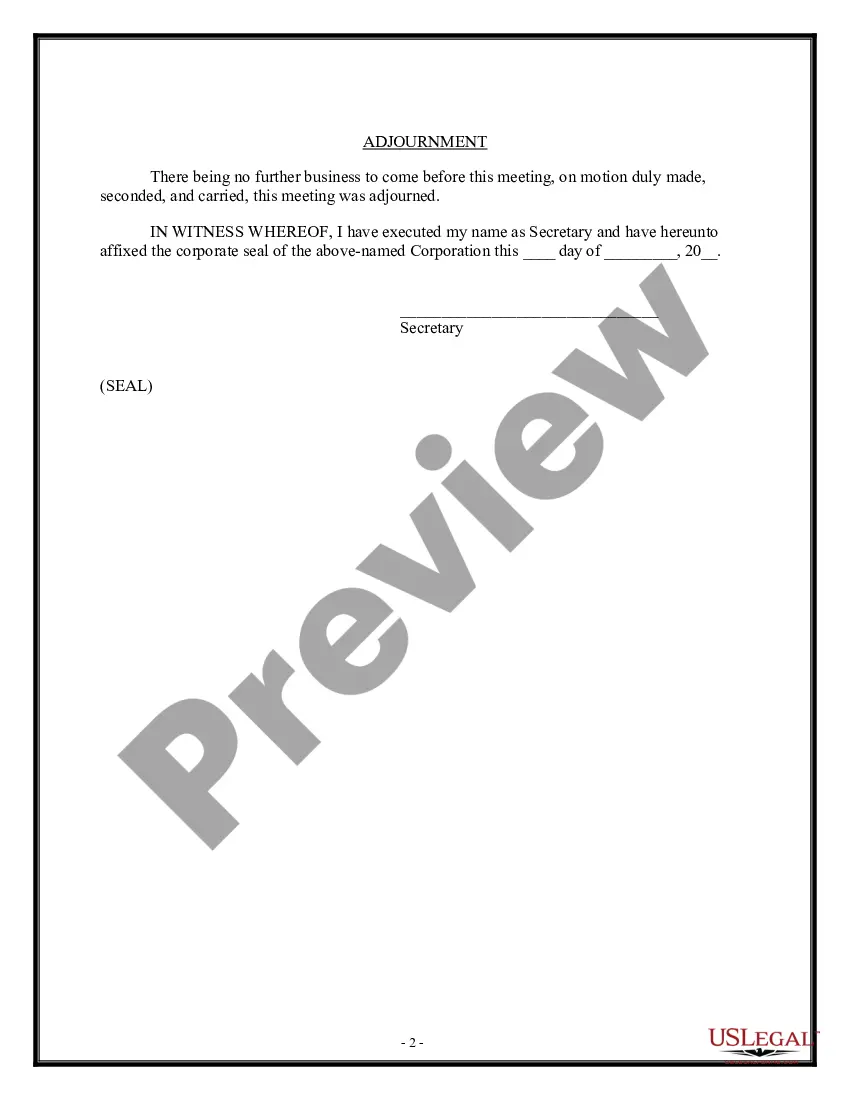
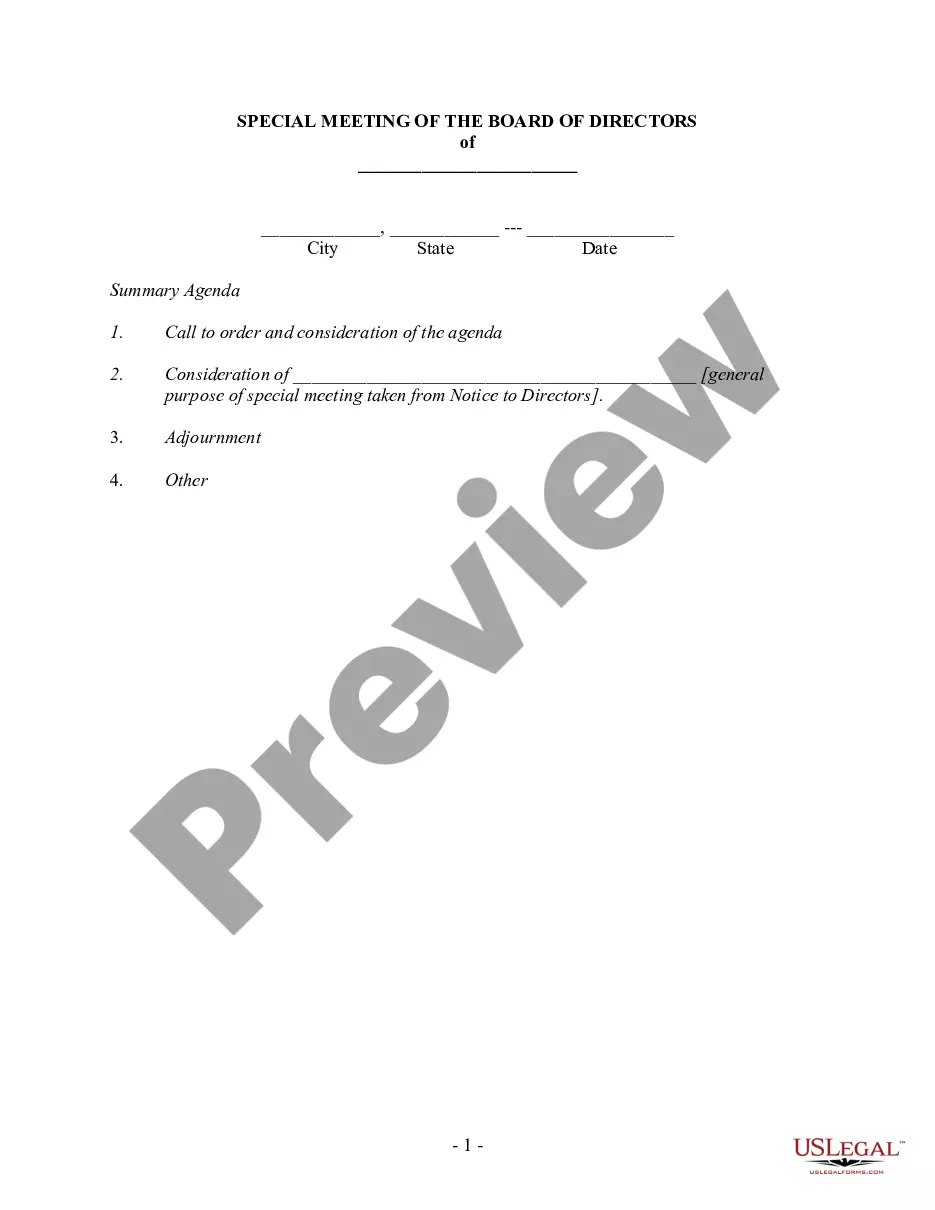
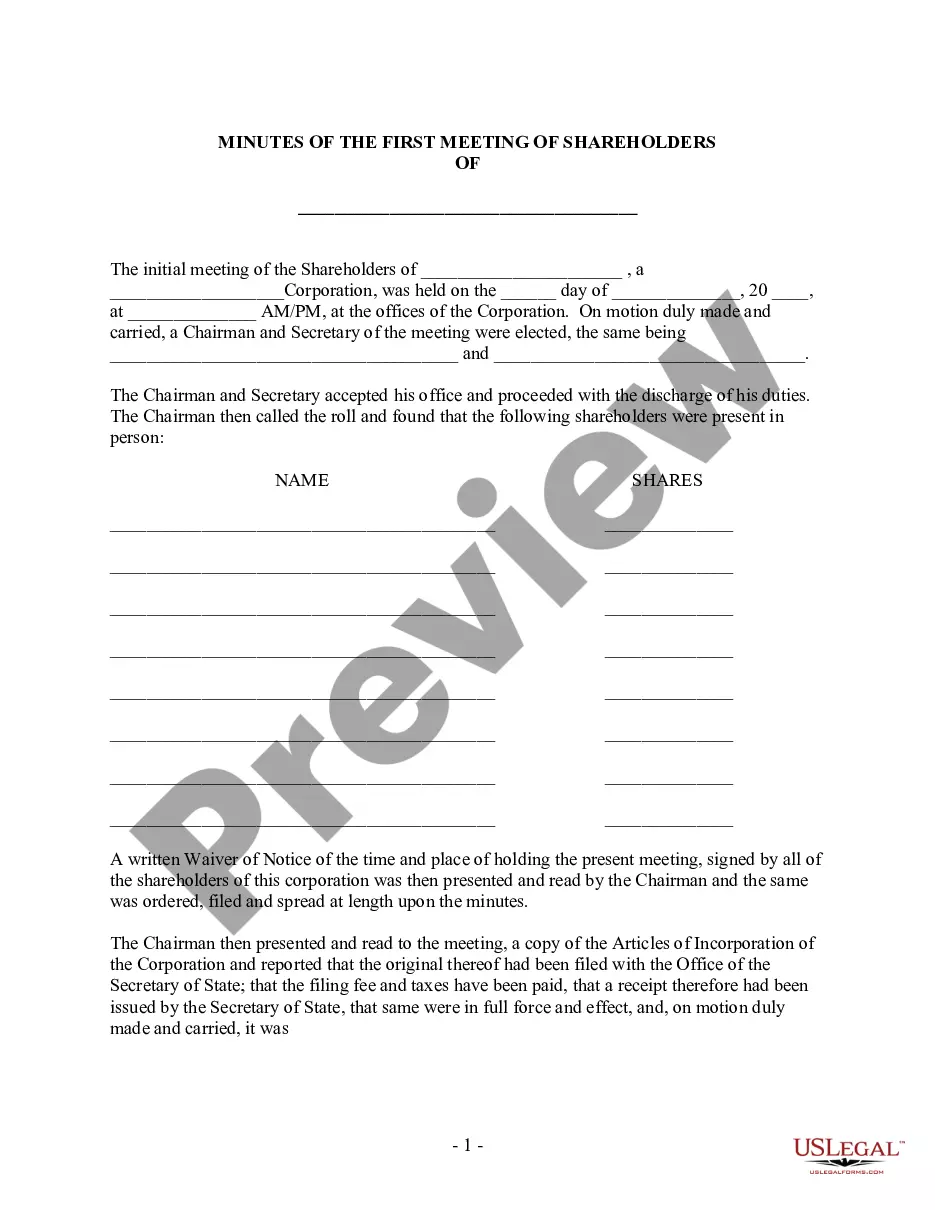
Asamblea Acta With English Subtitles In Virginia
Description


Get your form ready online
Our built-in tools help you complete, sign, share, and store your documents in one place.
Make edits, fill in missing information, and update formatting in US Legal Forms—just like you would in MS Word.
Download a copy, print it, send it by email, or mail it via USPS—whatever works best for your next step.
Sign and collect signatures with our SignNow integration. Send to multiple recipients, set reminders, and more. Go Premium to unlock E-Sign.
If this form requires notarization, complete it online through a secure video call—no need to meet a notary in person or wait for an appointment.
We protect your documents and personal data by following strict security and privacy standards.

Make edits, fill in missing information, and update formatting in US Legal Forms—just like you would in MS Word.

Download a copy, print it, send it by email, or mail it via USPS—whatever works best for your next step.

Sign and collect signatures with our SignNow integration. Send to multiple recipients, set reminders, and more. Go Premium to unlock E-Sign.

If this form requires notarization, complete it online through a secure video call—no need to meet a notary in person or wait for an appointment.

We protect your documents and personal data by following strict security and privacy standards.
Looking for another form?

Form popularity
FAQ
Virginia FOIA gives the public the right to attend the meetings of public bodies, with exceptions for closed sessions discussed below. Virginia law does not limit access to meetings to a specific category of people or a profession, such as "the traditional press." Anyone may attend.
Executive Branch Structure These agencies, boards, and commissions are empowered by the General Assembly to implement and enforce state law through the promulgation of rules and regulations. Article V of the Constitution of Virginia grants and describes the responsibilities and powers of the executive branch.
Legislative branch – General Assembly, made up of the Senate and the House of Delegates – creates laws. Executive branch – The governor – implements and enforces laws. Judicial branch – The Virginia Supreme Court and lesser state courts – interprets laws.
The Code of Virginia contains the laws passed by the General Assembly and signed by the Governor for the Commonwealth of Virginia.
Uncodified Acts of the Assembly are known as Section 1 bills. They are available in the annual Acts of Assembly publication, listed by chapter numbers ing to the date each bill (codified or not) becomes law.
Sections are designated by the symbol "§," followed by the title number, a dash, and the section number. For example, a simple code section reference would be § 1-1, referring to Title 1, Section 1. Another example is § 2.2-3704, which is one of the laws that make up the Virginia Freedom of Information Act.
The Office of the Attorney General provides legal services to the Commonwealth's agencies, boards, commissions, colleges and universities.