Asamblea Acta Formatura In Kings
Description

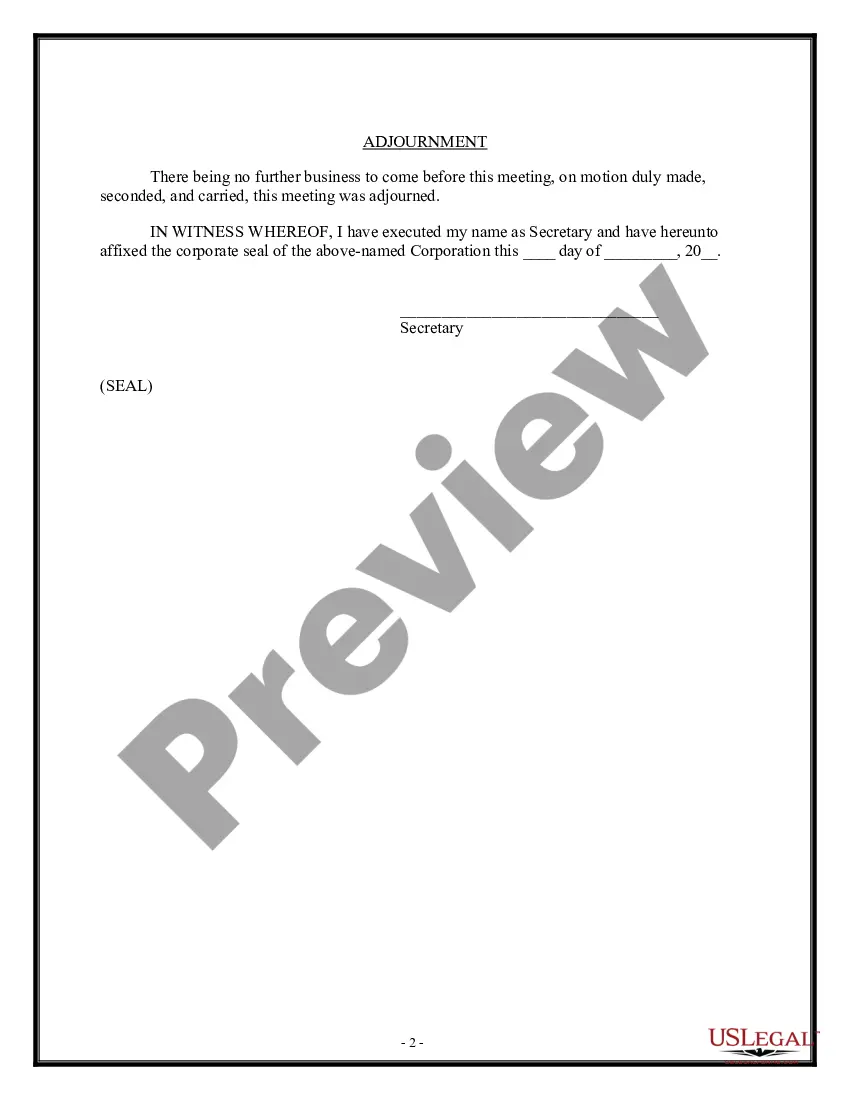
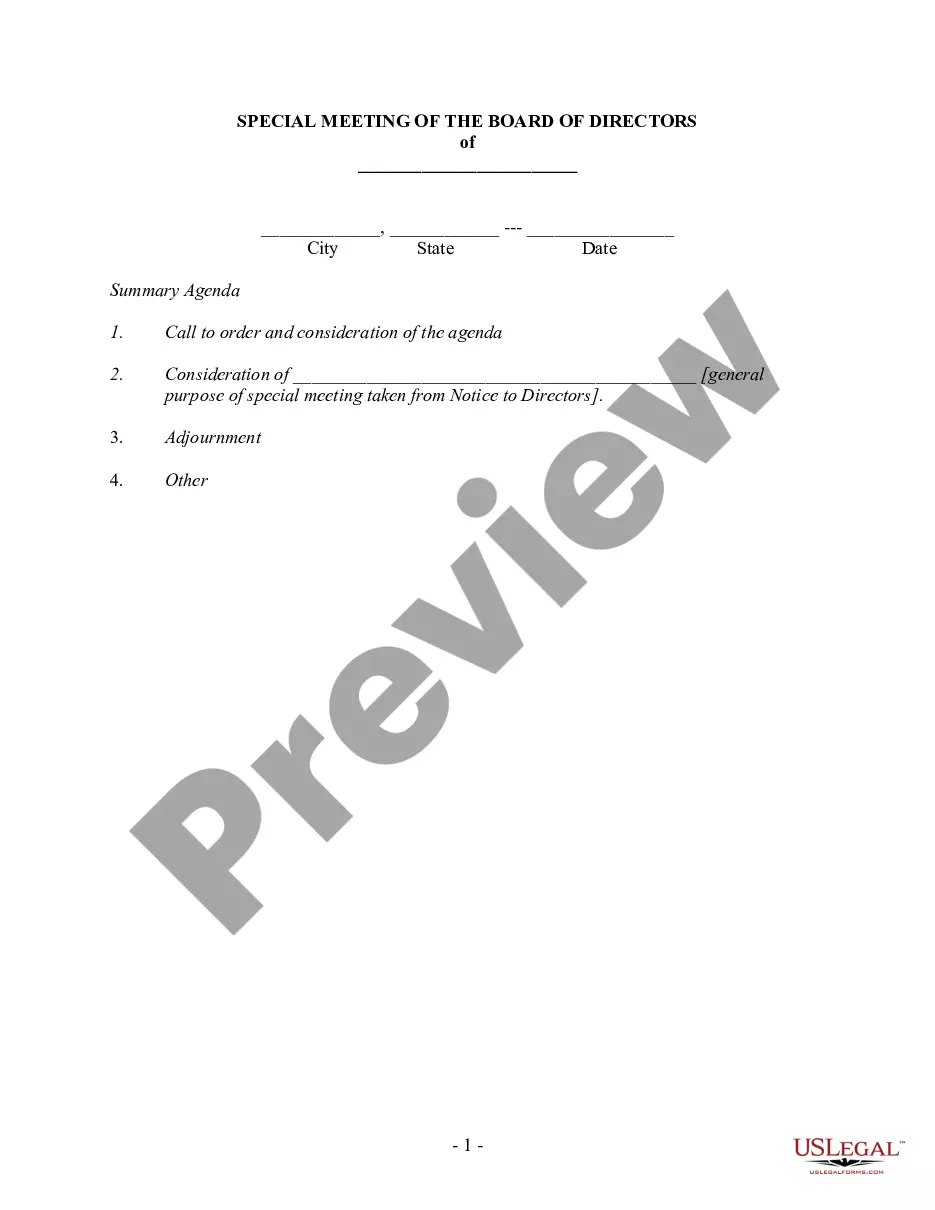

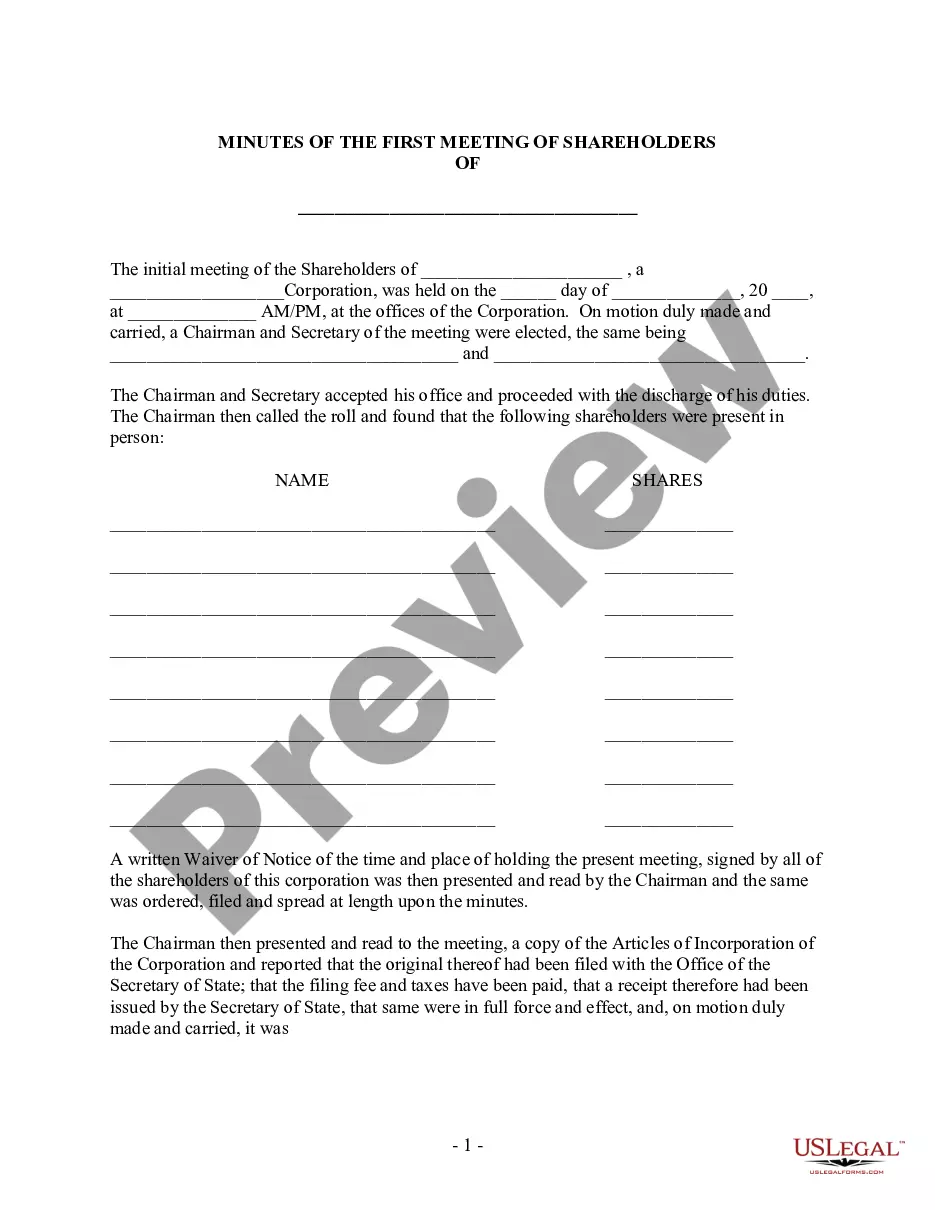
Get your form ready online
Our built-in tools help you complete, sign, share, and store your documents in one place.
Make edits, fill in missing information, and update formatting in US Legal Forms—just like you would in MS Word.
Download a copy, print it, send it by email, or mail it via USPS—whatever works best for your next step.
Sign and collect signatures with our SignNow integration. Send to multiple recipients, set reminders, and more. Go Premium to unlock E-Sign.
If this form requires notarization, complete it online through a secure video call—no need to meet a notary in person or wait for an appointment.
We protect your documents and personal data by following strict security and privacy standards.

Make edits, fill in missing information, and update formatting in US Legal Forms—just like you would in MS Word.

Download a copy, print it, send it by email, or mail it via USPS—whatever works best for your next step.

Sign and collect signatures with our SignNow integration. Send to multiple recipients, set reminders, and more. Go Premium to unlock E-Sign.

If this form requires notarization, complete it online through a secure video call—no need to meet a notary in person or wait for an appointment.

We protect your documents and personal data by following strict security and privacy standards.
Looking for another form?









Form popularity
FAQ
Taken together, stress granule disassembly may occur through multiple steps wherein RNA is titrated out of stress granule into translation leading to structural instability and subsequent disassembly of a larger stress granule complex into smaller core structures that are then disassembled or cleared by autophagy.
Stress granules are conserved RNP granules formed from pools of untranslating mRNPs. Stress granules are dynamic and show liquid-like behaviors but also contain stable substructures. Numerous interactions promote stress granule assembly including those involving intrinsically disordered protein domains.
Stress granules (SGs) are non-membranous foci that assemble as one of the first responses to cellular stress, being composed by 40S ribosomal subunits, translation initiation factors, poly(A)+ mRNAs and RNA-binding proteins (RBPs).
In eukaryotic cells, nontranslating mRNAs can accumulate in two types of cytoplasmic mRNP granules: P-bodies, which contain the mRNA decay machinery (reviewed in Anderson and Kedersha 2006; Parker and Sheth 2007; Franks and Lykke-Andersen 2008), and stress granules, which contain many translation initiation components ...
Stress granules are primarily composed of the stalled 48S complexes containing bound mRNAs derived from disassembling polysomes. These contain poly(A)+ RNA bound to early initiation factors (such as eIF4E, eIF3, eIF4A, eIFG) and small, but not large, ribosomal subunits.
Many stress granule-associated proteins have been identified by transiently stressing cultured cells and utilizing microscopy to detect the localization of a protein of interest either by expressing that protein fused to a fluorescent protein (i.e. green fluorescent protein (GFP)) and/or by fixing cells and using ...
Hydrogen peroxide induces stress granule formation independent of eIF2α phosphorylation.