Asamblea Acta Formatura In Florida
Description

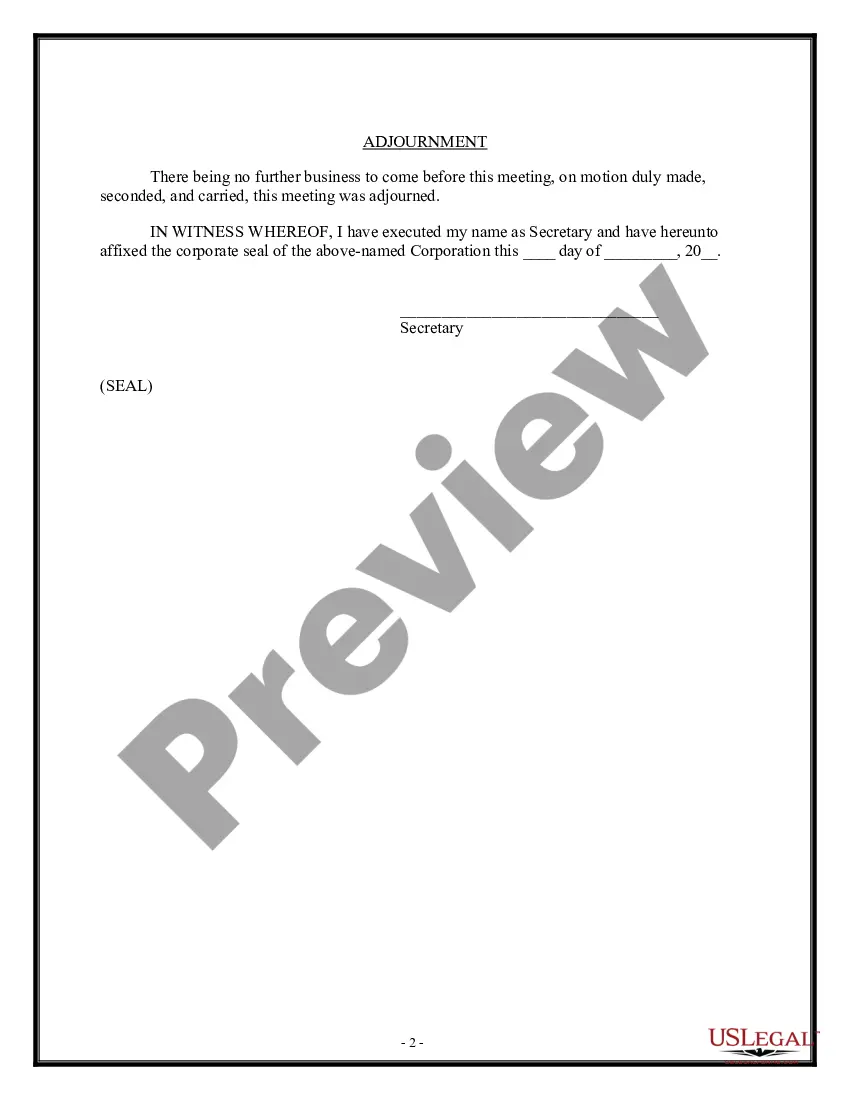
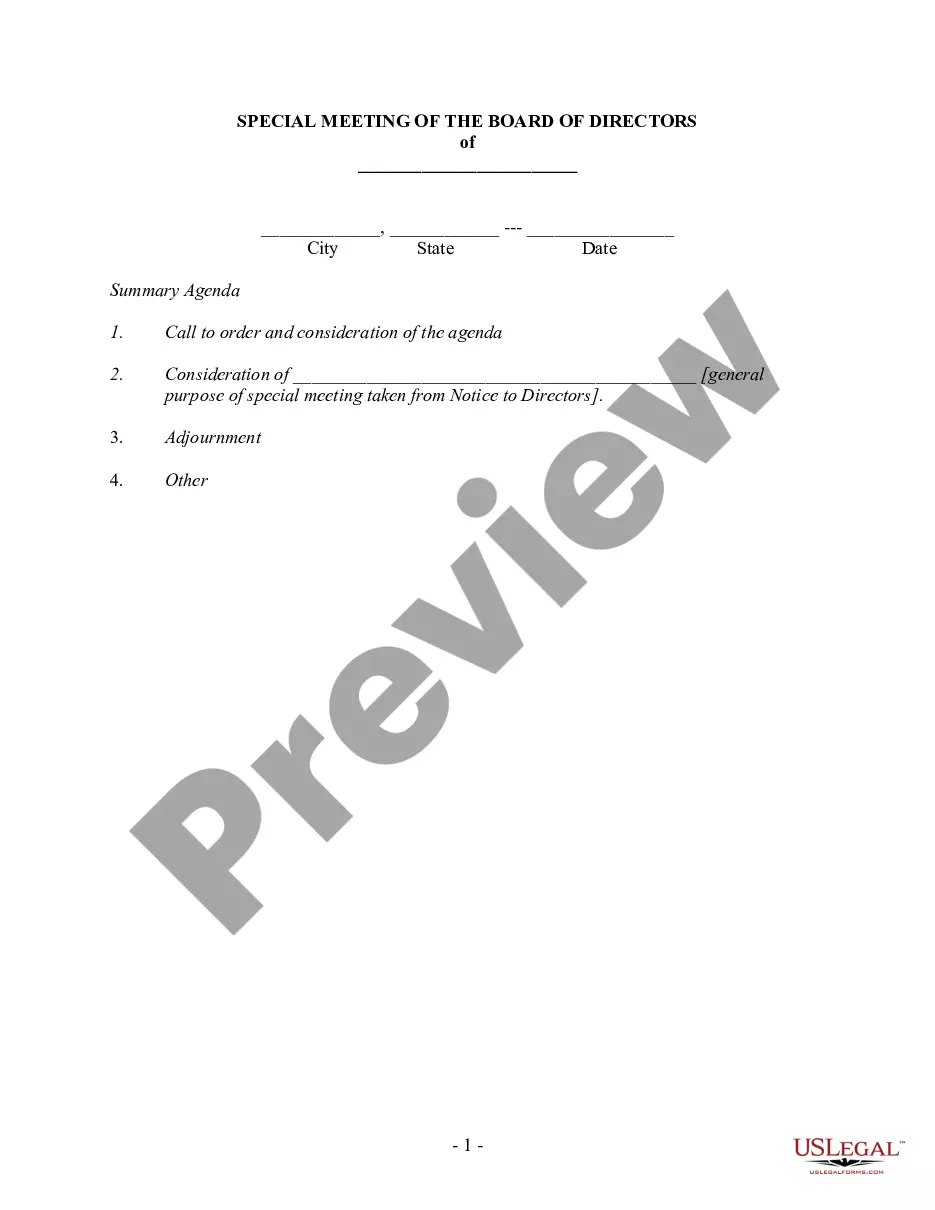

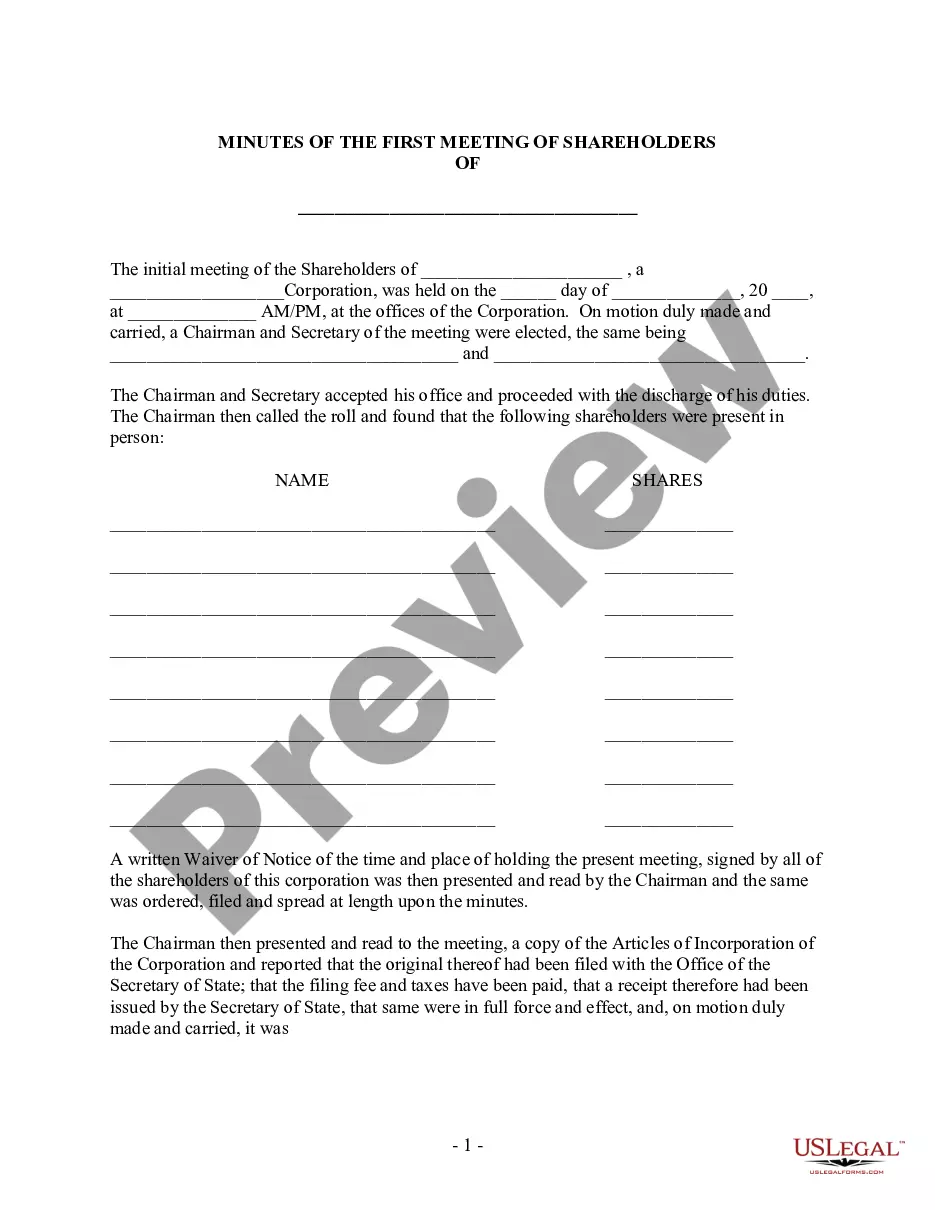
Get your form ready online
Our built-in tools help you complete, sign, share, and store your documents in one place.
Make edits, fill in missing information, and update formatting in US Legal Forms—just like you would in MS Word.
Download a copy, print it, send it by email, or mail it via USPS—whatever works best for your next step.
Sign and collect signatures with our SignNow integration. Send to multiple recipients, set reminders, and more. Go Premium to unlock E-Sign.
If this form requires notarization, complete it online through a secure video call—no need to meet a notary in person or wait for an appointment.
We protect your documents and personal data by following strict security and privacy standards.

Make edits, fill in missing information, and update formatting in US Legal Forms—just like you would in MS Word.

Download a copy, print it, send it by email, or mail it via USPS—whatever works best for your next step.

Sign and collect signatures with our SignNow integration. Send to multiple recipients, set reminders, and more. Go Premium to unlock E-Sign.

If this form requires notarization, complete it online through a secure video call—no need to meet a notary in person or wait for an appointment.

We protect your documents and personal data by following strict security and privacy standards.
Looking for another form?








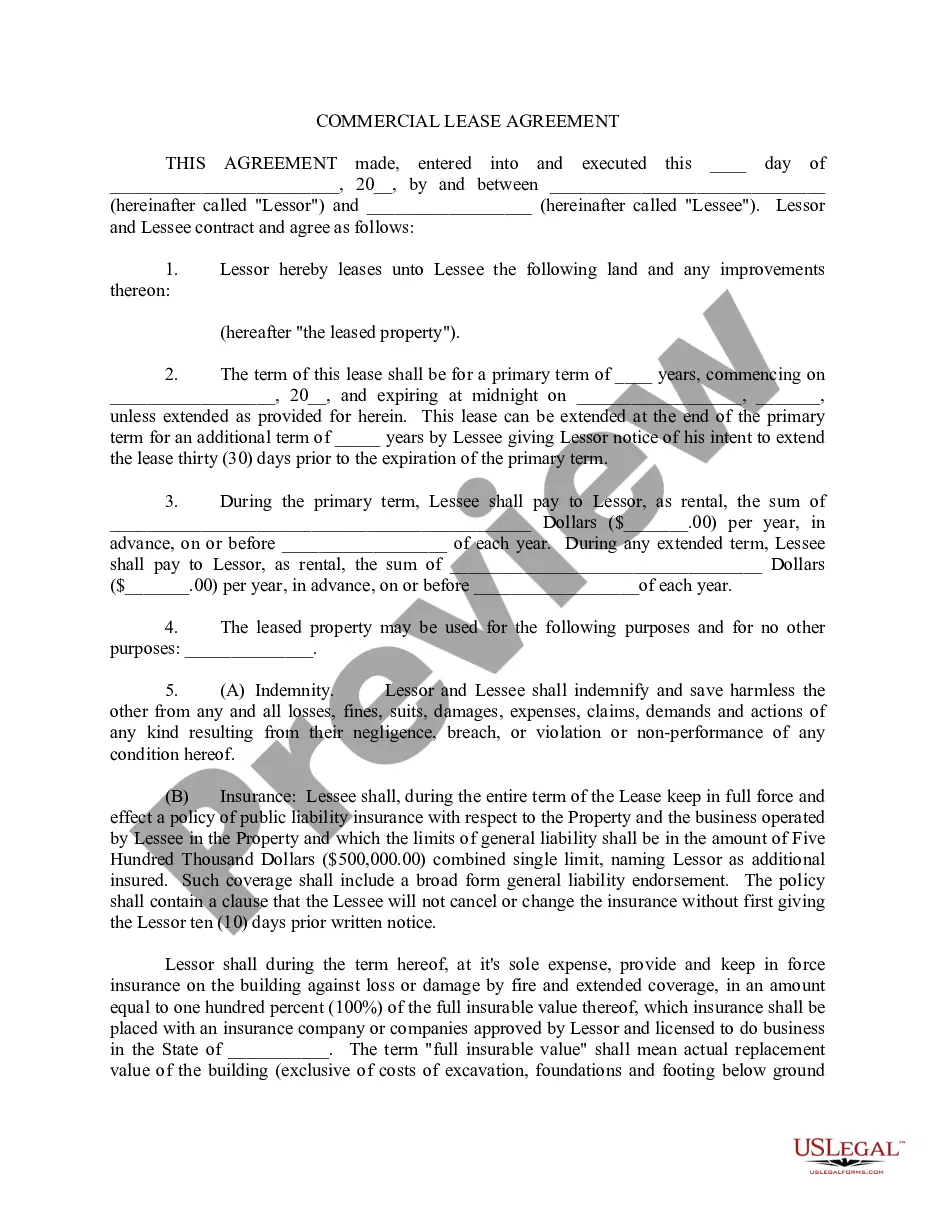
Form popularity
FAQ
The principal parties to the contract are the listing broker and the client. The client may be buyer, seller, landlord or tenant in the proposed transaction. Legally, the broker is the client's agent. The principal party on the other side of the transaction is a customer or a potential customer, called a prospect.
A showing agreement is a document sometimes used by Realtors in Florida to formalize their relationship with prospective buyers. Essentially, it is a prelude to a potential real estate transaction.
The listing agreement generally can be terminated if both sides agree or if you don't want to pursue the transaction, but you cannot unilaterally do it during the term to sell yourself or sell with another agent. I answered above. I want to make sure that the answer is 100% clear to you.
Duration: Exclusive buyer brokerage agreements usually have a longer duration compared to showing agreements. They can cover a specific period or even extend until a particular property is purchased. Scope: These agreements may specify the types of properties or locations the Realtor will help the buyer explore.
A listing agreement authorizes the broker to represent the seller and their property to third parties. The listing agreement is an employment contract rather than a real estate contract: The broker is hired to represent the seller, but no property is transferred between the two.
Forms can be filed electronically online once completed, signed and notarized. First-time users will need to create an account. Please choose “Self-Represented Litigant” as the filer role when registering. Before you file, please make sure it is signed and notarized as required.
In order to form your professional association or professional corporation, you are required to file articles of incorporation. These articles will be filed with the Florida Division of Corporations and can be completed online or by mail.
Sealing and Expunging Criminal Records Step 1: Obtaining and Completing the Application. Step 2: Submit Application to the State Attorney's Office. Step 3: Submit completed application to FDLE. Step 4: Complete and File a “Petition and Affidavit to Expunge or Seal” ... Step 5: Filing the Petition.
Filing under seal is a procedure allowing sensitive or confidential information to be filed with a court without becoming a matter of public record. The court generally must give permission for the material to remain under seal.
Attorneys seeking access to sealed court documents typically need to file a motion with the court. The motion should explain the specific reasons for the request and how access to the sealed information is essential for the proper representation of their client.