Resignation Letter Gracefully With No Reason In Salt Lake
Description

Get your form ready online
Our built-in tools help you complete, sign, share, and store your documents in one place.
Make edits, fill in missing information, and update formatting in US Legal Forms—just like you would in MS Word.
Download a copy, print it, send it by email, or mail it via USPS—whatever works best for your next step.
Sign and collect signatures with our SignNow integration. Send to multiple recipients, set reminders, and more. Go Premium to unlock E-Sign.
If this form requires notarization, complete it online through a secure video call—no need to meet a notary in person or wait for an appointment.
We protect your documents and personal data by following strict security and privacy standards.

Make edits, fill in missing information, and update formatting in US Legal Forms—just like you would in MS Word.

Download a copy, print it, send it by email, or mail it via USPS—whatever works best for your next step.

Sign and collect signatures with our SignNow integration. Send to multiple recipients, set reminders, and more. Go Premium to unlock E-Sign.

If this form requires notarization, complete it online through a secure video call—no need to meet a notary in person or wait for an appointment.

We protect your documents and personal data by following strict security and privacy standards.
Looking for another form?








Form popularity
FAQ
Do you have to give a reason for resignation? You are not contractually obligated to provide a reason about why you are quitting your job. You do not have to do so if you do not want to. However, if you're on good terms with your boss or colleagues, you could always tell them in person over a casual conversation.
In your resignation letter you should explain clearly your reasons for leaving. If there's been a serious breach of contract, you might want to leave your job straight away instead of working your notice period. Doing this could be a breach of your employment contract, but it can be justified sometimes.
No, you are not legally required to provide a reason for your resignation in most situations. However, it is often considered professional and courteous to do so, especially if you have a good relationship with your employer.
Keep it brief but focused. Clearly state your desire to resign. No need to get into the particulars of why you're leaving or share any gripes you have. Try to keep it positive and gracious, if possible. Despite any painful reasons for leaving a toxic job, your moving on signifies a new career direction for you.
How to write an immediate resignation letter Include the date you plan to leave. Explain the situation clearly and concisely. Be positive and professional. Express gratitude. Include any questions you have. Include your contact information. Proofread your letter. Send your letter to your employer and HR.
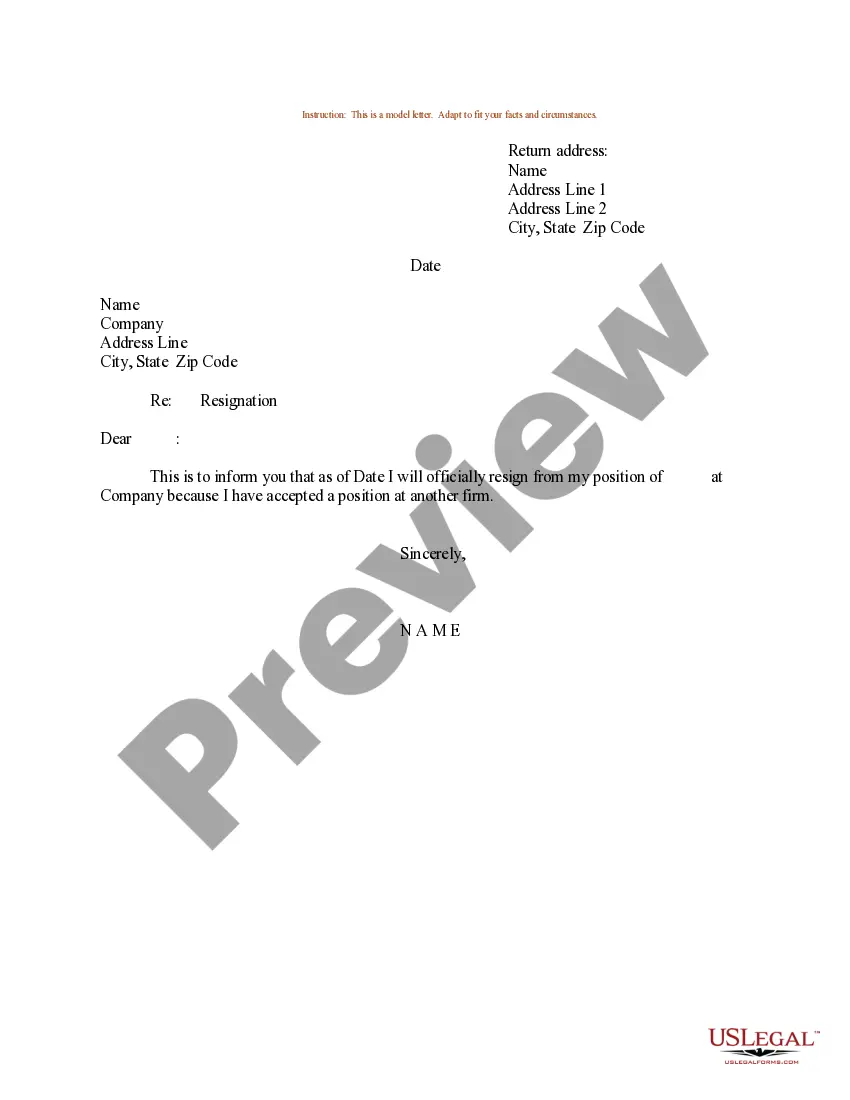
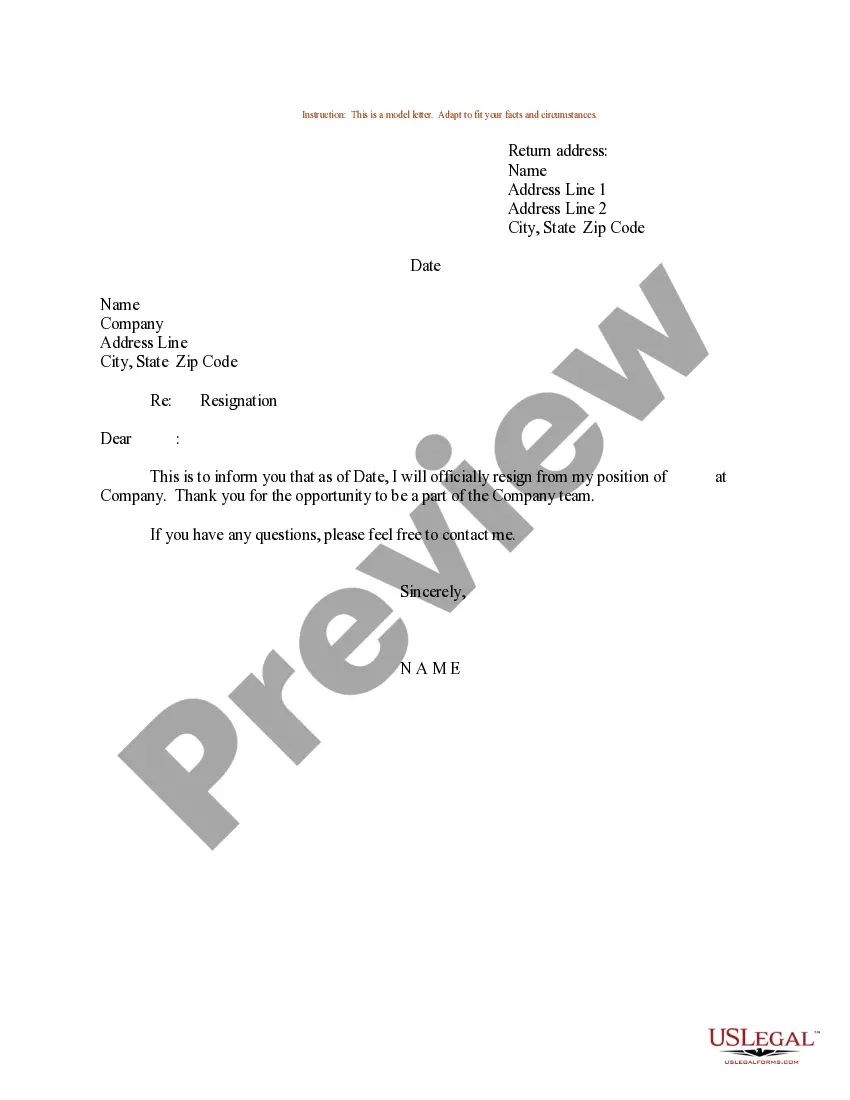
Your letter could even be as simple as this, “I am writing to inform you of my resignation from Company, effective Date. I appreciate the opportunities for growth during my time here. Please let me know if there is anything I can do to ensure a smooth handover.”
Now remember, you don't need to disclose the reason why you're leaving if you don't want to. A great manager is going to understand why you are leaving, especially if you do decide to share that information.
Dear recipient's name, I am writing to inform you of my decision to resign from my position at Company Name, effective immediately. Due to unforeseen personal circumstances, I am unable to continue my role at this time. I am deeply grateful for the opportunities and experiences I have had while working here.
How to write a resignation letter for a job you just started in 7 steps Be sure of your decision. Avoid rushing into the decision to quit your new job. Allow enough time. Format your letter. Address the letter. Explain your resignation. Finish your letter. Proofread your writing.
How to write an emergency resignation letter Talk to your manager first. If possible, tell your manager or leader in person, or over the phone that you must leave due to an emergency. Use the business letter format. Maintain an optimistic and grateful tone. State the date. Provide necessary details only.
