Accepted Resignation With Regret In Nevada
Description
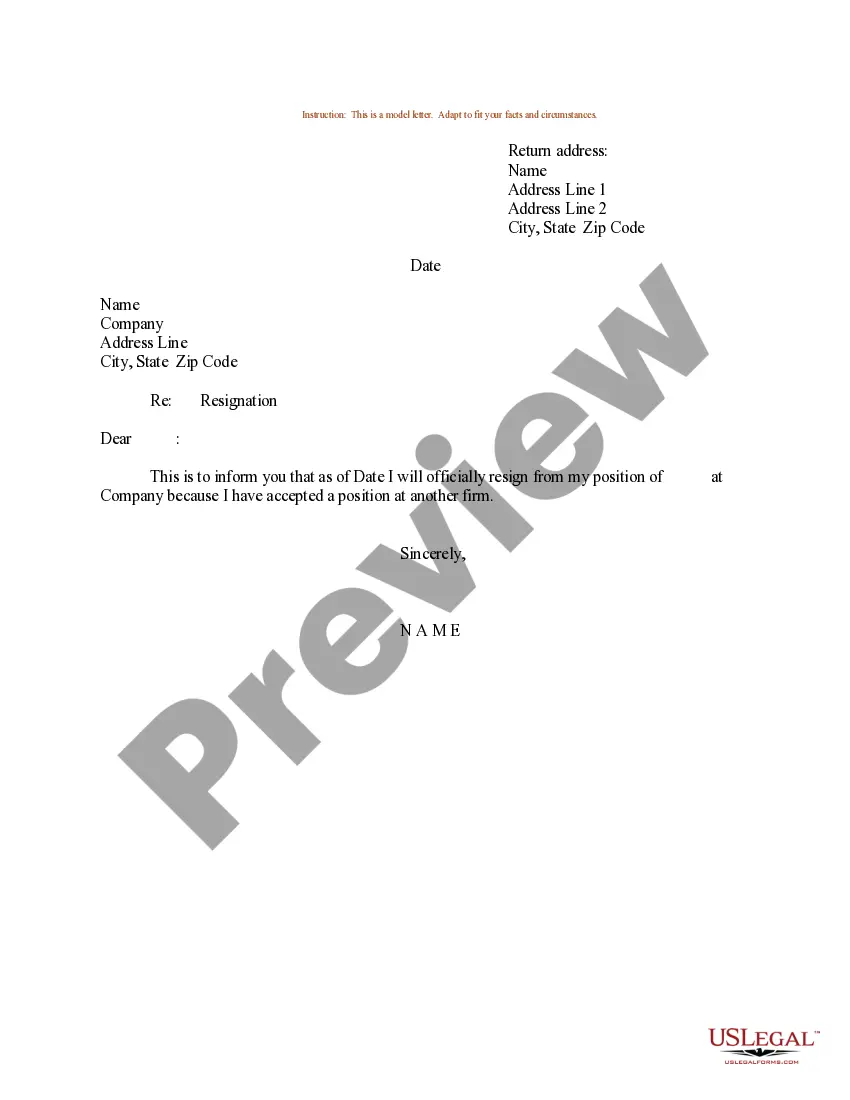
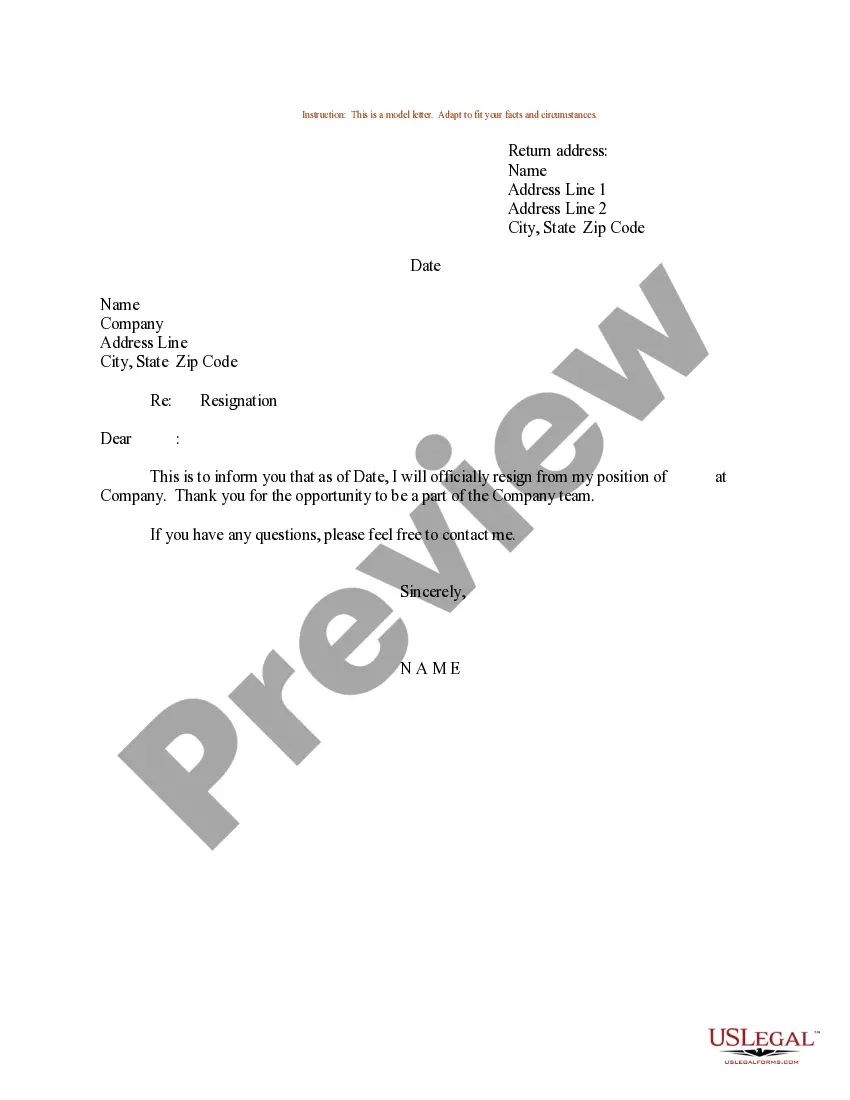
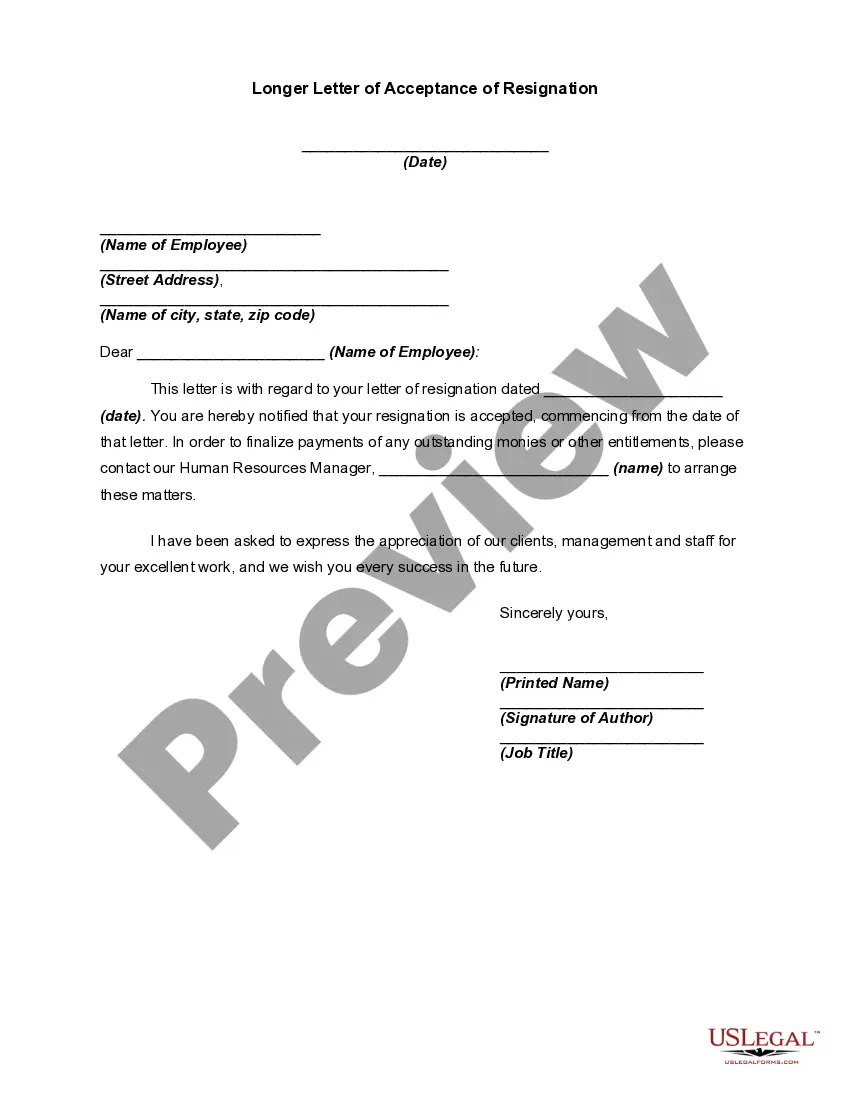

Get your form ready online
Our built-in tools help you complete, sign, share, and store your documents in one place.
Make edits, fill in missing information, and update formatting in US Legal Forms—just like you would in MS Word.
Download a copy, print it, send it by email, or mail it via USPS—whatever works best for your next step.
Sign and collect signatures with our SignNow integration. Send to multiple recipients, set reminders, and more. Go Premium to unlock E-Sign.
If this form requires notarization, complete it online through a secure video call—no need to meet a notary in person or wait for an appointment.
We protect your documents and personal data by following strict security and privacy standards.

Make edits, fill in missing information, and update formatting in US Legal Forms—just like you would in MS Word.

Download a copy, print it, send it by email, or mail it via USPS—whatever works best for your next step.

Sign and collect signatures with our SignNow integration. Send to multiple recipients, set reminders, and more. Go Premium to unlock E-Sign.

If this form requires notarization, complete it online through a secure video call—no need to meet a notary in person or wait for an appointment.

We protect your documents and personal data by following strict security and privacy standards.
Looking for another form?




Form popularity
FAQ
Accept the resignation Be direct and to the point and, in the first sentence, acknowledge the receipt of their letter of resignation and formally accept it. Depending on the employee and the circumstances of their departure, you may want to add your regrets about their decision in the first paragraph.
If you regret your resignation, here are some steps you can take: Reflect on Your Decision: Consider why you resigned and whether those reasons still hold. Make sure you genuinely want to stay. Contact Your Boss: Reach out to your boss as soon as possible. Request a meeting to discuss your resignation.
If your employer refuses to accept your resignation, consider the following steps: Clarify Your Intentions: Politely reaffirm your decision to resign. Make it clear that your choice is final. Request a Meeting: Schedule a meeting with your supervisor or HR to discuss the situation.
If your boss does not accept your resignation, consider the following steps: Clarify Your Intentions: Make sure your resignation is clear and firm. Discuss your reasons for leaving, emphasizing that your decision is final. Request a Meeting: Set up a private meeting with your boss to discuss your resignation.
A boss cannot legally refuse a resignation. When an employee submits a resignation, it is generally considered a unilateral decision, meaning the employee has the right to leave the job. However, there are a few important points to consider:
To deal with a resistant boss, try saying something like, "It's time for me to pursue something new, so my last day here will be November 1. I know you may have a hard time understanding, but my decision is final." If your boss still refuses to cooperate, fax and email your resignation to them to create a paper trail.
An employer cannot reject your resignation. However, you should always follow the right process so that you're not in breach of your contract. You should talk to your employer about how and when other people are told about your resignation. For example, whether it'll be you or your manager who tells them.
Yes, they can reject a resignation. Nothing is stopping them from continuing to believe you are employed by them after your resignation date and continuing to place your paycheck into your bank account.
Mutual Agreement: If both the employer and the employee agree, a resignation may be retracted even after it has been accepted. This could happen if both parties discuss the situation and decide that continuing the employment relationship is in their best interests.
#1 Use formal language. #2 State a clear response. #3 Express understanding. #4 Show gratitude. #5 Outline the next steps clearly. #6 Wish them well.

