Resignation Letter Examples Forced To Leave In Montgomery
Description

Get your form ready online
Our built-in tools help you complete, sign, share, and store your documents in one place.
Make edits, fill in missing information, and update formatting in US Legal Forms—just like you would in MS Word.
Download a copy, print it, send it by email, or mail it via USPS—whatever works best for your next step.
Sign and collect signatures with our SignNow integration. Send to multiple recipients, set reminders, and more. Go Premium to unlock E-Sign.
If this form requires notarization, complete it online through a secure video call—no need to meet a notary in person or wait for an appointment.
We protect your documents and personal data by following strict security and privacy standards.

Make edits, fill in missing information, and update formatting in US Legal Forms—just like you would in MS Word.

Download a copy, print it, send it by email, or mail it via USPS—whatever works best for your next step.

Sign and collect signatures with our SignNow integration. Send to multiple recipients, set reminders, and more. Go Premium to unlock E-Sign.

If this form requires notarization, complete it online through a secure video call—no need to meet a notary in person or wait for an appointment.

We protect your documents and personal data by following strict security and privacy standards.
Looking for another form?






Form popularity
FAQ
What is constructive termination? If you are forced to resign because of intolerable, adverse working conditions that would be unusually or repeatedly offensive to any reasonable person, you may sue for constructive termination.
What to do when you are forced to resign Consider the alternatives. Ask about options for staying at the company. Discuss whether the terms of your resignation are negotiable. Understand your benefits. Consider getting a recommendation. View the situation as an opportunity. Determine if your situation warrants a claim.
(“In order to establish a constructive discharge, an employee must plead and prove, by the usual preponderance of the evidence standard, that the employer either intentionally created or knowingly permitted working conditions that were so intolerable or aggravated at the time of the employee's resignation that a ...
Just write: I (your name) tender my notice of resignation effective (2 weeks into the future). Thank you ( your name) That's it, nothing more. If your leaving, just go. Anything more will be unproductive.
Seek Legal Counsel An experienced employment attorney can help assess your case if your employer forces you to resign. The attorney can review the relevant documentation and help determine if your forced resignation is legal or you are being wrongfully dismissed.
California employment law strictly prohibits employers from engaging in coercive tactics to force an employee to resign.
Here are the steps to take if your company forced you to resign: Consider the alternatives. Ask about options for staying at the company. Discuss whether the terms of your resignation are negotiable. Understand your benefits. Consider getting a recommendation. View the situation as an opportunity.
If an employee feels they have no choice but to resign because of something their employer has done, they might be able to claim for 'constructive dismissal'. The legal term is 'constructive unfair dismissal'.
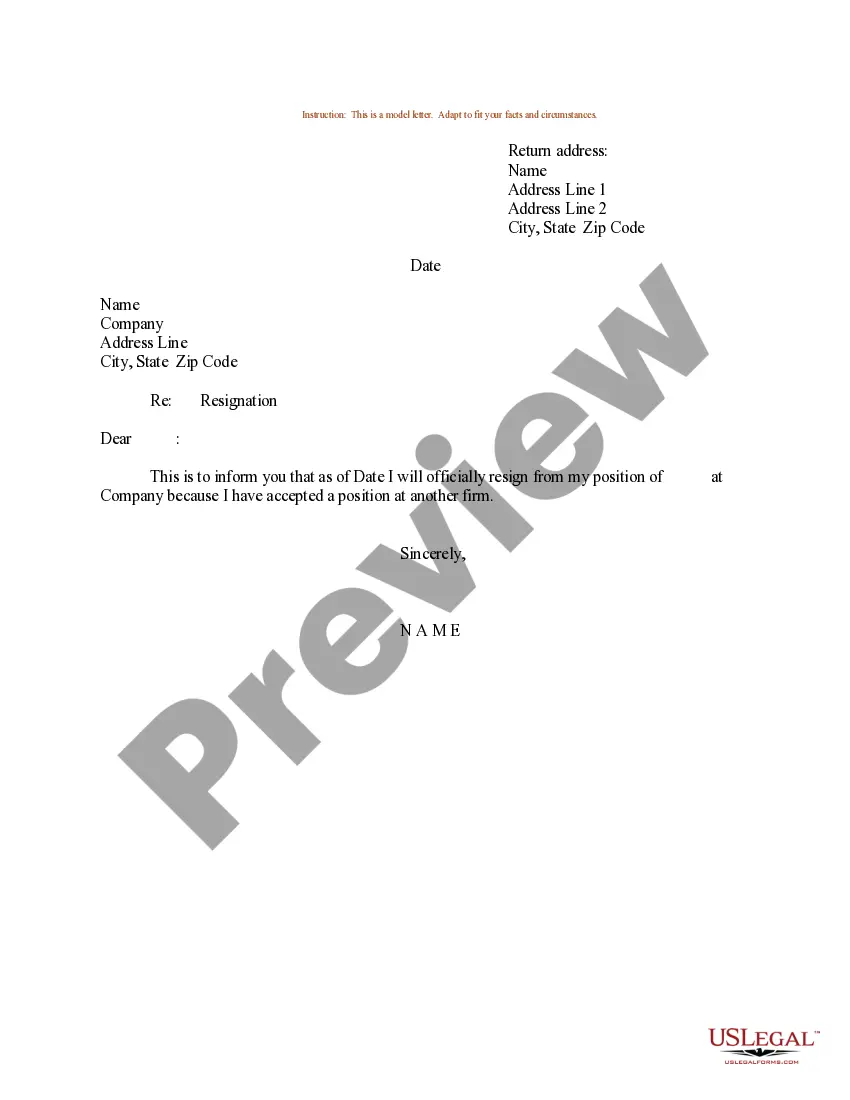
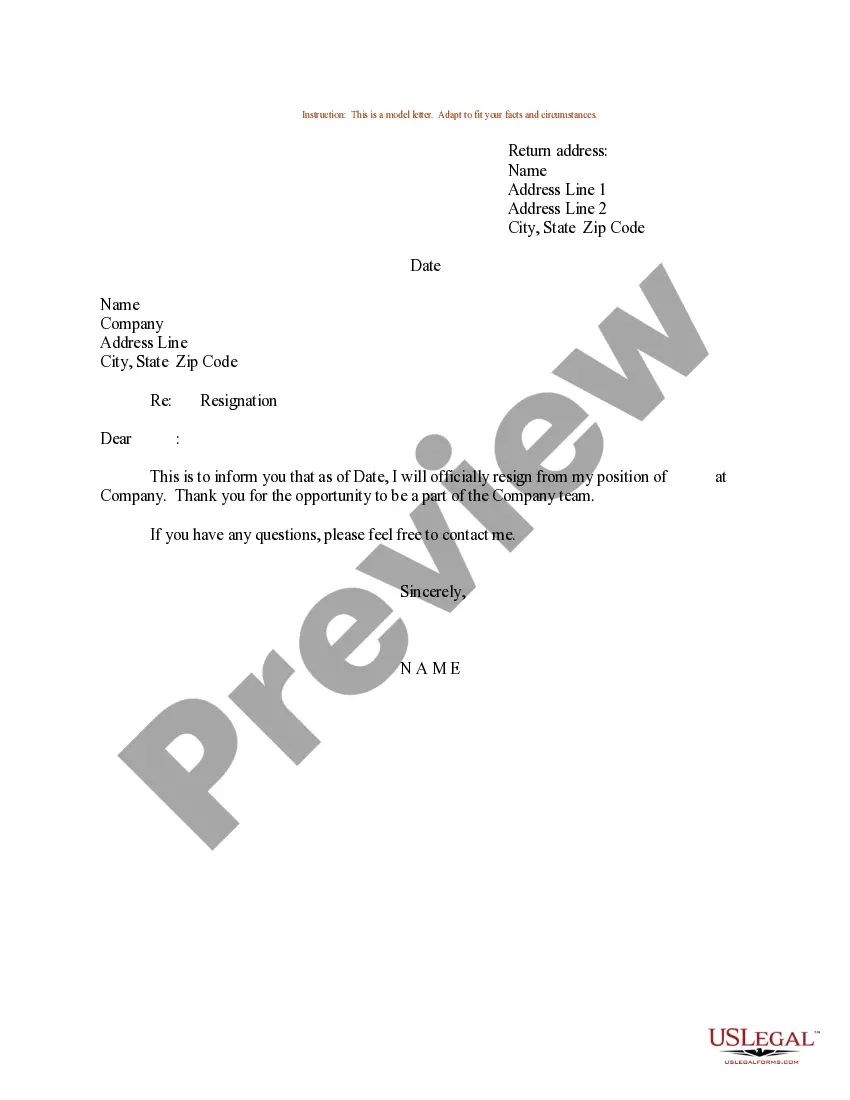
How to Write a Forced Resignation Letter? State When You Will End Your Employment. Explain Why the Company Forced You to Resign. Share Your Point of View. Include Your Unfinished Tasks. List What the Company Still Owes You. Be Professional and Civil.

