Resignation Letter Examples For Medical Assistant In Michigan
Description

Get your form ready online
Our built-in tools help you complete, sign, share, and store your documents in one place.
Make edits, fill in missing information, and update formatting in US Legal Forms—just like you would in MS Word.
Download a copy, print it, send it by email, or mail it via USPS—whatever works best for your next step.
Sign and collect signatures with our SignNow integration. Send to multiple recipients, set reminders, and more. Go Premium to unlock E-Sign.
If this form requires notarization, complete it online through a secure video call—no need to meet a notary in person or wait for an appointment.
We protect your documents and personal data by following strict security and privacy standards.

Make edits, fill in missing information, and update formatting in US Legal Forms—just like you would in MS Word.

Download a copy, print it, send it by email, or mail it via USPS—whatever works best for your next step.

Sign and collect signatures with our SignNow integration. Send to multiple recipients, set reminders, and more. Go Premium to unlock E-Sign.

If this form requires notarization, complete it online through a secure video call—no need to meet a notary in person or wait for an appointment.

We protect your documents and personal data by following strict security and privacy standards.
Looking for another form?









Form popularity
FAQ
A formal two-week notice letter should be brief, professional and informative. In short, it should include the following: A statement of resignation, including a departure date. Expression of gratitude, highlighting the opportunities gained and lessons learned.
Example resignation letter due to illness I am writing to formally announce my resignation from my position at Company Name, effective two weeks from today, Last Working Day. After careful consideration, I have made this difficult decision due to health reasons that require my immediate and full attention.
Legally, you are not obligated to give a two-weeks notice, but it's proper etiquette and common courtesy to do when leaving a job. This gives management time to create a plan to fill your position once you leave. Though it should be mentioned that contract positions may require you give notice.
Resigning without notice can impact your future employment options if a prospective employer checks your references and is told you quit without notice. Think about it from an employer's perspective: Would you want to hire someone who might leave you hanging? Possible financial repercussions.
I, state your name, am formally resigning from my position as insert role here. This resignation is effective immediately and my last day of employment will be insert date here. I have learned valuable skills in my time with insert company name here that I will carry through the rest of my professional career.
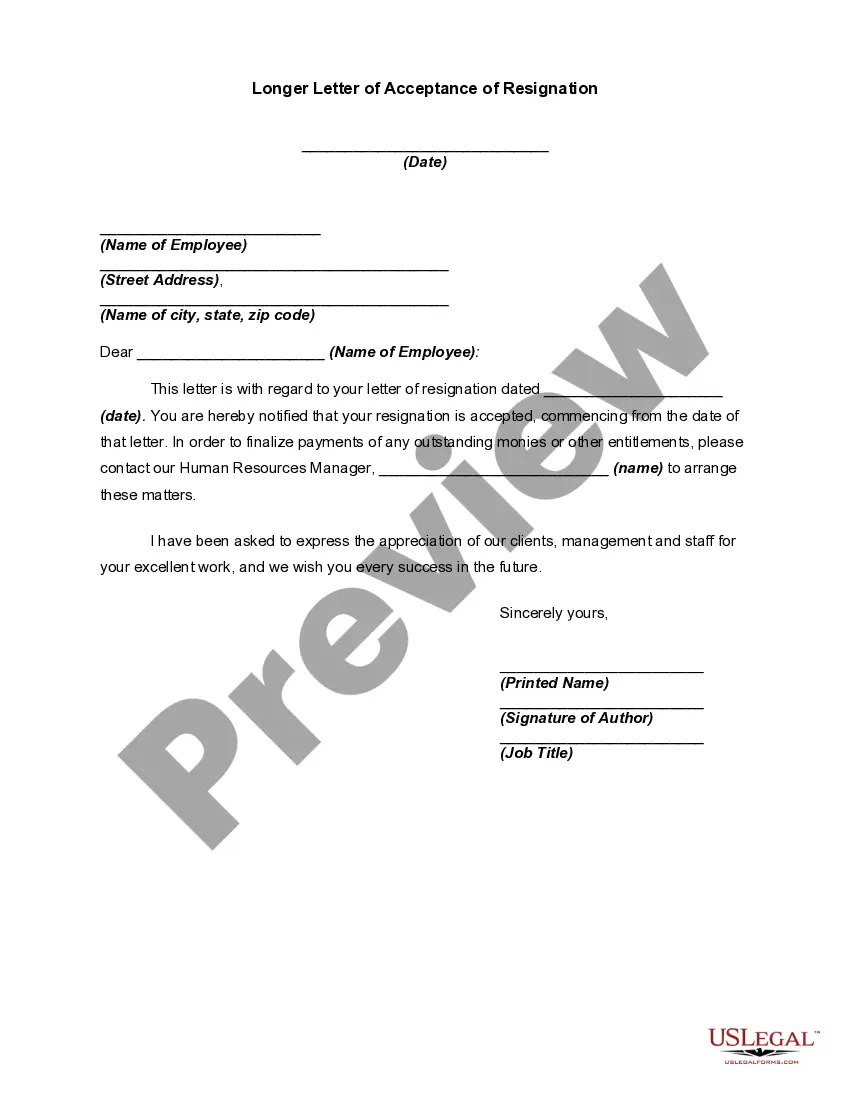
Q3: Can I refuse to accept an employee's 2 weeks notice and ask them to leave immediately? A3: Yes, employers can ask an employee to leave immediately upon receiving their resignation. However, consider the potential impact on morale and workload and whether you will compensate the employee for the notice period.
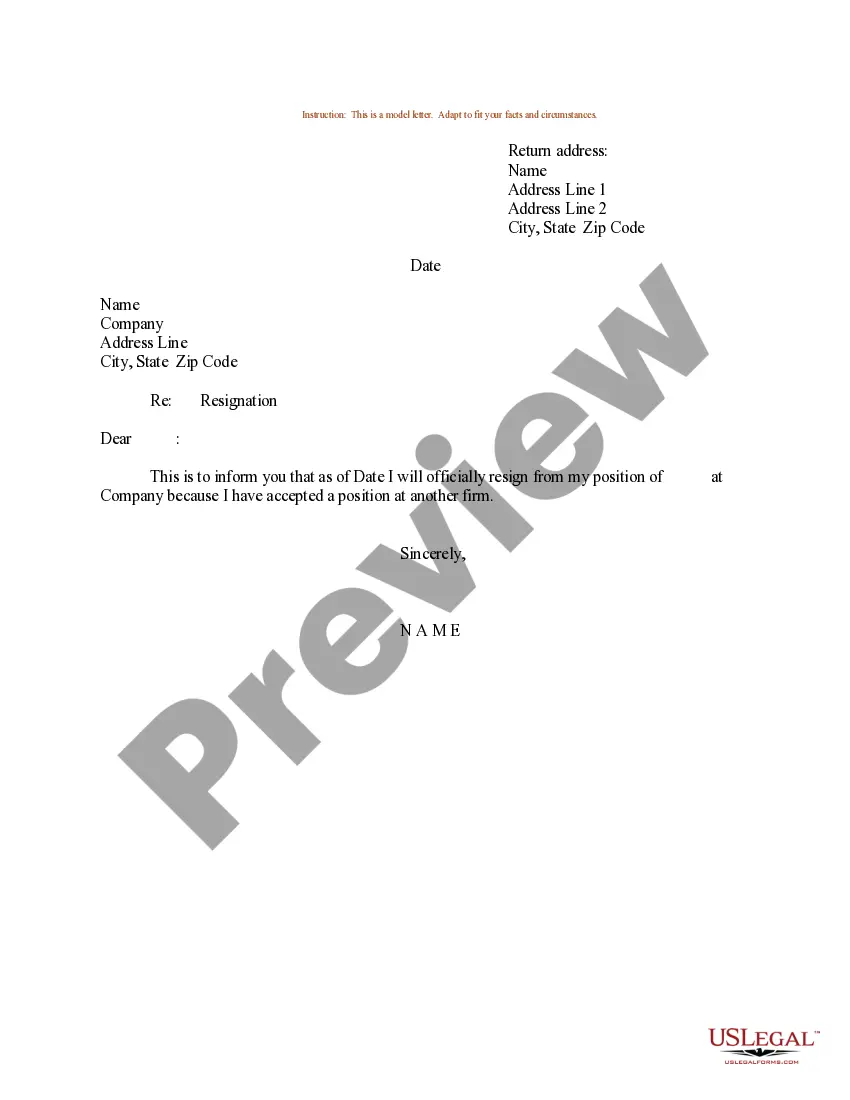
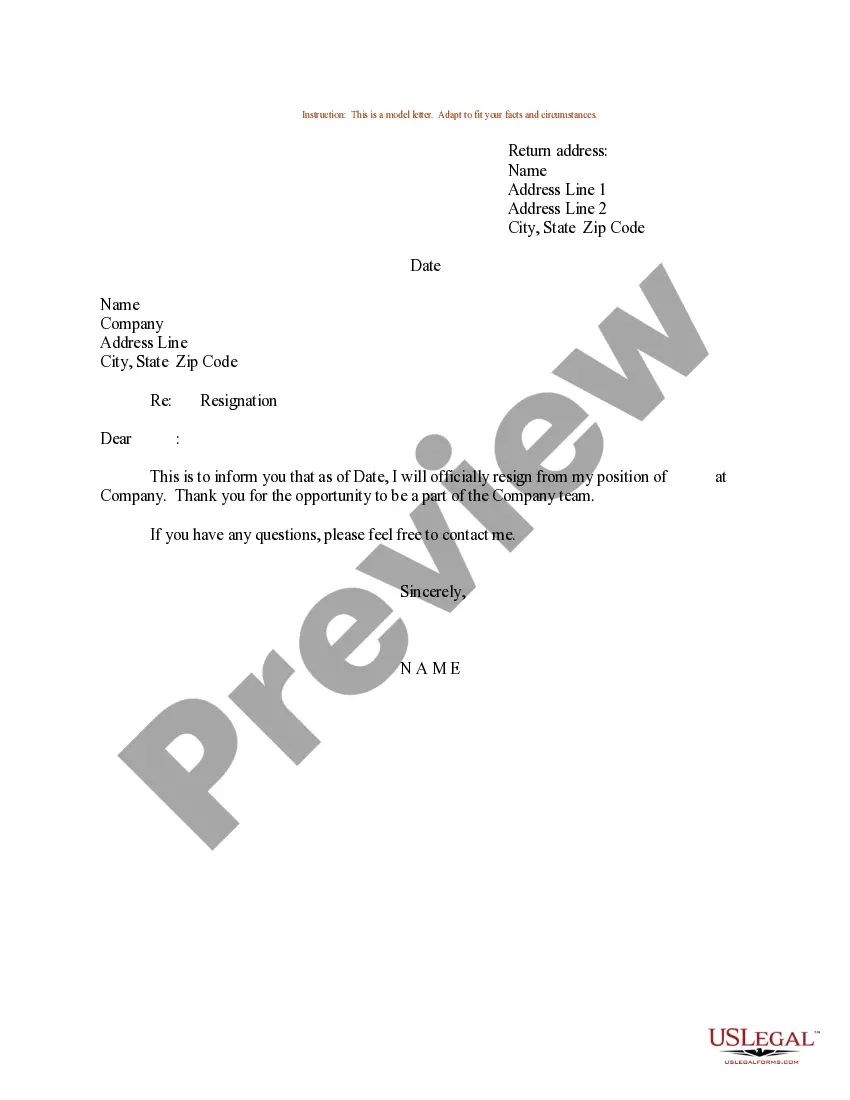
RECIPIENT NAME, This letter serves to inform you that I am resigning from my post as a medical assistant at HOSPITAL effective on DATE 1 due to REASON. It has been a privilege and an honor to work here. I have learned so much in the past NUMBER WEEK/MONTH/YEAR.
Summary Include your contact details in the header. Address the right person using their last name. State your intent to resign. Mention your last day of work. Provide a general reason for your resignation. Express gratitude. Show your willingness to ensure a smooth transition. Make a positive closing statement.
A simple, “Resignation: Name” is good enough. Add contact details, company name, and date. Address your manager. State your decision to resign and last day of work. Provide a reason for leaving (optional) ... Express your gratitude in good faith. 6. Make a closing statement. End with a formal closing.
A resignation letter due to illness should state your intent to resign, reference health reasons, and include your last working day. Keep the tone positive and professional, express gratitude for your experience, and offer to assist during the transition if feasible. Avoid sharing medical details.

