Resignation Letter With Reason In Mecklenburg
Description
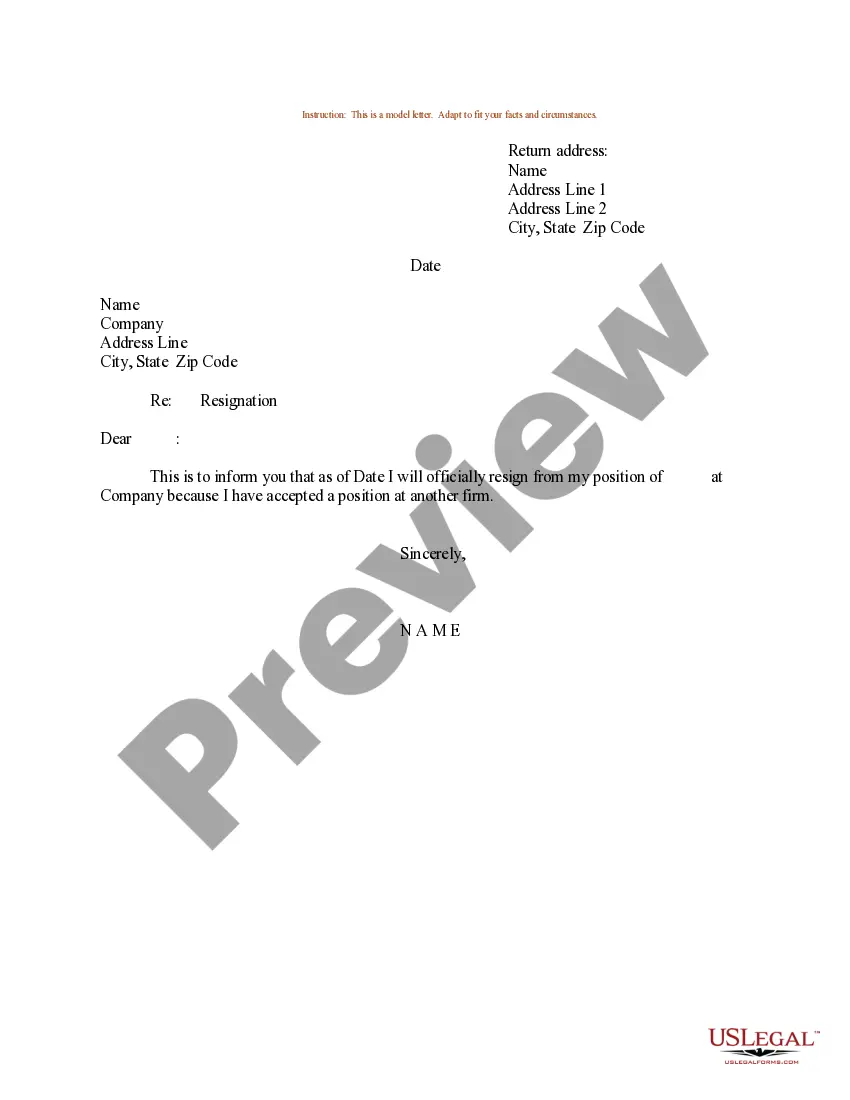
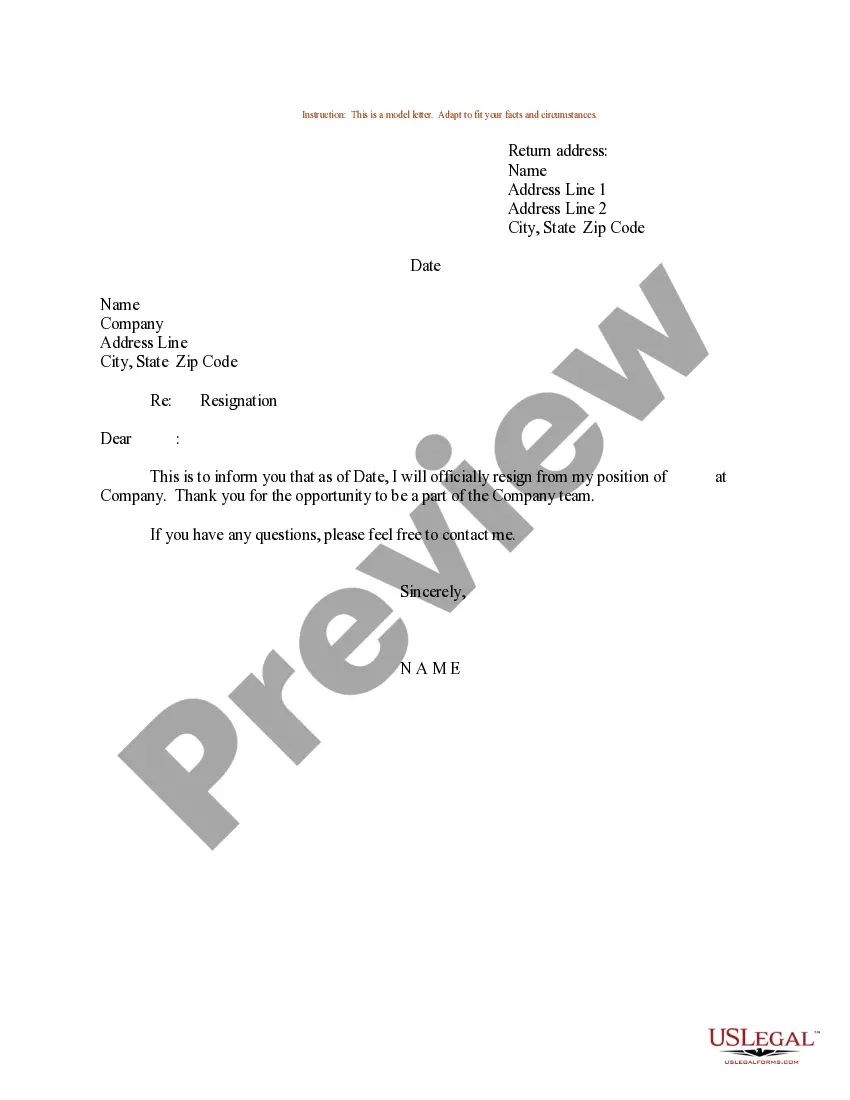
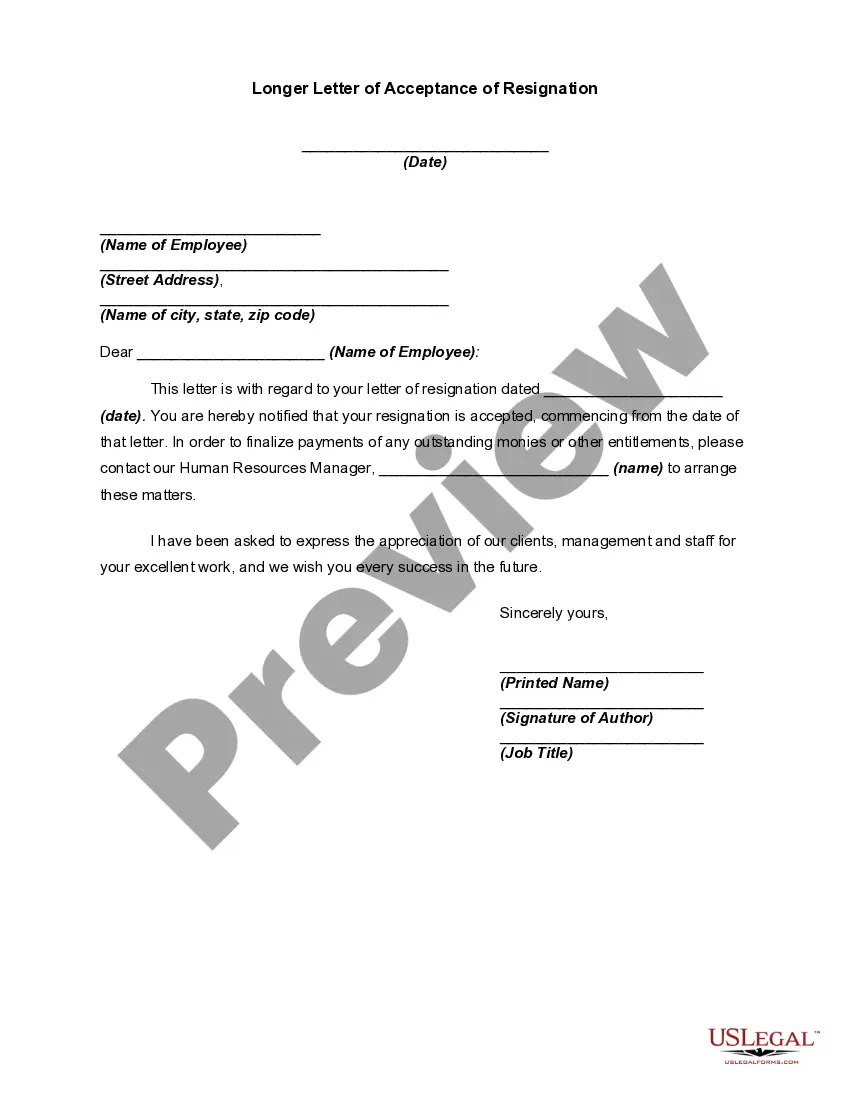

Get your form ready online
Our built-in tools help you complete, sign, share, and store your documents in one place.
Make edits, fill in missing information, and update formatting in US Legal Forms—just like you would in MS Word.
Download a copy, print it, send it by email, or mail it via USPS—whatever works best for your next step.
Sign and collect signatures with our SignNow integration. Send to multiple recipients, set reminders, and more. Go Premium to unlock E-Sign.
If this form requires notarization, complete it online through a secure video call—no need to meet a notary in person or wait for an appointment.
We protect your documents and personal data by following strict security and privacy standards.

Make edits, fill in missing information, and update formatting in US Legal Forms—just like you would in MS Word.

Download a copy, print it, send it by email, or mail it via USPS—whatever works best for your next step.

Sign and collect signatures with our SignNow integration. Send to multiple recipients, set reminders, and more. Go Premium to unlock E-Sign.

If this form requires notarization, complete it online through a secure video call—no need to meet a notary in person or wait for an appointment.

We protect your documents and personal data by following strict security and privacy standards.
Looking for another form?









Form popularity
FAQ
In most cases, you are not legally required to provide a reason for leaving your job if your employer asks. However, it's generally considered courteous to offer an explanation, especially if you're leaving on good terms.
Address your manager formally. Inform them that you're resigning for personal reasons, and state the date of your last day. In the next paragraph, shift the focus on positivity. Express gratitude for the valuable experience and (if applicable) offer your assistance to ease the transition.
A polite reason for resignation should be straightforward and non-confrontational. For instance, citing “seeking new opportunities for growth”, “pursuing further studies”, or “focusing on personal development” are polite ways to explain your decision to leave.
In your letter, you don't have to go into detail about the exact reason for your departure — simply state that it is due to personal reasons. It's customary to provide at least two weeks' notice so that your employer has time to adequately prepare for your departure.
Due to some family/personal appointments Briefly mention your personal cause, for instance, a family matter or a personal appointment , I could not join my office that day. First, I apologize for this inconvenience. The required tasks will be accomplished or delegated ahead of my leave.
For example, “I am writing to inform you of my decision to resign from my position as Job Title at Company, effective Date, due to personal reasons.” Afterward, highlight the positives of your experiences and show appreciation. When mentioning your reason, keep it broad. No need to get into the specifics.
I wanted to let you know that I've decided to resign from my position at XYZ Company, effective (date). I want to express my gratitude for the opportunities and experiences I've had here, and for the support and guidance you've provided me during my time at the company.
In most cases, you are not legally required to provide a reason for leaving your job if your employer asks. However, it's generally considered courteous to offer an explanation, especially if you're leaving on good terms.

