Letter Resignation Form With Render In Mecklenburg
Description
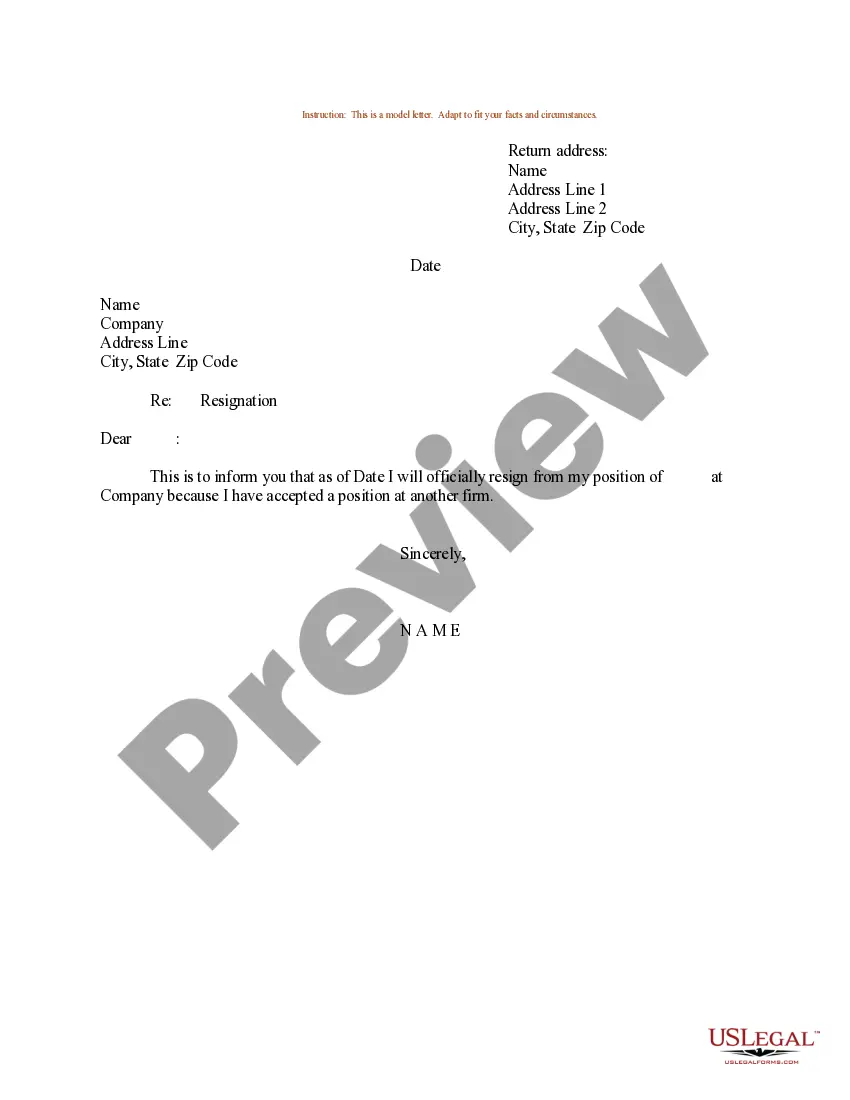
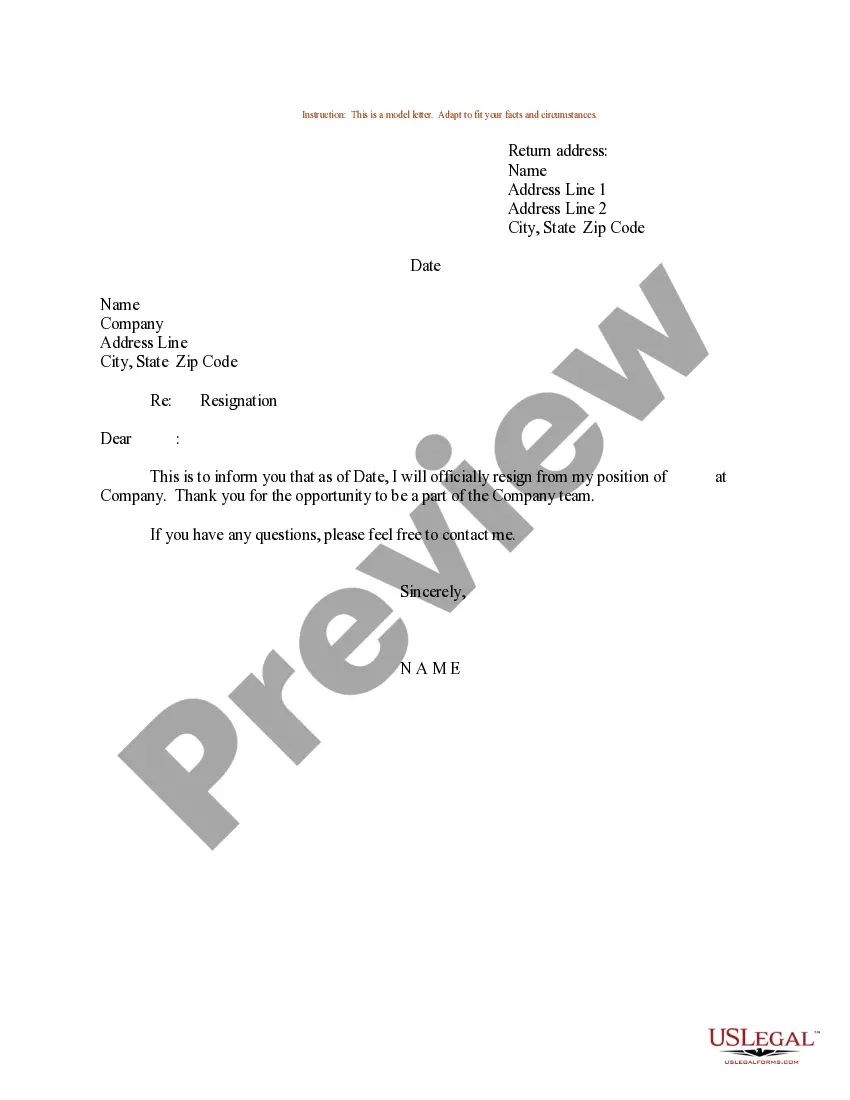
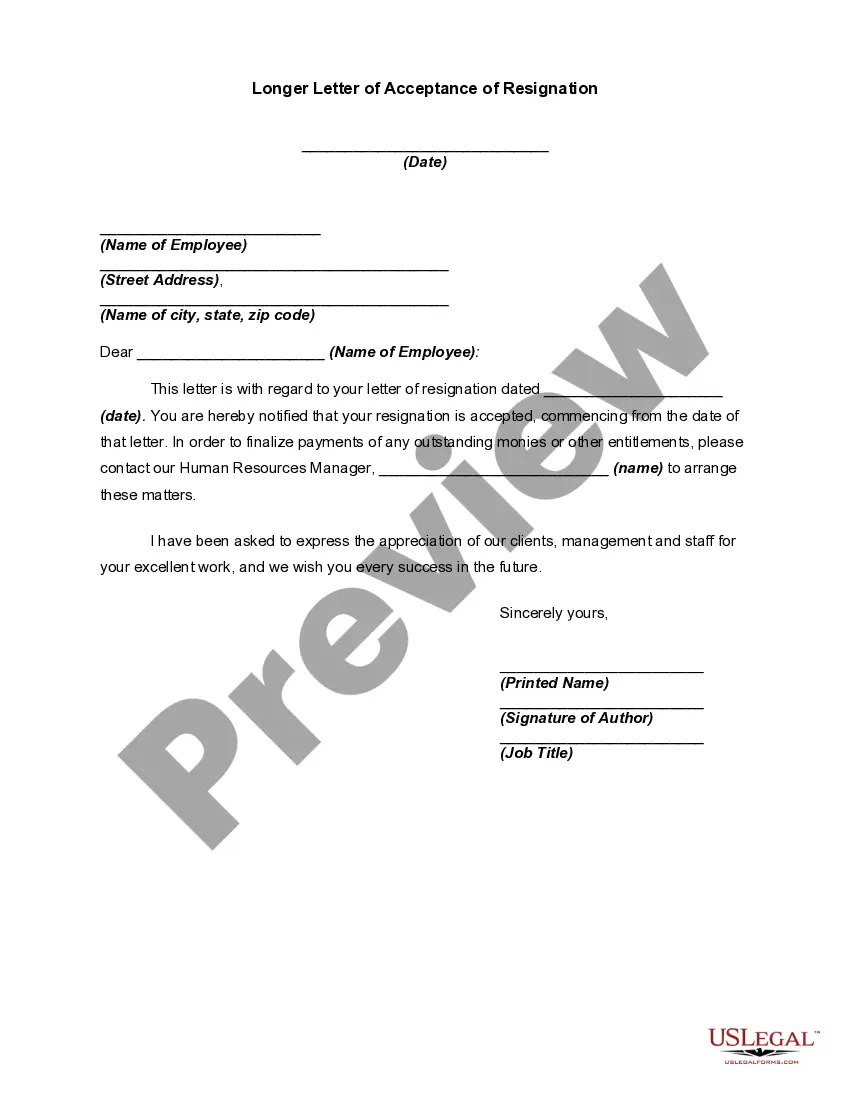

Get your form ready online
Our built-in tools help you complete, sign, share, and store your documents in one place.
Make edits, fill in missing information, and update formatting in US Legal Forms—just like you would in MS Word.
Download a copy, print it, send it by email, or mail it via USPS—whatever works best for your next step.
Sign and collect signatures with our SignNow integration. Send to multiple recipients, set reminders, and more. Go Premium to unlock E-Sign.
If this form requires notarization, complete it online through a secure video call—no need to meet a notary in person or wait for an appointment.
We protect your documents and personal data by following strict security and privacy standards.

Make edits, fill in missing information, and update formatting in US Legal Forms—just like you would in MS Word.

Download a copy, print it, send it by email, or mail it via USPS—whatever works best for your next step.

Sign and collect signatures with our SignNow integration. Send to multiple recipients, set reminders, and more. Go Premium to unlock E-Sign.

If this form requires notarization, complete it online through a secure video call—no need to meet a notary in person or wait for an appointment.

We protect your documents and personal data by following strict security and privacy standards.
Looking for another form?


Form popularity
FAQ
What to include in a resignation letter A clear statement that expresses your intention to resign. Provide the proper amount of notice. Offer a transition plan. A short explanation about why you're leaving. A polite expression of gratitude. A statement about your immediate departure from the company.
The following are the things to keep in mind when writing an immediate resignation letter: Write the date first. Explain only necessities. Remain professional. Include questions. Be grateful. Add contact information. Proofread your letter. Make copies and hand-deliver the letters.
How to write a 30-day resignation letter Begin by addressing your letter. State the purpose of your letter. Include your date of resignation. Explain your reason for leaving. Include a statement of gratitude. Discuss next steps. Offer to help during your transition. Close your letter.
Hence, yes, you can resign via email. But we suggest having an online meeting with your supervisor beforehand to give them a heads up.
Most companies ask you to deliver your resignation letter to your direct supervisor. You may also write to a letter to someone else, such as a more senior manager or member of human resources. Your employee handbook may have information about whom to address when sending a resignation letter.
How to Write a Resignation Letter A greeting: Start formal. A statement of resignation. Offer help with transitioning. Thank your employer for giving you a chance to be a part of their company, and for their time. Leave your contact information for your employer. Sign off with “Sincerely” or “Thank you”
10 things you should never say when leaving your job Don't bash your employer. Don't apologise. Don't give away too much. Don't make any promises. Don't sign anything. Don't tell them who knew. Don't say that you'll do an exit interview. Don't tell them how long you've been looking.
A simple, “Resignation: Name” is good enough. Add contact details, company name, and date. Address your manager. State your decision to resign and last day of work. Provide a reason for leaving (optional) ... Express your gratitude in good faith. 6. Make a closing statement. End with a formal closing.
I regret to inform you that I am resigning from my position as Job Role at Company Name, effective immediately. Due to unforeseen circumstances, I am unable to continue in my current role. I apologise for the abrupt nature of my departure and any inconvenience it may cause.
How to write a resignation letter that's effective immediately? Write the date first. Explain only necessities. Remain professional. Include questions. Be grateful. Add contact information. Proofread your letter. Make copies and hand-deliver the letters.
