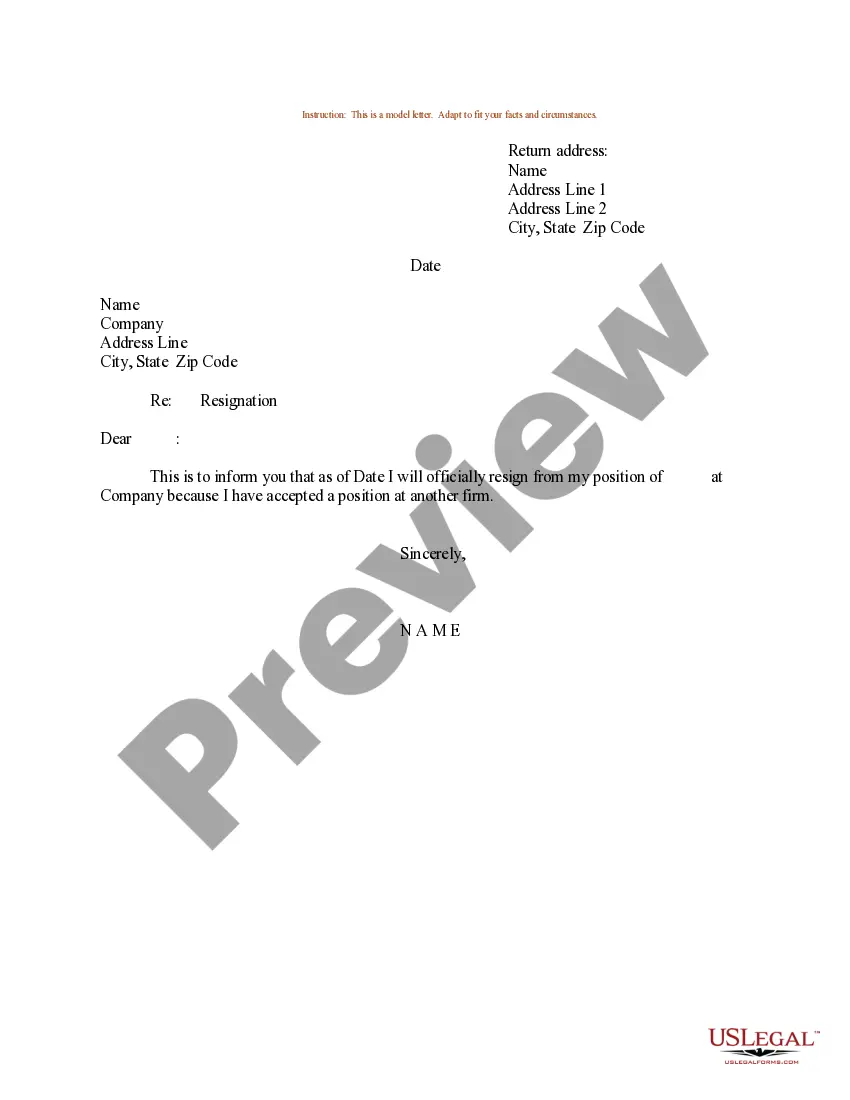
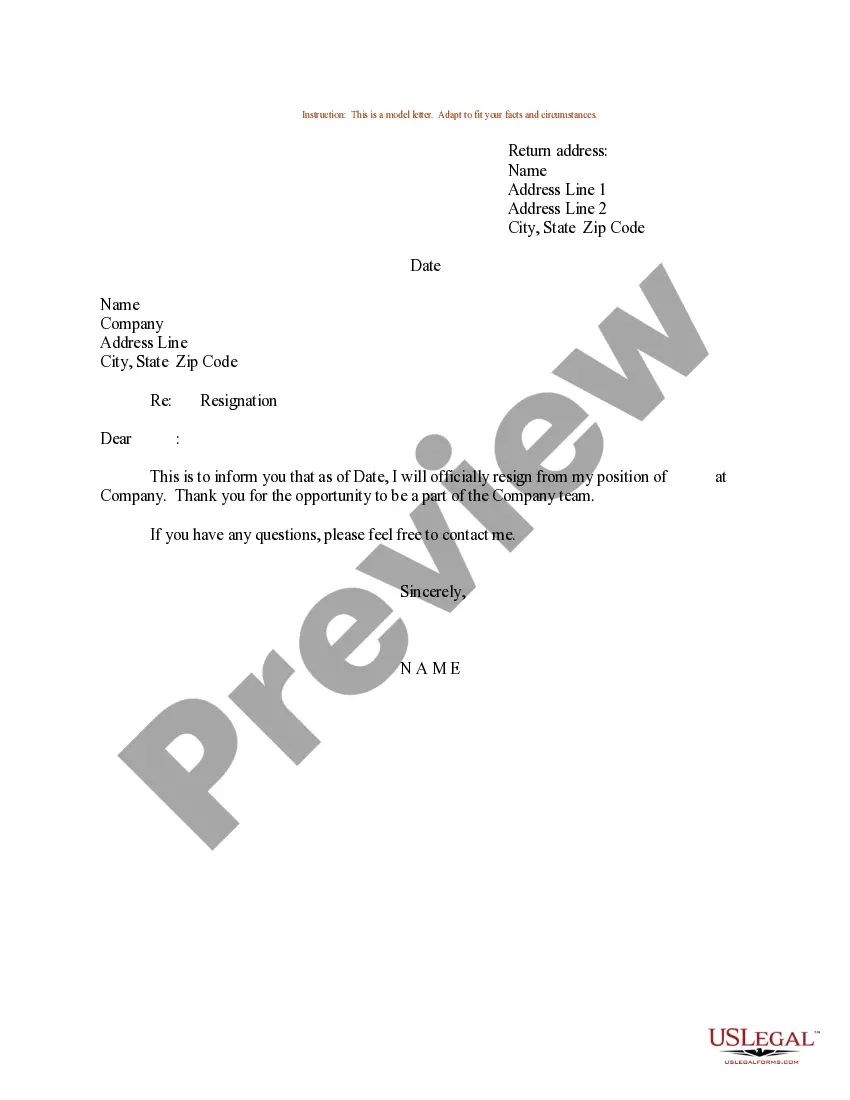
Email Resignation Letter To Manager In Massachusetts
Description

Get your form ready online
Our built-in tools help you complete, sign, share, and store your documents in one place.
Make edits, fill in missing information, and update formatting in US Legal Forms—just like you would in MS Word.
Download a copy, print it, send it by email, or mail it via USPS—whatever works best for your next step.
Sign and collect signatures with our SignNow integration. Send to multiple recipients, set reminders, and more. Go Premium to unlock E-Sign.
If this form requires notarization, complete it online through a secure video call—no need to meet a notary in person or wait for an appointment.
We protect your documents and personal data by following strict security and privacy standards.

Make edits, fill in missing information, and update formatting in US Legal Forms—just like you would in MS Word.

Download a copy, print it, send it by email, or mail it via USPS—whatever works best for your next step.

Sign and collect signatures with our SignNow integration. Send to multiple recipients, set reminders, and more. Go Premium to unlock E-Sign.

If this form requires notarization, complete it online through a secure video call—no need to meet a notary in person or wait for an appointment.

We protect your documents and personal data by following strict security and privacy standards.
Looking for another form?





Form popularity
FAQ
Wrong. If you're quitting a job, you'll want to do it properly – and that means speaking to your boss or HR team in person (if possible). Email is easy and quick, but it's impersonal.
You want to share a statement of intent, an expression of gratitude, and then offer up any sort of assistance that you can provide with the transition. Use a formal business format for the actual letter itself. Notify your manager in person before you submit your formal resignation letter.
"You need your current boss or HR department to be able to provide at least a neutral reference if future employers contact them," she says. An email resignation may be acceptable, but it's not professional and could harm your career.
Dear manager's name, I am writing to formally resign from my position as your job title at company name, effective date—two weeks from today. After careful consideration, I have decided to pursue new opportunities that offer more potential for professional growth and development.
Resignation letters can be delivered both in person through hard copy or online attached as a PDF via email. Ultimately, they both have the same purpose: letting the company know you're leaving.
If you are able and if your job allows it, always deliver the resignation letter in person. If you work from home, be sure to email your resignation letter and never quit via phone or text message (and especially not word of mouth).
Yes, it is generally considered appropriate to email a letter of resignation, especially in situations where remote work is common or if you are unable to deliver a physical copy in person. However, here are some guidelines to follow:
Hence, yes, you can resign via email. But we suggest having an online meeting with your supervisor beforehand to give them a heads up.
It's generally best to use your official email address when submitting a resignation. This approach ensures that your resignation is taken seriously and maintains professionalism. Here are a few reasons why:

