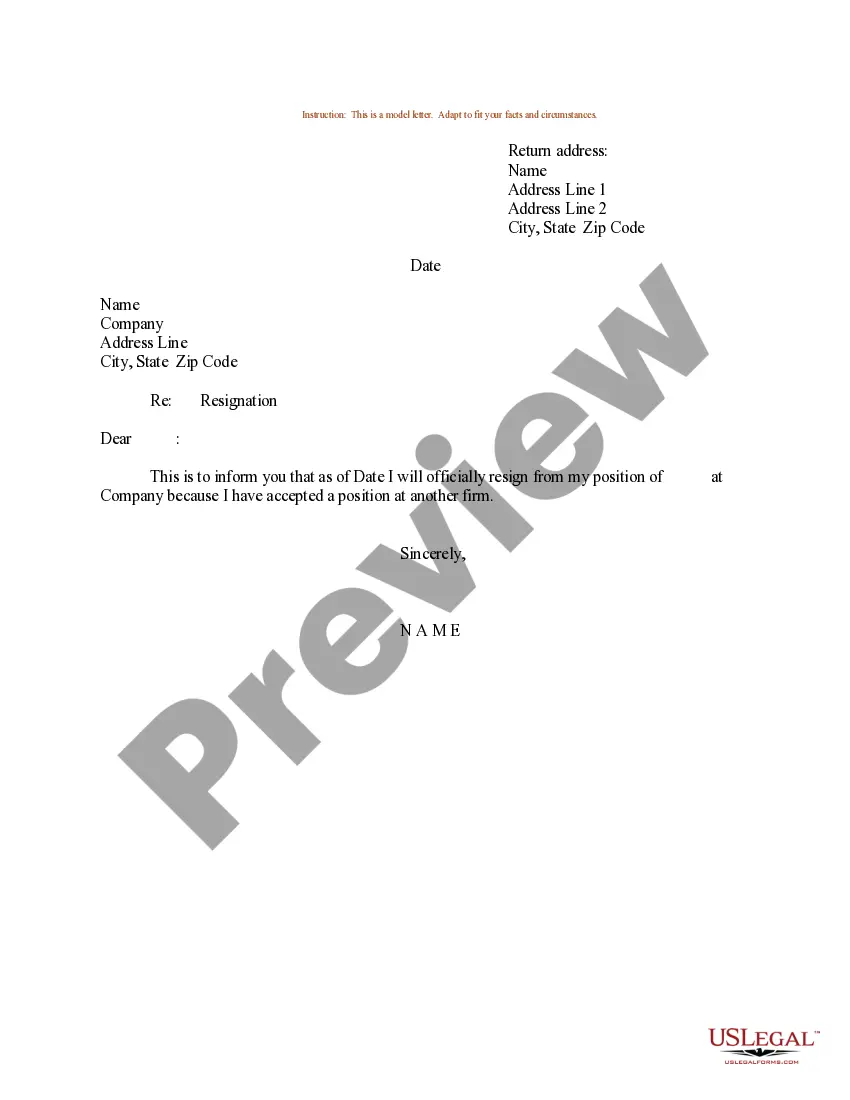
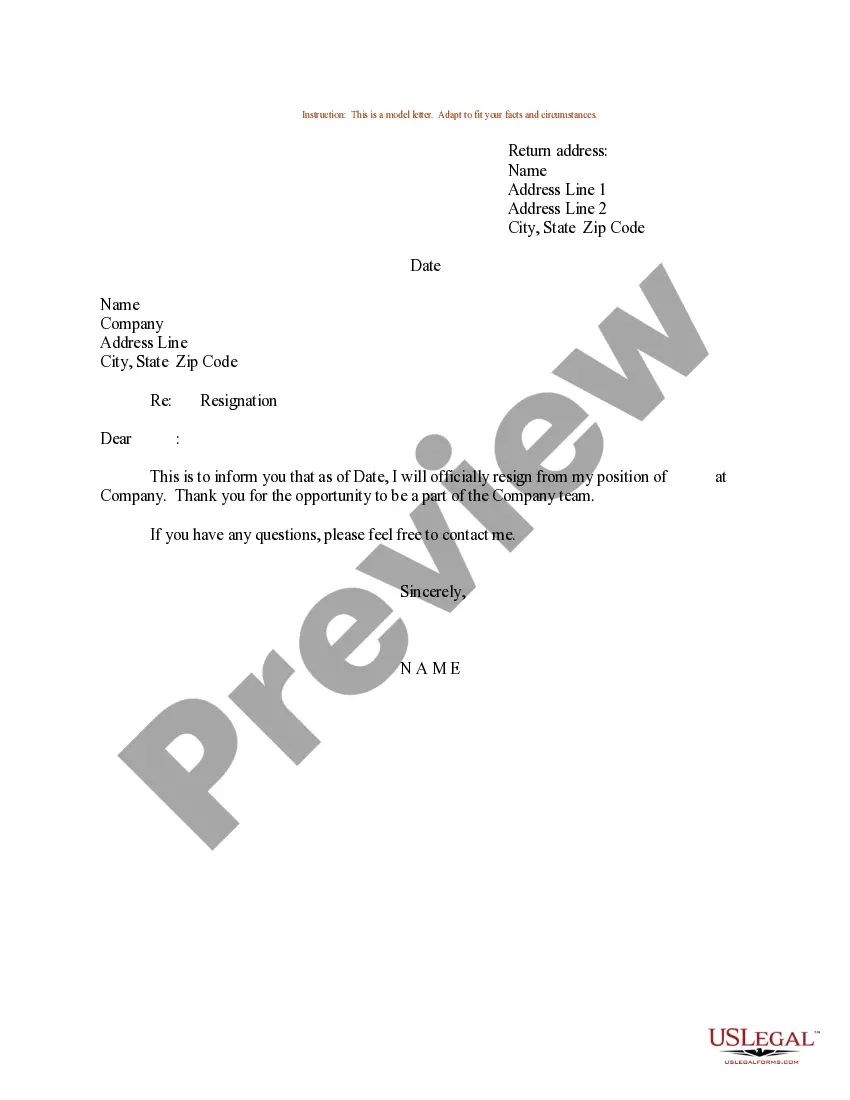
Resignation Letter Sample With Reason In Maricopa
Description

Get your form ready online
Our built-in tools help you complete, sign, share, and store your documents in one place.
Make edits, fill in missing information, and update formatting in US Legal Forms—just like you would in MS Word.
Download a copy, print it, send it by email, or mail it via USPS—whatever works best for your next step.
Sign and collect signatures with our SignNow integration. Send to multiple recipients, set reminders, and more. Go Premium to unlock E-Sign.
If this form requires notarization, complete it online through a secure video call—no need to meet a notary in person or wait for an appointment.
We protect your documents and personal data by following strict security and privacy standards.

Make edits, fill in missing information, and update formatting in US Legal Forms—just like you would in MS Word.

Download a copy, print it, send it by email, or mail it via USPS—whatever works best for your next step.

Sign and collect signatures with our SignNow integration. Send to multiple recipients, set reminders, and more. Go Premium to unlock E-Sign.

If this form requires notarization, complete it online through a secure video call—no need to meet a notary in person or wait for an appointment.

We protect your documents and personal data by following strict security and privacy standards.
Looking for another form?






Form popularity
FAQ
I have decided to resign due to personal reasons that require my immediate attention. I appreciate the opportunities and experiences that I have gained while working at Company Name, and I am grateful for the support and guidance provided by my colleagues and superiors.
You don't need to explain why you're leaving in your resignation letter. But, choosing to do so allows you to give context and provide feedback, which can help you maintain a positive relationship.
Keep your letter concise and to the point by summarizing your reason for leaving in one sentence. If the situation is complex or you have multiple reasons for leaving, focus on the primary cause. This statement is most impactful when it's brief and direct.
Here are some of the good reasons to state for leaving employment: Career change. Looking for career growth. Organizational restructuring. Better opportunity. Health reasons. Breaking the law. Terrible boss.
No, you are not legally required to provide a reason for your resignation in most situations. However, it is often considered professional and courteous to do so, especially if you have a good relationship with your employer.
Example: ``I am looking for a position that allows for better work-life balance, which is important for my personal well-being.'' When communicating your reason, keep it brief, positive, and professional. It's also a good idea to express gratitude for the opportunities you had in your current role.
For example, “I am writing to inform you of my decision to resign from my position as Job Title at Company, effective Date, due to personal reasons.” Afterward, highlight the positives of your experiences and show appreciation. When mentioning your reason, keep it broad. No need to get into the specifics.
No, you are not legally required to provide a reason for your resignation in most situations. However, it is often considered professional and courteous to do so, especially if you have a good relationship with your employer.

