Resignation Letter Gracefully With Exercise In Los Angeles
Description
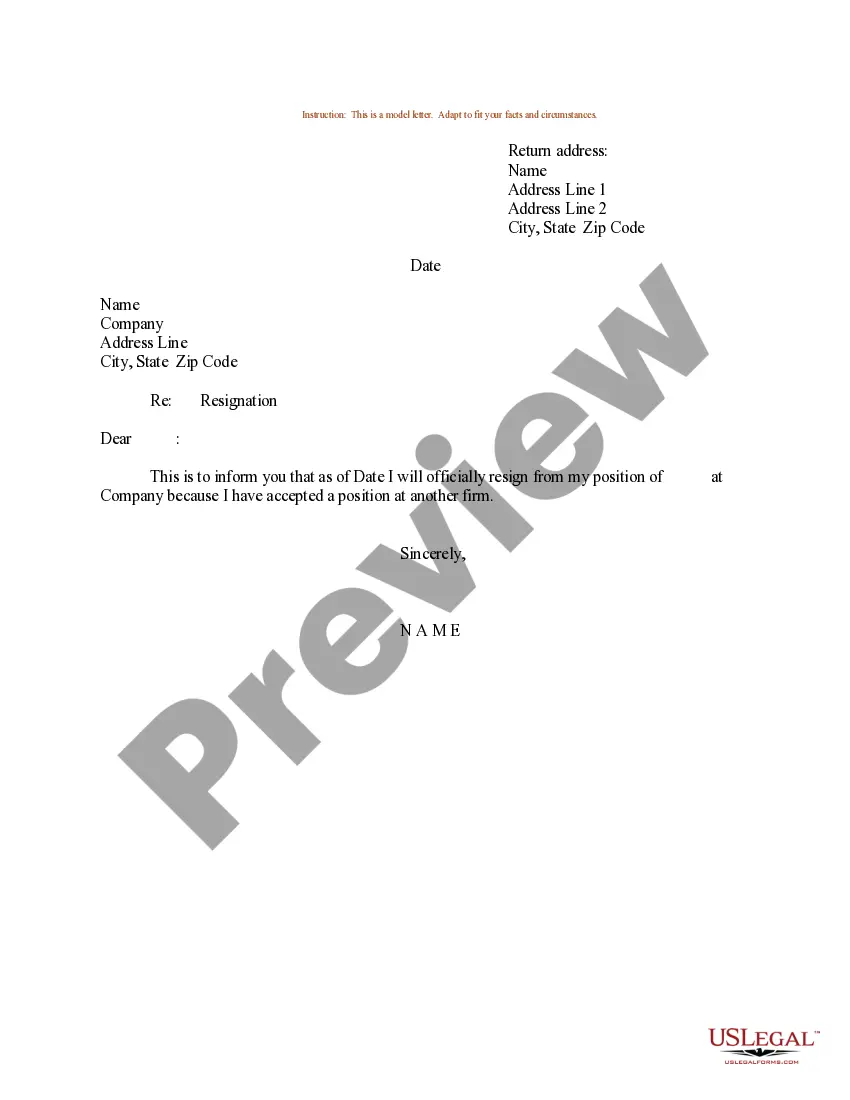
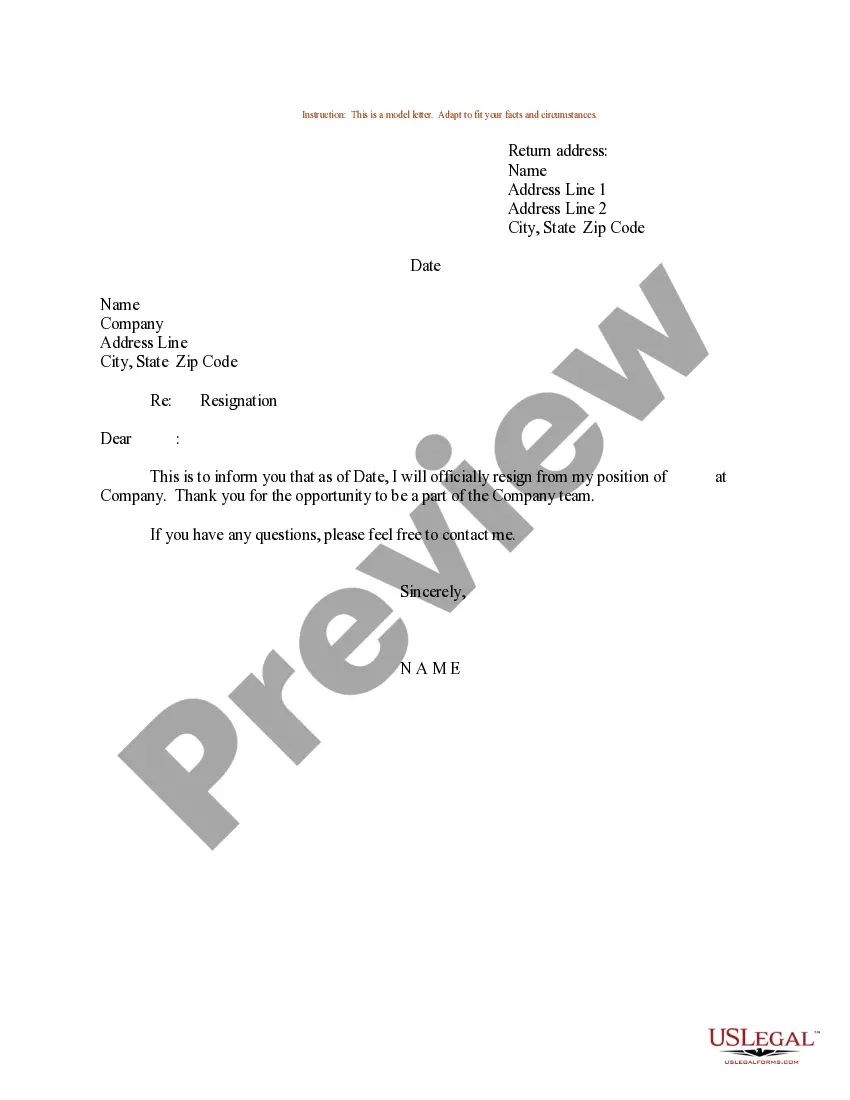
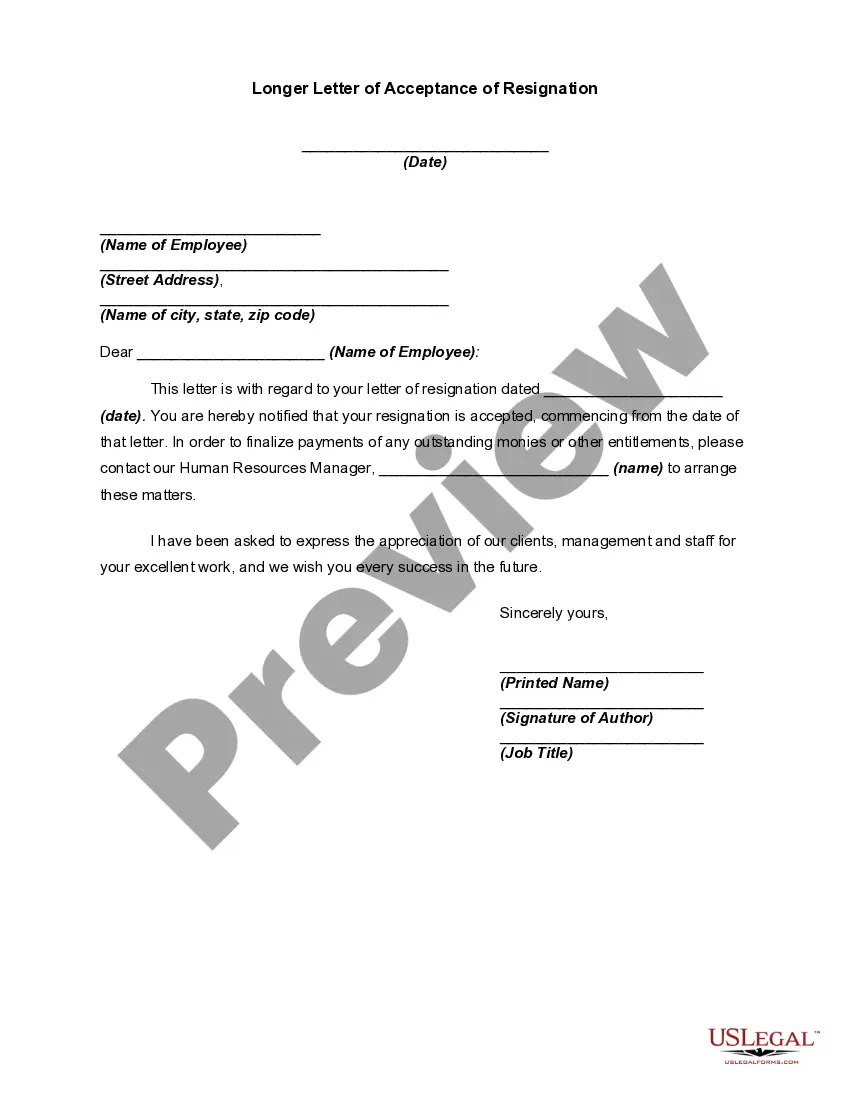

Get your form ready online
Our built-in tools help you complete, sign, share, and store your documents in one place.
Make edits, fill in missing information, and update formatting in US Legal Forms—just like you would in MS Word.
Download a copy, print it, send it by email, or mail it via USPS—whatever works best for your next step.
Sign and collect signatures with our SignNow integration. Send to multiple recipients, set reminders, and more. Go Premium to unlock E-Sign.
If this form requires notarization, complete it online through a secure video call—no need to meet a notary in person or wait for an appointment.
We protect your documents and personal data by following strict security and privacy standards.

Make edits, fill in missing information, and update formatting in US Legal Forms—just like you would in MS Word.

Download a copy, print it, send it by email, or mail it via USPS—whatever works best for your next step.

Sign and collect signatures with our SignNow integration. Send to multiple recipients, set reminders, and more. Go Premium to unlock E-Sign.

If this form requires notarization, complete it online through a secure video call—no need to meet a notary in person or wait for an appointment.

We protect your documents and personal data by following strict security and privacy standards.
Looking for another form?









Form popularity
FAQ
How to write a resignation letter when you're unhappy with management Start with a date and time. Use a formal address. Detail the exact date you plan to leave. Explain your reason for resigning. Express your gratitude. Discuss transitioning your responsibilities. Request a recommendation letter for future employers.
Dear recipient's name, I am writing to inform you of my decision to resign from my position at Company Name, effective immediately. Due to unforeseen personal circumstances, I am unable to continue my role at this time. I am deeply grateful for the opportunities and experiences I have had while working here.
I regret to inform you that I am resigning from my position as Job Role at Company Name, effective immediately. Due to unforeseen circumstances, I am unable to continue in my current role. I apologise for the abrupt nature of my departure and any inconvenience it may cause.
How to write an immediate resignation letter Include the date you plan to leave. Explain the situation clearly and concisely. Be positive and professional. Express gratitude. Include any questions you have. Include your contact information. Proofread your letter. Send your letter to your employer and HR.
It's common courtesy to give your employer at least two weeks' notice of your resignation, but sometimes that's not an option. There are many circumstances that may warrant an immediate resignation. Perhaps you're dealing with a hostile or unsafe work environment that's jeopardizing your mental or physical health.
Health-related resignation letter example Please accept this letter as my formal resignation from the position of job title at company, effective as of date of last day of work. Due to health challenges, I have decided to step back from my work commitments and prioritise my recovery.
To quit, write a simple letter addressed to your supervisor that says nothing more than you are resigning, and which day will be your last. Don't mention your reasons or future plans, no complaints, just your resignation and effective date.
Gather records and document why your work environment was toxic before resigning, ensuring you'll have evidence if you make a claim later. To avoid burning bridges, stay polite and professional when submitting your resignation, give your employer a full two weeks' notice, and participate in any offboarding formalities.
How to quit a job the right way Analyse all pros and cons. Schedule a meeting with an HR representative. Give your employer a notice period. Write an official resignation letter. Offer help with training an employee that will replace you. Share gratitude for the opportunity. Ask for a recommendation.
10 things you should never say when leaving your job Don't bash your employer. Don't apologise. Don't give away too much. Don't make any promises. Don't sign anything. Don't tell them who knew. Don't say that you'll do an exit interview. Don't tell them how long you've been looking.
