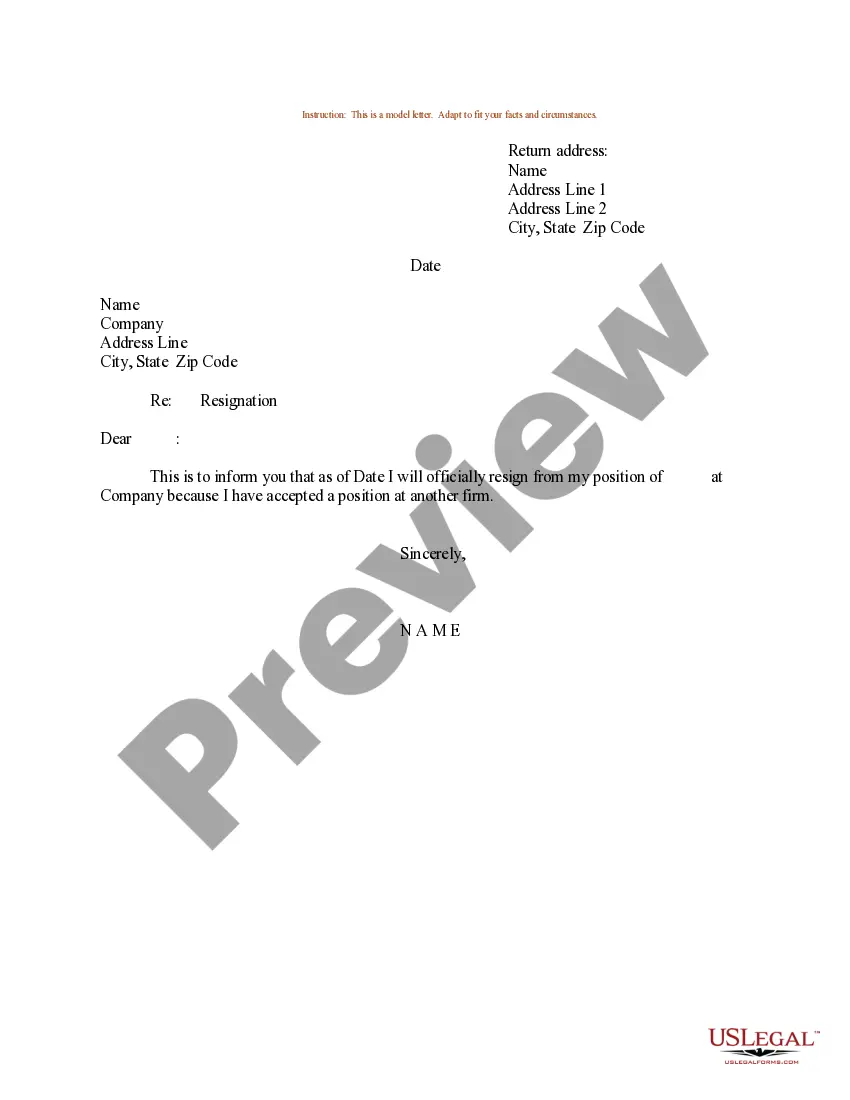
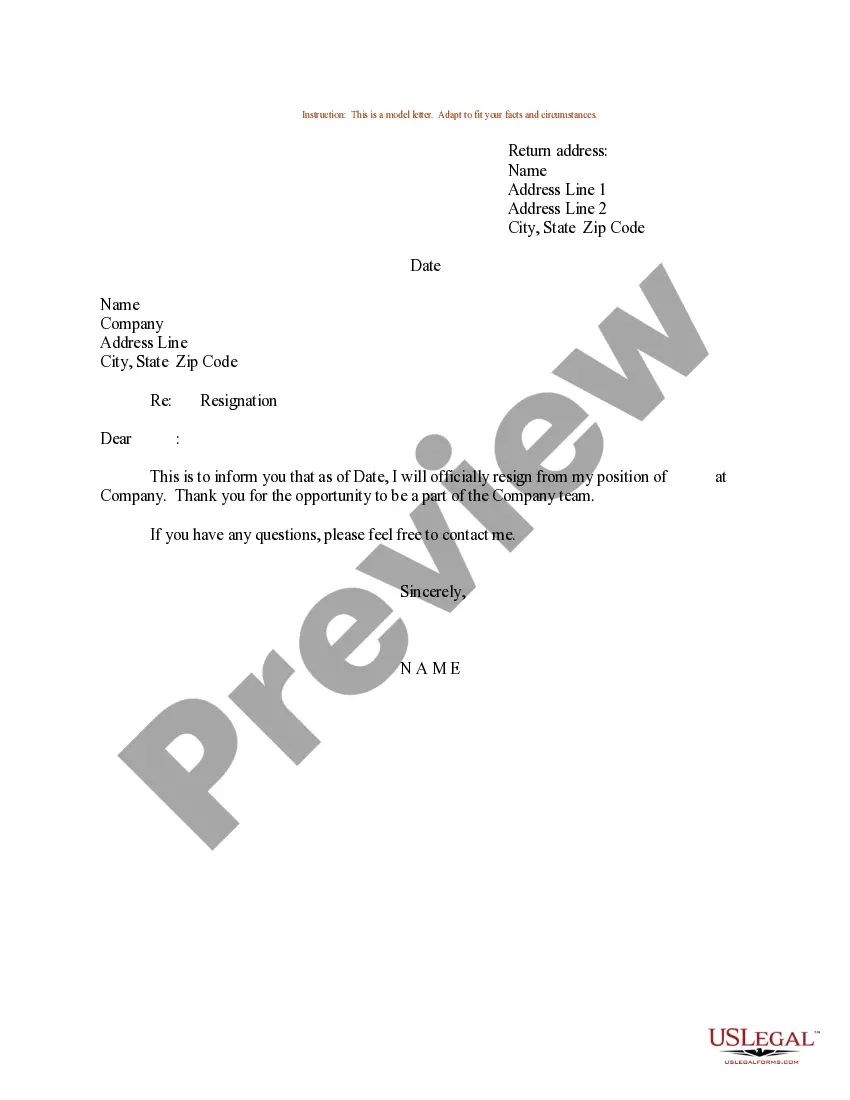
Sample Letter Resignation Form With Reason Effective Immediately In Dallas
Description

Get your form ready online
Our built-in tools help you complete, sign, share, and store your documents in one place.
Make edits, fill in missing information, and update formatting in US Legal Forms—just like you would in MS Word.
Download a copy, print it, send it by email, or mail it via USPS—whatever works best for your next step.
Sign and collect signatures with our SignNow integration. Send to multiple recipients, set reminders, and more. Go Premium to unlock E-Sign.
If this form requires notarization, complete it online through a secure video call—no need to meet a notary in person or wait for an appointment.
We protect your documents and personal data by following strict security and privacy standards.

Make edits, fill in missing information, and update formatting in US Legal Forms—just like you would in MS Word.

Download a copy, print it, send it by email, or mail it via USPS—whatever works best for your next step.

Sign and collect signatures with our SignNow integration. Send to multiple recipients, set reminders, and more. Go Premium to unlock E-Sign.

If this form requires notarization, complete it online through a secure video call—no need to meet a notary in person or wait for an appointment.

We protect your documents and personal data by following strict security and privacy standards.
Looking for another form?






Form popularity
FAQ
This could be due to stress, burnout, or a medical condition exacerbated by the job. If medical advice suggests that you need to resign immediately to recover, quitting without notice might be warranted. Prioritizing your health is essential, and leaving the job can allow you to focus on treatment and recovery.
Dear (Recipient's Name), I am writing to inform you of my immediate resignation from my position at (Company Name). After careful consideration, I have decided that it is in my best interest to conclude my employment with (Company Name) effective immediately.
Short and Polite Resignation Letter Due to Study Commitments I am leaving to pursue my academic studies, which require my full attention. It has been a pleasure working with you and the entire team. I have learned a great deal and appreciate the opportunities I have been given during my time here.
Dear Employer's Name, I am writing to tender my immediate resignation from my position as Your Position at Company Name, effective immediately. After careful consideration, I have come to the difficult decision I need to prioritize my mental health and well-being.
Opening Statement: Clearly state that you are resigning and provide the reason (focusing on studies). Last Working Day: Mention your intended last working day, typically providing two weeks' notice. Gratitude: Express appreciation for the opportunities you've had while working there.
Summarize why you're leaving Keep your letter concise and to the point by summarizing your reason for leaving in one sentence. If the situation is complex or you have multiple reasons for leaving, focus on the primary cause. This statement is most impactful when it's brief and direct.
One of the most common professional reasons for resignation is seeking career advancement. If you've received an offer for a position that better aligns with your long-term career goals, clearly state that you are leaving to pursue a new opportunity.
If you're comfortable, give a broad reason on why you're resigning. Show appreciation and gratitude for the work experience. Express your willingness to assist with the transition. Use a professional sign-off to end your letter.
Here are eight ideas you can use to leave your long-term job gracefully and professionally: Give abundant notice. Write a formal resignation letter. Connect with co-workers. Ask for a recommendation. Offer to train your replacement. Work harder. Offer value to team members. Ask for an exit interview.

