Resignation Accepted With Prejudice In Cook
Description
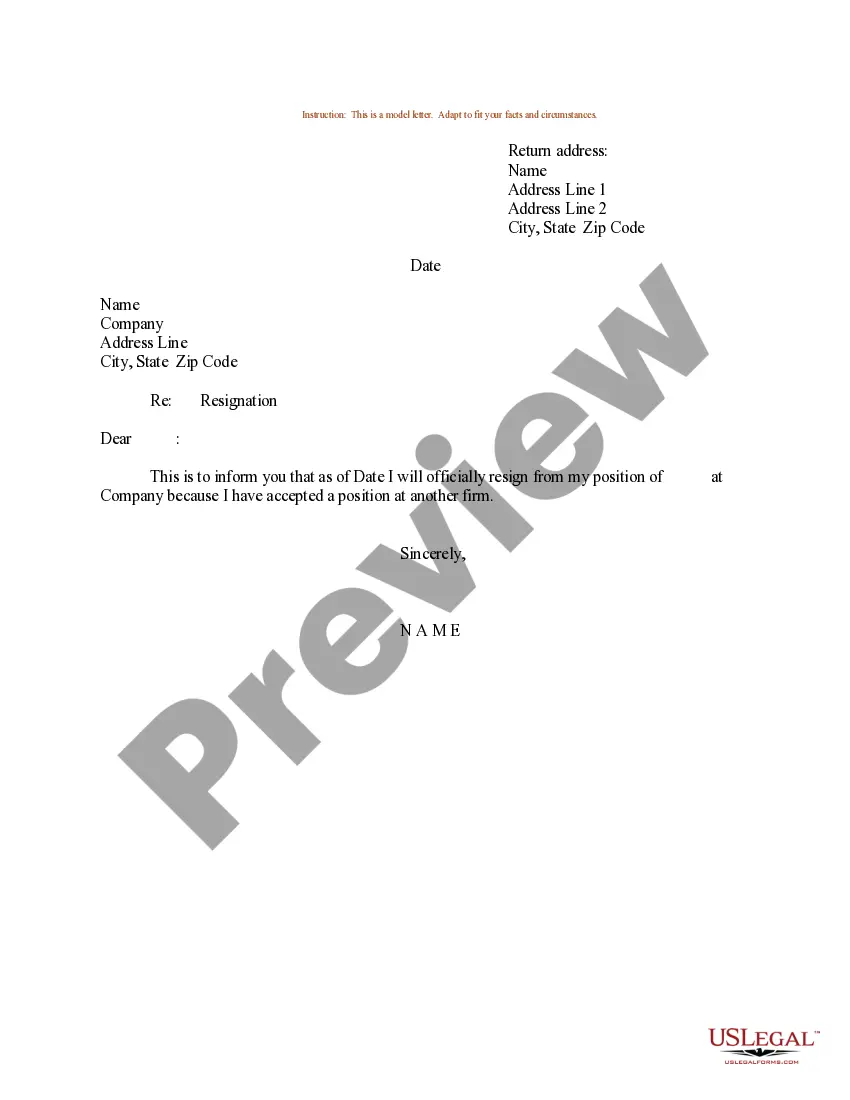
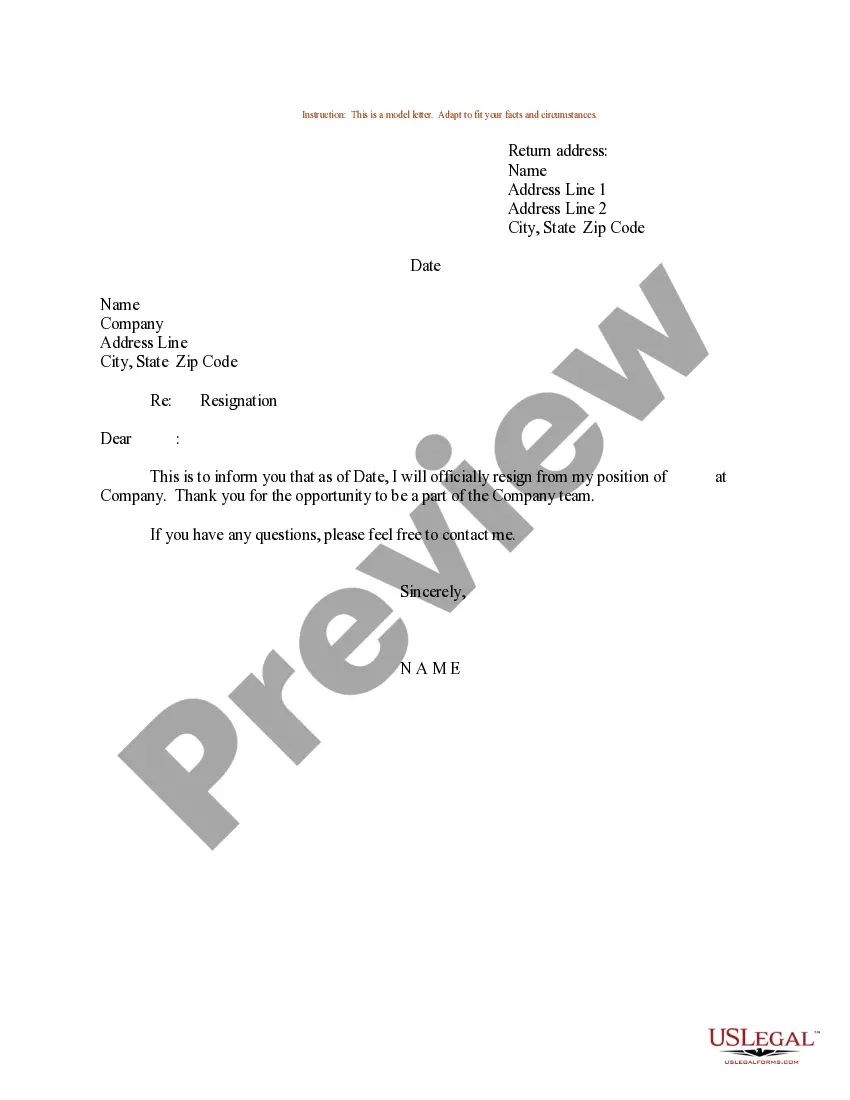
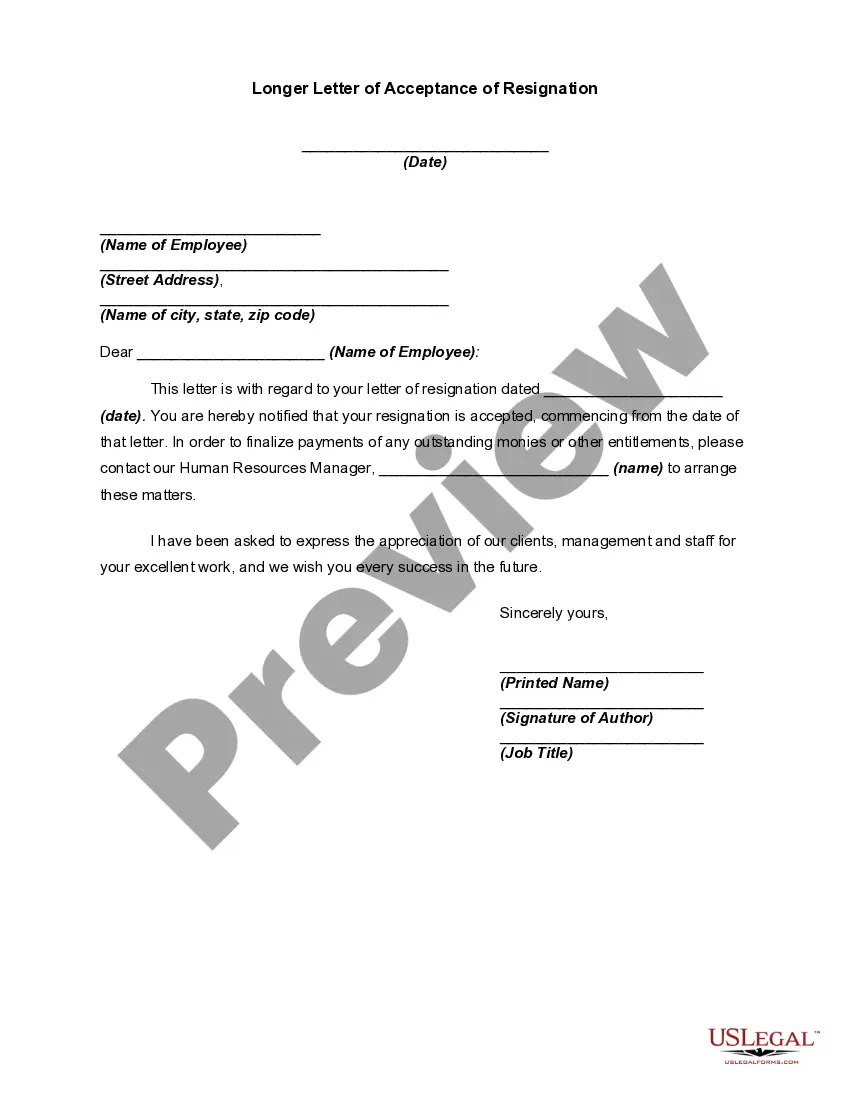

Get your form ready online
Our built-in tools help you complete, sign, share, and store your documents in one place.
Make edits, fill in missing information, and update formatting in US Legal Forms—just like you would in MS Word.
Download a copy, print it, send it by email, or mail it via USPS—whatever works best for your next step.
Sign and collect signatures with our SignNow integration. Send to multiple recipients, set reminders, and more. Go Premium to unlock E-Sign.
If this form requires notarization, complete it online through a secure video call—no need to meet a notary in person or wait for an appointment.
We protect your documents and personal data by following strict security and privacy standards.

Make edits, fill in missing information, and update formatting in US Legal Forms—just like you would in MS Word.

Download a copy, print it, send it by email, or mail it via USPS—whatever works best for your next step.

Sign and collect signatures with our SignNow integration. Send to multiple recipients, set reminders, and more. Go Premium to unlock E-Sign.

If this form requires notarization, complete it online through a secure video call—no need to meet a notary in person or wait for an appointment.

We protect your documents and personal data by following strict security and privacy standards.
Looking for another form?








Form popularity
FAQ
Use a neutral and civil tone An unprofessional or emotional resignation letter could affect your reputation and hiring potential. Therefore, it's best to describe your reason for leaving in a neutral, civil and non-accusatory tone, using polite language and phrasing throughout.
This decision has been made after careful consideration due to persistent issues of discrimination that have made my work environment untenable. Over the past several months, I have experienced ongoing discrimination that has impacted my ability to work effectively and feel valued as an employee.
Yes, they can reject a resignation. Nothing is stopping them from continuing to believe you are employed by them after your resignation date and continuing to place your paycheck into your bank account.
Basic rules keep your letter to the point. You need to give enough detail for your employer to be able to investigate your complaint properly. keep to the facts. never use abusive or offensive language. explain how you felt about the behaviour you are complaining about but don't use emotive language.
Here are seven steps to writing a resignation letter when unhappy with management at your workplace: Start with a date and time. Use a formal address. Detail the exact date you plan to leave. Explain your reason for resigning. Express your gratitude. Discuss transitioning your responsibilities.
When you quit your job because of discrimination, harassment or retaliation, your employer wins on every level. You have not only potentially harmed or destroyed your employment law claim, but you just solved your employer's biggest problem—how to get rid of you.
How to Write a Resignation Letter Due to Unfair Treatment Include your contact details. Address the right person. Use a clear and direct opening. State your last day of work. Mention your reasons. Suggest feedback and solutions (optional). Express gratitude and offer cooperation (optional). Use a proper formal closing.
Title 22, Section 1256-23(c) provides: . . . An individual may leave work because the employer's work requirements violate the agreement of hire, impose duties beyond those of the employee's occupation, or reassign work to or from another employee or make changes in the distribution of workload among employees.

