Accepted Resignation With Regret In Cook
Description

Get your form ready online
Our built-in tools help you complete, sign, share, and store your documents in one place.
Make edits, fill in missing information, and update formatting in US Legal Forms—just like you would in MS Word.
Download a copy, print it, send it by email, or mail it via USPS—whatever works best for your next step.
Sign and collect signatures with our SignNow integration. Send to multiple recipients, set reminders, and more. Go Premium to unlock E-Sign.
If this form requires notarization, complete it online through a secure video call—no need to meet a notary in person or wait for an appointment.
We protect your documents and personal data by following strict security and privacy standards.

Make edits, fill in missing information, and update formatting in US Legal Forms—just like you would in MS Word.

Download a copy, print it, send it by email, or mail it via USPS—whatever works best for your next step.

Sign and collect signatures with our SignNow integration. Send to multiple recipients, set reminders, and more. Go Premium to unlock E-Sign.

If this form requires notarization, complete it online through a secure video call—no need to meet a notary in person or wait for an appointment.

We protect your documents and personal data by following strict security and privacy standards.
Looking for another form?





Form popularity
FAQ
Yes, it is entirely normal to feel sad when leaving an old job. Even if you are moving on to a new and exciting opportunity, leaving behind coworkers, routine, and a familiar environment can be an emotional experience.
Decisions like resigning from your job can sometimes come with emotional challenges, depending on the situation. In some cases, you might feel guilty about leaving your job and your team—maybe you personally enjoy your colleagues or you worry they'll face challenges if you leave.
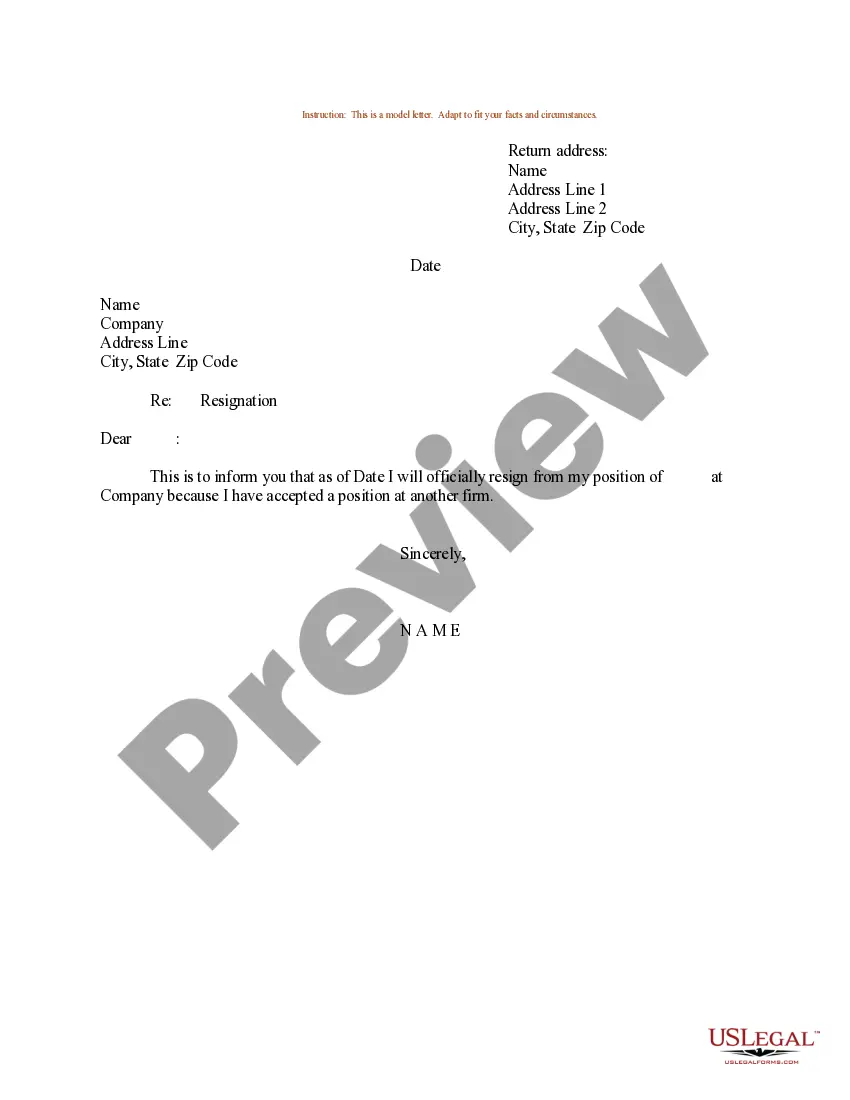
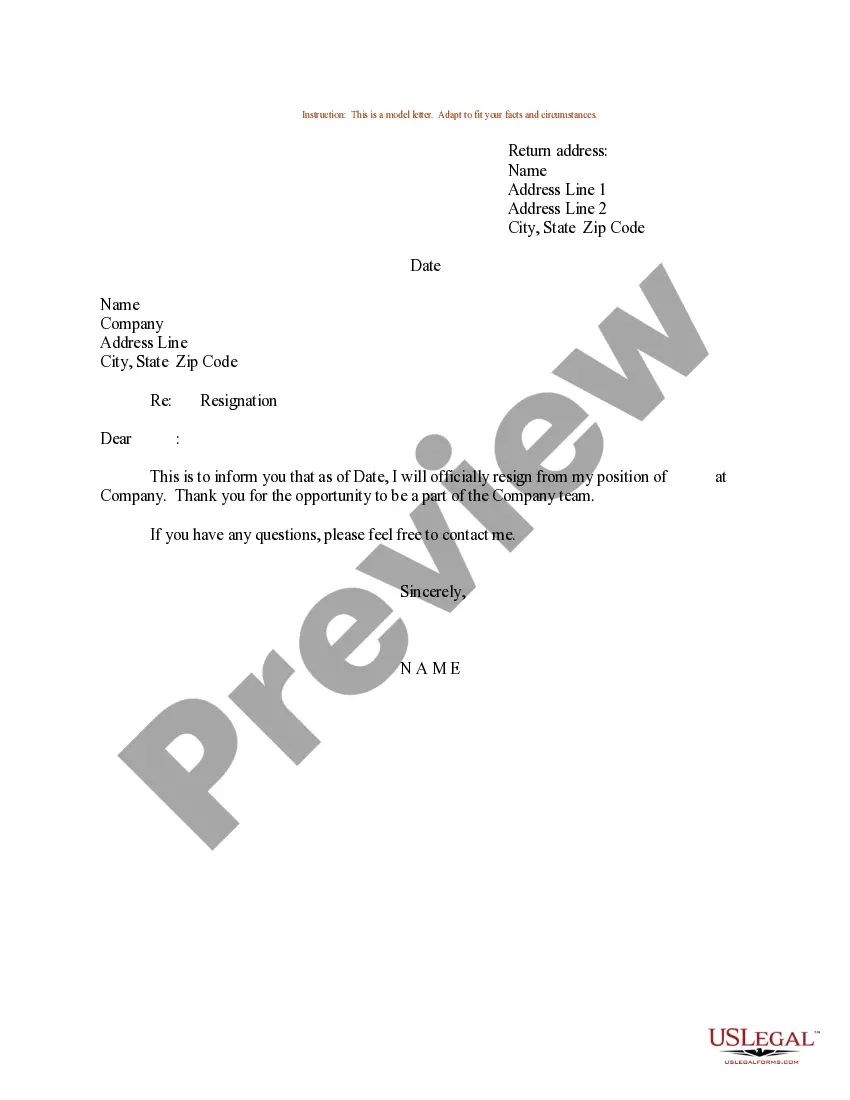
Short and sweet is the key here ``I regret to inform you that I will resign from . My notice period of YYY starts today and my last day will be ZZZ''. You add something nice like ``I want to thank you for the good collaboration and opportunities I had at ''. DON'T SEND IT YET.
Yes, an employer can terminate your employment after you give notice. In most at-will employment situations, either the employee or the employer can end the employment relationship at any time, with or without notice, unless there is a specific contract or agreement stating otherwise.
In general, it's a good idea to stay at a job for at least 6 months. This gives you enough time to learn the ropes, gain some experience, and build your resume. If you leave a job after only a few months, it may raise red flags for potential employers.
If you regret your resignation, here are some steps you can take: Reflect on Your Decision: Consider why you resigned and whether those reasons still hold. Make sure you genuinely want to stay. Contact Your Boss: Reach out to your boss as soon as possible. Request a meeting to discuss your resignation.
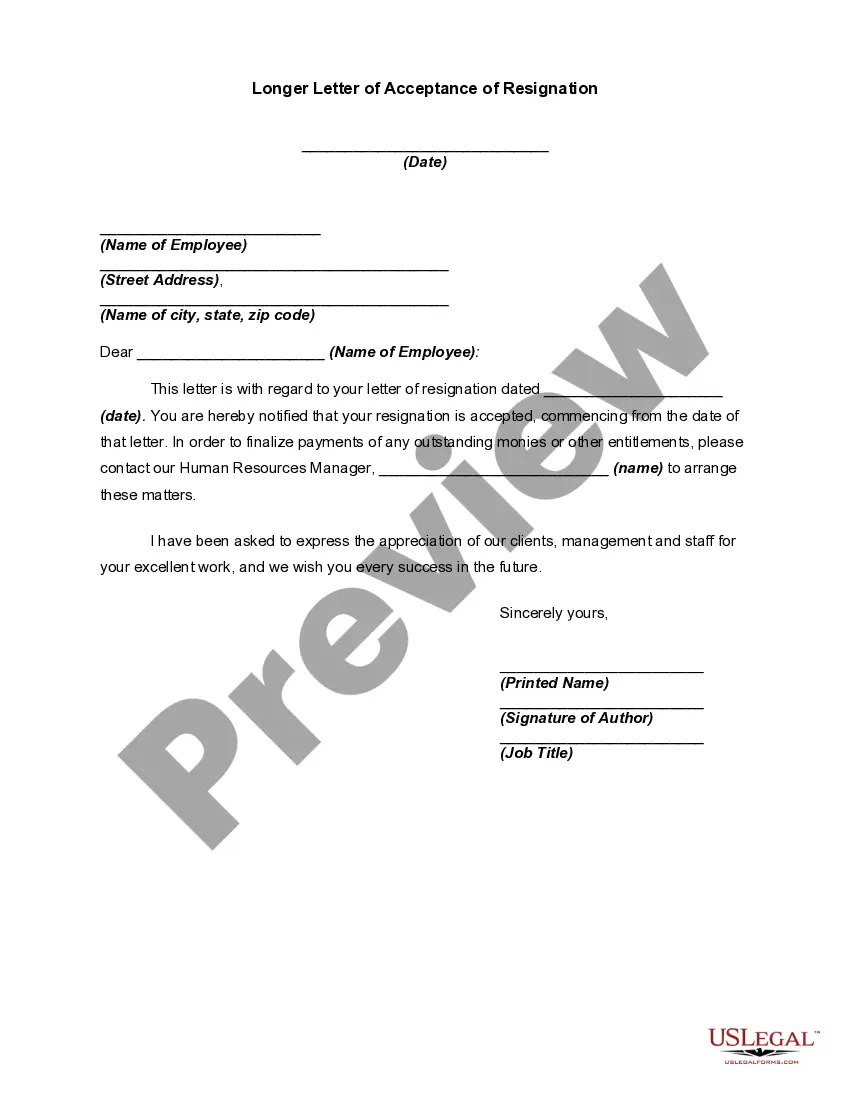
Accept the resignation Be direct and to the point and, in the first sentence, acknowledge the receipt of their letter of resignation and formally accept it. Depending on the employee and the circumstances of their departure, you may want to add your regrets about their decision in the first paragraph.
Yes, it is entirely normal to feel sad when leaving an old job. Even if you are moving on to a new and exciting opportunity, leaving behind coworkers, routine, and a familiar environment can be an emotional experience.
How to write a resignation letter when you're unhappy with management Start with a date and time. Use a formal address. Detail the exact date you plan to leave. Explain your reason for resigning. Express your gratitude. Discuss transitioning your responsibilities. Request a recommendation letter for future employers.

