Resignation Letter Samples For Bad Work Environment In Allegheny
Description
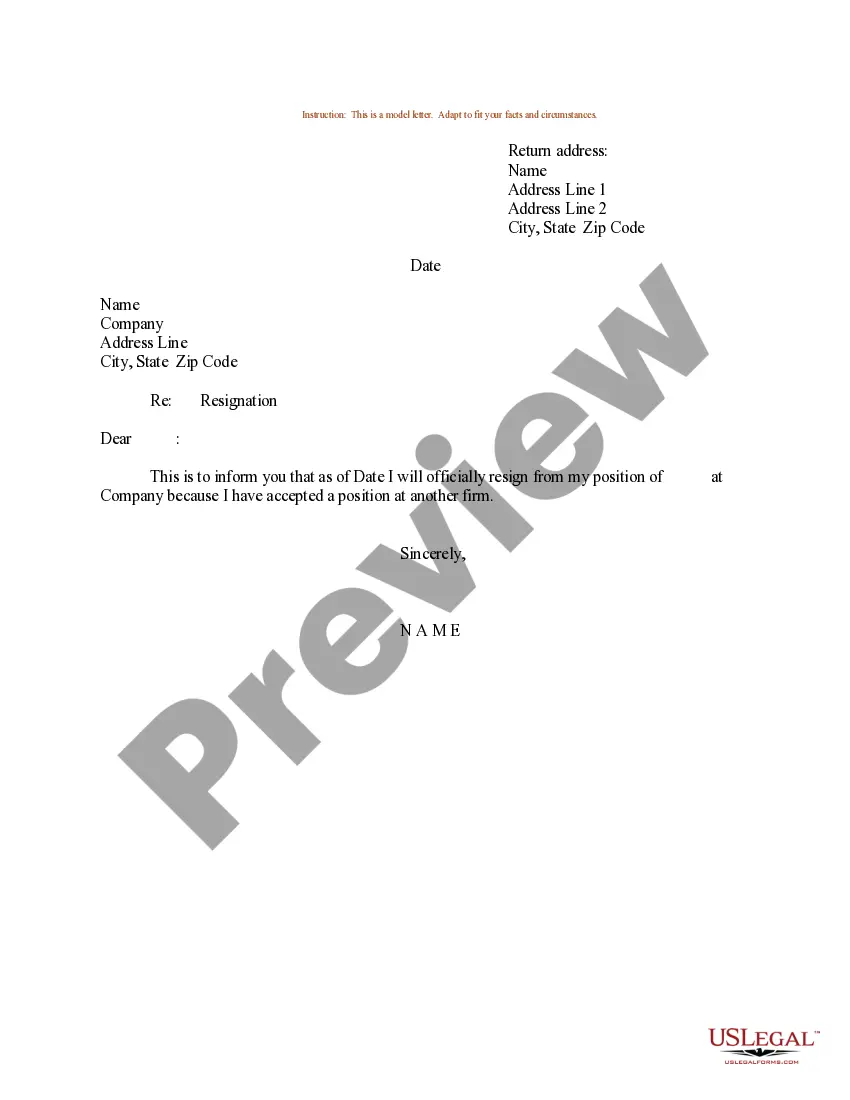
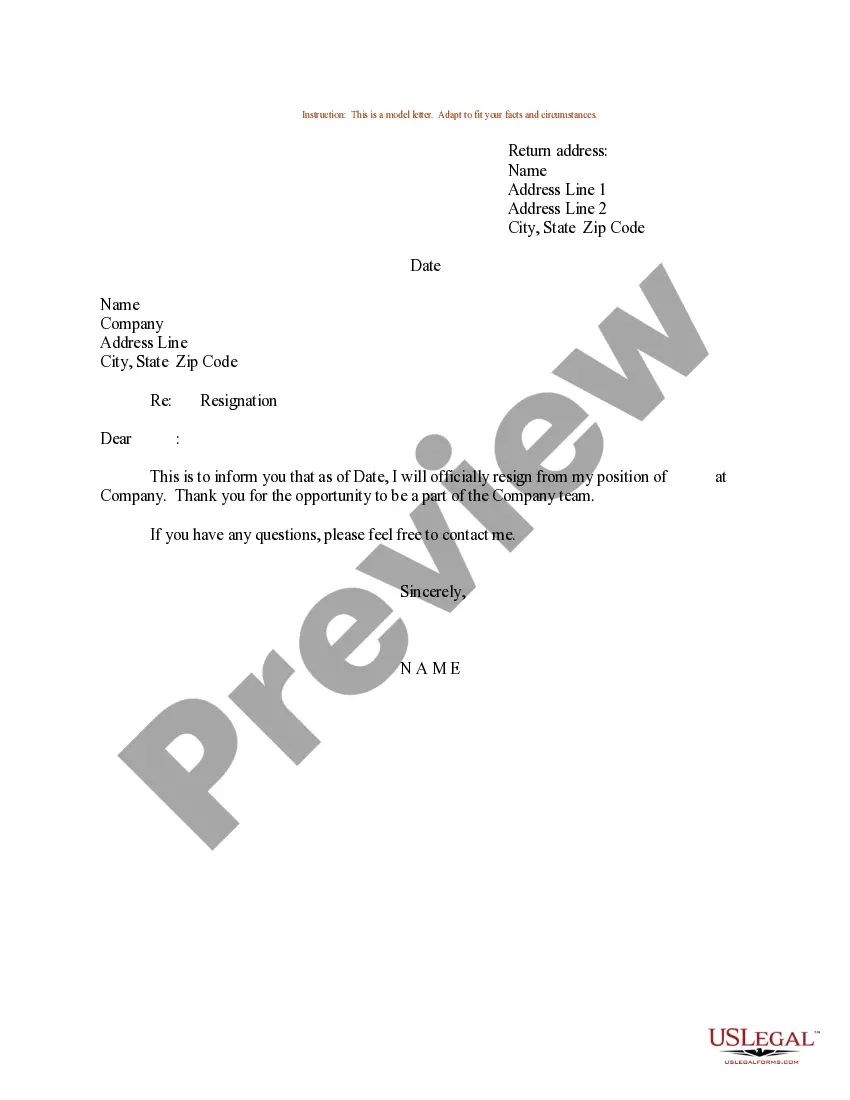
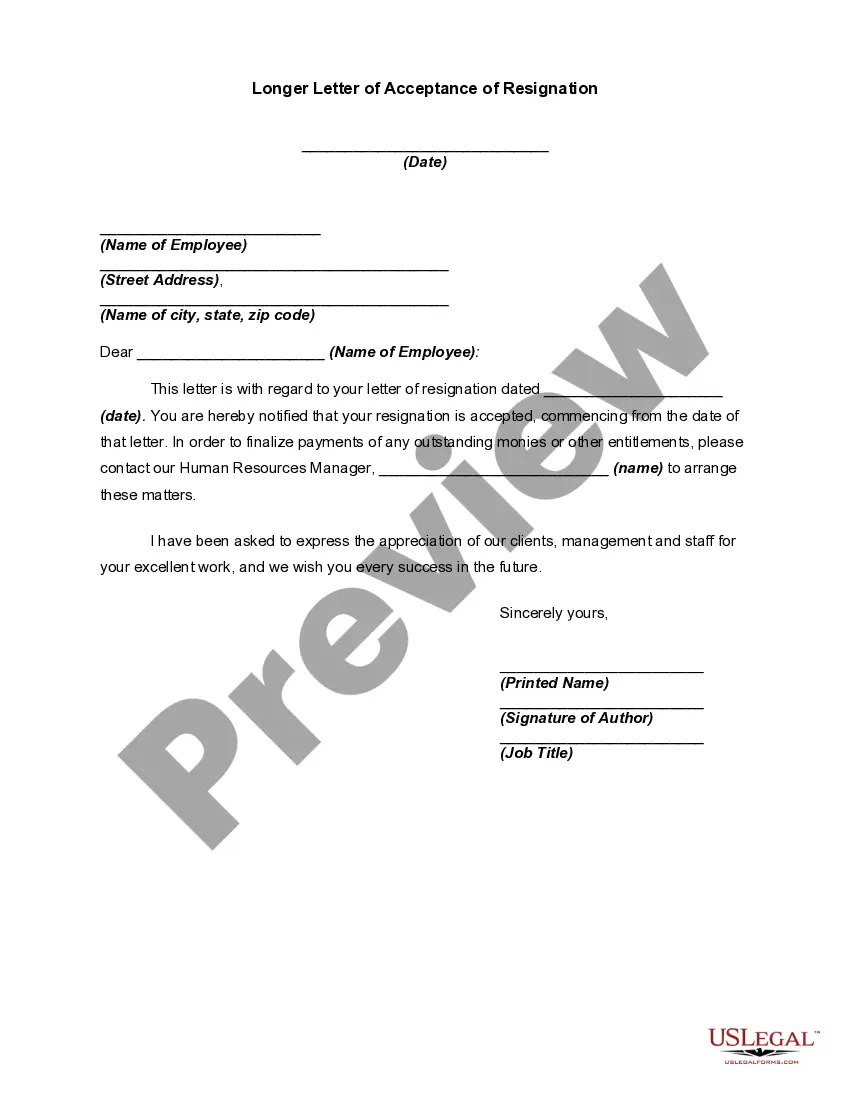

Get your form ready online
Our built-in tools help you complete, sign, share, and store your documents in one place.
Make edits, fill in missing information, and update formatting in US Legal Forms—just like you would in MS Word.
Download a copy, print it, send it by email, or mail it via USPS—whatever works best for your next step.
Sign and collect signatures with our SignNow integration. Send to multiple recipients, set reminders, and more. Go Premium to unlock E-Sign.
If this form requires notarization, complete it online through a secure video call—no need to meet a notary in person or wait for an appointment.
We protect your documents and personal data by following strict security and privacy standards.

Make edits, fill in missing information, and update formatting in US Legal Forms—just like you would in MS Word.

Download a copy, print it, send it by email, or mail it via USPS—whatever works best for your next step.

Sign and collect signatures with our SignNow integration. Send to multiple recipients, set reminders, and more. Go Premium to unlock E-Sign.

If this form requires notarization, complete it online through a secure video call—no need to meet a notary in person or wait for an appointment.

We protect your documents and personal data by following strict security and privacy standards.
Looking for another form?







Form popularity
FAQ
Avoid accusatory language or venting frustrations. Focus on stating your intention to resign, effective on a specific date, without going into extensive detail about the unfair treatment. A simple statement like ``I am writing to inform you of my resignation from (position), effective (date)'' is sufficient.
Deciding to quit a job due to unhappiness is a personal choice, and it's not inherently selfish. Here are some factors to consider: Personal Well-Being: Your mental and emotional health is important. If the job is negatively impacting your well-being, prioritizing your happiness can be seen as a responsible decision.
Clearly state your intention to resign and your last working day. Express gratitude for the opportunities you had, without delving into the toxic aspects. Choose the Right Time and Place: Schedule a meeting with your manager to discuss your resignation. Ensure it's a private, calm setting.
"Not a good fit" termination refers to ending an employment relationship due to an employee's inability to effectively perform their job or align with the company's values and culture (amongst other things).
Consider these steps as you write your job dissatisfaction resignation letter: Evaluate why you're resigning. Determine your resignation conditions. Format your resignation letter. Maintain a positive tone. Proofread your resignation letter. Submit your resignation letter.
Simply tell them they are not a good fit for the position. Have facts related to their professional capabilities, strengths and weaknesses and relate that to the requirements for the position. Don't make it an argument. Do not get into a big discussion.
How to Write a Resignation Letter Due to Working Conditions? Start with a Professional Salutation. Clearly State Your Intent to Resign. Provide a Brief and Neutral Explanation. Express Gratitude for the Opportunities. Offer to Help with the Transition. Conclude Professionally. Sign Off.
Resign politely in writing. Address it to your Line Manager and copy in the HR/People team business partner. Don't forget to state your last working day. If you're feeling gracious and want to help the company learn from the experience, let them know why the job wasn't what you expected.
You want to share a statement of intent, an expression of gratitude, and then offer up any sort of assistance that you can provide with the transition. Use a formal business format for the actual letter itself. Notify your manager in person before you submit your formal resignation letter.
Gather records and document why your work environment was toxic before resigning, ensuring you'll have evidence if you make a claim later. To avoid burning bridges, stay polite and professional when submitting your resignation, give your employer a full two weeks' notice, and participate in any offboarding formalities.

