Submission Agreement Sample With Witness In Massachusetts
Description

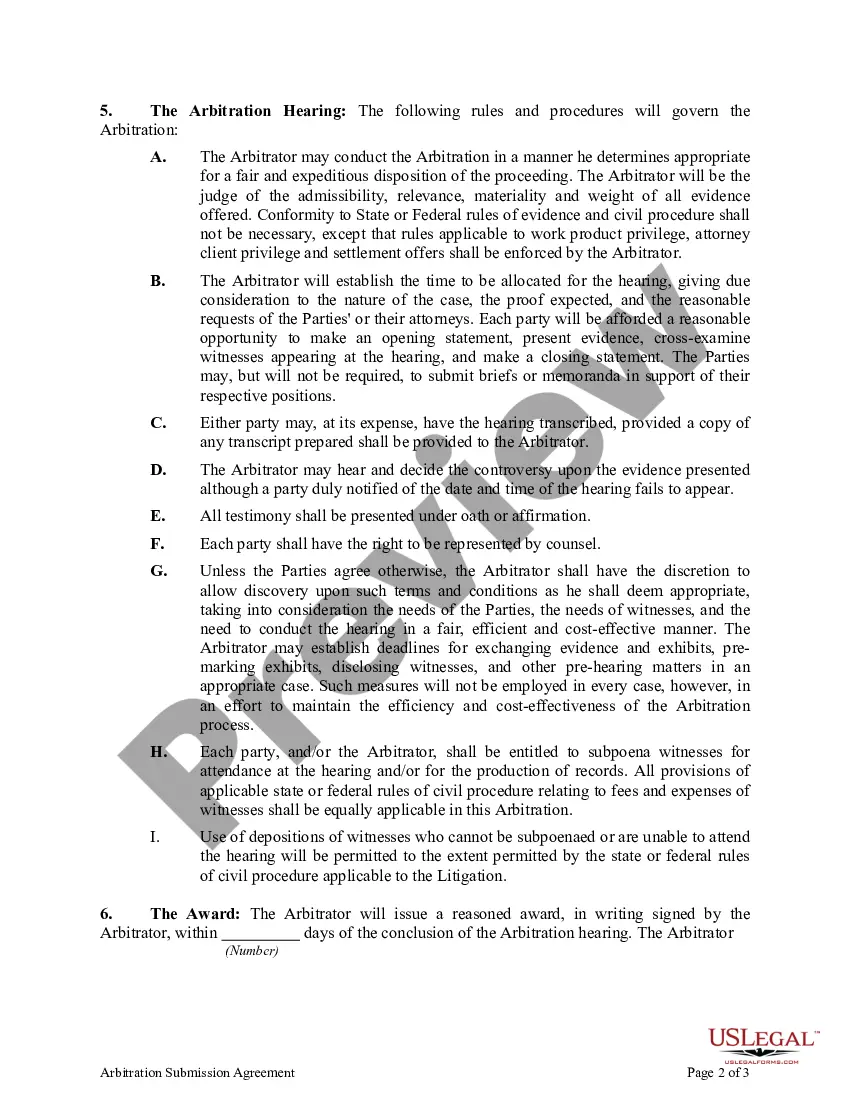
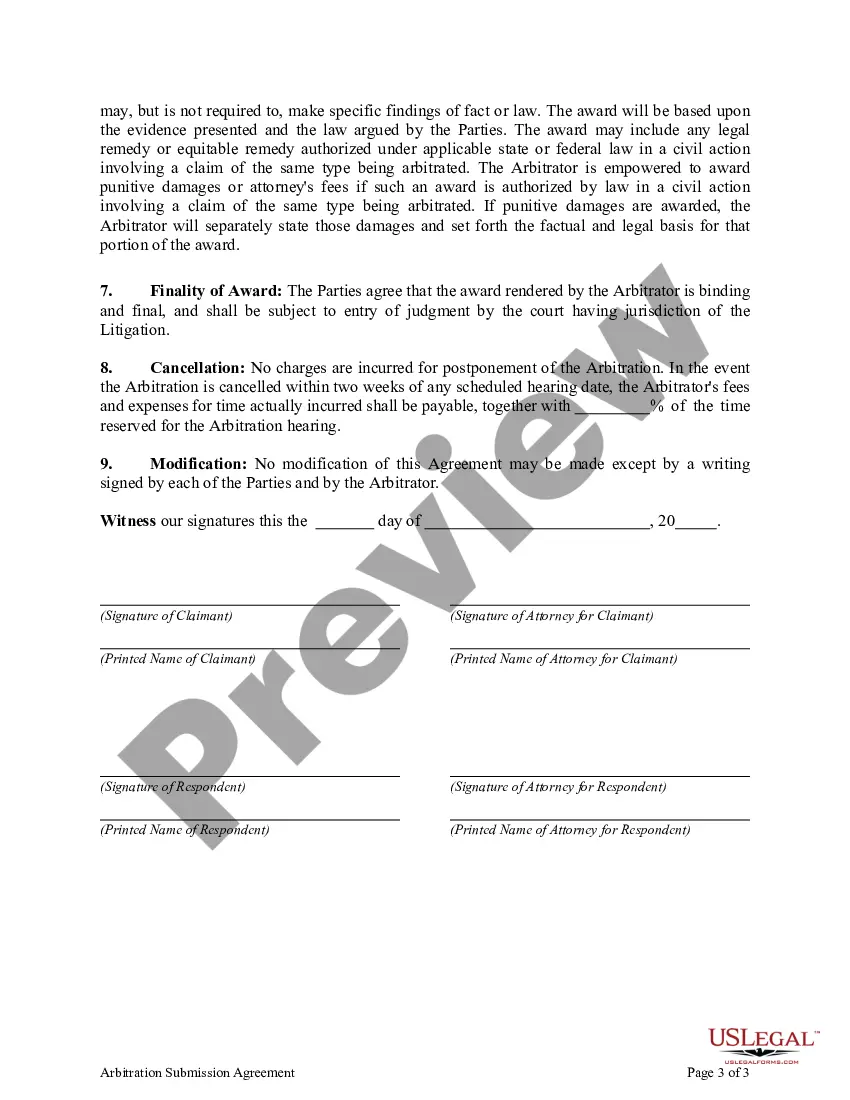

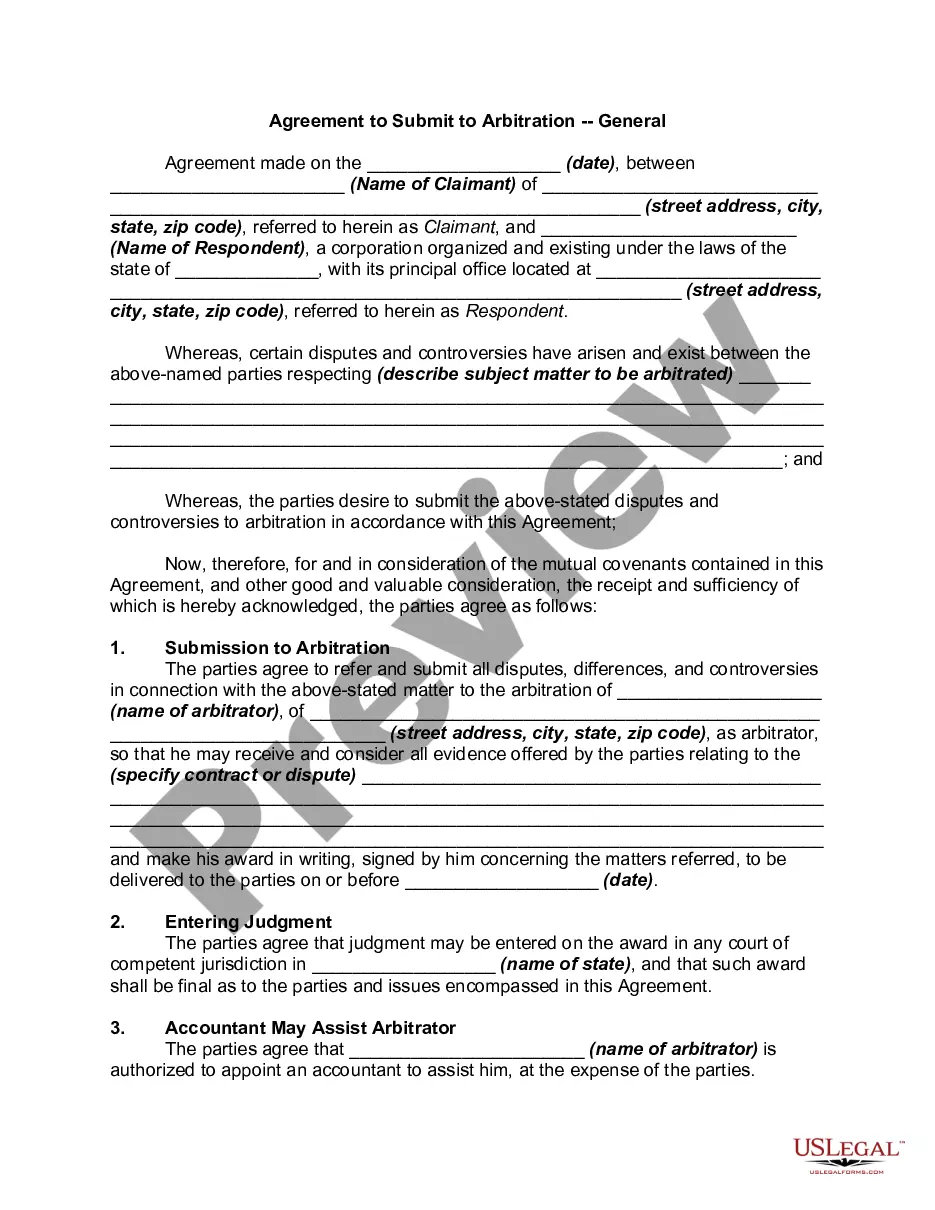

Get your form ready online
Our built-in tools help you complete, sign, share, and store your documents in one place.
Make edits, fill in missing information, and update formatting in US Legal Forms—just like you would in MS Word.
Download a copy, print it, send it by email, or mail it via USPS—whatever works best for your next step.
Sign and collect signatures with our SignNow integration. Send to multiple recipients, set reminders, and more. Go Premium to unlock E-Sign.
If this form requires notarization, complete it online through a secure video call—no need to meet a notary in person or wait for an appointment.
We protect your documents and personal data by following strict security and privacy standards.

Make edits, fill in missing information, and update formatting in US Legal Forms—just like you would in MS Word.

Download a copy, print it, send it by email, or mail it via USPS—whatever works best for your next step.

Sign and collect signatures with our SignNow integration. Send to multiple recipients, set reminders, and more. Go Premium to unlock E-Sign.

If this form requires notarization, complete it online through a secure video call—no need to meet a notary in person or wait for an appointment.

We protect your documents and personal data by following strict security and privacy standards.
Looking for another form?



Form popularity
FAQ
Rule 17 is the process where a lawyer can ask the Court for a summons for third party records. To make a showing to acquire third party records a defendant must establish the following: A party moving to summons documents pursuant to Mass.
Inadmissible evidence is evidence that lawyers can't present to a jury. Forms of evidence judges consider inadmissible include hearsay, prejudicial, improperly obtained or irrelevant items. For example, investigators use polygraph tests to determine whether a person is lying about the events of a case.
Rule 602 provides that witnesses' lack of personal knowledge excludes them from testifying except when expert witnesses are involved or in other circumstances. Rule 603 requires that witnesses give an oath or affirmation that they will testify truthfully.
Section 602. Need for personal knowledge. A witness may testify to a matter only if evidence is introduced sufficient to support a finding that the witness has personal knowledge of the matter. Evidence to prove personal knowledge may consist of the witness's own testimony.
Impeachment by Evidence of A Criminal Conviction. (2) for any crime regardless of the punishment, the evidence must be admitted if the court can readily determine that establishing the elements of the crime required proving - or the witness's admitting - a dishonest act or false statement.
Don't lie about anything, not even white small lies. If you are discovered to be lying, the judge may find it hard to believe you when you are telling the truth. Don't argue with the questioner. Don't ask questions back: “What would you do if…”
Call your witness witness, your honor.” Typically, the court attendant will then get the person and direct them to the witness stand. If you are calling yourself instead, say to the judge, “I would like to call myself to testify,” and ask whether the judge wishes you to testify from the bench or the witness stand.
Template for Written Testimony Paragraph 1: Introduce yourself and the issue you want to testify about Paragraph 2: Tell your story Paragraph 3: Explain why you felt the need to testify Paragraph 4: Give suggestions for solving the issue or problem you have raised. Paragraph 5: Thank the Councilmembers
Any person who is imprisoned or whose liberty is restrained pursuant to a criminal conviction may at any time, as of right, file a written motion requesting the trial judge to release him or her or to correct the sentence then being served upon the ground that the confinement or restraint was imposed in violation of ...
We noted that arbitration clauses are made before any dispute arises. Submission agreements, however, are agreements to arbitrate made after the dispute has arisen.
