Principle For Legal In Washington
Description
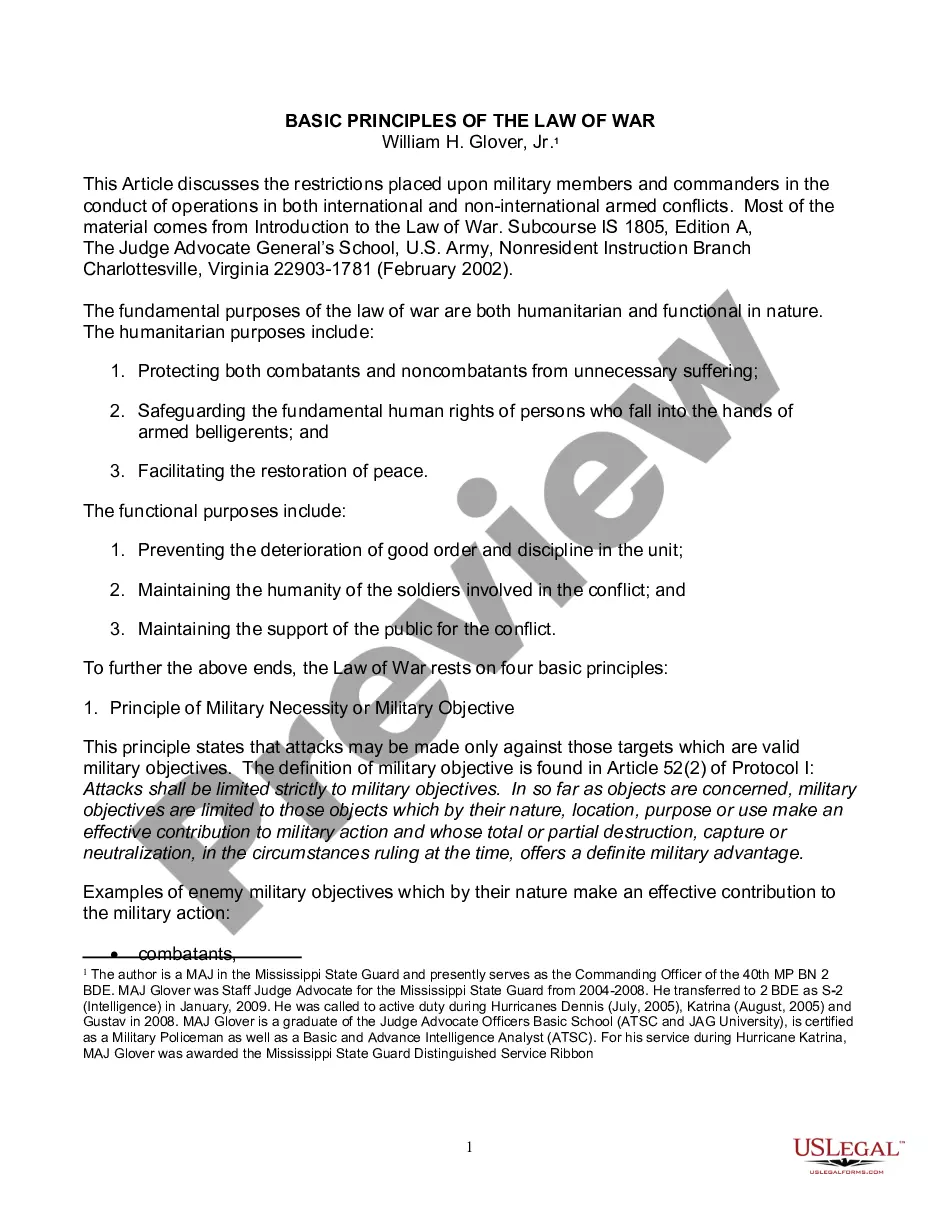
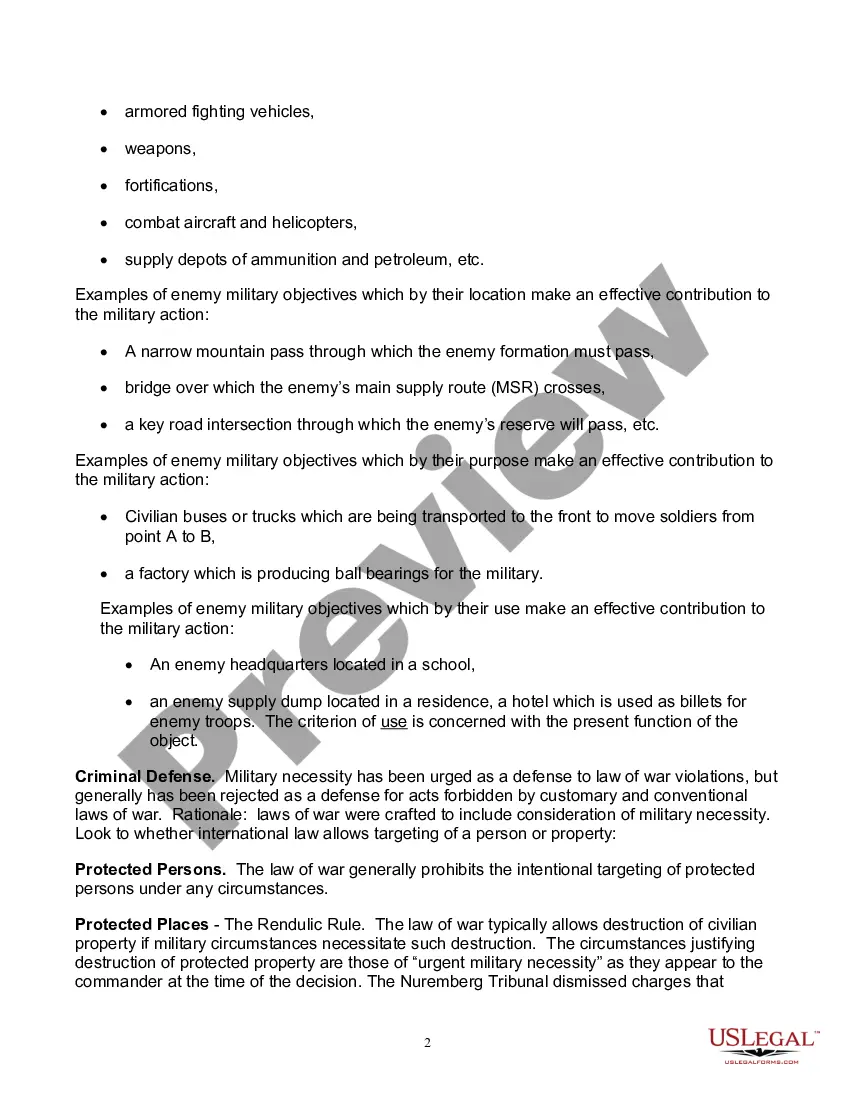
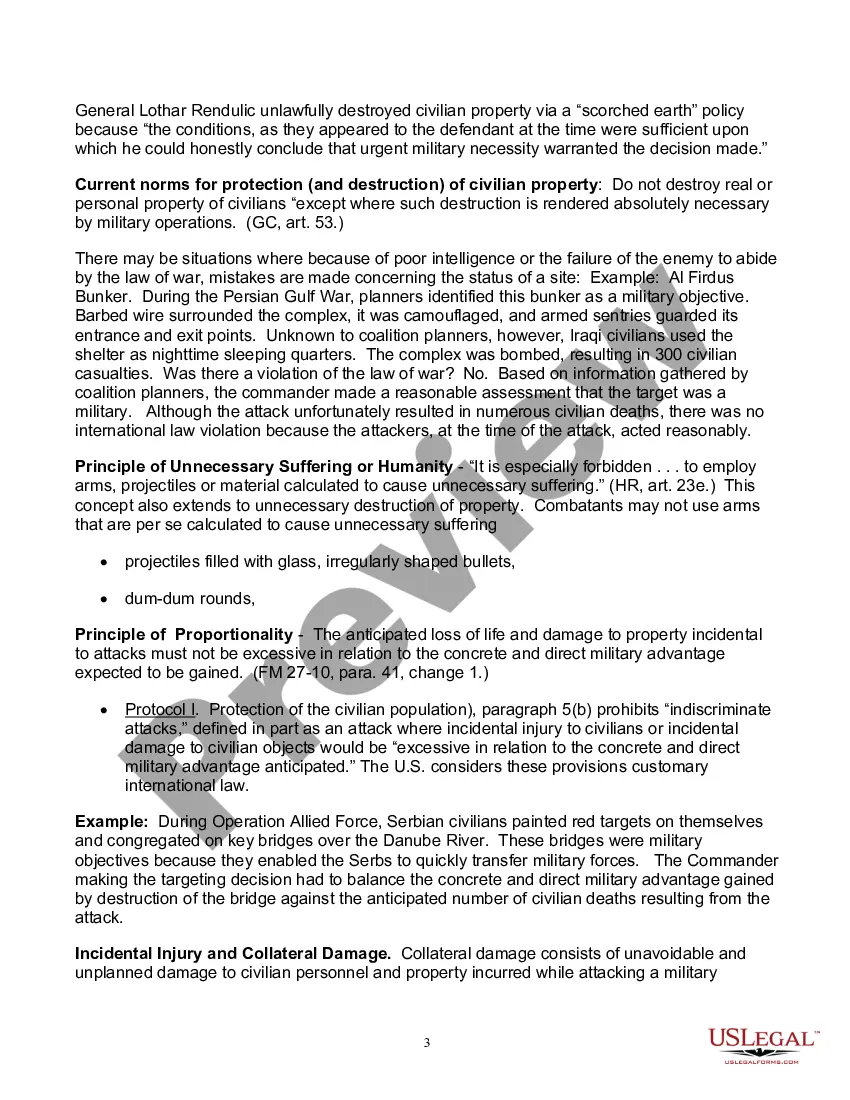
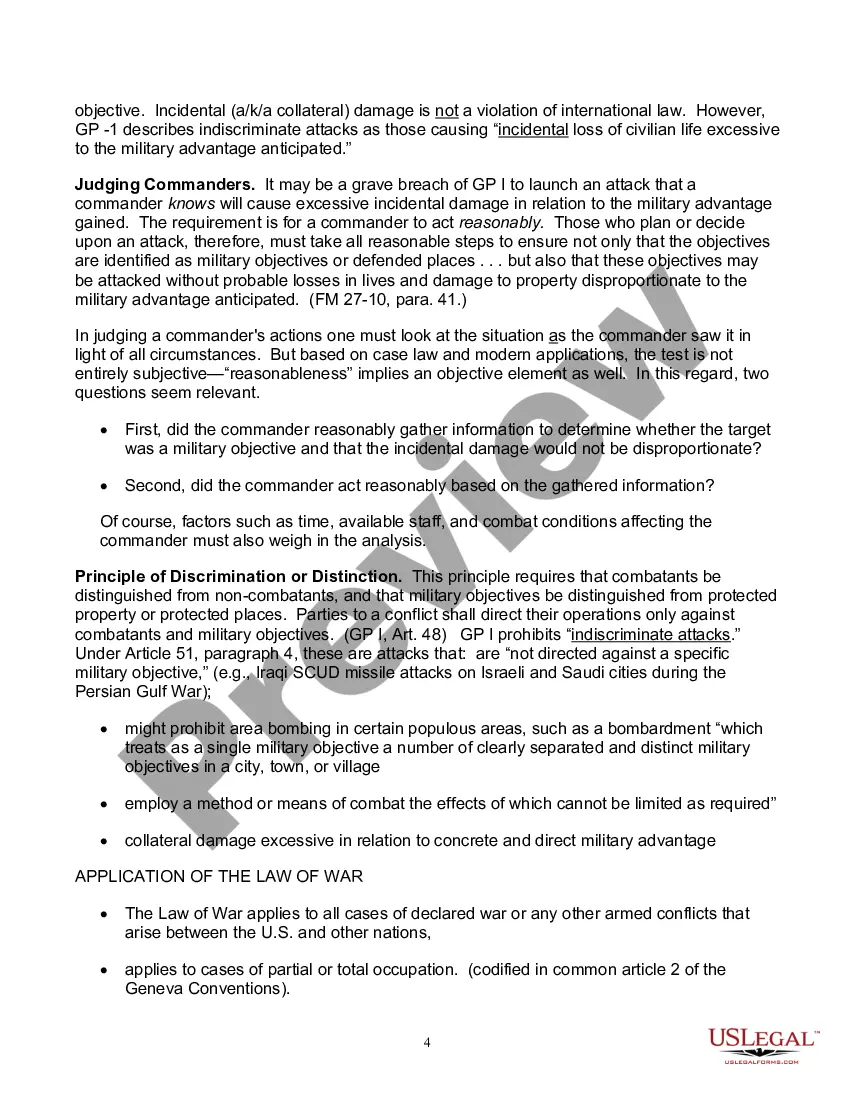
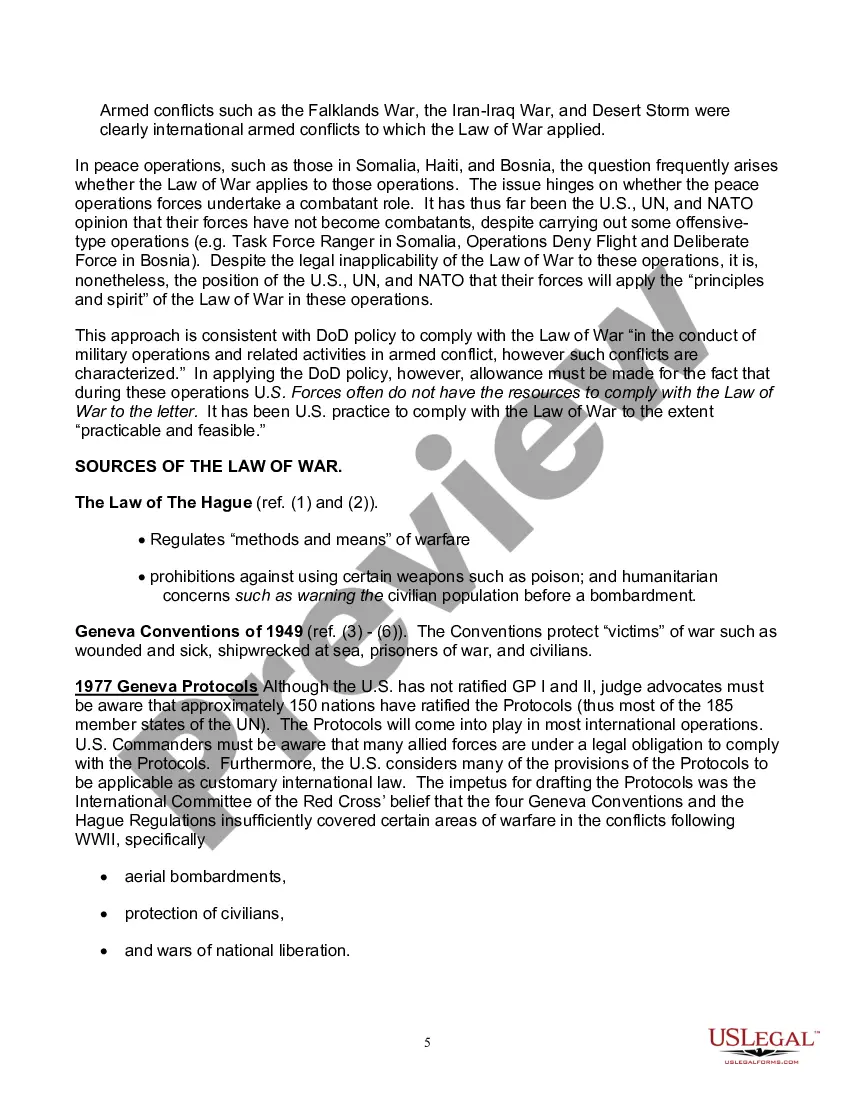
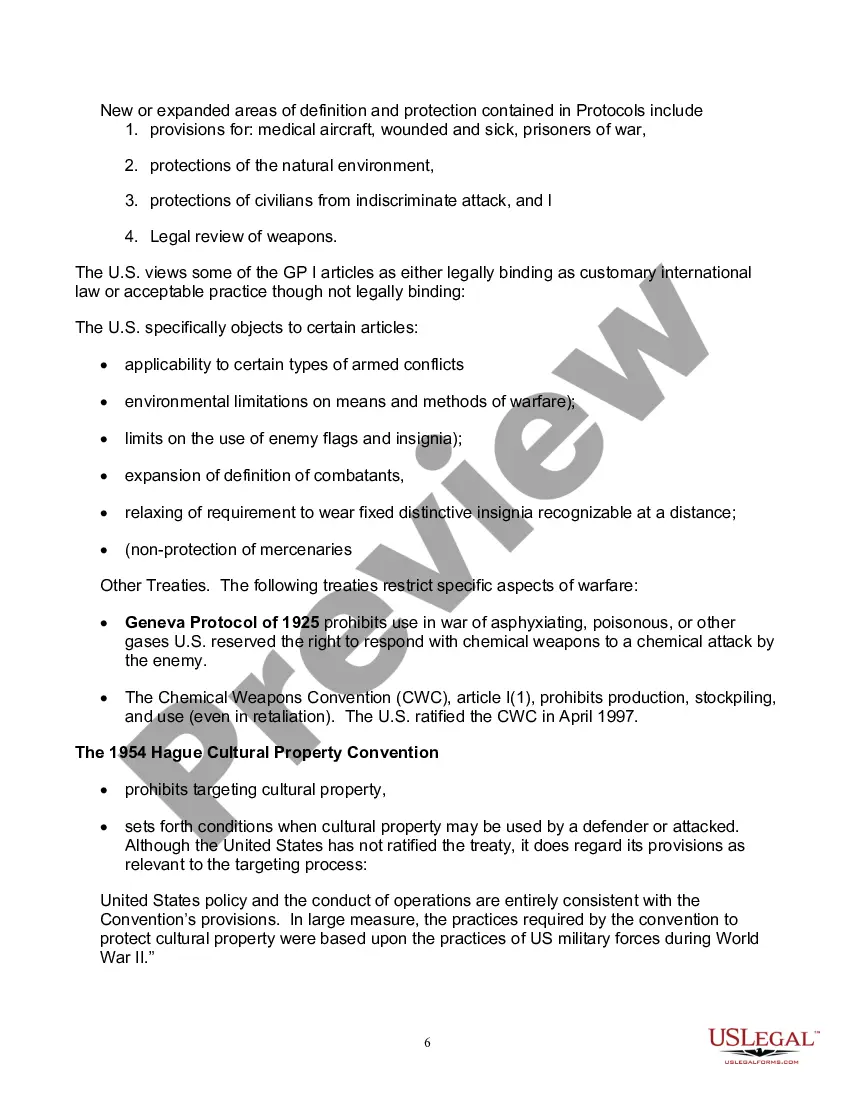
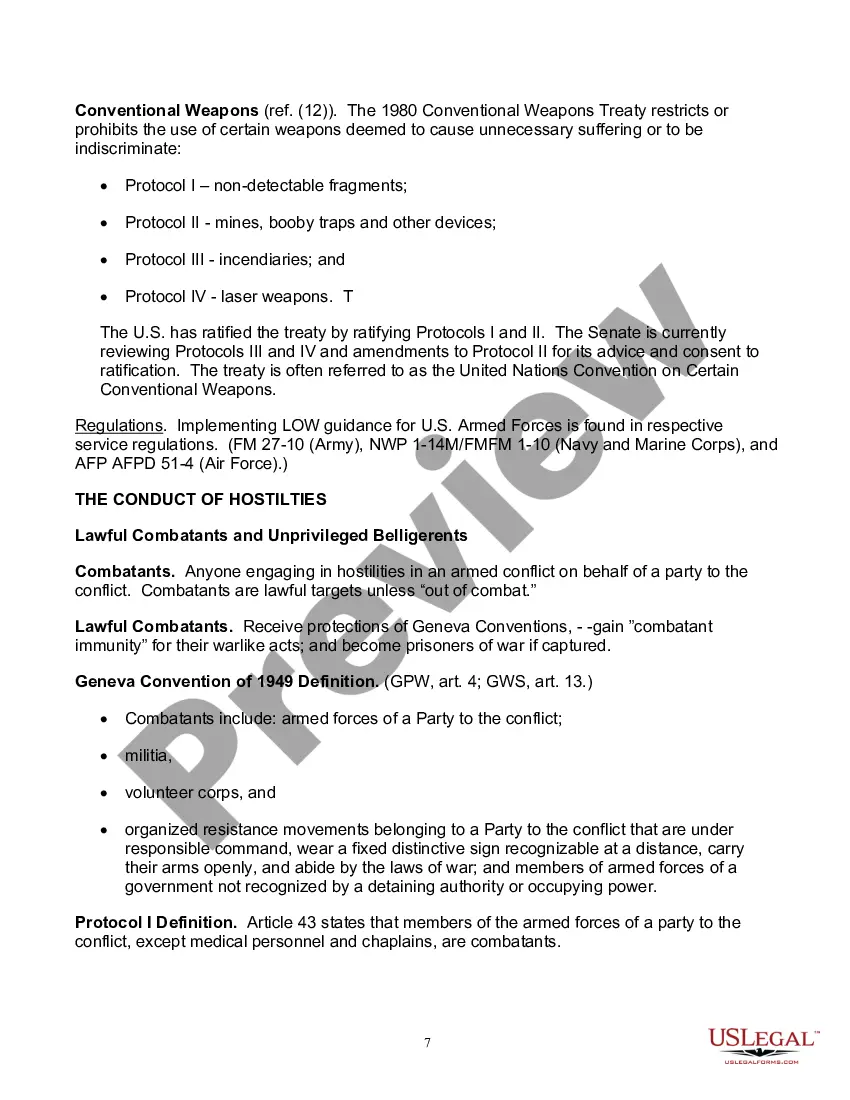
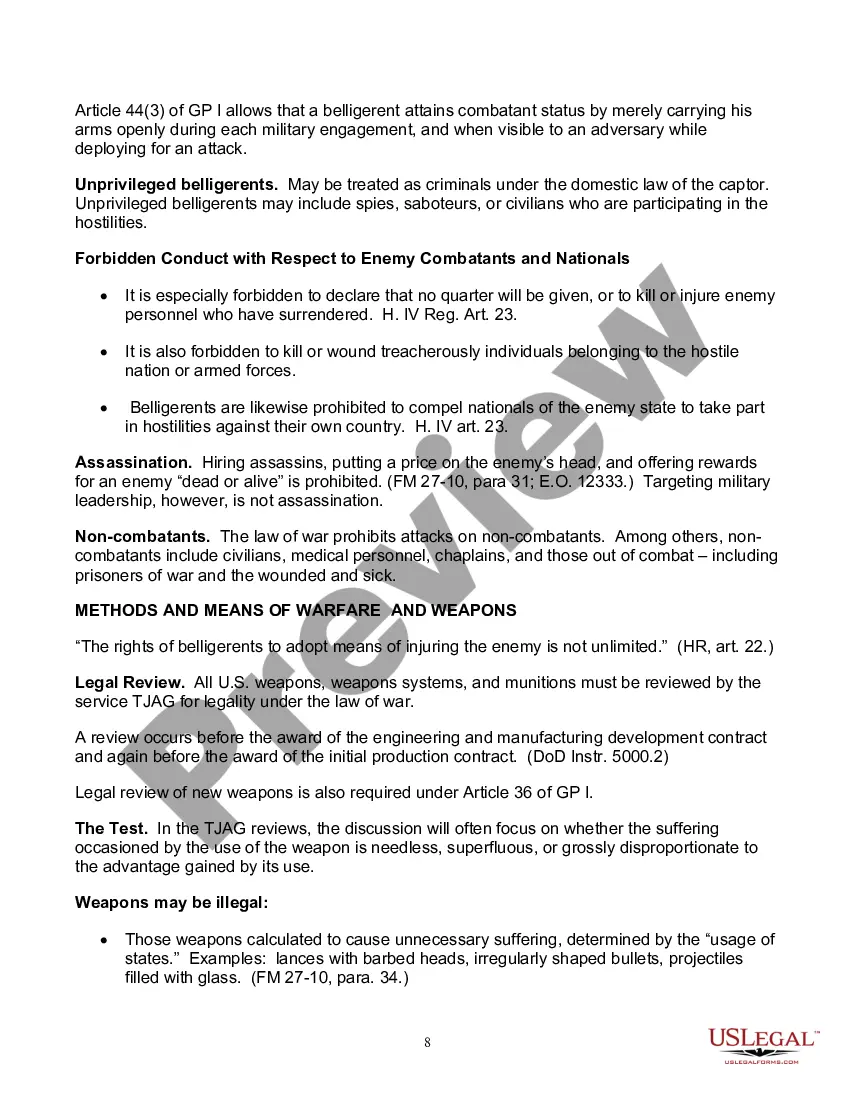


Get your form ready online
Our built-in tools help you complete, sign, share, and store your documents in one place.
Make edits, fill in missing information, and update formatting in US Legal Forms—just like you would in MS Word.
Download a copy, print it, send it by email, or mail it via USPS—whatever works best for your next step.
Sign and collect signatures with our SignNow integration. Send to multiple recipients, set reminders, and more. Go Premium to unlock E-Sign.
If this form requires notarization, complete it online through a secure video call—no need to meet a notary in person or wait for an appointment.
We protect your documents and personal data by following strict security and privacy standards.

Make edits, fill in missing information, and update formatting in US Legal Forms—just like you would in MS Word.

Download a copy, print it, send it by email, or mail it via USPS—whatever works best for your next step.

Sign and collect signatures with our SignNow integration. Send to multiple recipients, set reminders, and more. Go Premium to unlock E-Sign.

If this form requires notarization, complete it online through a secure video call—no need to meet a notary in person or wait for an appointment.

We protect your documents and personal data by following strict security and privacy standards.
Looking for another form?










Form popularity
FAQ
Rule 15. Review or Enforcement of an Agency Order — How Obtained; Intervention. (a) Petition for Review; Joint Petition. (1) Review of an agency order is commenced by filing, within the time prescribed by law, a petition for review with the clerk of a court of appeals authorized to review the agency order.
To seal means to protect from examination by the public and unauthorized court personnel. A motion or order to delete, purge, remove, excise, erase, or redact shall be treated as a motion or order to seal.
The definition of legal principles refers to a standard rule commonly used to interpret and apply the law to different circumstances. Usually, the sources of legal principles stem from judicial precedents, statutes, customs, and other sources of the law.
(1) A power of attorney must be signed and dated by the principal, and the signature must be either acknowledged before a notary public or other individual authorized by law to take acknowledgments, or attested by two or more competent witnesses who are neither home care providers for the principal nor care providers ...
If a brief in opposition is timely filed, the Clerk will distribute the petition, brief in opposition, and any reply brief to the Court for its consideration no less than 14 days after the brief in opposition is filed. , unless the petitioner expressly waives the 14-day waiting period.
Unless agreed by the parties and with the permission of the court, all discovery shall be completed within 60 days of the demand, or 90 days of service of the summons and complaint, or counterclaim, or cross complaint, whichever is longer.
This rule sets forth a uniform procedure for the destruction, sealing, and redaction of court records. This rule applies to all court records, regardless of the physical form of the court record, the method of recording the court record, or the method of storage of the court record.
Stare decisis requires that cases follow the precedents of other similar cases in similar jurisdictions. The U.S. Supreme Court is the nation's highest court; therefore, all states rely on Supreme Court precedents.
The rule applies to all proceedings in all courts of the state of Washington unless otherwise specifically indicated by court rule. Paper size is 8-1/2" x 11". Forms and pleadings must be legibly written or printed on one side of each page only. Font: Forms and pleadings must be printed in standard text fonts.
There are several types of pleadings in civil litigation. These include complaints, which serve as the basis of the legal action, and answers, which are the responses to the complaints. There may also be counterclaims, crossclaims, and third-party claims, which are also types of pleadings.
