Principle For Legal In Utah
Description
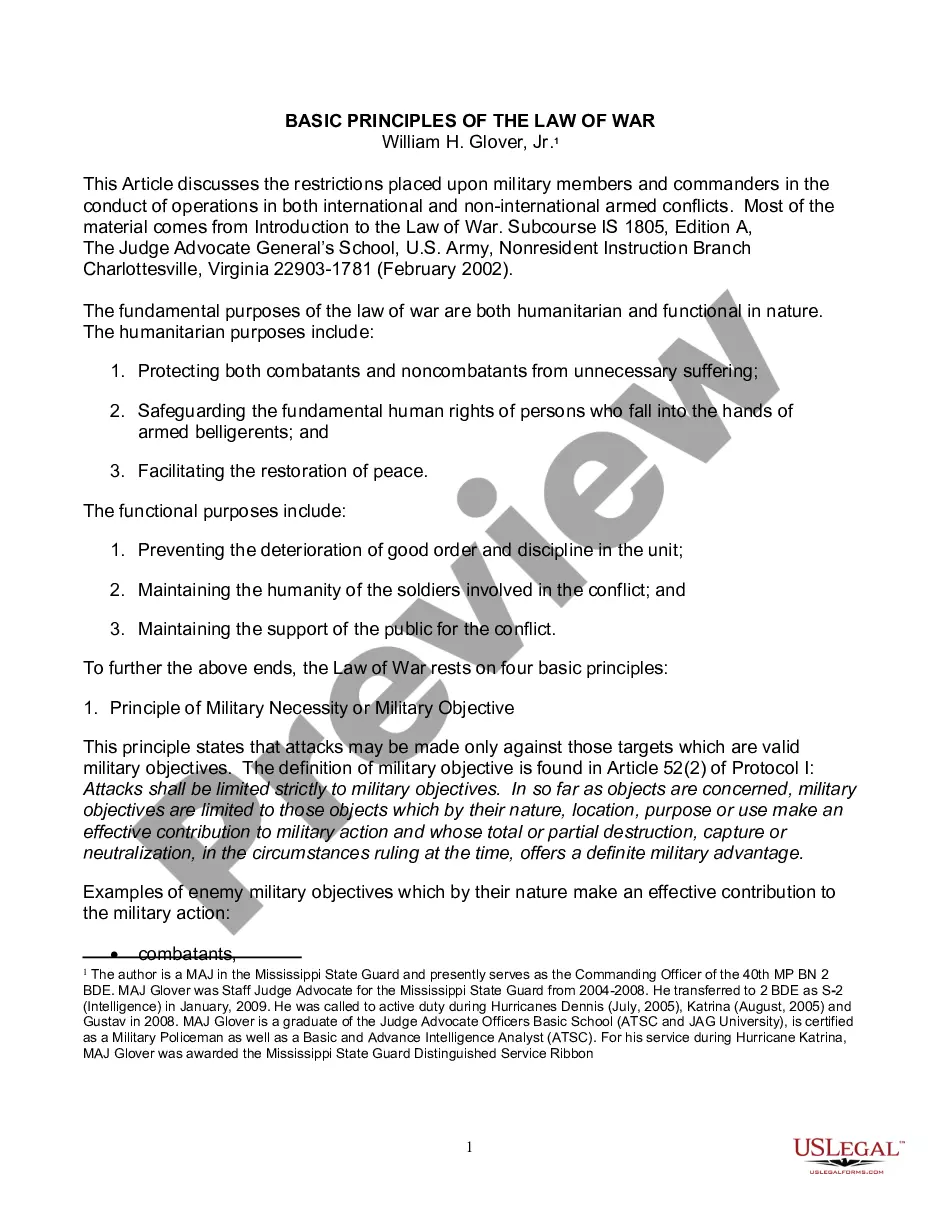
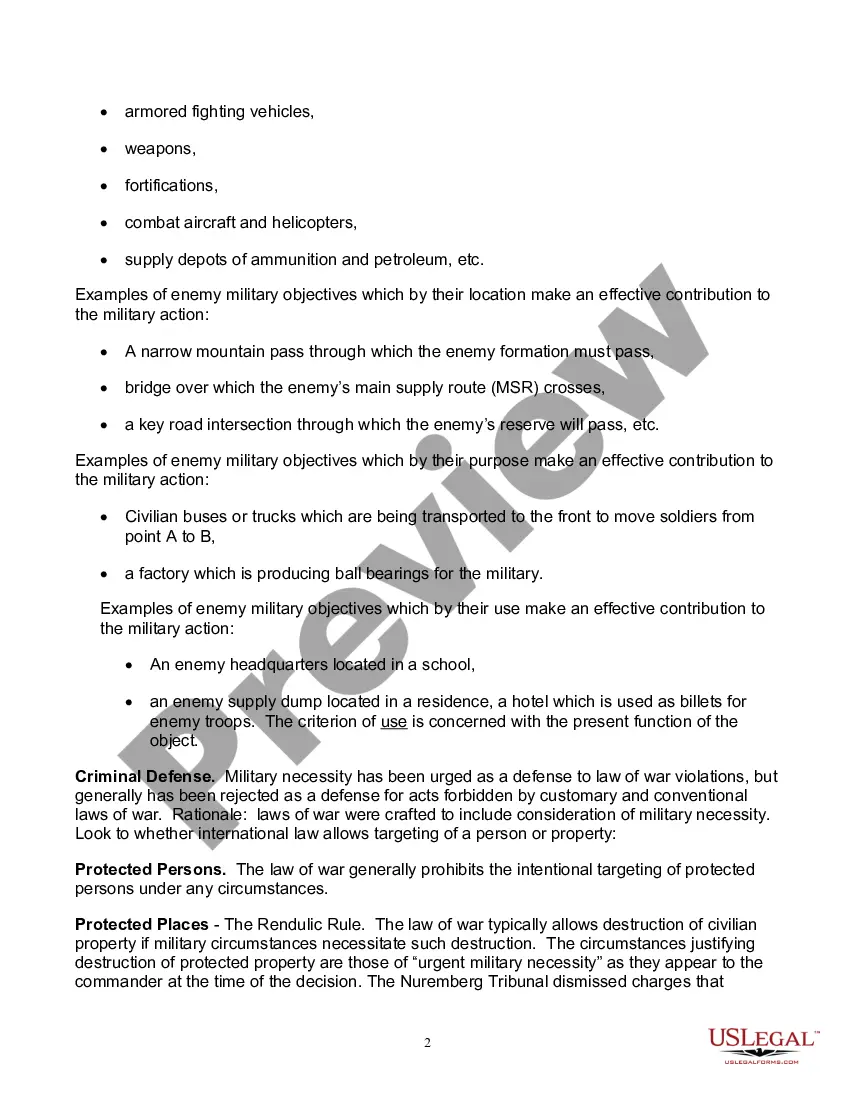
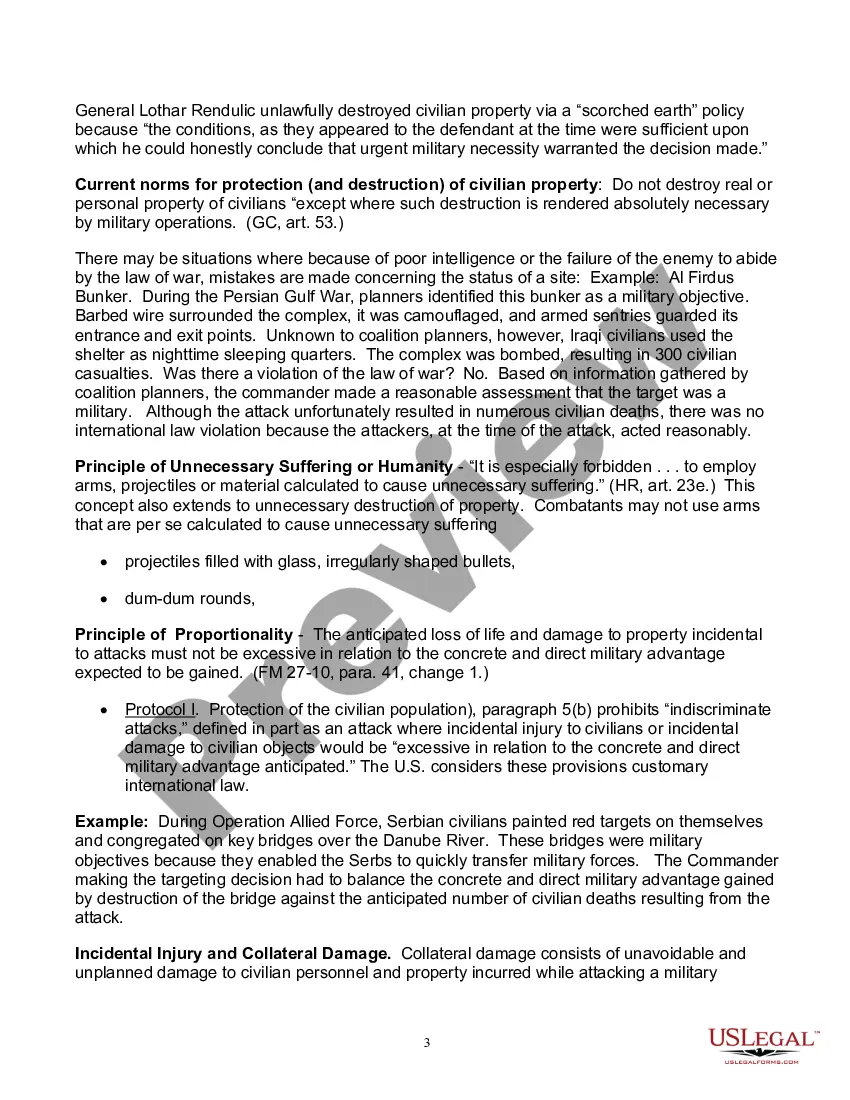
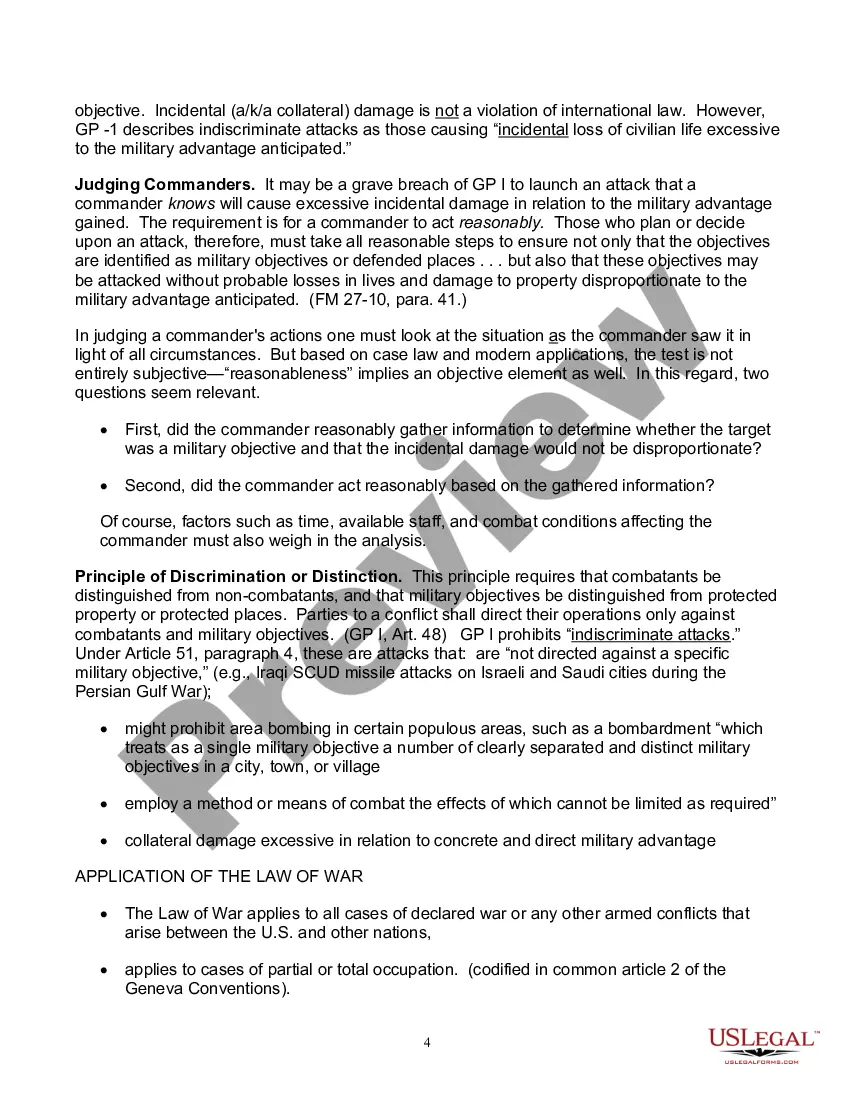

Get your form ready online
Our built-in tools help you complete, sign, share, and store your documents in one place.
Make edits, fill in missing information, and update formatting in US Legal Forms—just like you would in MS Word.
Download a copy, print it, send it by email, or mail it via USPS—whatever works best for your next step.
Sign and collect signatures with our SignNow integration. Send to multiple recipients, set reminders, and more. Go Premium to unlock E-Sign.
If this form requires notarization, complete it online through a secure video call—no need to meet a notary in person or wait for an appointment.
We protect your documents and personal data by following strict security and privacy standards.

Make edits, fill in missing information, and update formatting in US Legal Forms—just like you would in MS Word.

Download a copy, print it, send it by email, or mail it via USPS—whatever works best for your next step.

Sign and collect signatures with our SignNow integration. Send to multiple recipients, set reminders, and more. Go Premium to unlock E-Sign.

If this form requires notarization, complete it online through a secure video call—no need to meet a notary in person or wait for an appointment.

We protect your documents and personal data by following strict security and privacy standards.
Looking for another form?








Form popularity
FAQ
Executing a power of attorney under Utah law The power of attorney document must be signed by the principal before a notary public.
The Utah State Court System is comprised of two appellate courts - the Supreme Court and Court of Appeals; trial courts including the District, Juvenile, and Justice Courts; and two administrative bodies - the Judicial Council and the Administrative Office of the Court.
Rule 5.5 of the Utah Rules of Professional Conduct prohibits a lawyer not licensed to practice in Utah from practicing in this state except in limited circumstances.
The Castle Doctrine in Utah This law clarifies the use of force while on private property or inside your home. It allows people to use physical force against intruders when they believe their safety is at risk. Essentially, the castle doctrine allows you to use force against someone trying to get into the home.
Utah law allows an owner (or tenant, or someone with "apparent authority" to act for the owner or tenant) of a residence to remove a guest who has overstayed their welcome without going through a court process if certain requirements are met. Utah Code Section 76-6-206.4.
The common law principle of “castle doctrine” says that individuals have the right to use reasonable force, including deadly force, to protect themselves against an intruder in their home. This principle has been codified and expanded by state legislatures.
You can only use force to defend yourself in case of a trespasser. However, you are only supposed to use as much force necessary to eliminate the threat. Since the line is a bit blurred and difficult to decipher, it would be best to hire an attorney if you have been part of an encounter such as trespassing.
The Castle Doctrine in Utah This law clarifies the use of force while on private property or inside your home. It allows people to use physical force against intruders when they believe their safety is at risk. Essentially, the castle doctrine allows you to use force against someone trying to get into the home.
The bill must receive at least 15 votes in the Senate in order to pass. The Bill Passes Both Houses in the Legislature. After the bill has gone through both houses, it is signed by both presiding officers (the Senate President and the Speaker of the House). The Bill is Prepared for the Governor's Action.
A complaint or petition starting a case must be filed with the court that has the authority to handle it. This is called "jurisdiction." Most civil cases, including divorce and eviction, are filed in district court. Small claims cases are filed in justice court (except in Cache County).