Principles Of Law Enforcement Operations Philippines In Texas
Description
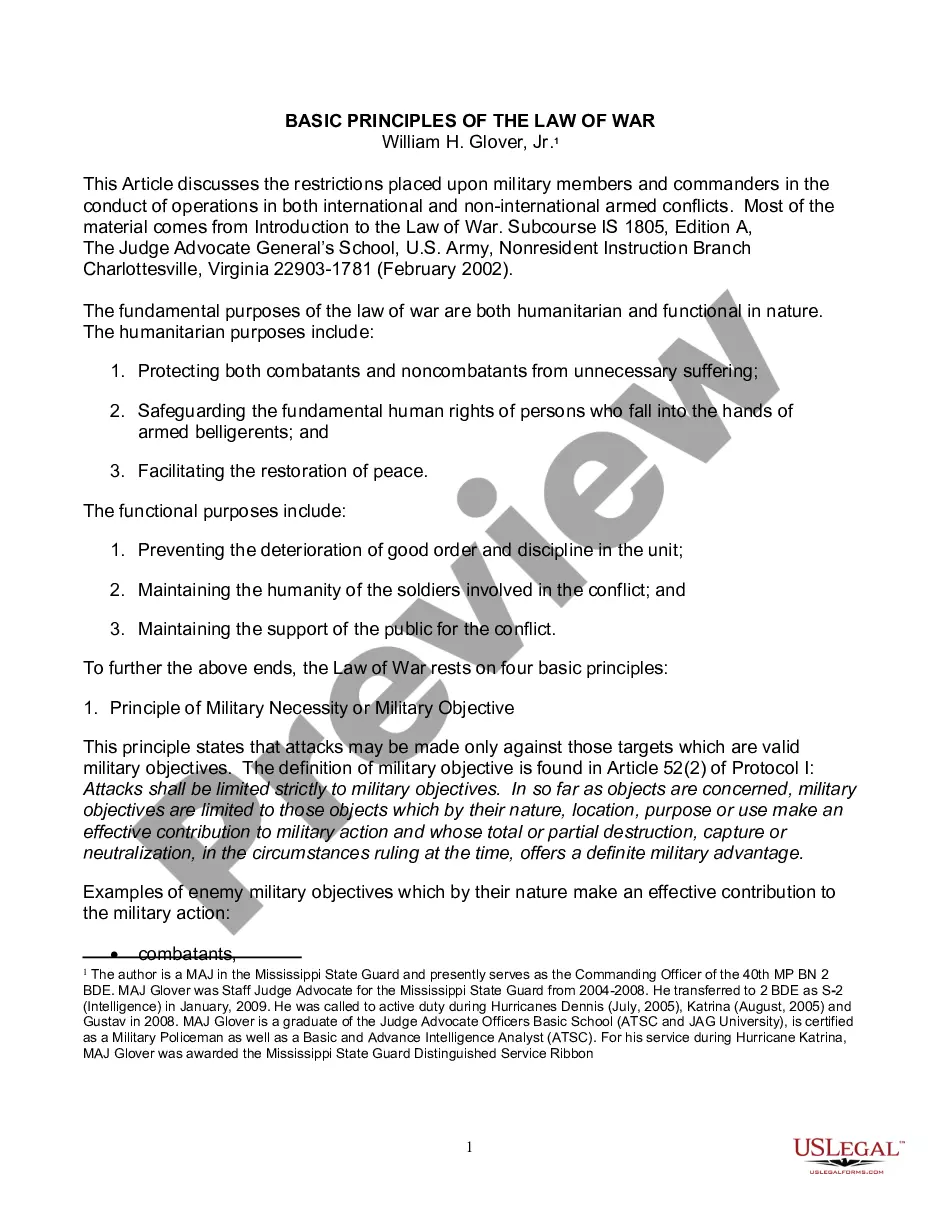
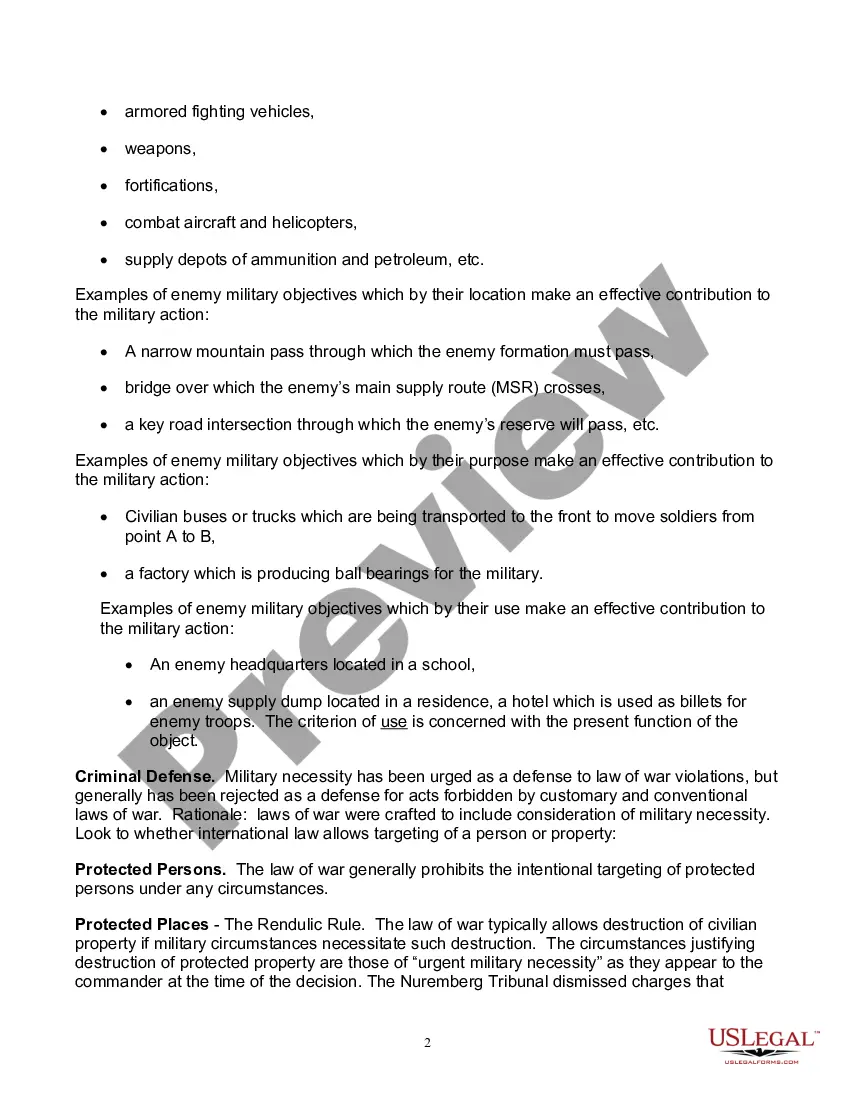
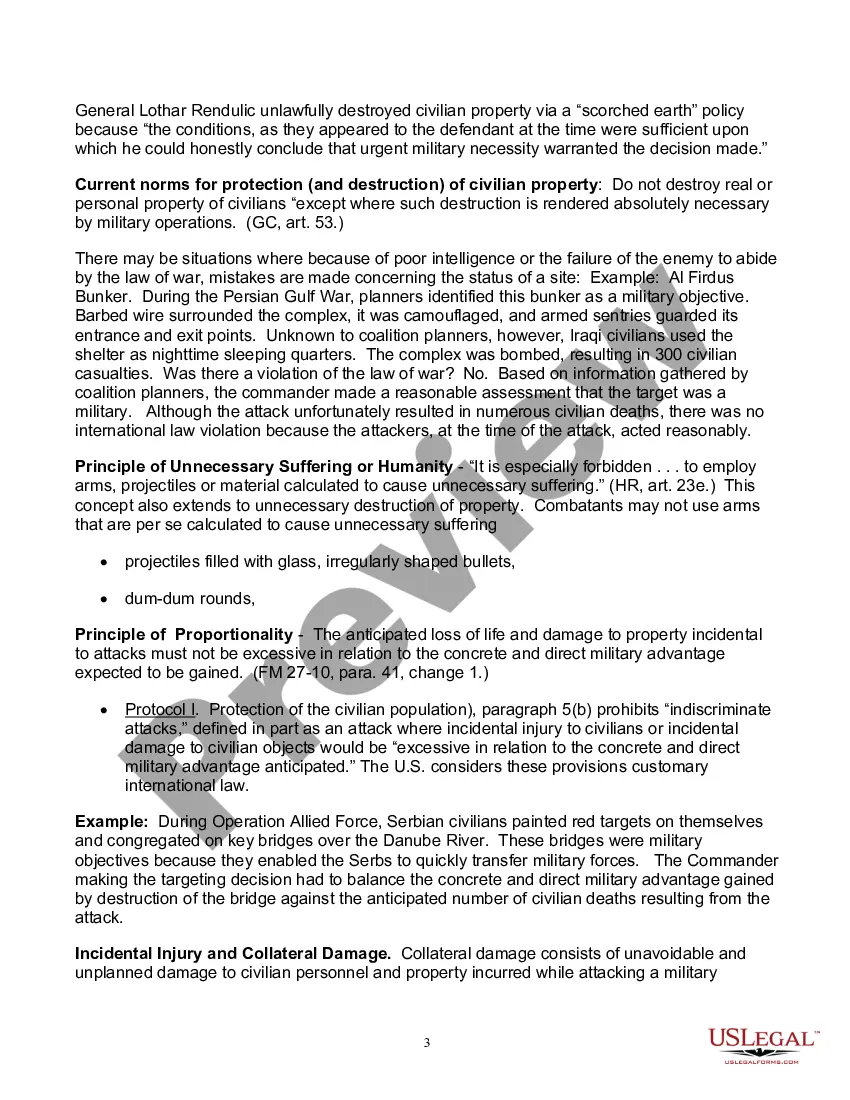
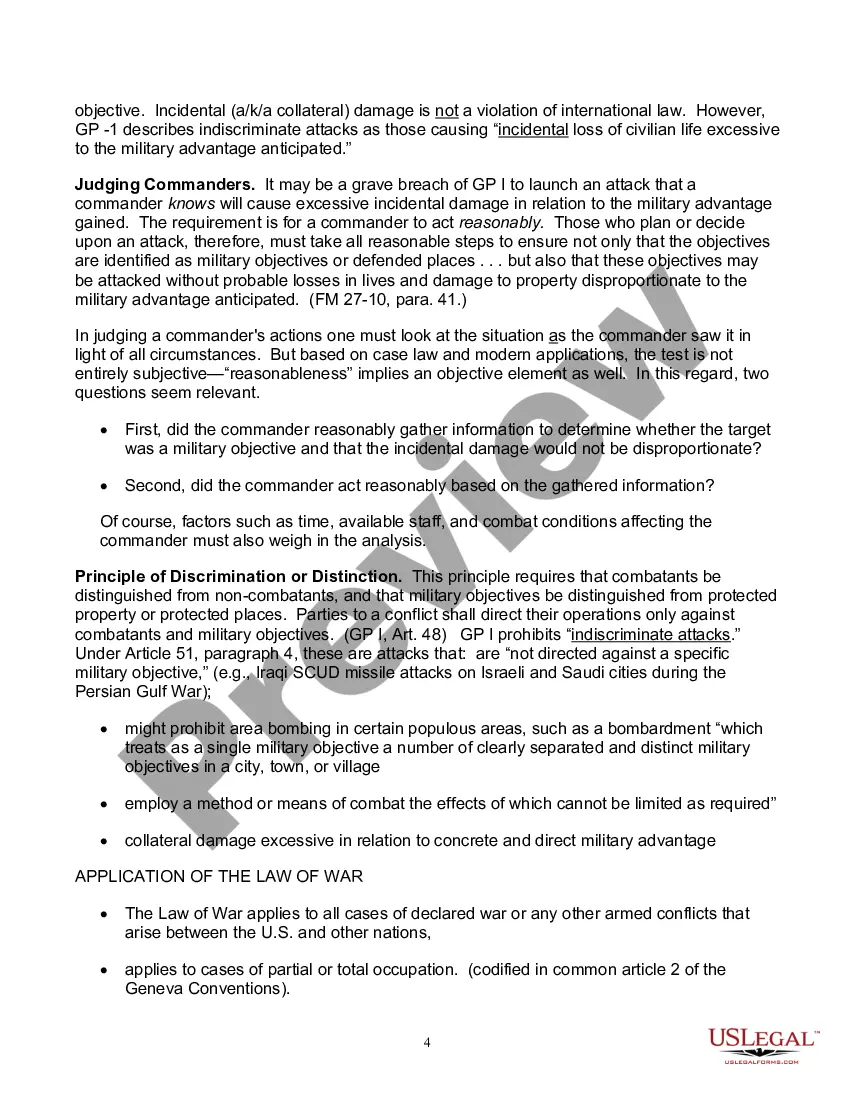

Get your form ready online
Our built-in tools help you complete, sign, share, and store your documents in one place.
Make edits, fill in missing information, and update formatting in US Legal Forms—just like you would in MS Word.
Download a copy, print it, send it by email, or mail it via USPS—whatever works best for your next step.
Sign and collect signatures with our SignNow integration. Send to multiple recipients, set reminders, and more. Go Premium to unlock E-Sign.
If this form requires notarization, complete it online through a secure video call—no need to meet a notary in person or wait for an appointment.
We protect your documents and personal data by following strict security and privacy standards.

Make edits, fill in missing information, and update formatting in US Legal Forms—just like you would in MS Word.

Download a copy, print it, send it by email, or mail it via USPS—whatever works best for your next step.

Sign and collect signatures with our SignNow integration. Send to multiple recipients, set reminders, and more. Go Premium to unlock E-Sign.

If this form requires notarization, complete it online through a secure video call—no need to meet a notary in person or wait for an appointment.

We protect your documents and personal data by following strict security and privacy standards.
Looking for another form?




Form popularity
FAQ
It says officers should “prevent crime and disorder, as an alternative to their repression by military force and severity of legal punishment.”7 Although this principle was shaped within the context of history at the time it was written, it remains relevant.
Answered By: Laurie Bastien Last Updated: 2877 "preventative patrol" "routine incident response" "emergency response" "criminal investigation" "problem-solving"
The 4 Key Elements of Successful Policing Strategy A Strategic Framework for Impact. Policing Strategy 1: Prepare Efficiently. Policing Strategy 2: Prevent Proactively. Policing Strategy 3: Protecting Effectively. Policing Strategy 4: Pursue Productively.
Operational aims and a policing style which has five principles: Performance led ; • Intelligence supported ; • Community focused ; • Problem solving ; • Integration and partnership.
The answer is a little more murky than you would think, but ultimately, the F.B.I. holds more power, simply because they have a larger jurisdiction. Insofar as "rank" goes, both are at the top of the law enforcement game. Think of it this way: the Texas Rangers are like our F.B.I., but we have F.B.I. too.
The largest state law enforcement agency in Texas is the Department of Public Safety, which employs state troopers and the Texas Rangers. Additionally, the following state agencies employ peace officers: Texas Alcoholic Beverage Commission – Enforcement Division.
They are the same thing, the individuals are called Troopers but the organizarion is the Texas Highway Patrol, a division of the Department of Public Safety (DPS), which is the largest state law enforcement agency in Texas.
As of 2019, there are 166 commissioned members of the Ranger force.
So those principles were selflessness, integrity, objectivity, accountability, openness, honesty and leadership. Now, when the Code of Ethics was written, a further two principles were added to that to make the nine policing principles. And those two further principles were fairness and respect.
While it's technically possible to write a demand letter yourself, there are significant advantages to seeking the guidance of a legal professional. Here's why. Professional expertise. An attorney specialized in personal injury law understands the nuances of relevant statutes, case law, and procedural requirements.
