Principles Of Law Enforcement Operations Philippines In Pima
Description

Get your form ready online
Our built-in tools help you complete, sign, share, and store your documents in one place.
Make edits, fill in missing information, and update formatting in US Legal Forms—just like you would in MS Word.
Download a copy, print it, send it by email, or mail it via USPS—whatever works best for your next step.
Sign and collect signatures with our SignNow integration. Send to multiple recipients, set reminders, and more. Go Premium to unlock E-Sign.
If this form requires notarization, complete it online through a secure video call—no need to meet a notary in person or wait for an appointment.
We protect your documents and personal data by following strict security and privacy standards.

Make edits, fill in missing information, and update formatting in US Legal Forms—just like you would in MS Word.

Download a copy, print it, send it by email, or mail it via USPS—whatever works best for your next step.

Sign and collect signatures with our SignNow integration. Send to multiple recipients, set reminders, and more. Go Premium to unlock E-Sign.

If this form requires notarization, complete it online through a secure video call—no need to meet a notary in person or wait for an appointment.

We protect your documents and personal data by following strict security and privacy standards.
Looking for another form?





Form popularity
FAQ
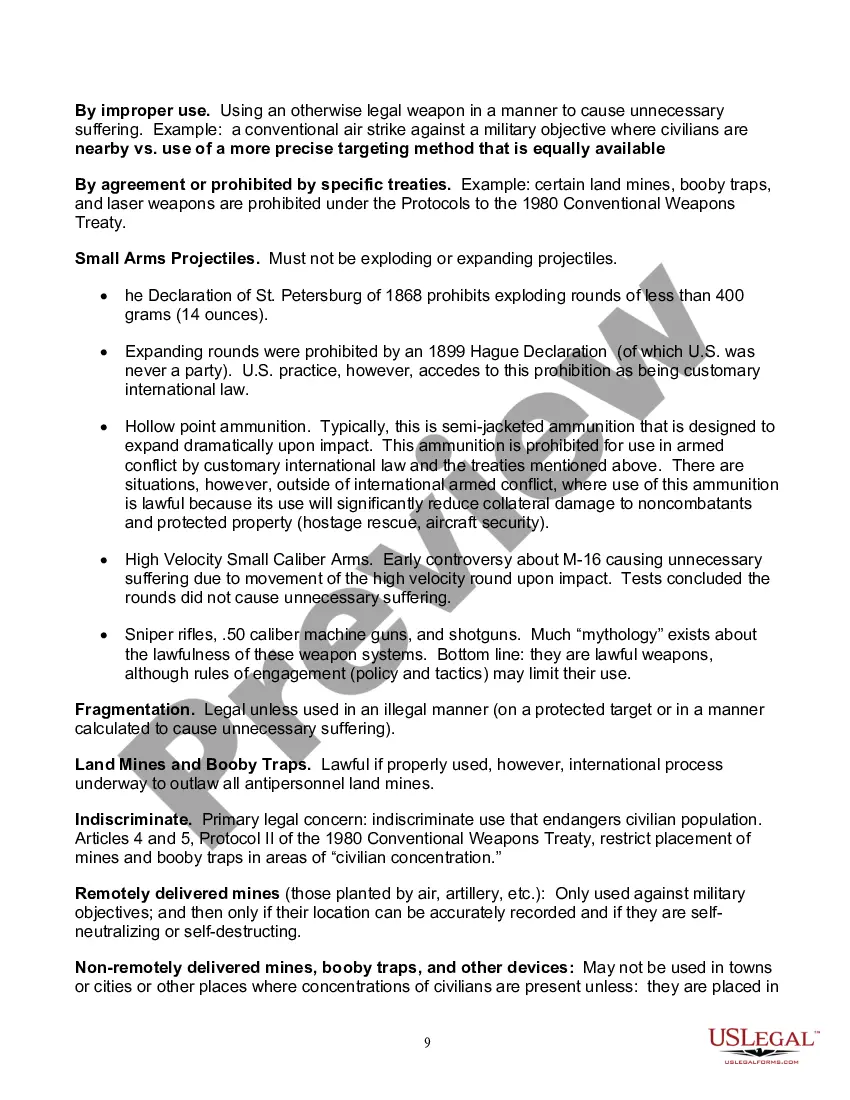
These documents provide guidance regarding the standards of conduct embodied in the law enforcement officer's code of ethics and an agency's statement of values and mission, so that officers have a clear understanding of agency expectations pertaining to conduct and activities while on and off duty.
To uphold the rule of law, society must maintain a social contract between American communities and law enforcement. Citizens must respect the law, and law enforcement officers must act fairly and, when necessary, hold offenders accountable. A nation that has lost respect for the rule of law is subject to chaos.
STATE AND LOCAL The Constitution gives authority over policing to the states. Each state and territory has its own legal and court system to handle criminal matters.
As premier law enforcement agency, the PNP upholds the most noble virtues and beliefs.
The PNP shall enforce the law, prevent and control crimes, maintain peace and order, and ensure public safety and internal security with the active support of the community.
As premier law enforcement agency, the PNP upholds the most noble virtues and beliefs. Hence, among its core values are; love of God, selfless love and service to people, respect for authority, respect for women and the sanctity of marriage, responsible dominion and stewardship over material things, and truthfulness.
It says officers should “prevent crime and disorder, as an alternative to their repression by military force and severity of legal punishment.”7 Although this principle was shaped within the context of history at the time it was written, it remains relevant.
To seek and preserve public favor, not by pandering to public opinion, but by constantly demonstrating absolute impartial service to law, in complete independence of policy, and without regard to the justice or injustice of the substance of individual laws, by ready offering of individual service and friendship to all ...
Answered By: Laurie Bastien Last Updated: 2877 "preventative patrol" "routine incident response" "emergency response" "criminal investigation" "problem-solving"
Rule of law is a principle under which all persons, institutions, and entities are accountable to laws that are: Publicly promulgated. Equally enforced. Independently adjudicated. And consistent with international human rights principles.
