Principle For Legal In Pima
Description
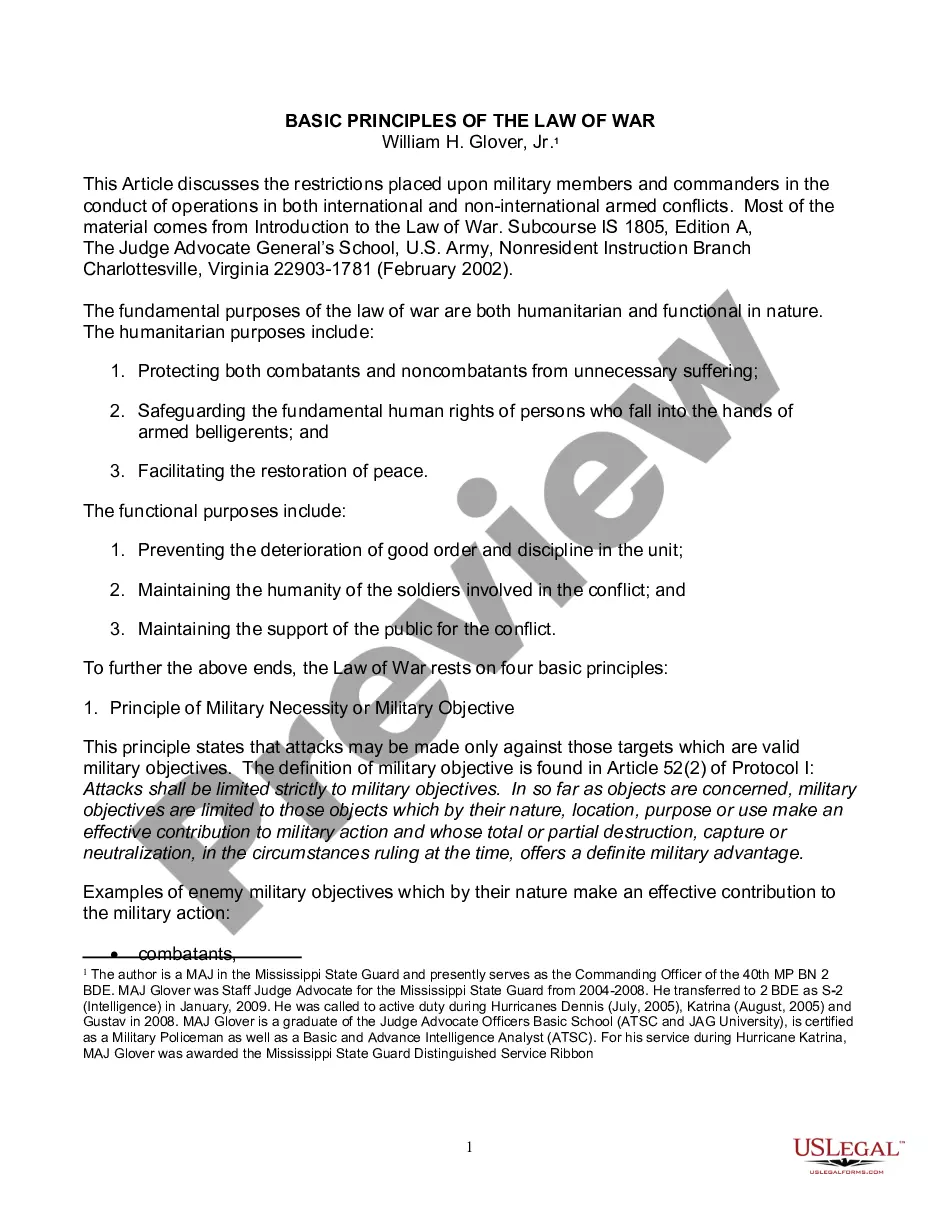

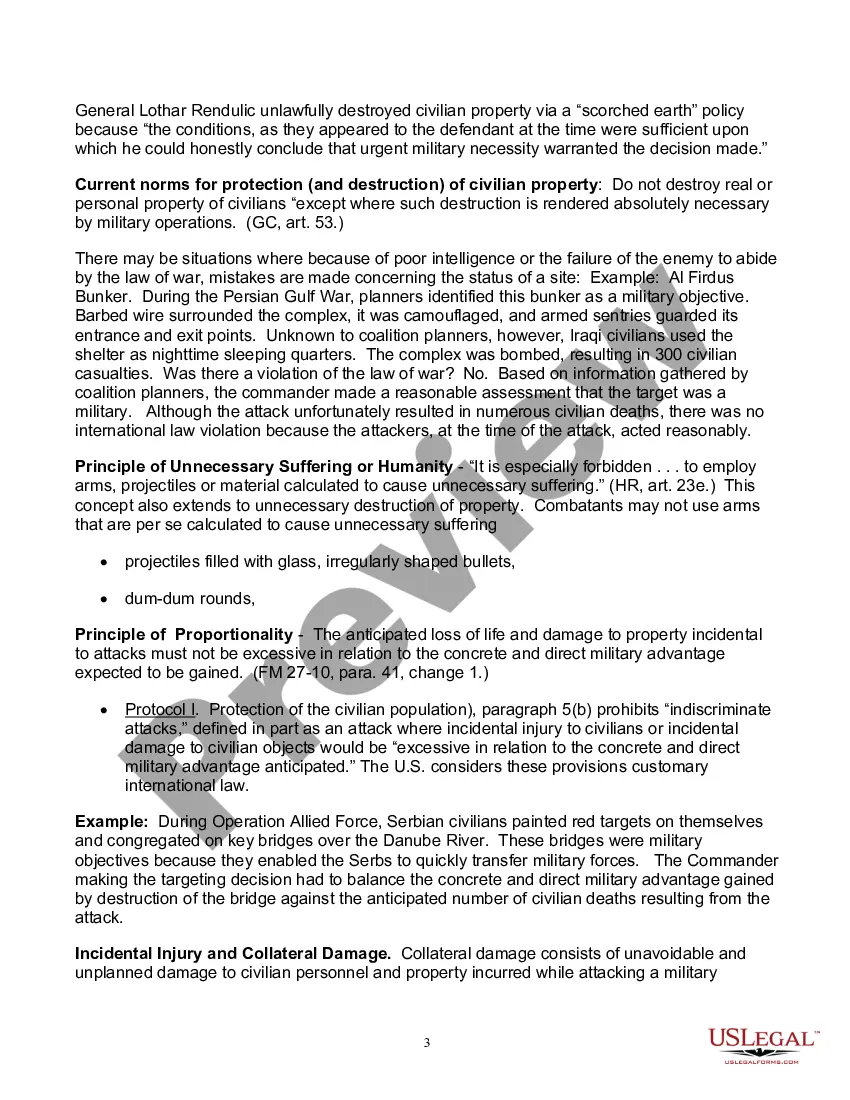
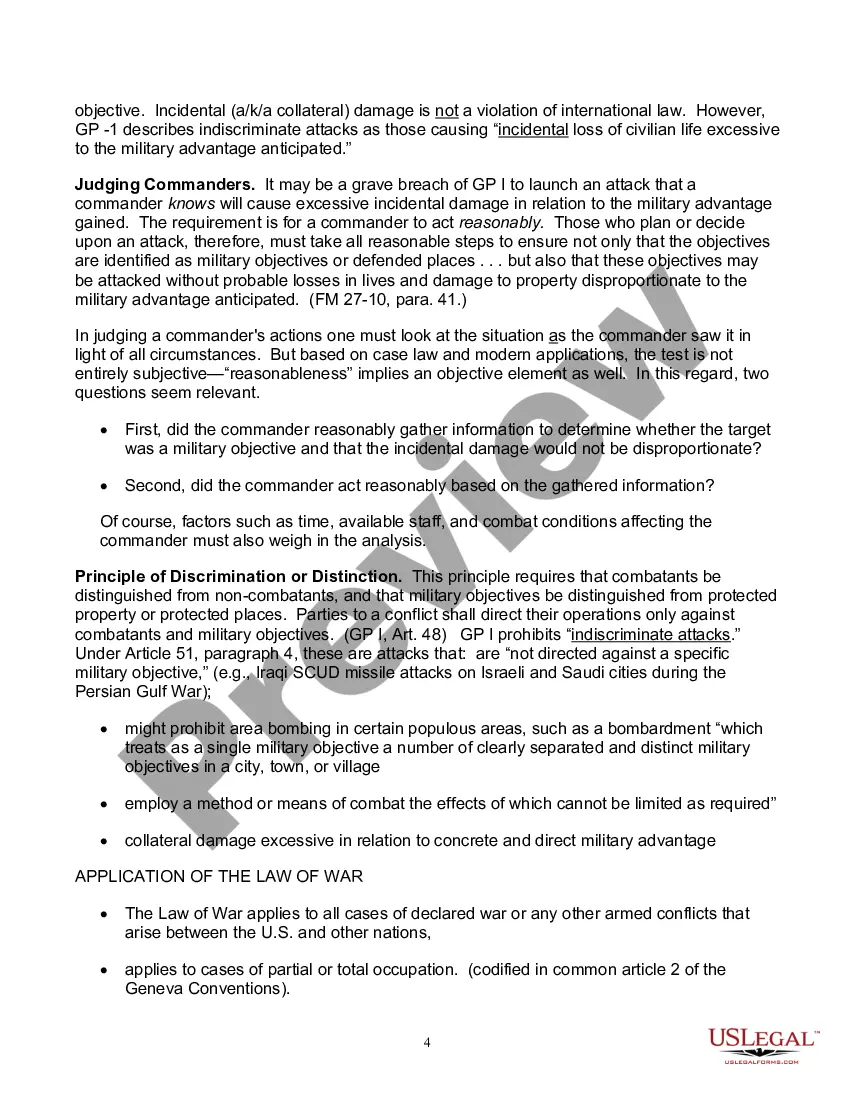
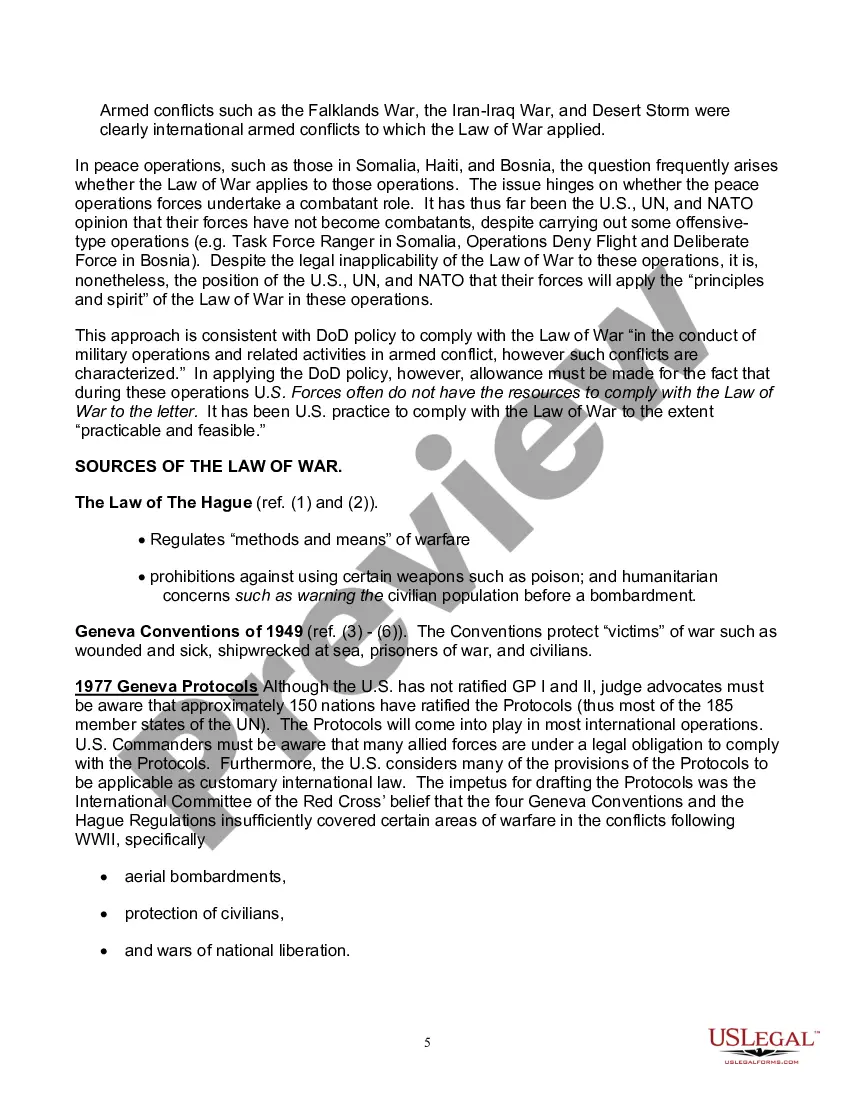



Get your form ready online
Our built-in tools help you complete, sign, share, and store your documents in one place.
Make edits, fill in missing information, and update formatting in US Legal Forms—just like you would in MS Word.
Download a copy, print it, send it by email, or mail it via USPS—whatever works best for your next step.
Sign and collect signatures with our SignNow integration. Send to multiple recipients, set reminders, and more. Go Premium to unlock E-Sign.
If this form requires notarization, complete it online through a secure video call—no need to meet a notary in person or wait for an appointment.
We protect your documents and personal data by following strict security and privacy standards.

Make edits, fill in missing information, and update formatting in US Legal Forms—just like you would in MS Word.

Download a copy, print it, send it by email, or mail it via USPS—whatever works best for your next step.

Sign and collect signatures with our SignNow integration. Send to multiple recipients, set reminders, and more. Go Premium to unlock E-Sign.

If this form requires notarization, complete it online through a secure video call—no need to meet a notary in person or wait for an appointment.

We protect your documents and personal data by following strict security and privacy standards.
Looking for another form?

Form popularity
FAQ
Students completing a BA in LAW can choose courses that will prepare them to pursue a license as an LP. In addition to the BA in Law degree requirements, students must choose LP track required courses related to their chosen practice area or students may choose to earn an LP Certificate.
Paralegals can only operate under the supervision of an attorney. An LP can provide you with legal advice, opinions, recommendations, and strategies, and represent you in Court as long as the matter falls within the scope of their license, all without the supervision of an attorney.
A legal paraprofessional is to a lawyer as a nurse practitioner is to a doctor: a legal paraprofessional is a licensed and regulated professional who can provide legal advice and representation within the authorized practice area in which they are licensed, with a designated scope of practice for each practice area.
Steps to become a Lawyer/Attorney in Arizona Complete Your Arizona Undergraduate Pre-Law Education. Take the LSAT (Law School Admission Test) in Arizona. Arizona Law School. Take the Arizona State Bar Exam and become an Attorney. Now that You are a Member of the Arizona State Bar.
Summary. Broadly speaking, a legal assistant, or litigation assistant, usually performs administrative duties as well as legal tasks while a paralegal focuses more on legal duties and research to assist lawyers. Both positions require an understanding of legal terminology and procedures.
Paralegals, also known as legal paraprofessionals, typically perform more substantive legal work under the supervision of licensed attorneys. Their responsibilities often include: Conducting legal research. Drafting legal documents and correspondence.
What is a Legal Paraprofessional? draft, sign, and file legal documents. provide advice, opinions, or recommendations about legal rights, remedies, defenses, options, or strategies. appear before certain courts or tribunals on behalf of a client. negotiate for a client in their area of practice.
Aristotle stated that “the rule of law . . . is preferable to that of any individual.” This is because individuals possess flaws and could tailor government to their own individual interests, whereas the rule of law is objective.
3. Justice - The concepts of justice are commonly understood as (1) to each person an equal share, (2) to each person ing to individual need, (3) to each person ing to individual effort, (4) to each person ing to societal contribution, and (5) to each person ing to merit.
The rule of law is a durable system of laws, institutions, norms, and community commitment that delivers four universal principles: accountability, just law, open government, and accessible and impartial justice.